Reading comprehension Normal Math Worksheets for Ages 7-8 - Page 2
26 filtered results
-
From - To
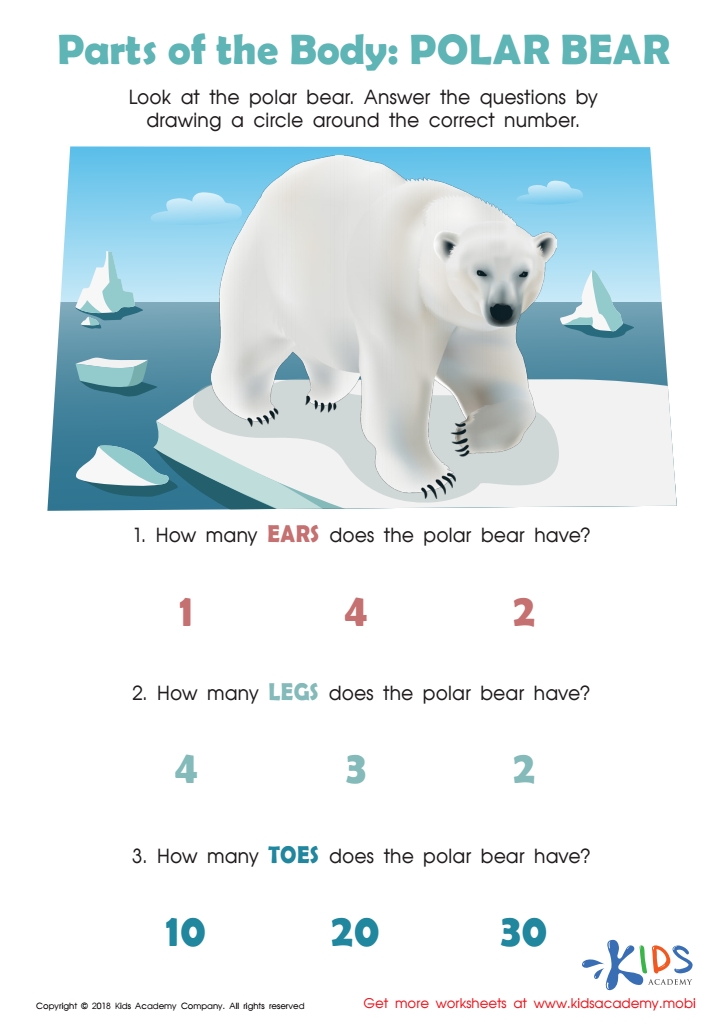
Parts of the Body: Polar Body Worksheet
 Assign to My Students
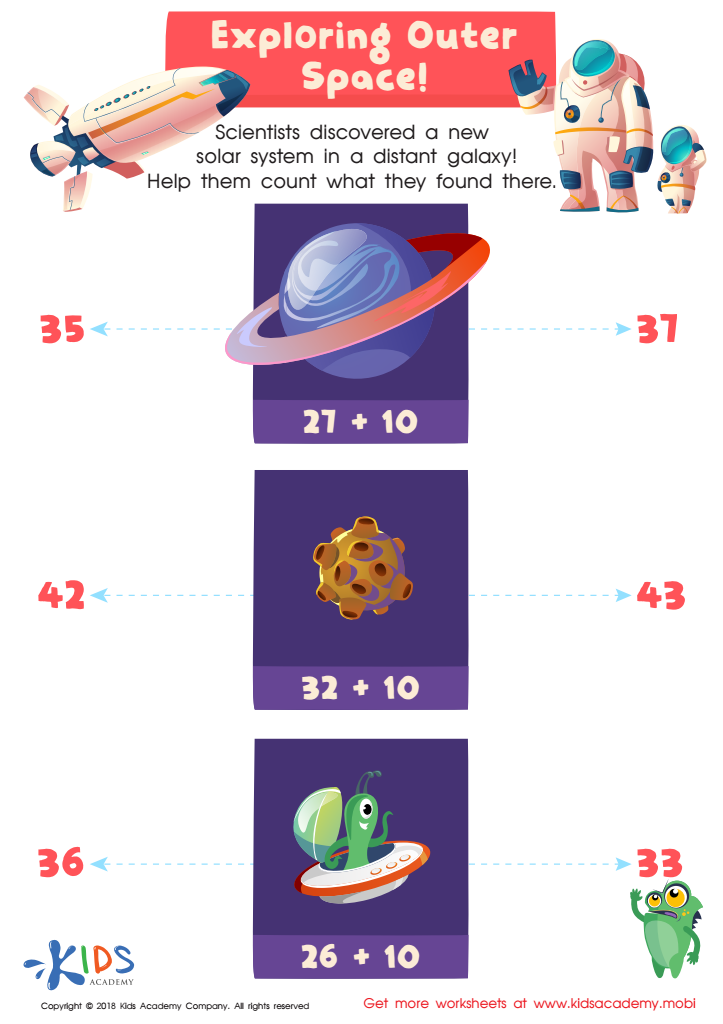
Exploring Outer Space Worksheet







Reading comprehension and basic math skills during the ages of 7 to 8 are crucial for academic and personal development. At this stage, children transition from learning to read to reading to learn, making reading comprehension essential. Understanding and interpreting text not only bolster vocabulary and language skills but also lay the foundation for gaining knowledge across various subjects, boosting overall academic performance.
Math skills at this age typically cover fundamental concepts such as addition, subtraction, simple multiplication, and an introduction to problem-solving strategies. These foundational skills form the building blocks for more complex mathematical operations that will be encountered in later grades. Fostering a strong competency in early math helps nurture logical thinking, pattern recognition, and analytical skills, which are vital for everyday decision-making and problem-solving.
Parents and teachers play a key role by encouraging reading and making math engaging. Interactive storytime sessions, discussing books, and incorporating fun math games and activities can ignite a love for learning. These early interventions can build confidence, foster a positive attitude towards education, and develop lifelong learning habits. Supporting children in mastering these skills at a young age ultimately contributes to their holistic growth and future success.








