Critical Thinking Normal Reading Comprehension Worksheets for Ages 7-8
27 filtered results
-
From - To
Enhance your child's reading skills with our Critical Thinking Normal Reading Comprehension Worksheets designed specifically for ages 7-8. These engaging worksheets challenge young learners to think critically while improving their comprehension abilities. Each activity encourages children to analyze text, make connections, and draw conclusions, fostering deeper understanding and retention of what they read. Our worksheets are not only educational but also fun, keeping your child motivated and excited about learning. With varied topics and interactive exercises, these resources are perfect for homeschoolers, classroom settings, or additional practice at home. Unlock your child's full potential in reading comprehension today!
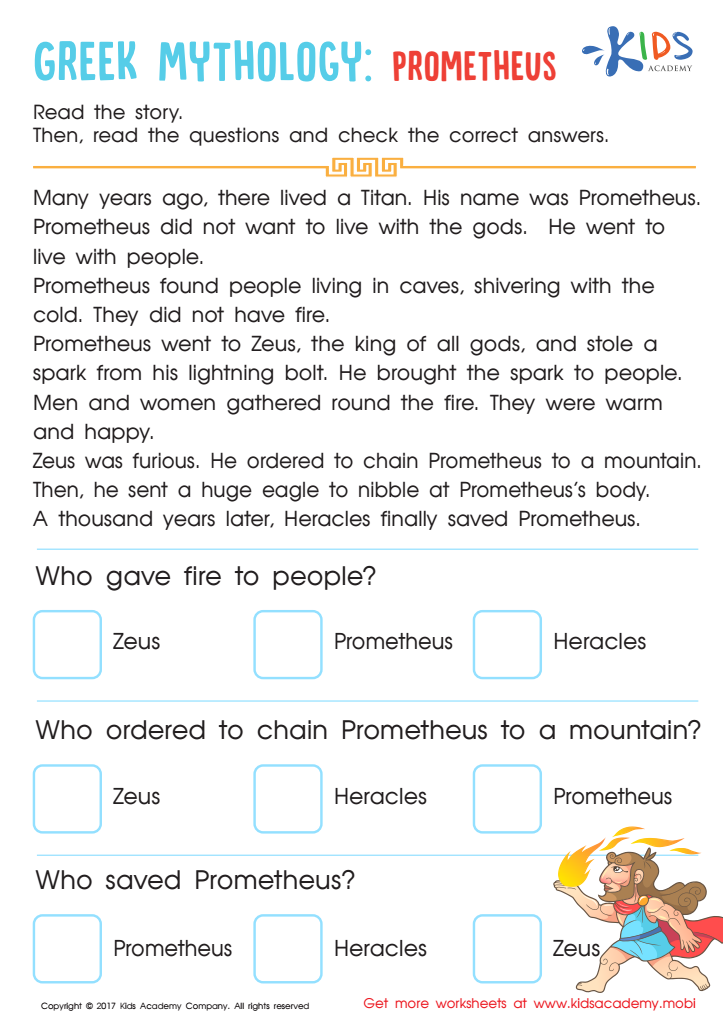
Prometheus Story Worksheet
 Assign to My Students
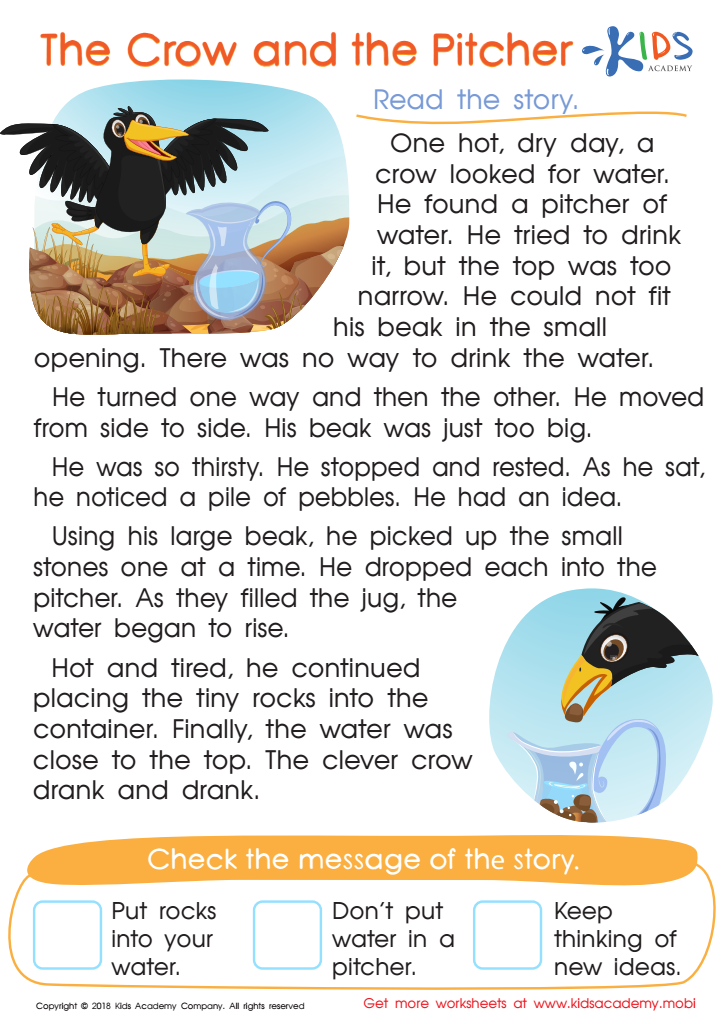
The Crow and the Pitcher Worksheet
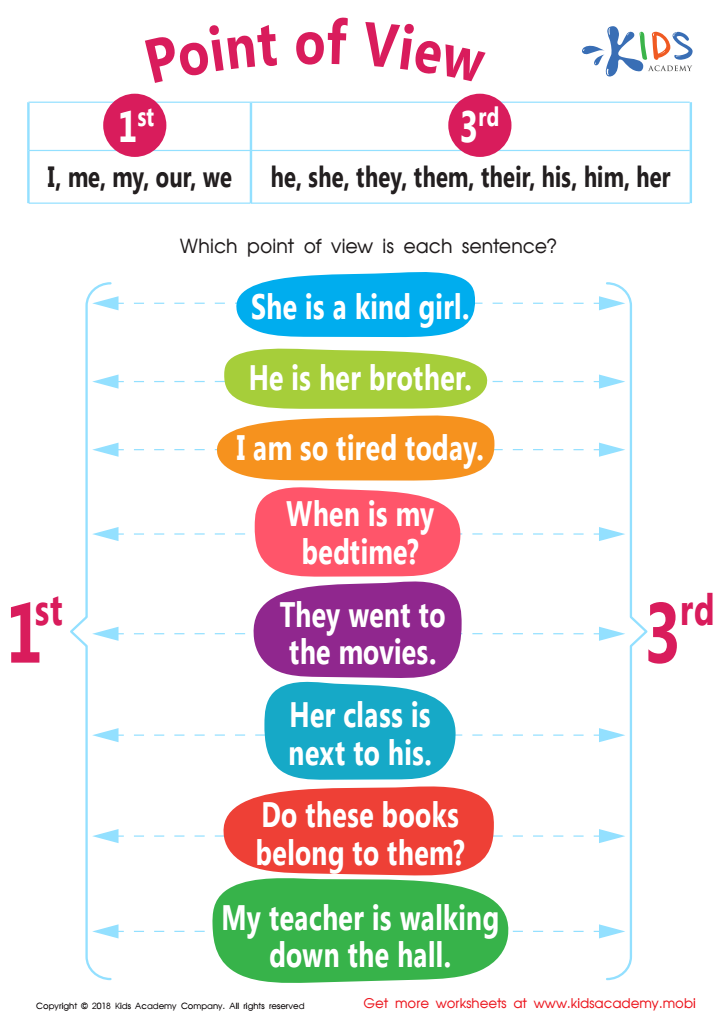
Point of View Worksheet
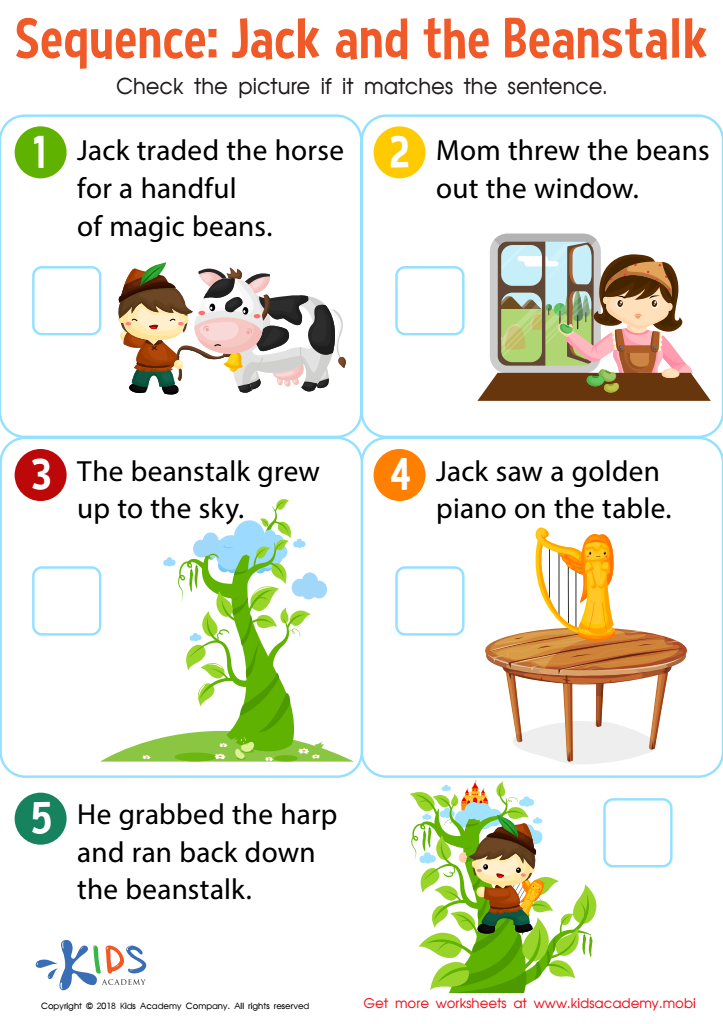
Sequence: Jack and The Beanstalk Worksheet
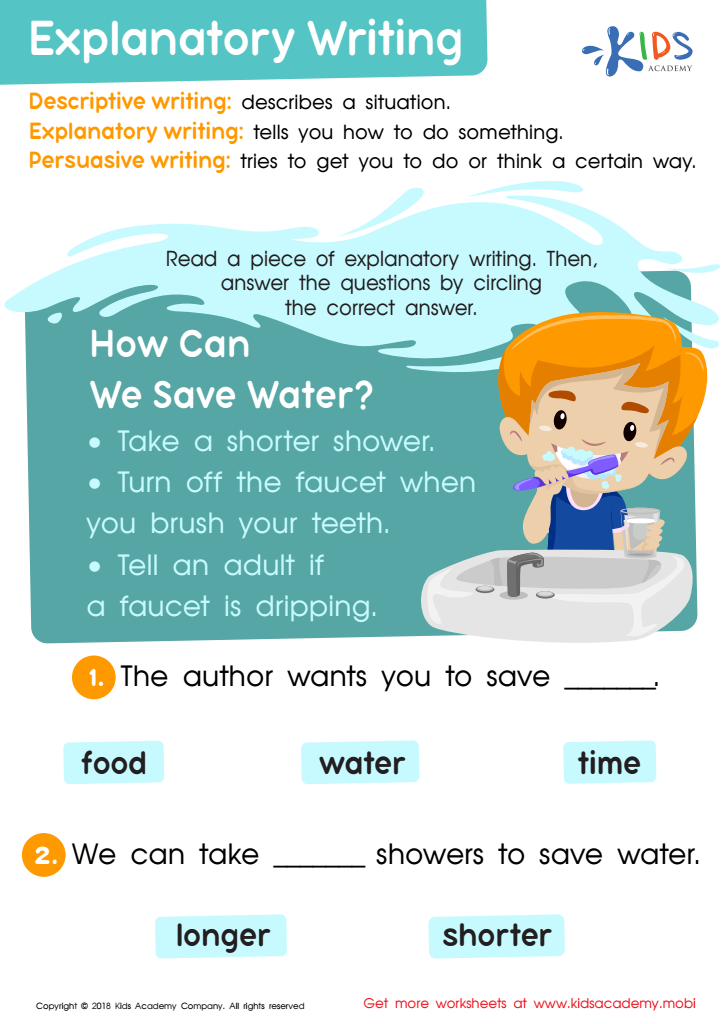
Explanatory Writing Worksheet
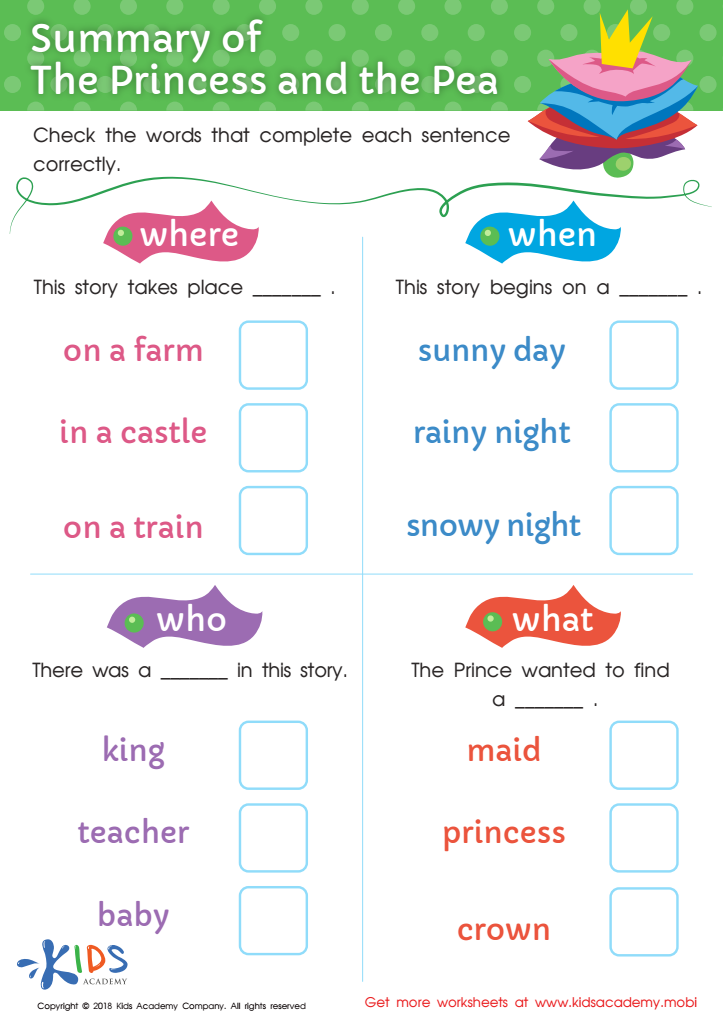
The Summary of the Princess and the Pea Worksheet
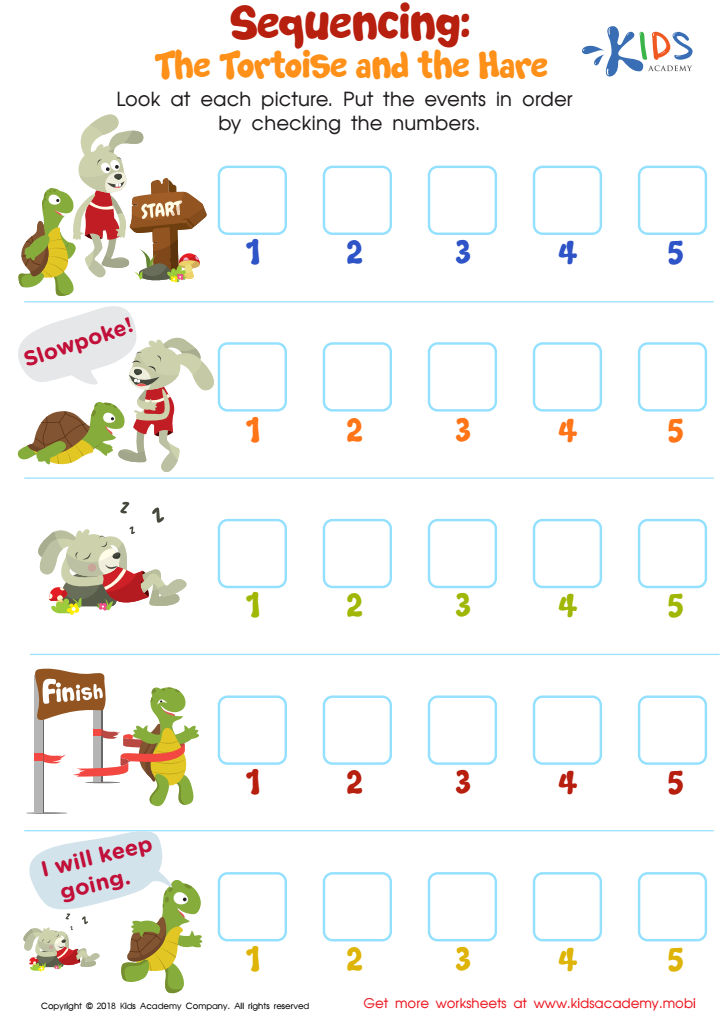
Sequencing: The Tortoise and the Hare Worksheet
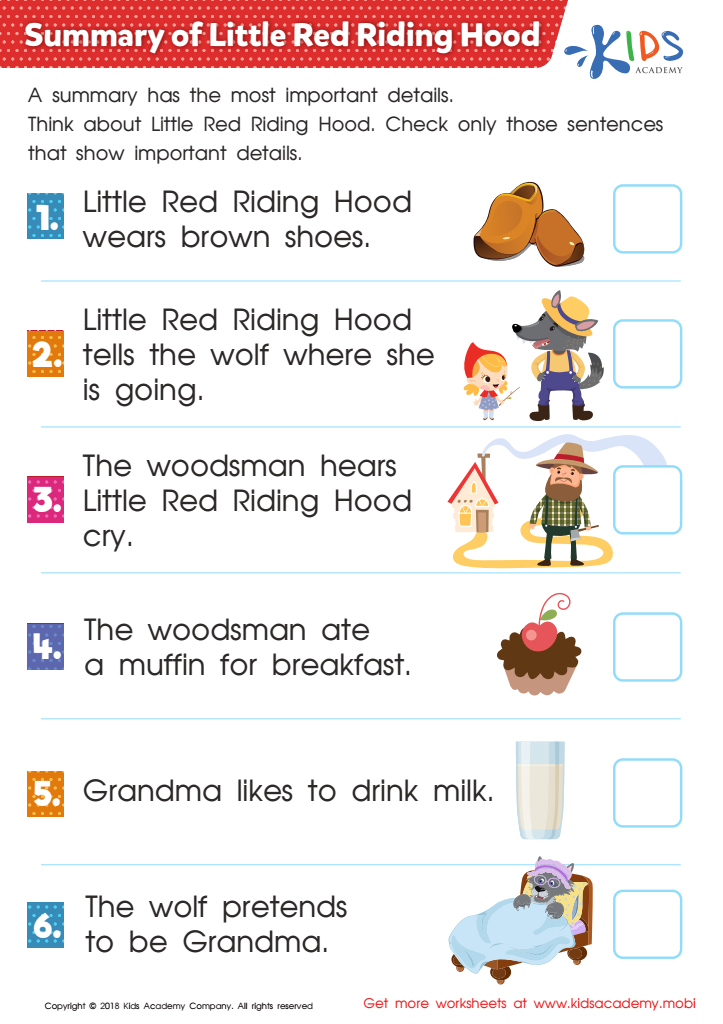
Summary of Little Red Riding Hood Worksheet
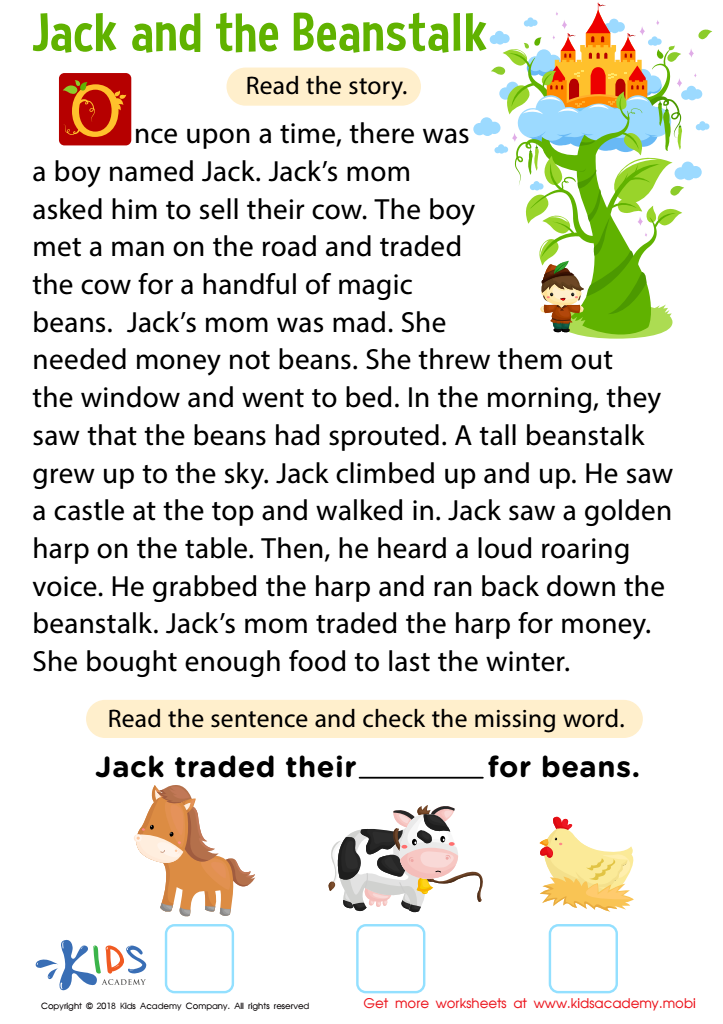
Jack and Beanstalk Worksheet
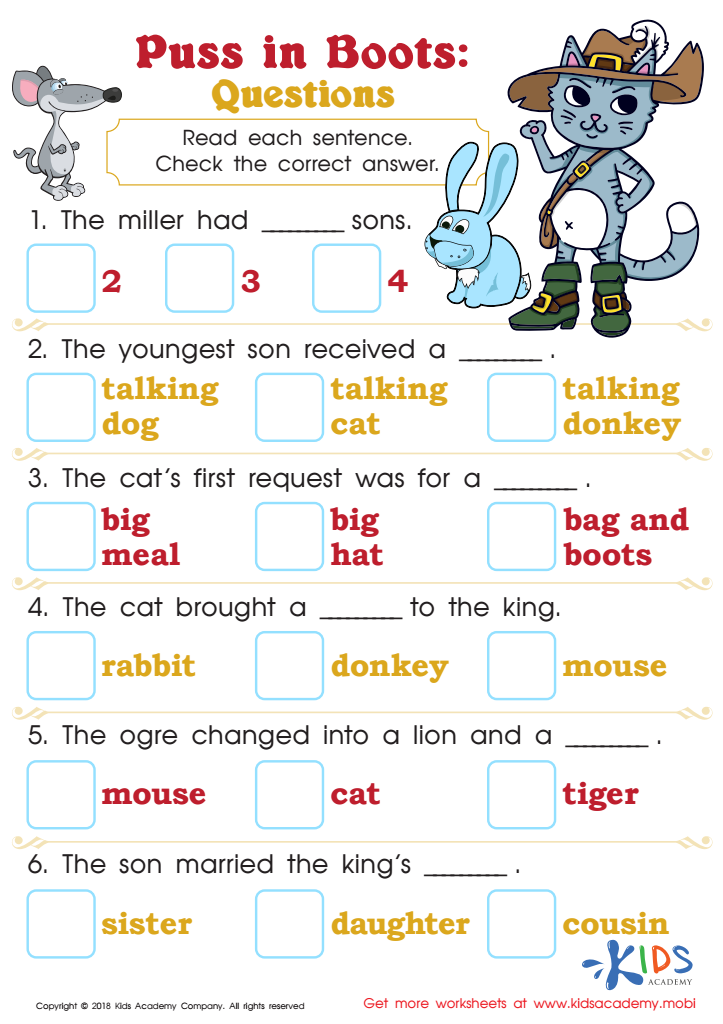
Puss in Boots: Questions Worksheet
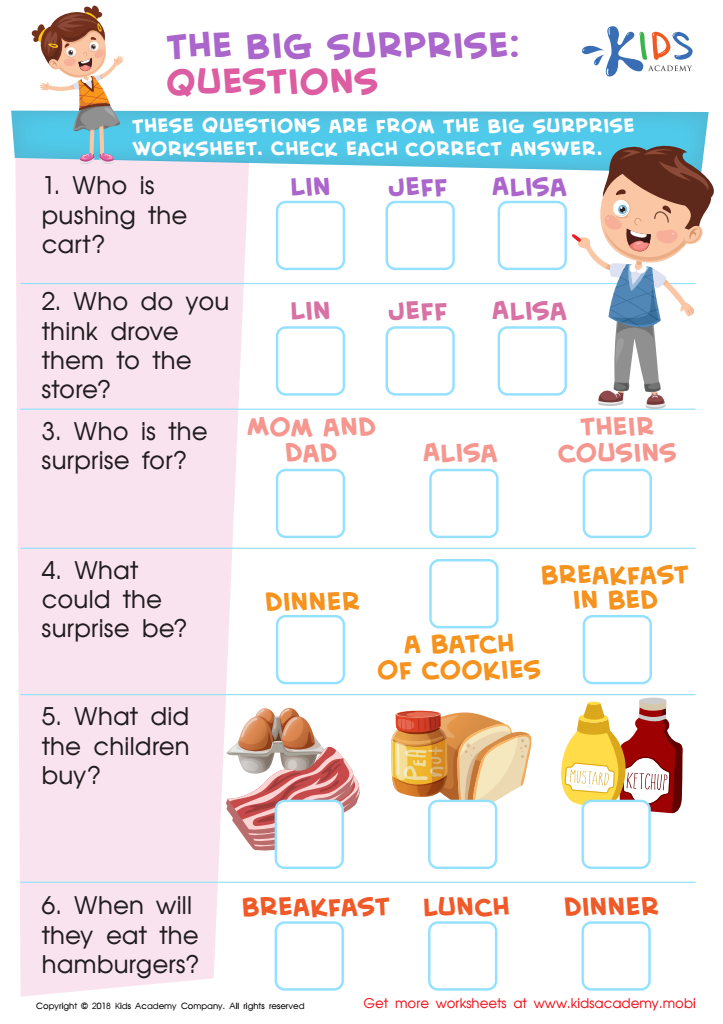
The Big Surprise: Questions Worksheet
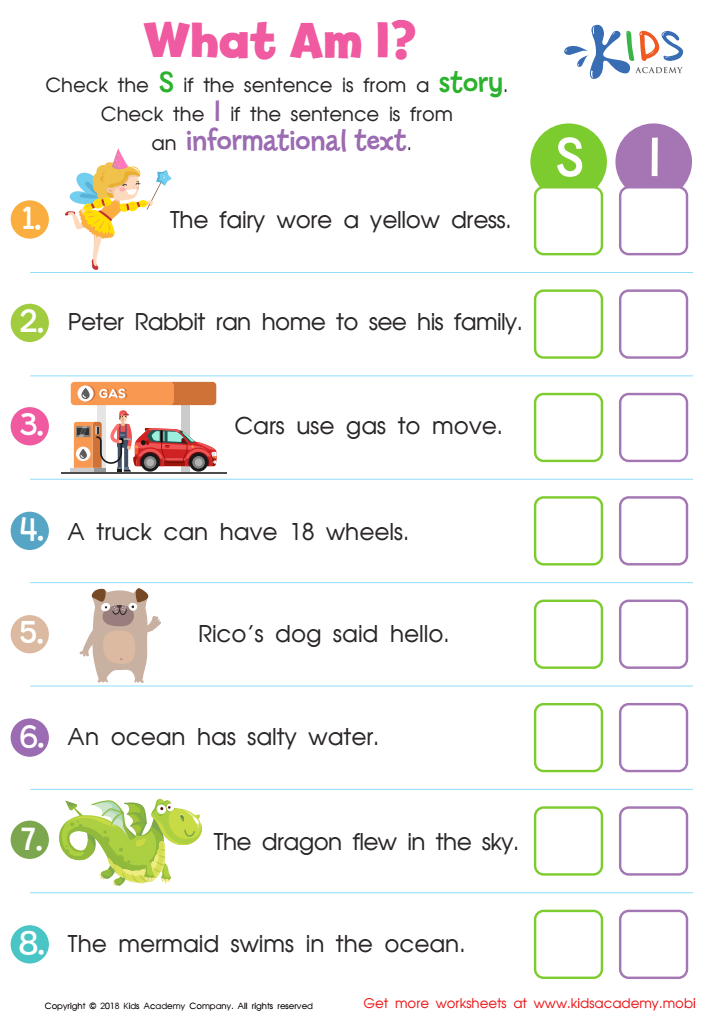
What Am I? Worksheet
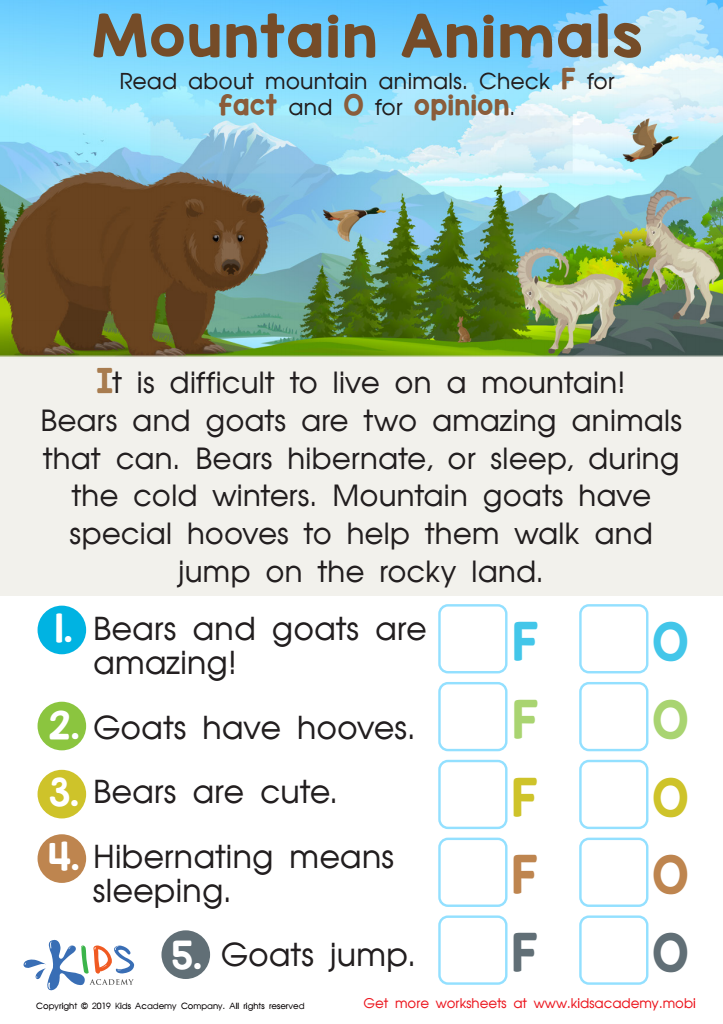
Mountain Animals Worksheet
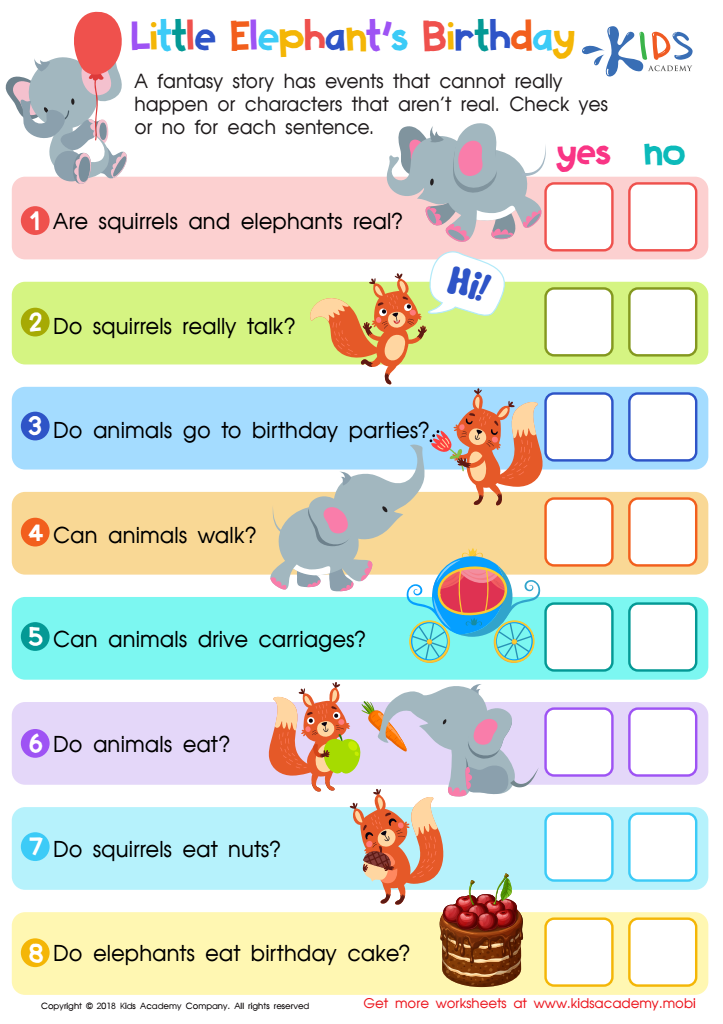
Little Elephant's Birthday Worksheet
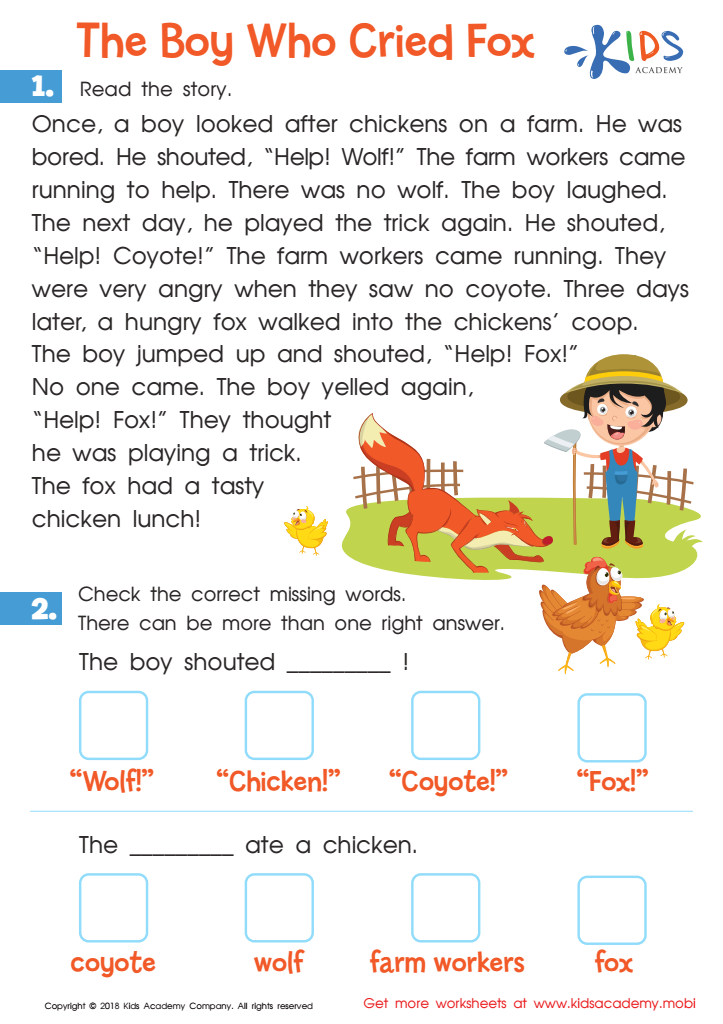
The Boy Who Cried Fox Worksheet
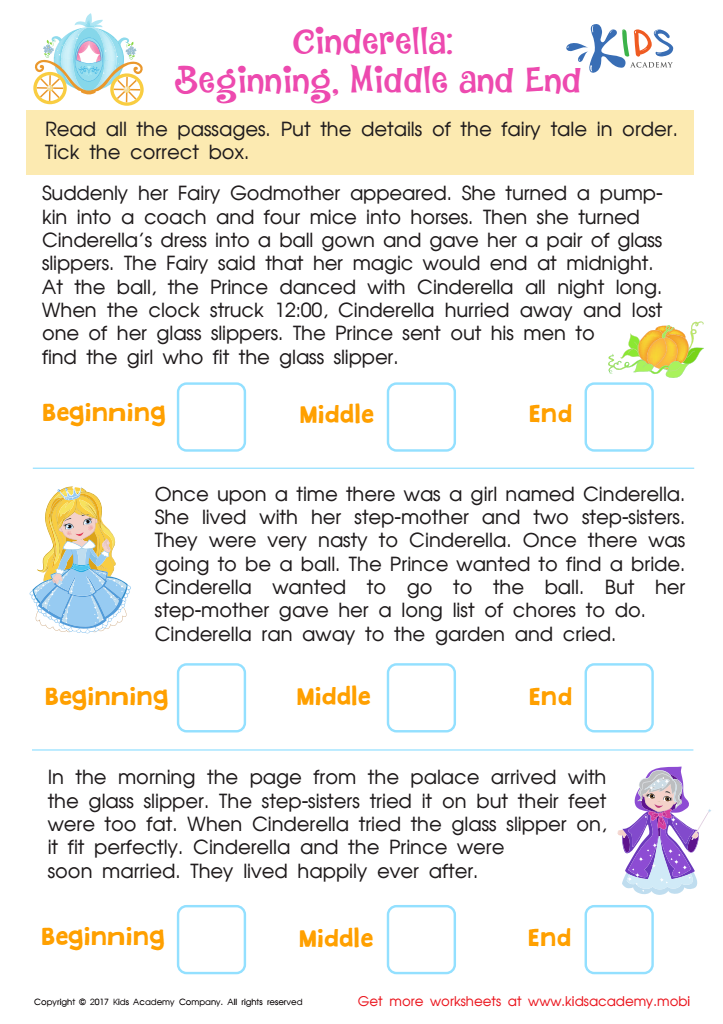
Cinderella: Beginning, Middle and End Worksheet
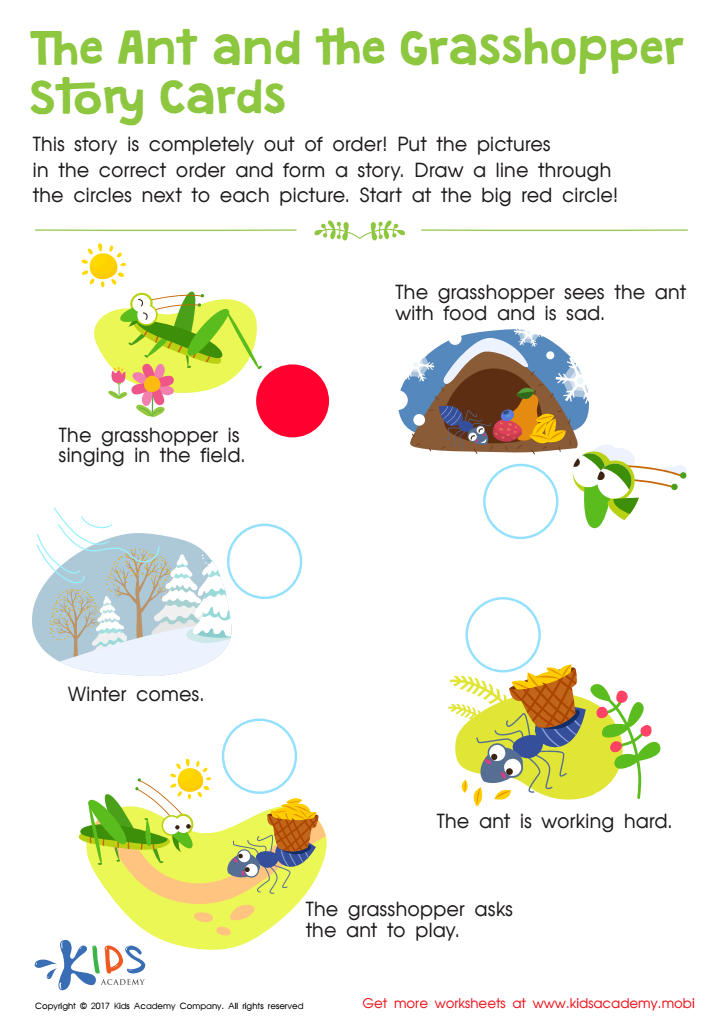
The Ant and The Grasshopper Worksheet
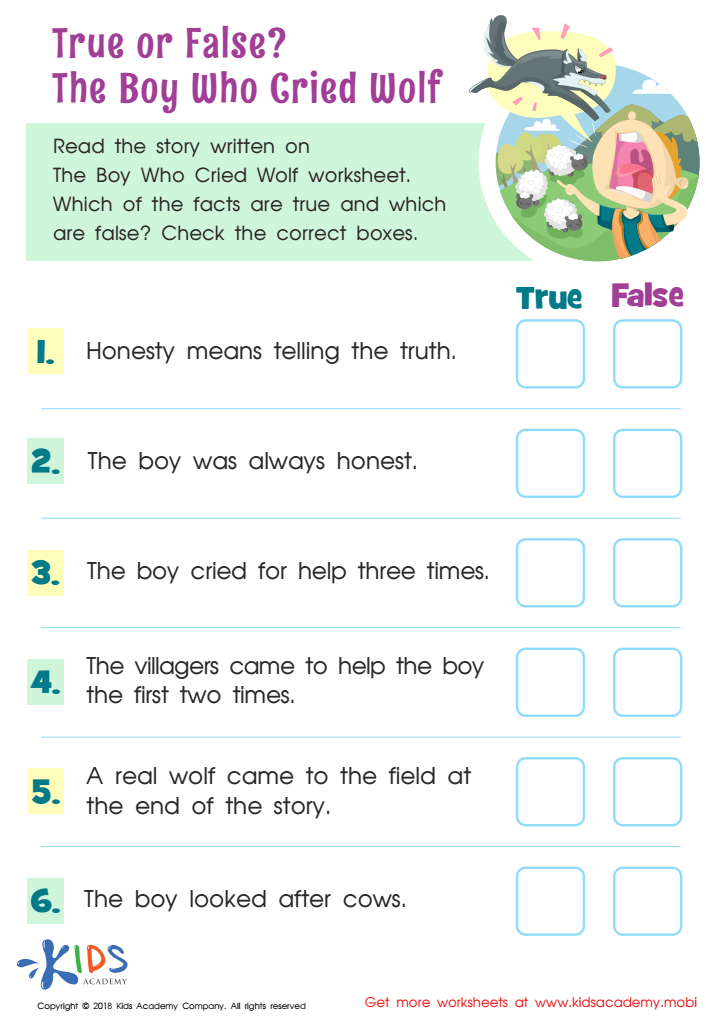
True or False? The Boy Who Cried Wolf Worksheet
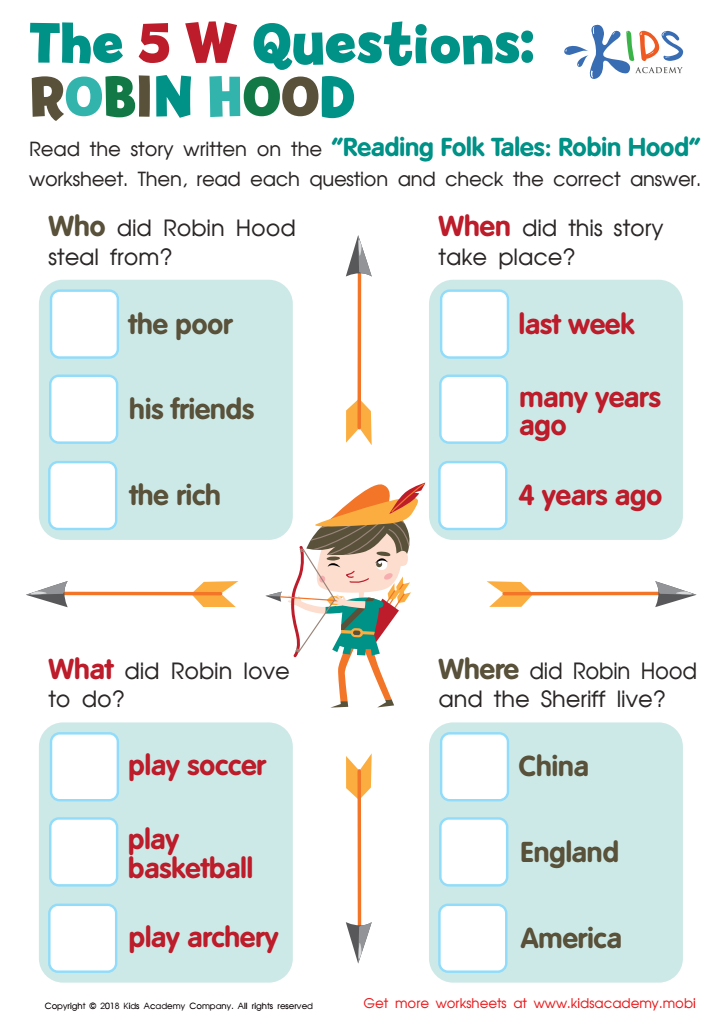
The 5 W Questions: Robin Hood Worksheet
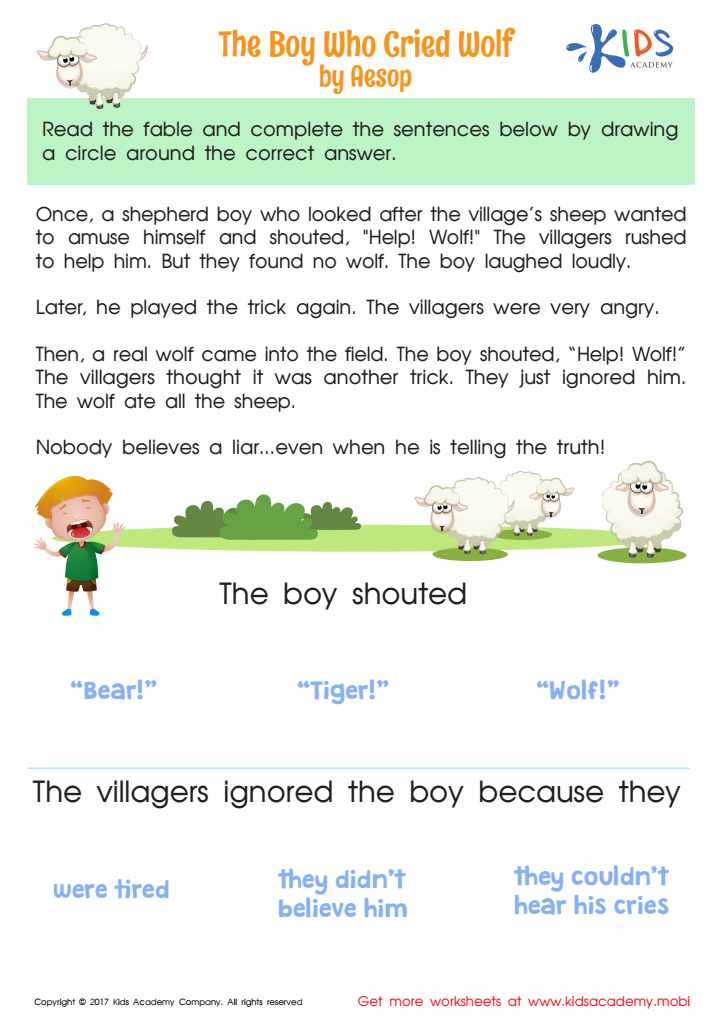
The Boy Who Cried Wolf Worksheet
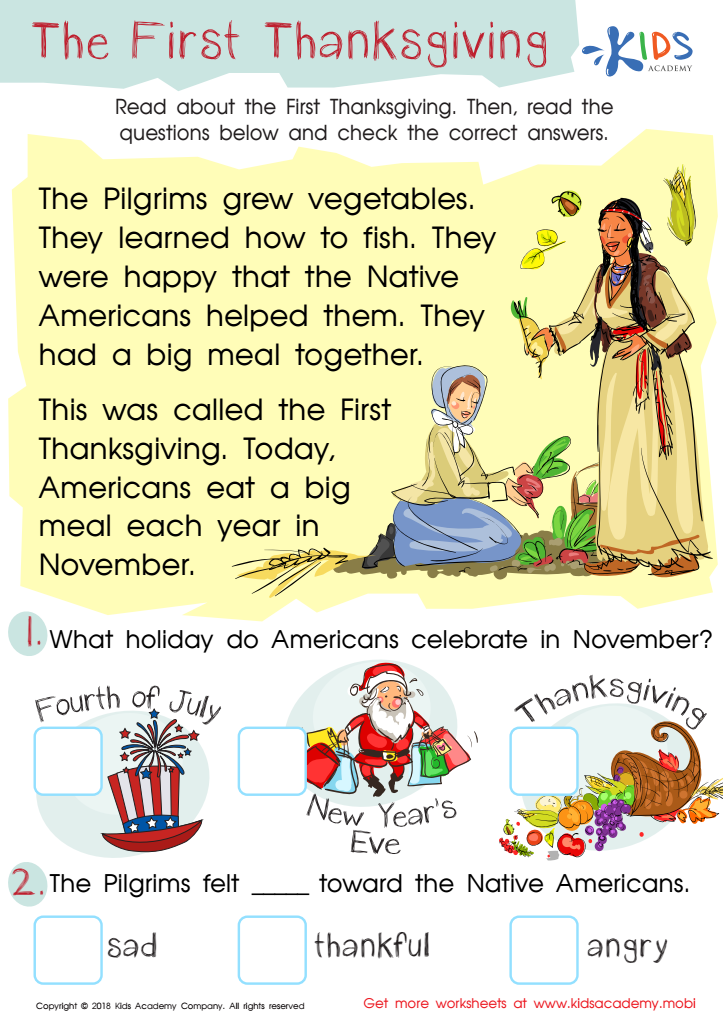
Assessment: First Thanksgiving Worksheet
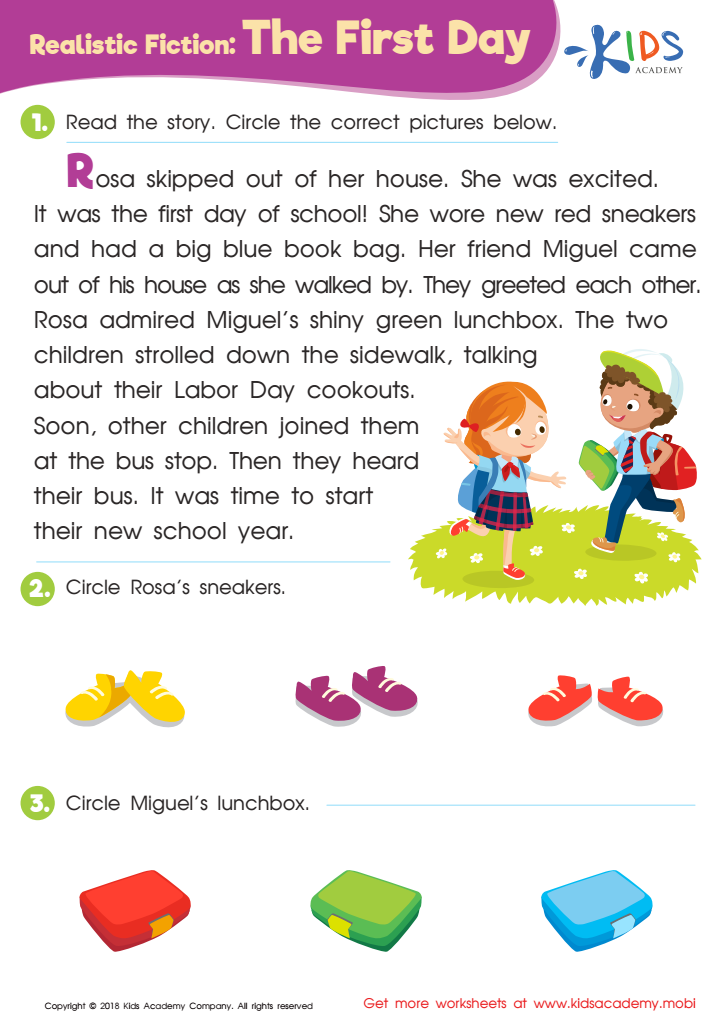
Realistic Fiction: The First Day Worksheet
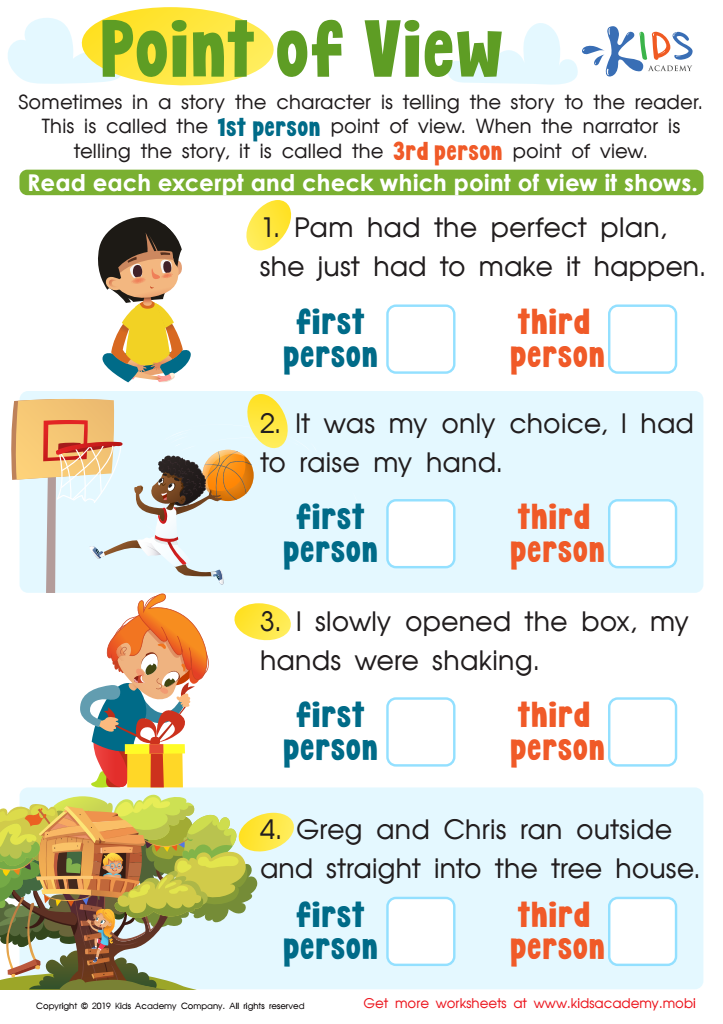
Point of View Printable
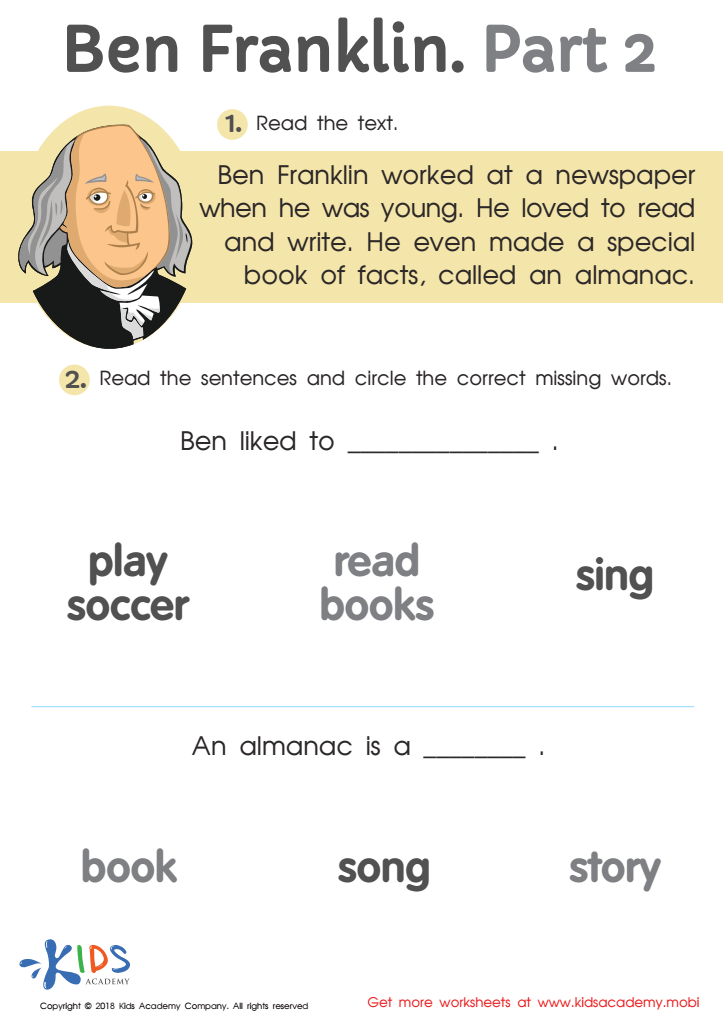
Ben Franklin Part 2 Worksheet



.jpg)




Critical thinking and reading comprehension are essential skills for children aged 7-8, as they lay the groundwork for academic success and lifelong learning. At this developmental stage, children are not just learning to read; they are beginning to engage with texts actively and analytically. Teaching critical thinking alongside reading comprehension equips children with the ability to question, analyze, and interpret the information they encounter.
Developing these skills helps children to dig deeper into texts, enhancing their understanding and retention. It encourages them to ask questions like, "What is the main idea?" or "Why did the character make that choice?" This promotes a more meaningful engagement with literature and develops a habit of inquiry that is essential in the information age.
Furthermore, critical thinking fosters problem-solving skills, creativity, and decision-making—all vital for navigating complex life situations. Empowering children with these skills now will not only boost their current academic performance but also prepare them for future challenges in education and beyond. Parents and teachers play a pivotal role in nurturing these abilities through supportive discussions, encouraging exploration of ideas, and fostering a growth mindset, making it essential for them to prioritize these competencies in early education.








