Classification skills Normal Science Worksheets for Ages 7-8
5 filtered results
-
From - To
Explore our engaging “Classification Skills Worksheets” designed for children aged 7-8, perfect for enhancing their understanding of scientific concepts! These interactive worksheets provide a fun and educational way to help young learners categorize and sort various objects, creatures, and materials by their characteristics. Our blend of vibrant graphics and hands-on exercises nurtures critical thinking and boosts cognitive skills. With easy-to-follow instructions, kids can practice organizing items into groups based on similarities and differences. These worksheets are ideal for classroom activities or at-home learning, making science enjoyable and accessible. Foster your child's classification skills today with our specialized resources!
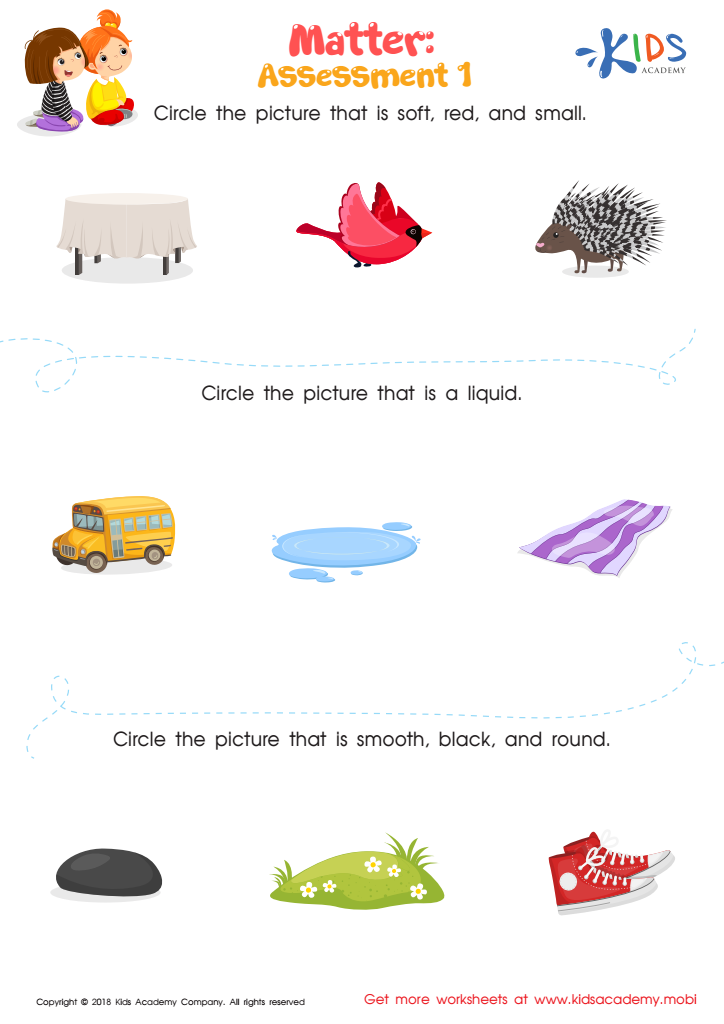
Matter: Assessment 1 Worksheet
 Assign to My Students
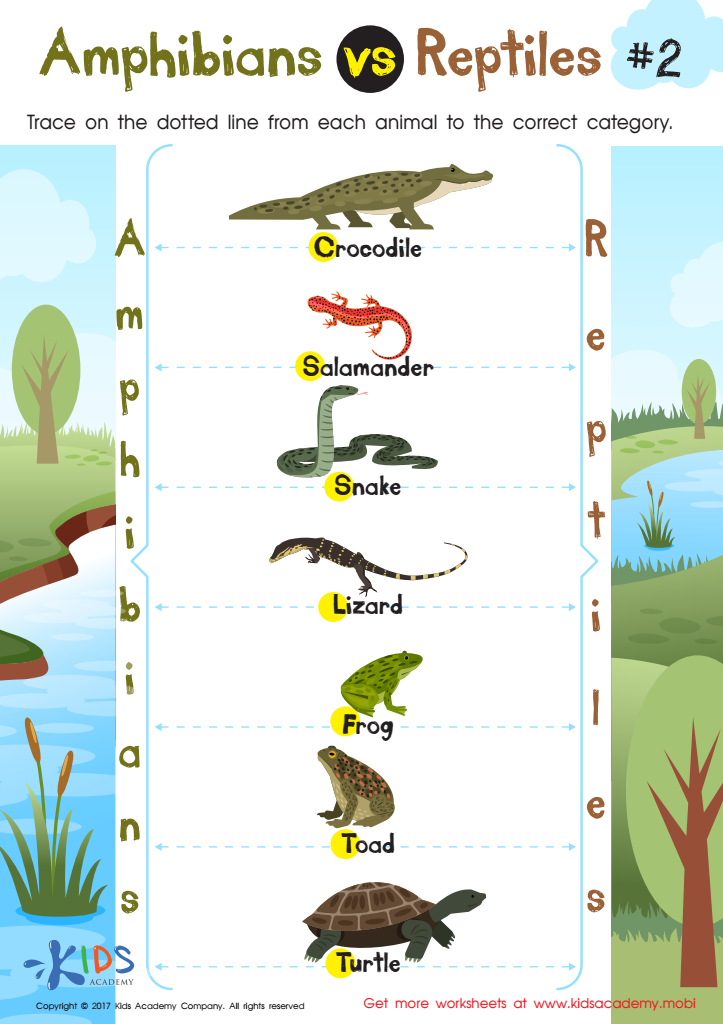
Amphibians vs Reptiles Worksheet for 3rd Grade
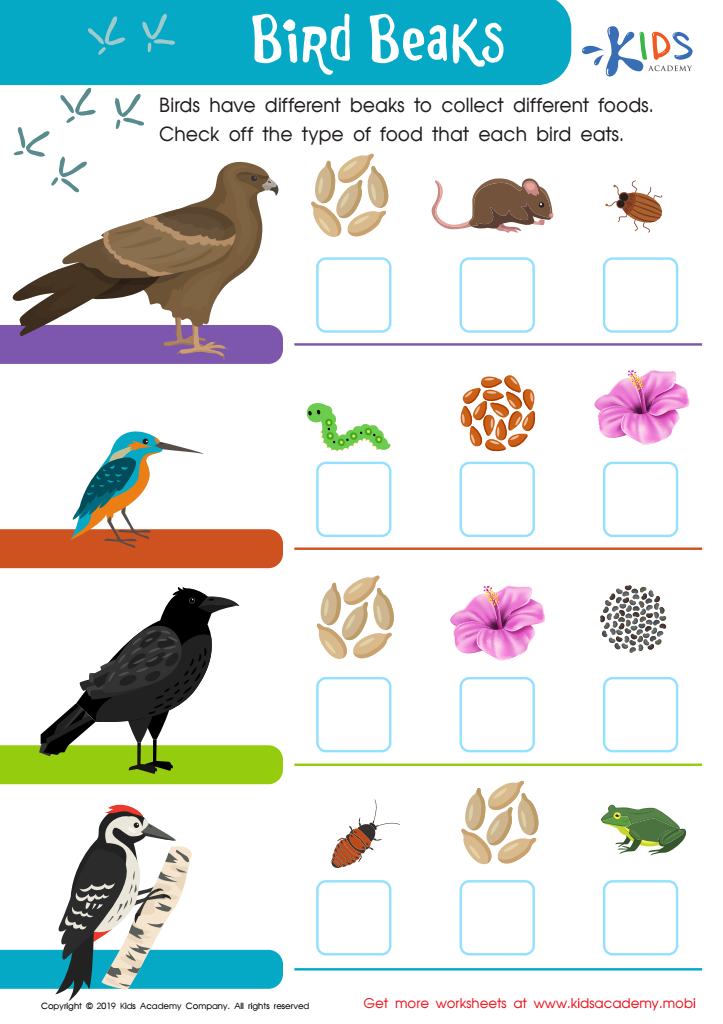
Bird Beaks Worksheet
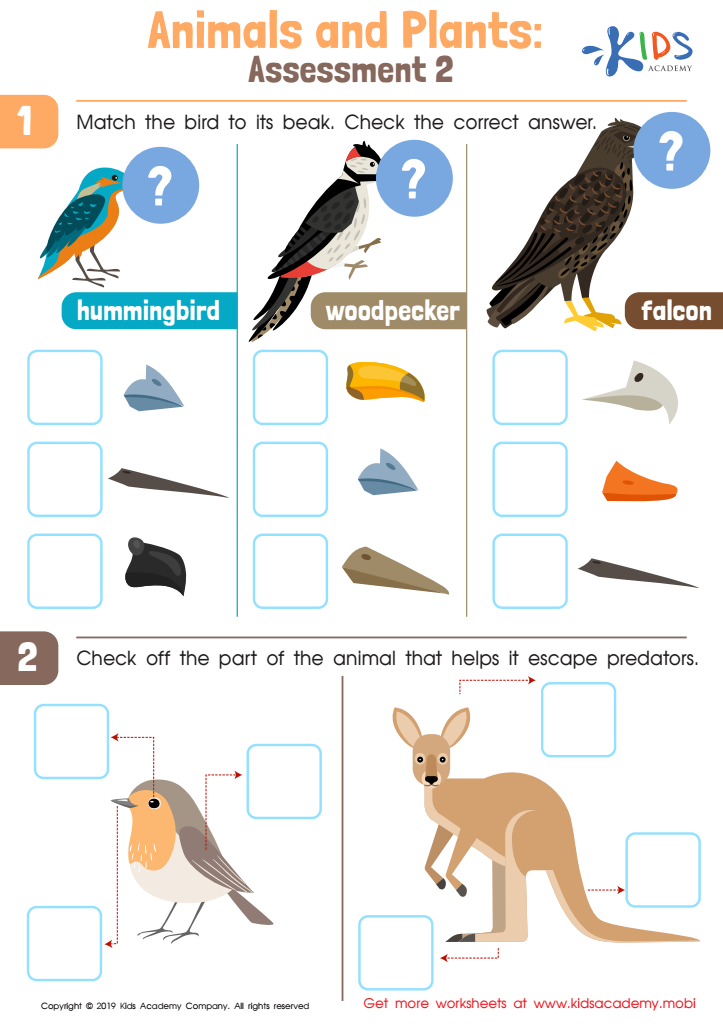
Animals and Plants: Assessment 2 Worksheet
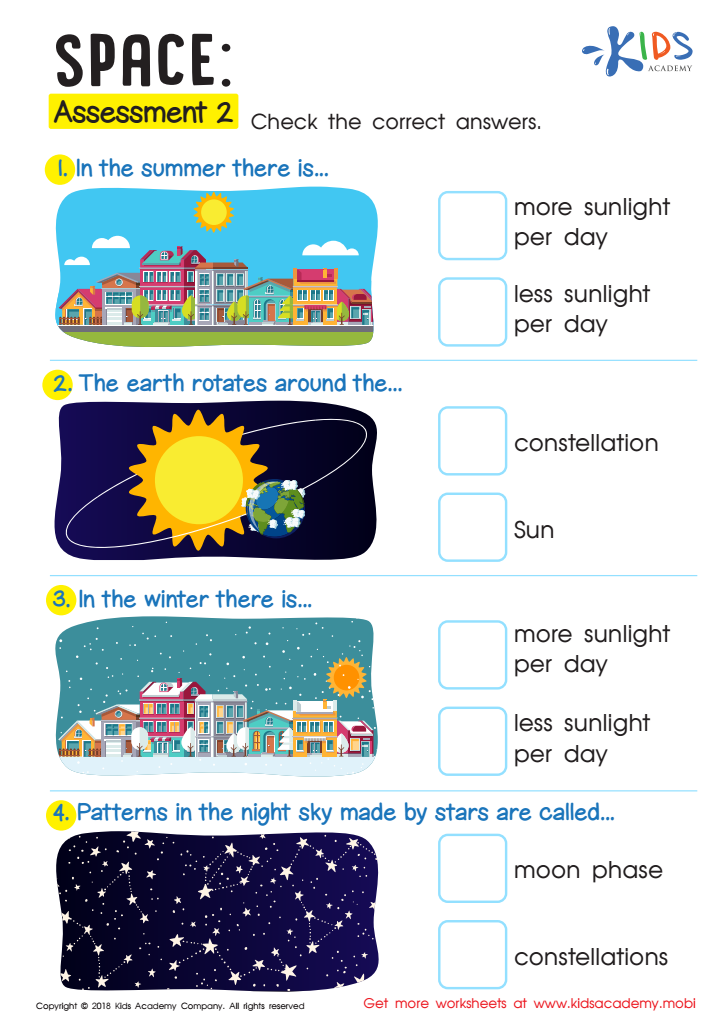
Space: Assessment 2 Worksheet



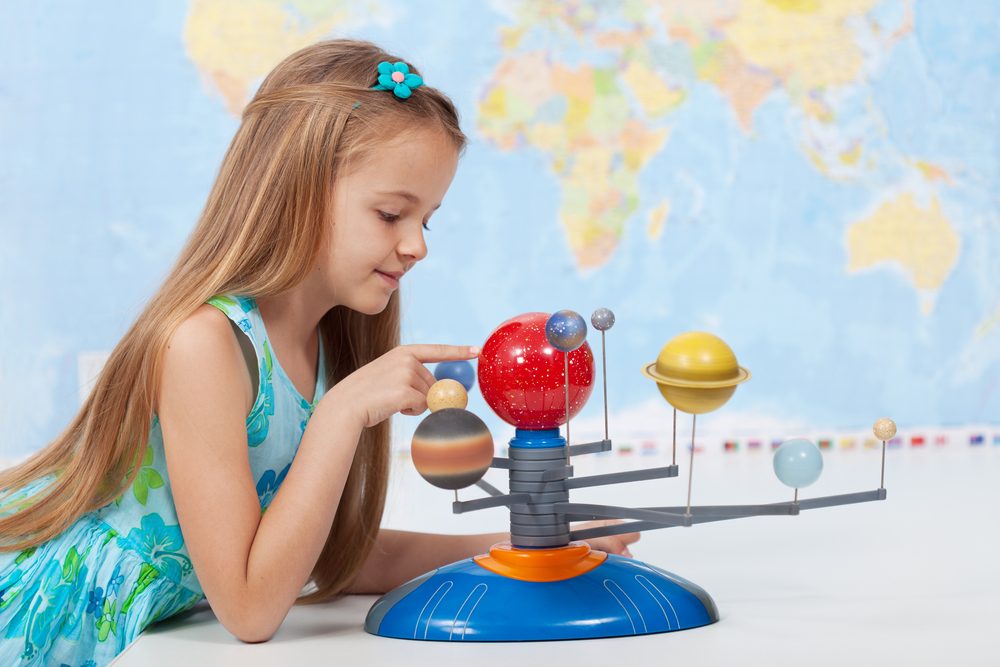

Classification skills are essential for children aged 7-8, especially within the context of Normal Science. At this developmental stage, children are beginning to think logically and systematically, which aids in their scientific understanding and critical thinking. By learning how to classify objects, animals, or phenomena, children develop organizational skills that improve their ability to categorize information and draw connections between concepts.
Teachers and parents should care about fostering these skills because they empower children to make sense of the world around them. Classification serves as a foundation for various scientific disciplines; it helps children understand biodiversity, ecosystems, and the relationships between different organisms. Additionally, the ability to classify enhances vocabulary development, as children learn specific terms related to characteristics and classifications, enriching their linguistic skills.
Moreover, these skills promote inquiry-based learning, encouraging children to ask questions and seek out answers about their environment. In a broader context, classification skills prepare young learners for higher levels of education by instilling a framework for scientific literacy. Supporting children in this essential aspect of learning equips them with critical thinking tools, improves their academic performance, and inspires a lifelong interest in science exploration.







