Critical Thinking Normal Plants and Animals Worksheets for Ages 7-8
5 filtered results
-
From - To
Enhance your child's understanding of plants and animals through our expertly designed Critical Thinking Normal Plants and Animals Worksheets for ages 7-8. These engaging worksheets, tailored to stimulate curiosity and analytical skills, encourage young learners to explore the fascinating world of flora and fauna. Through a variety of activities and questions, children will develop crucial critical thinking and observational abilities, laying a strong foundation for future scientific learning. The comprehensive topics aligned with school curriculums ensure both educational value and fun. Ignite a passion for science in your child with these dynamic worksheets available at Kids Academy!
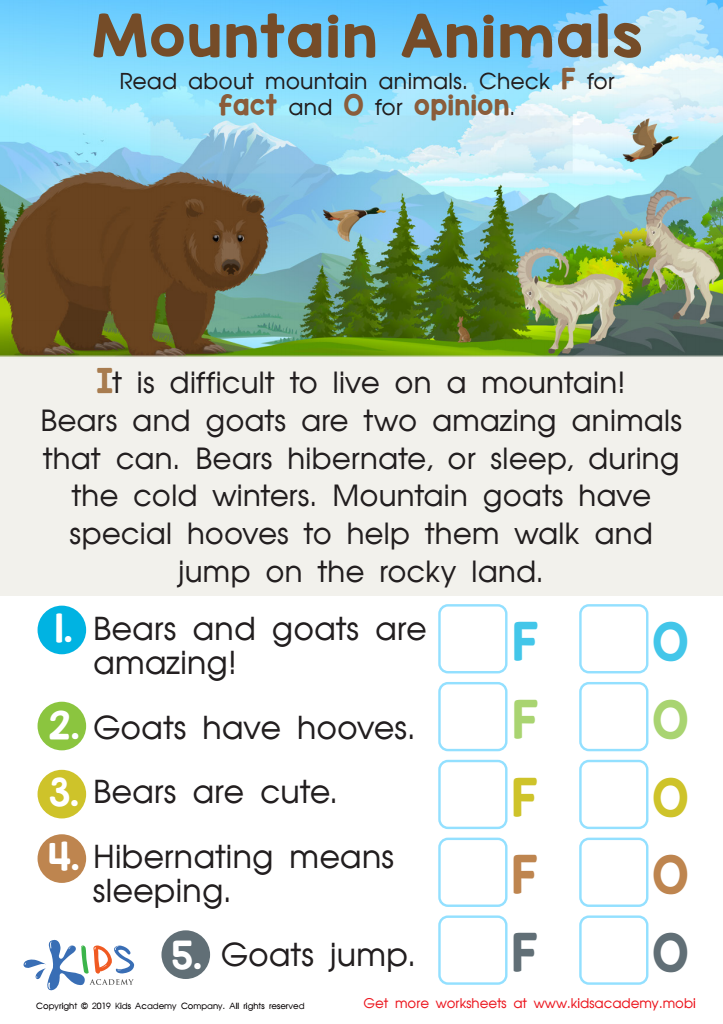
Mountain Animals Worksheet
 Assign to My Students
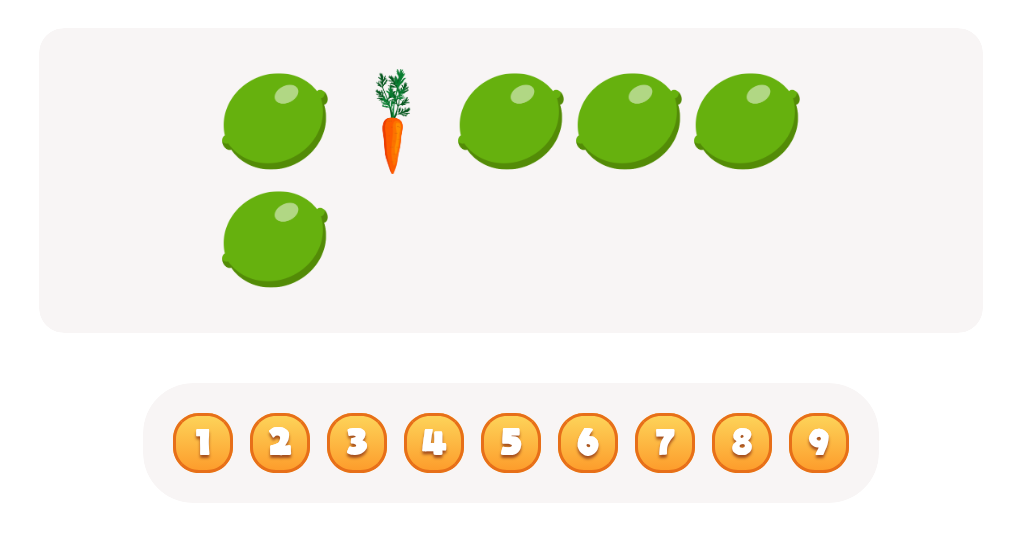

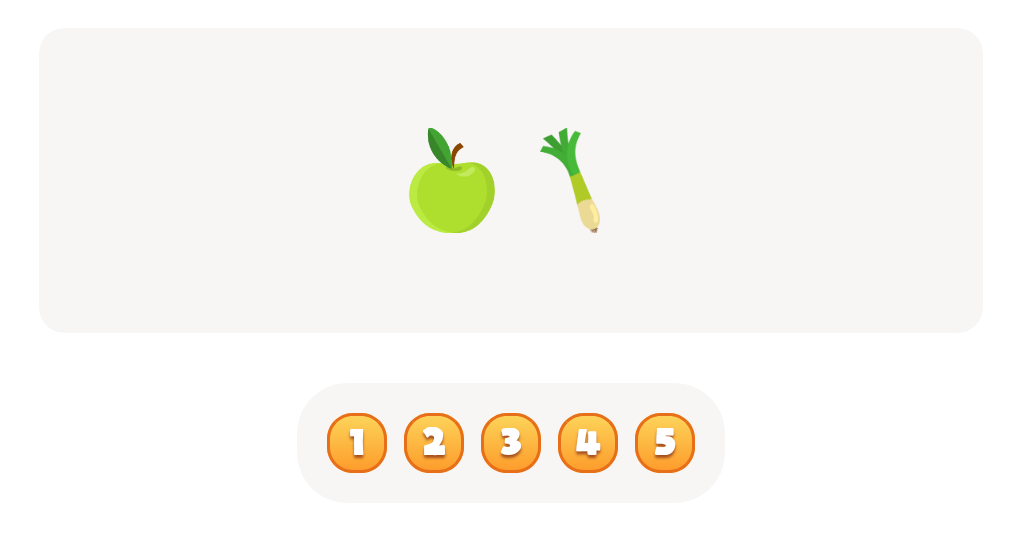
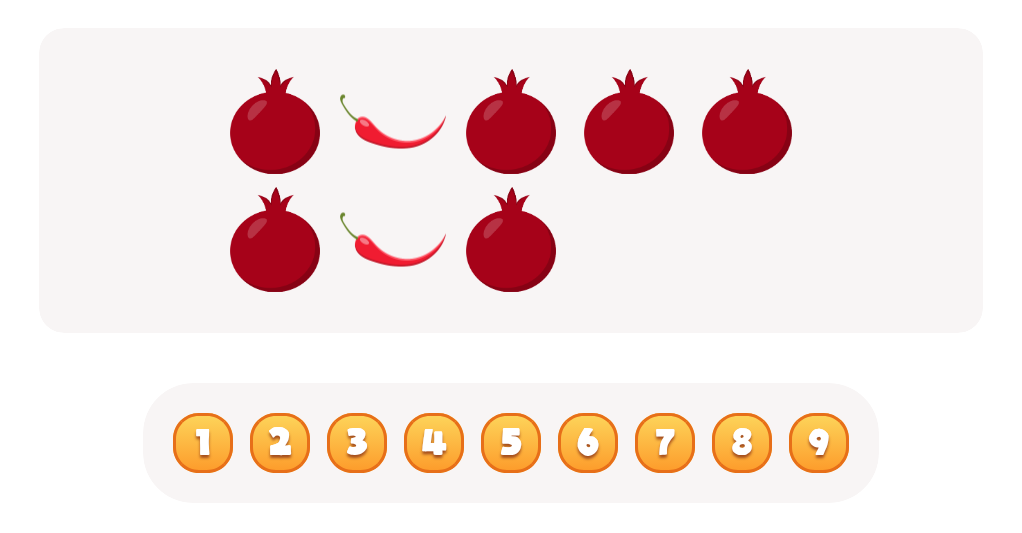
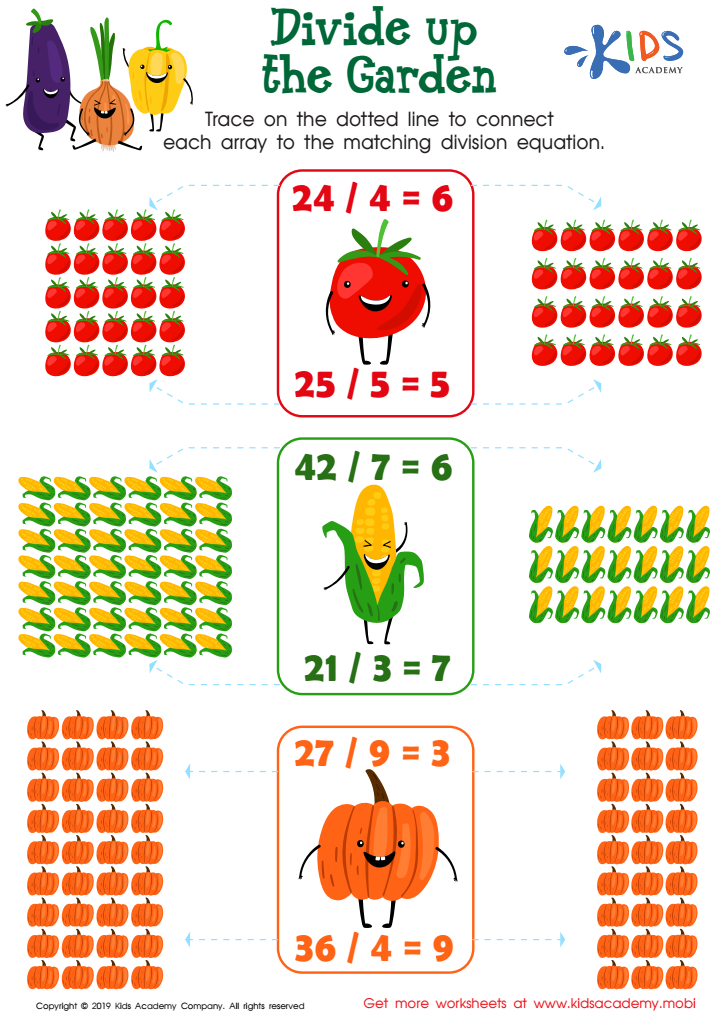
Divide up the Garden Worksheet
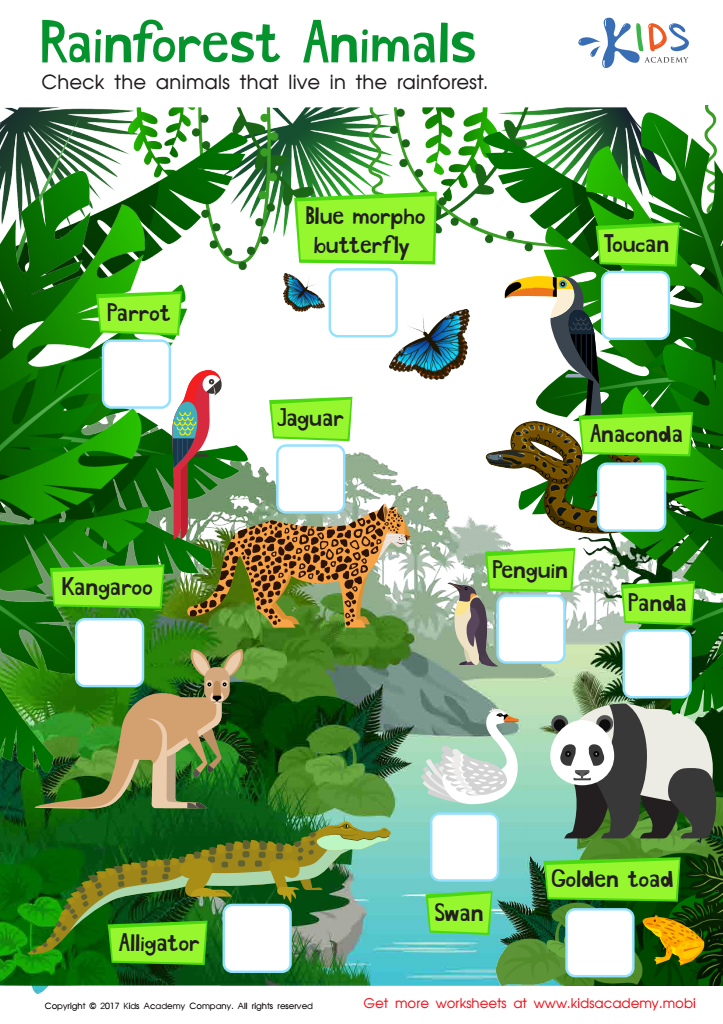
Rainforest Animals Worksheet
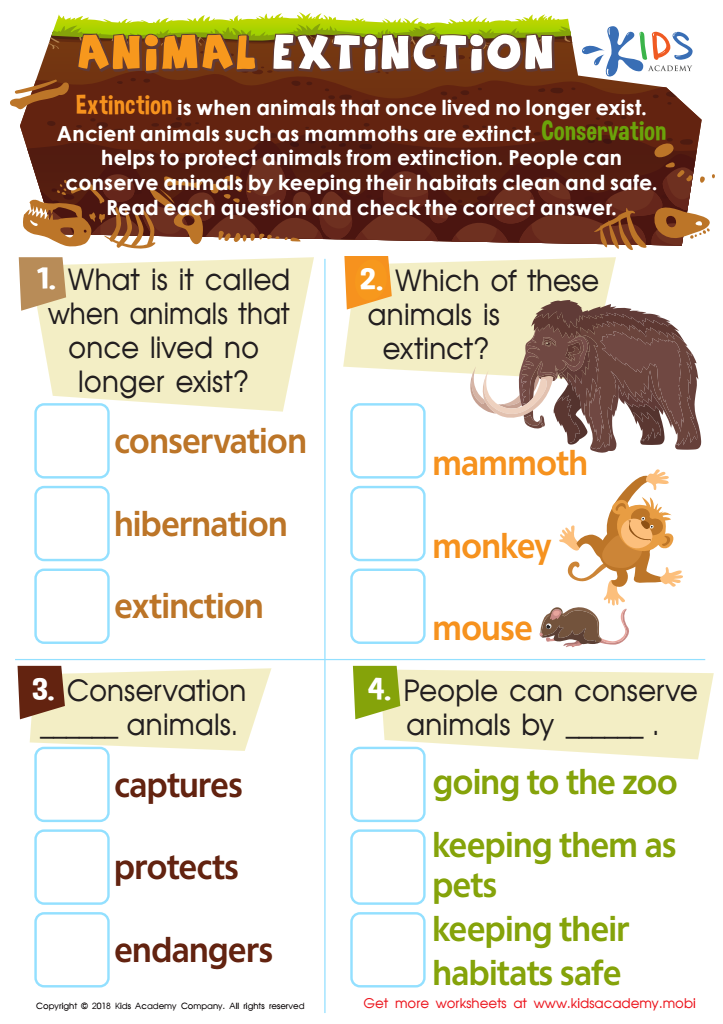
Animal Extinction Worksheet
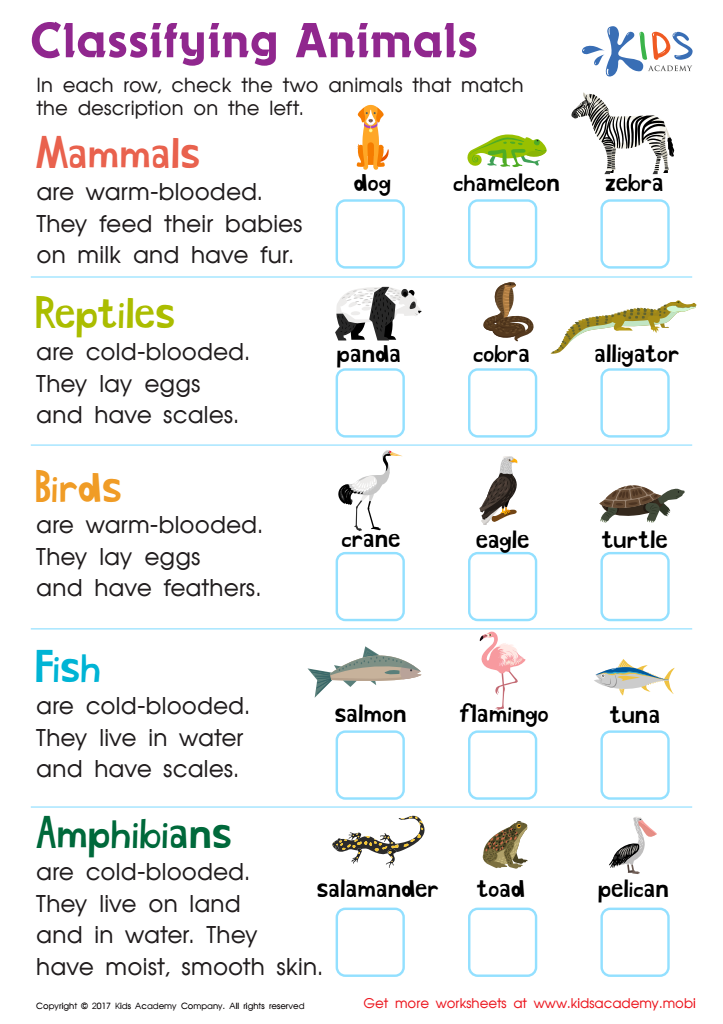
Classifying Animals Worksheet








Critical thinking skills are foundational for young learners, and engaging children ages 7-8 in authentic learning experiences about normal plants and animals plays a pivotal role. At this age, young minds are exceptionally curious and eager to understand the world around them. Teaching them to think critically about nature encourages observation, analysis, and questioning, which are essential components of scientific and cognitive development.
By exploring plants and animals, children learn to distinguish facts from assumptions, fostering a deeper understanding of biology and ecosystems. For instance, discussing why plants need sunlight helps them analyze causality, while observing different animal behaviors cultivates attention to detail and comparative thinking. These activities nurture wonder and respect for the environment, laying a groundwork for lifelong ecological awareness.
Moreover, these critical thinking exercises translate to better problem-solving skills in everyday scenarios, promoting intellectual growth across subjects. When children understand how to categorize and evaluate information regarding plant and animal interactions, they build skills useful in mathematics, reading comprehension, and even social conflict resolution.
Ultimately, fostering critical thinking through the study of nature not only bolsters academic successes but also enriches personal development, curiosity, and ethical outlook, all vital for holistic growth in young learners.







