Reading comprehension Normal Social Studies Worksheets for Ages 7-8 - Page 2
50 filtered results
-
From - To
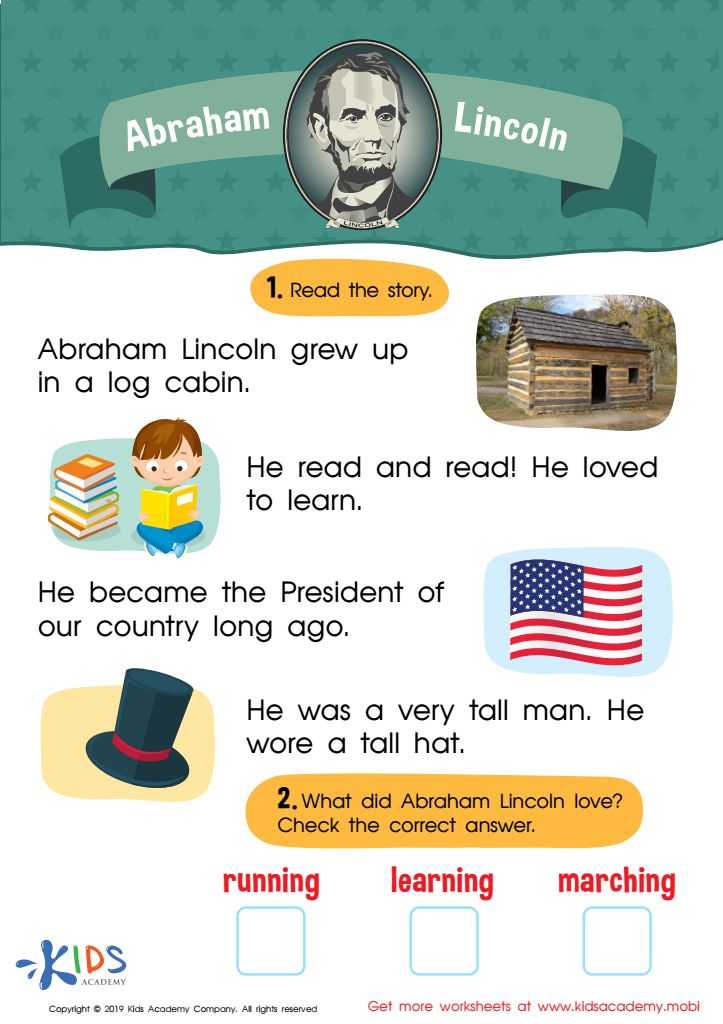
Abraham Lincoln Worksheet
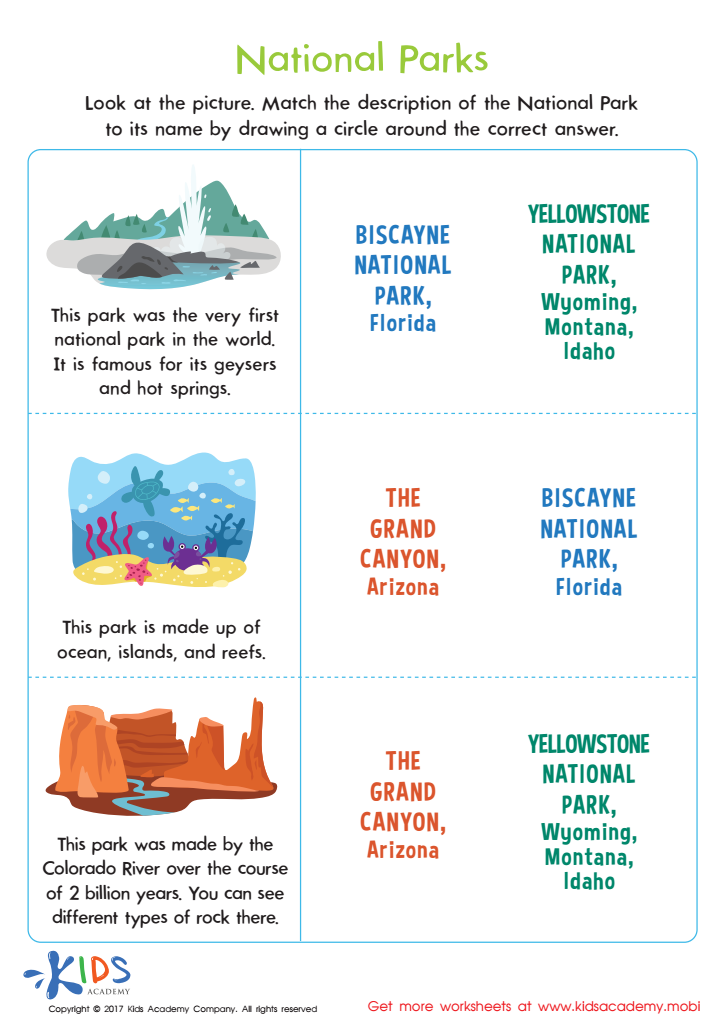
National Parks Printable
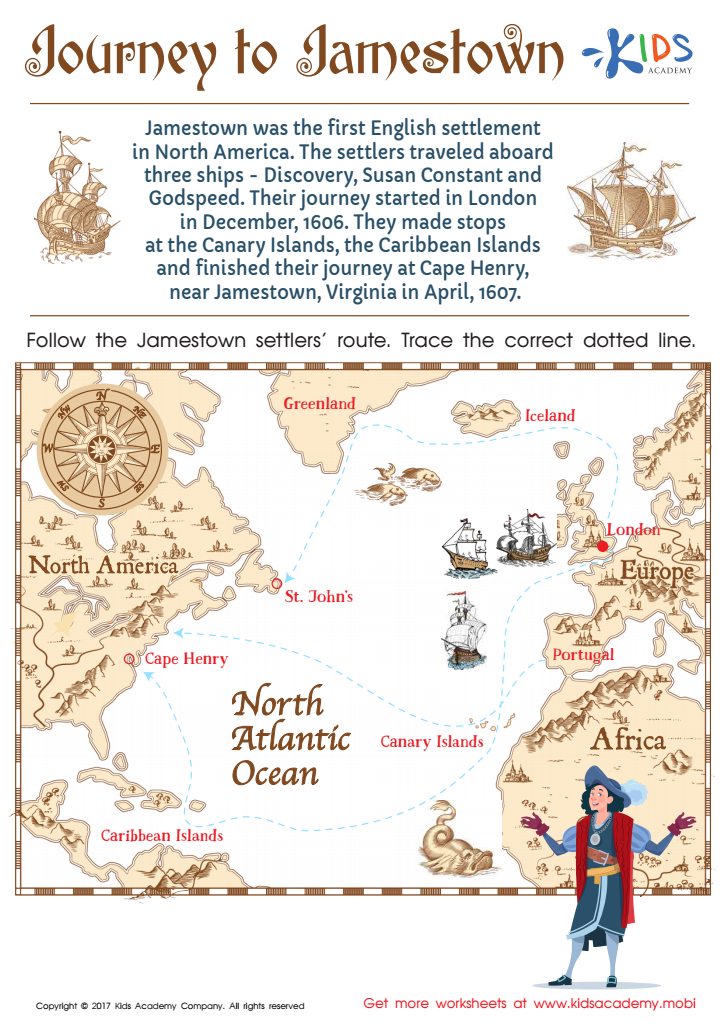
Journey to Jamestown Worksheet
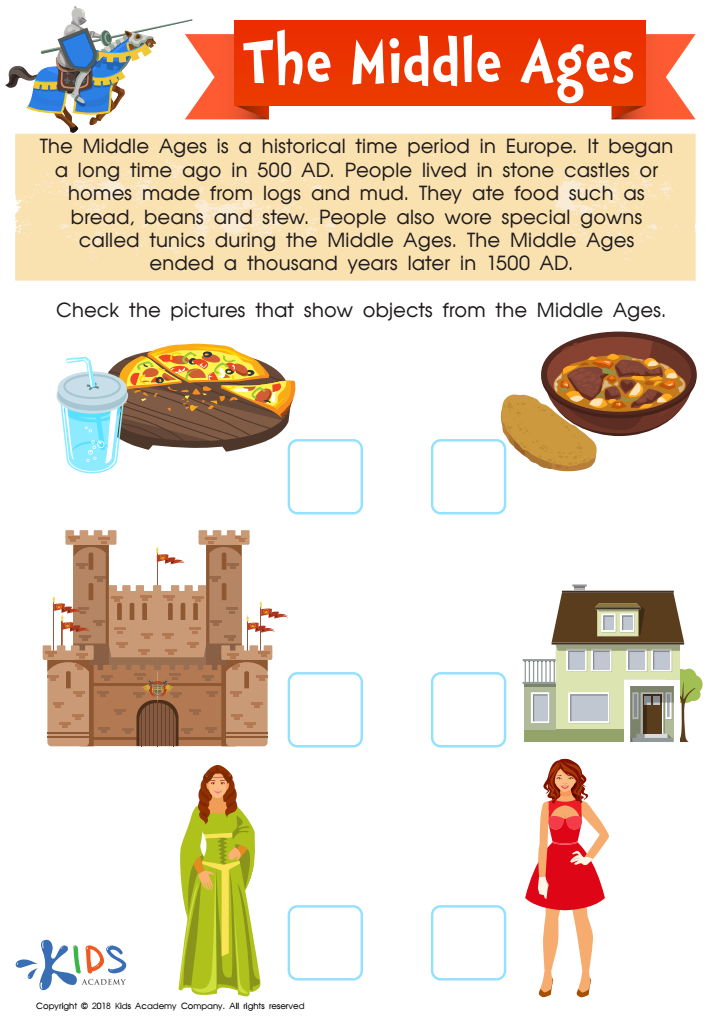
The Middle Ages Worksheet
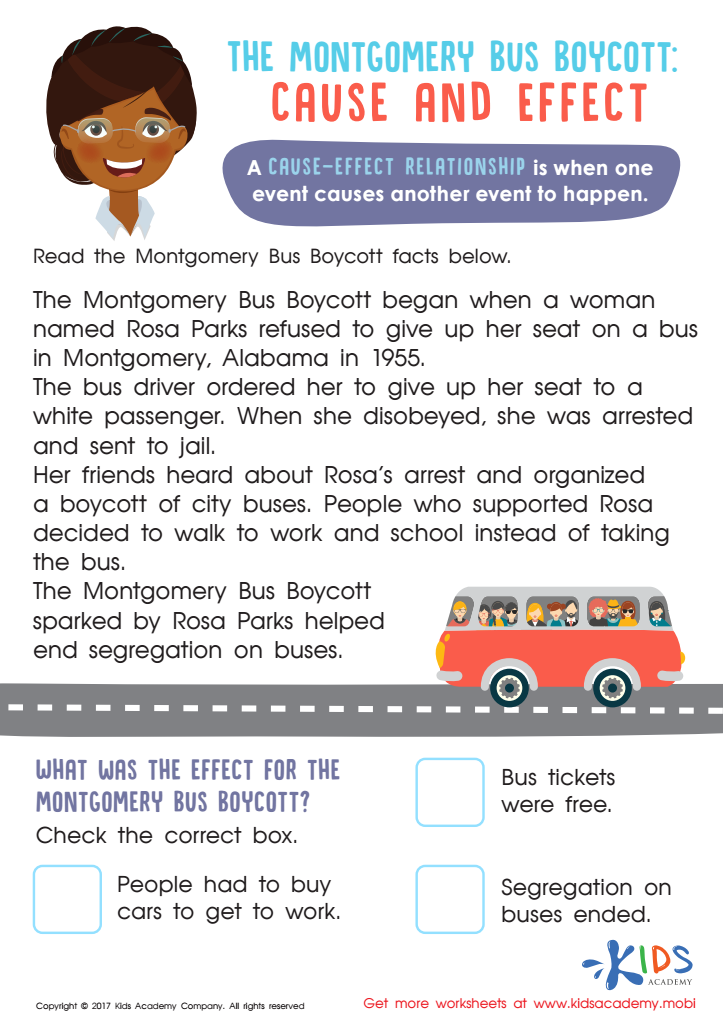
The Montgomery Bus Boycott Cause and Effect Worksheet
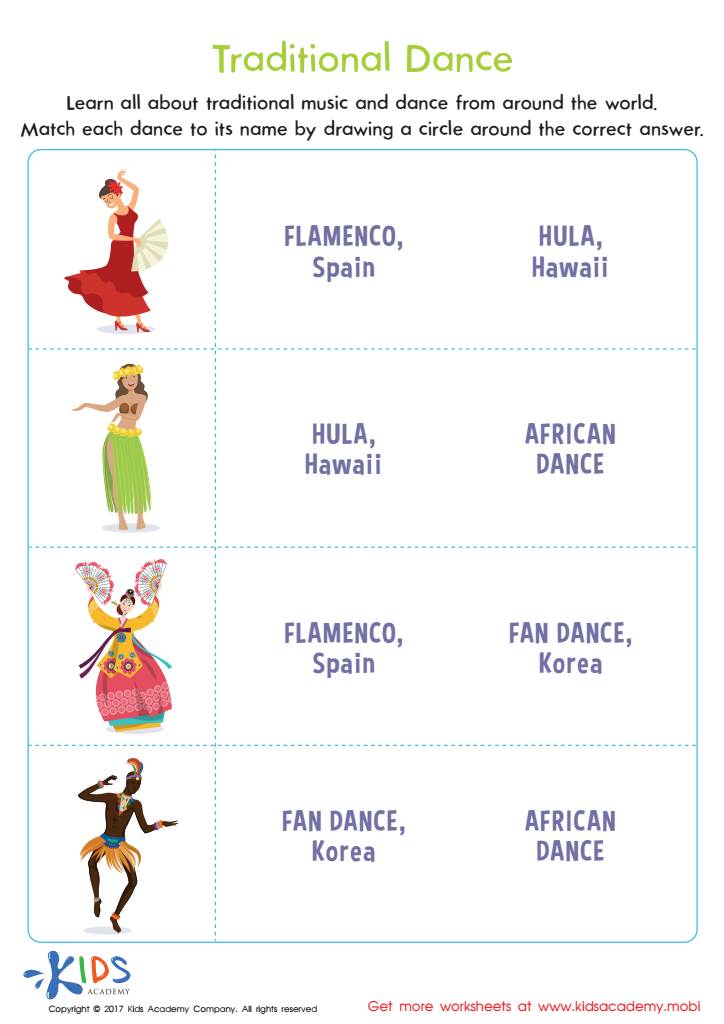
Traditional Dance Printable
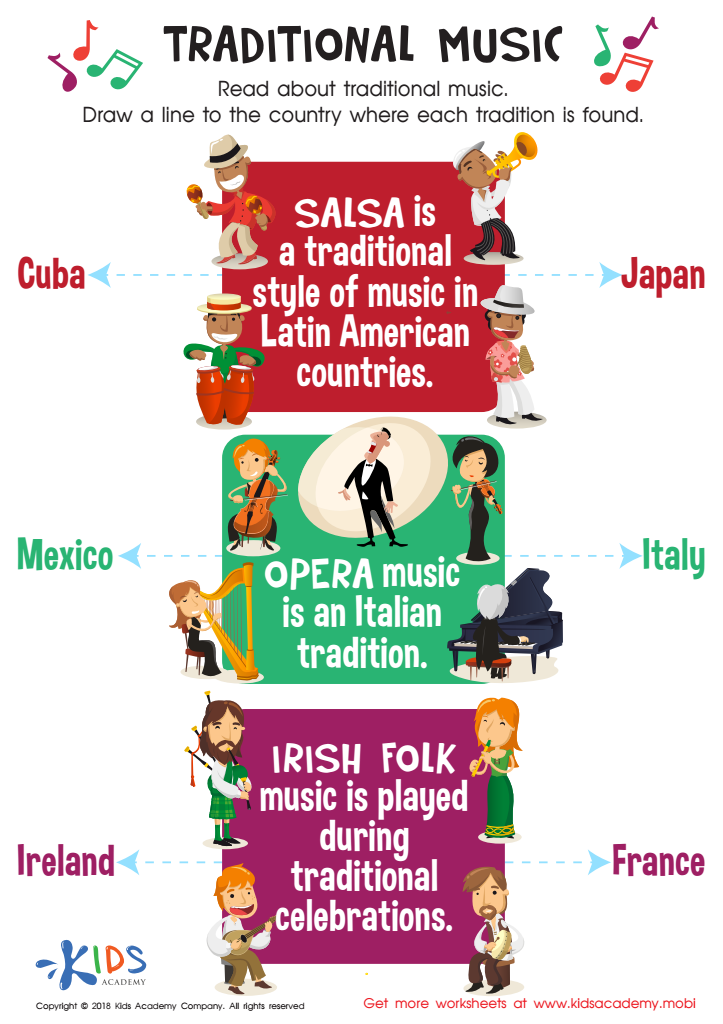
Traditional Music Worksheet
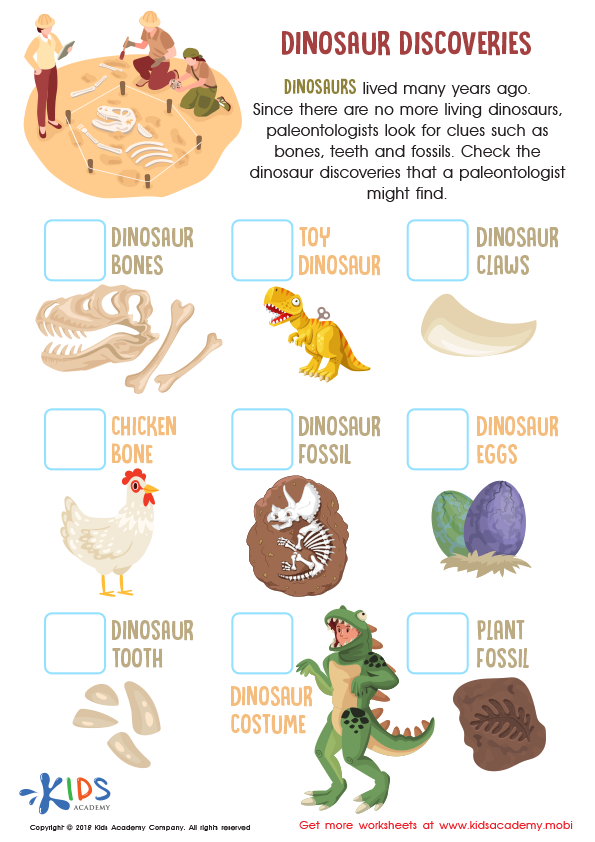
Dinosaur Discoveries Worksheet
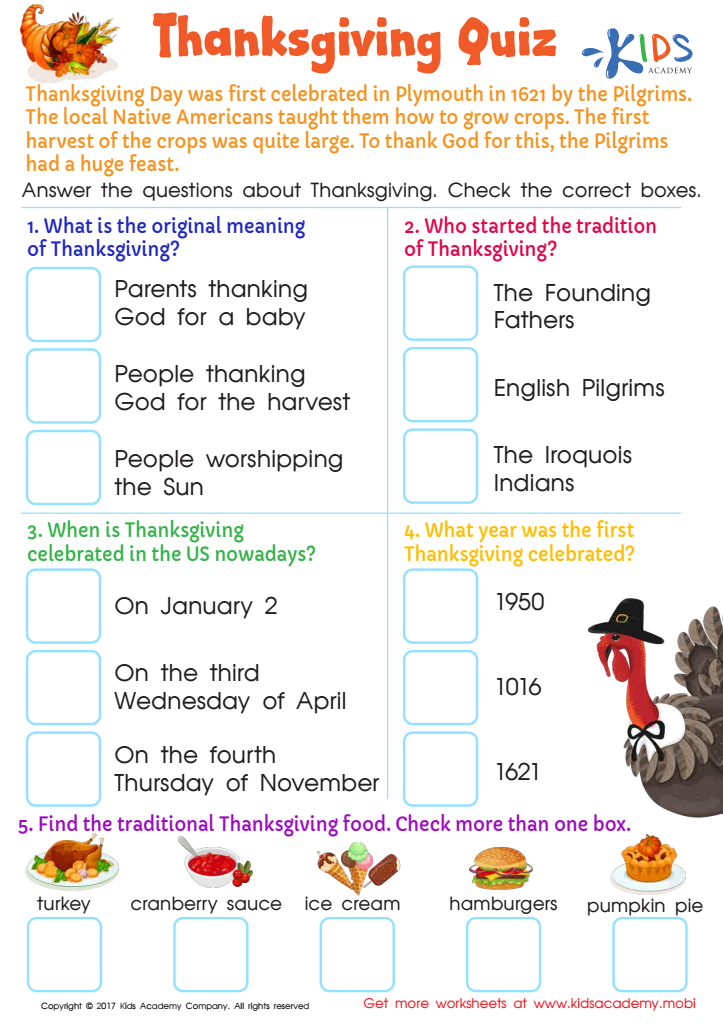
Thanksgiving Quiz Worksheet
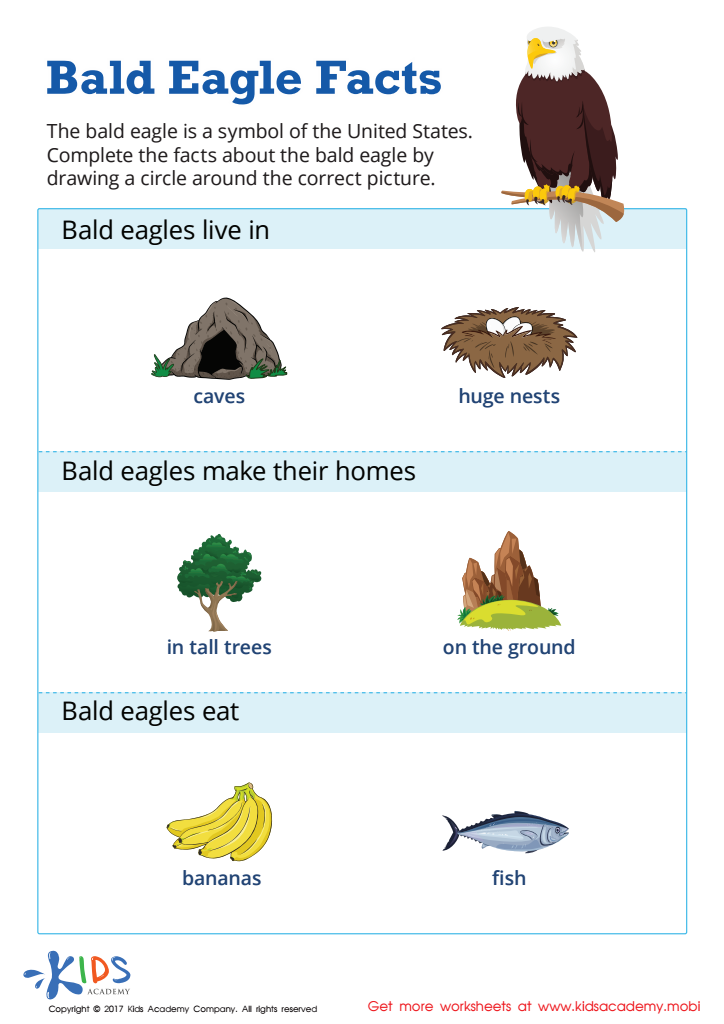
Bald Eagle Facts Worksheet
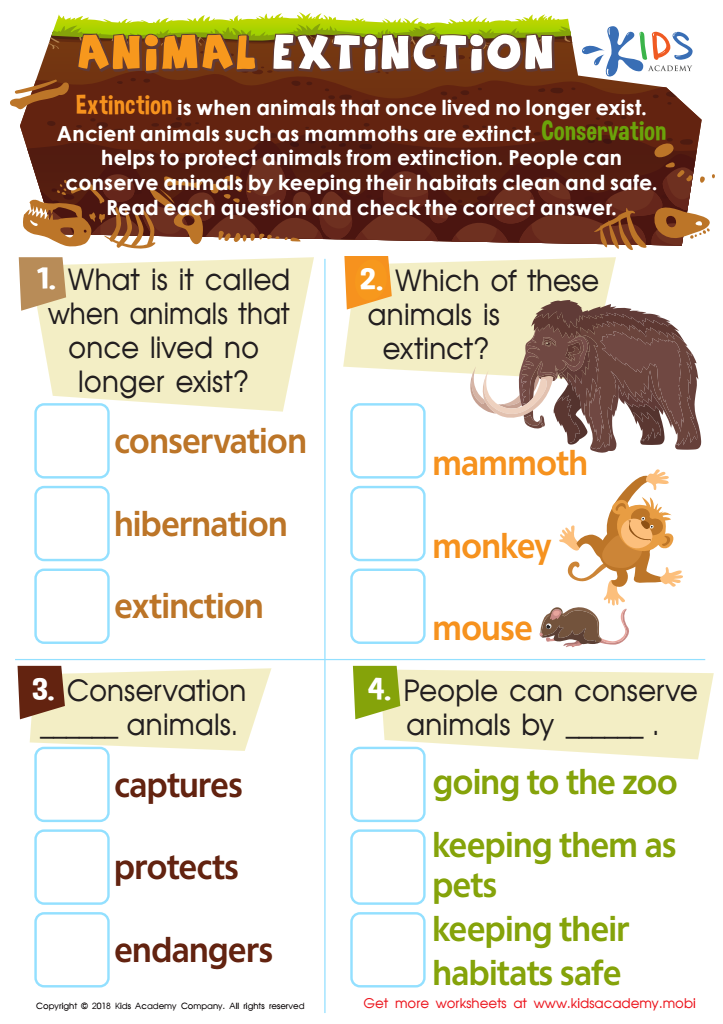
Animal Extinction Worksheet
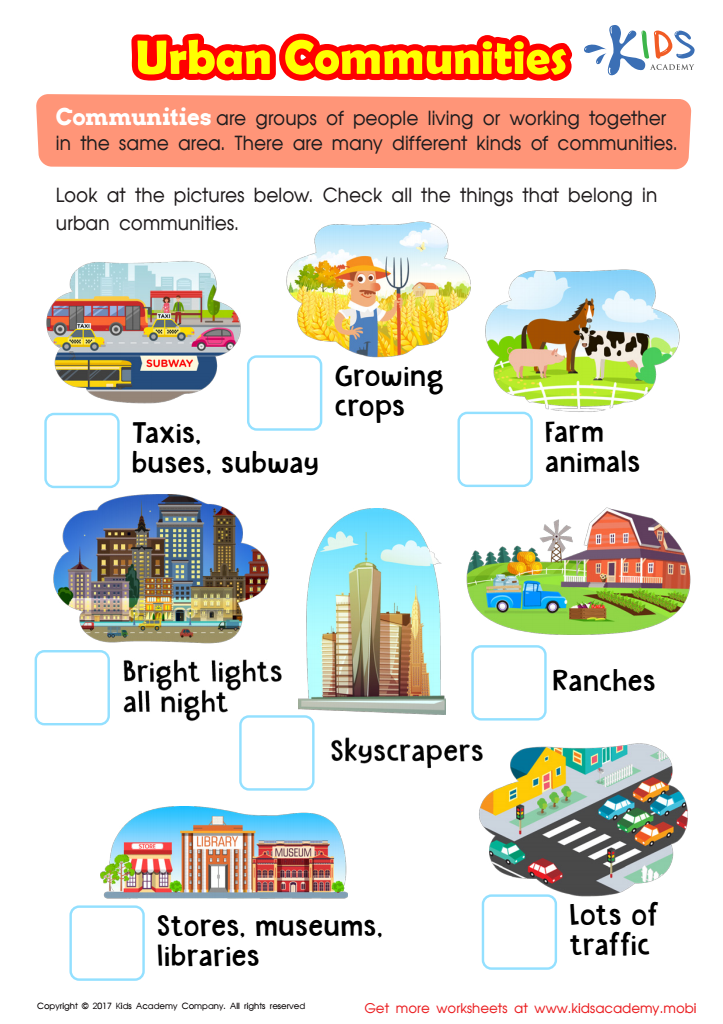
Urban Communities Printable
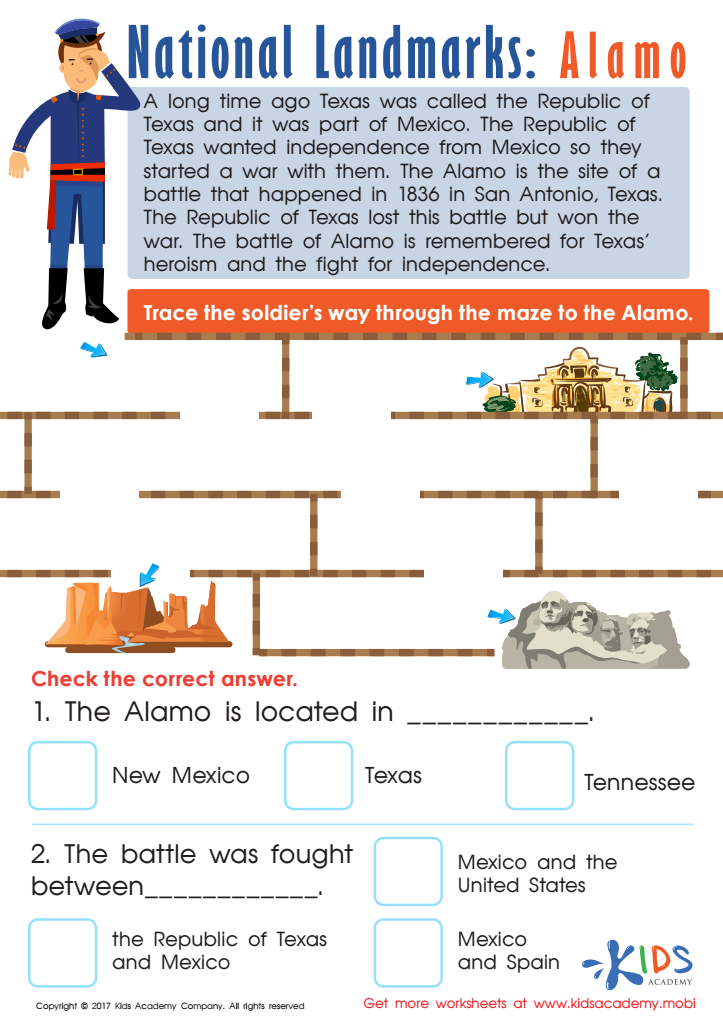
Alamo Printable Worksheet
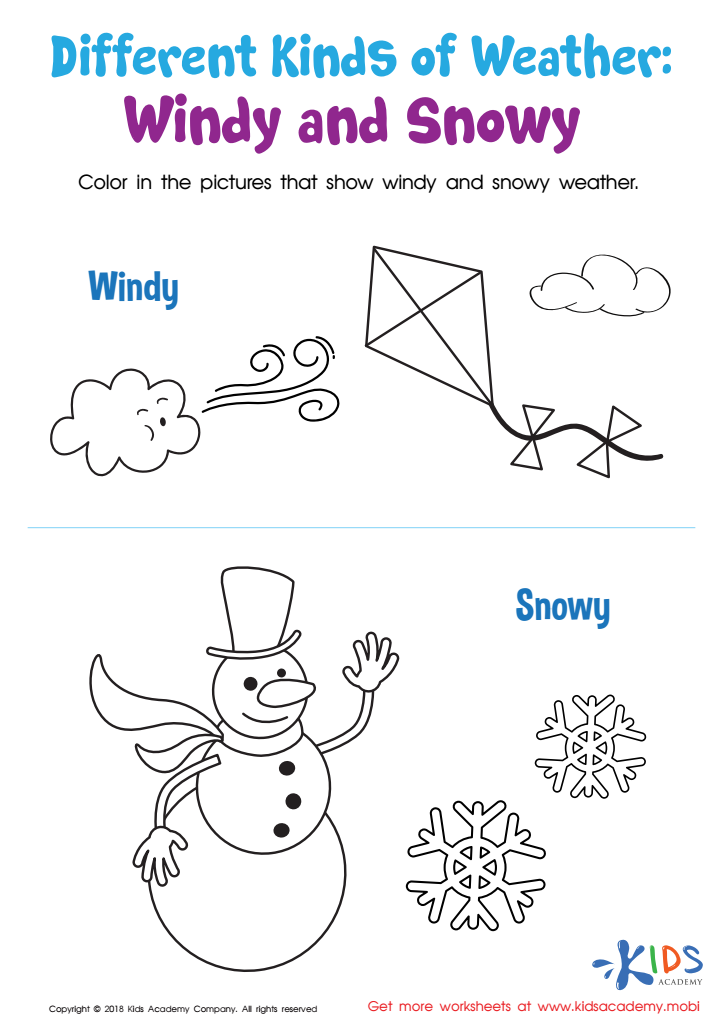
Different Kinds of Weather: Windy and Snowy Worksheet
 Assign to My Students
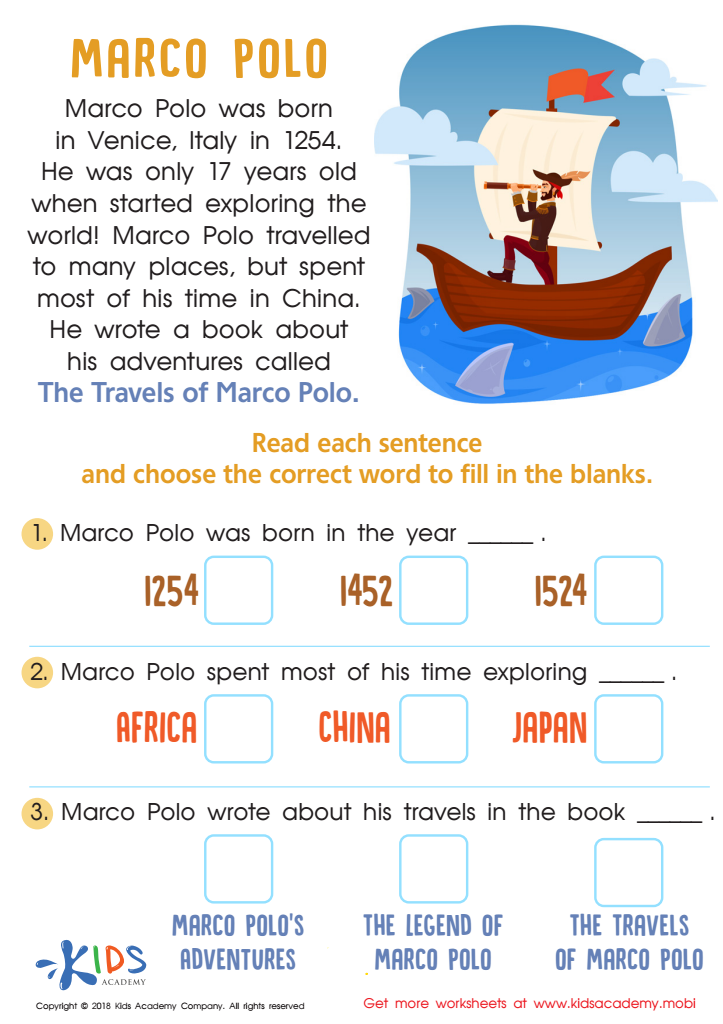
Marco Polo Worksheet
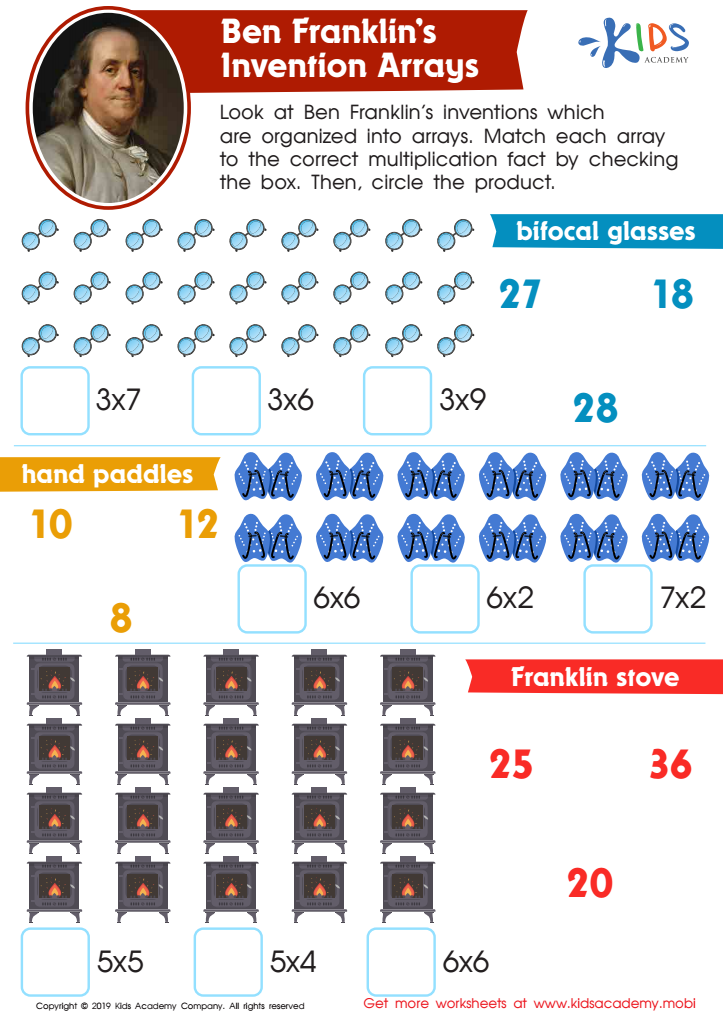
Ben Franklin’s Invention Arrays Worksheet
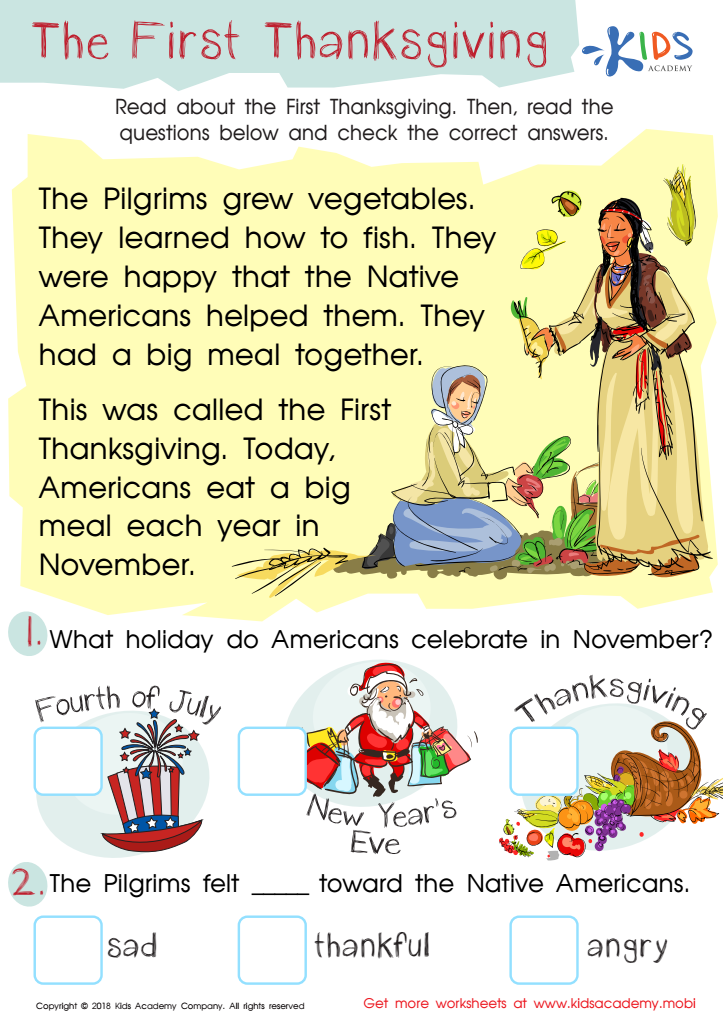
Assessment: First Thanksgiving Worksheet
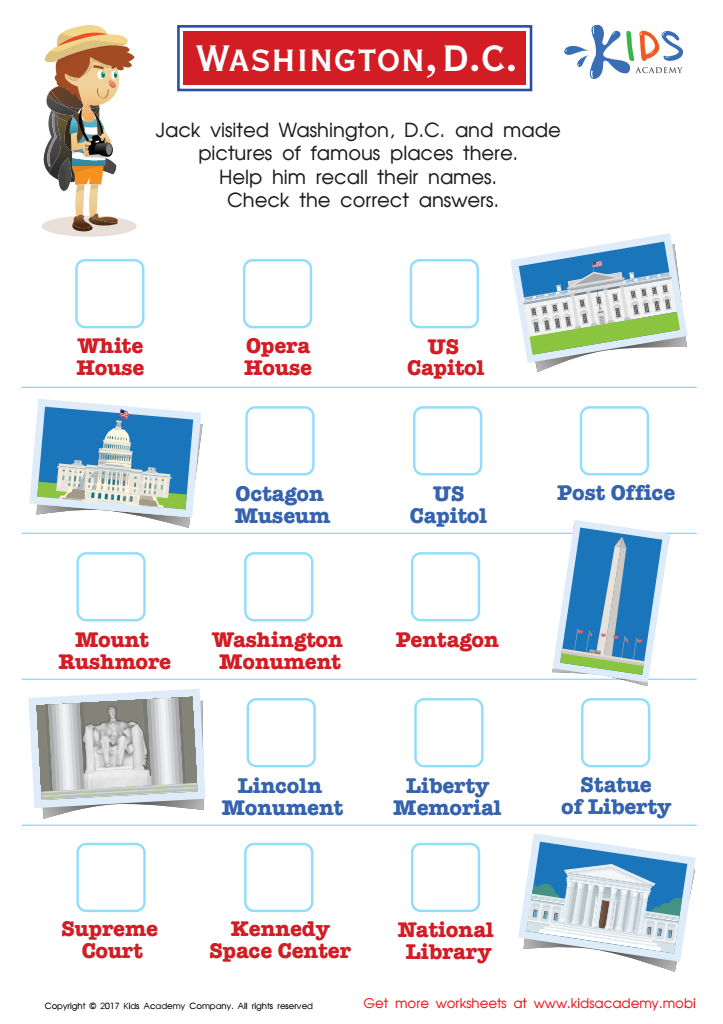
Washington D.C. Printable Worksheet
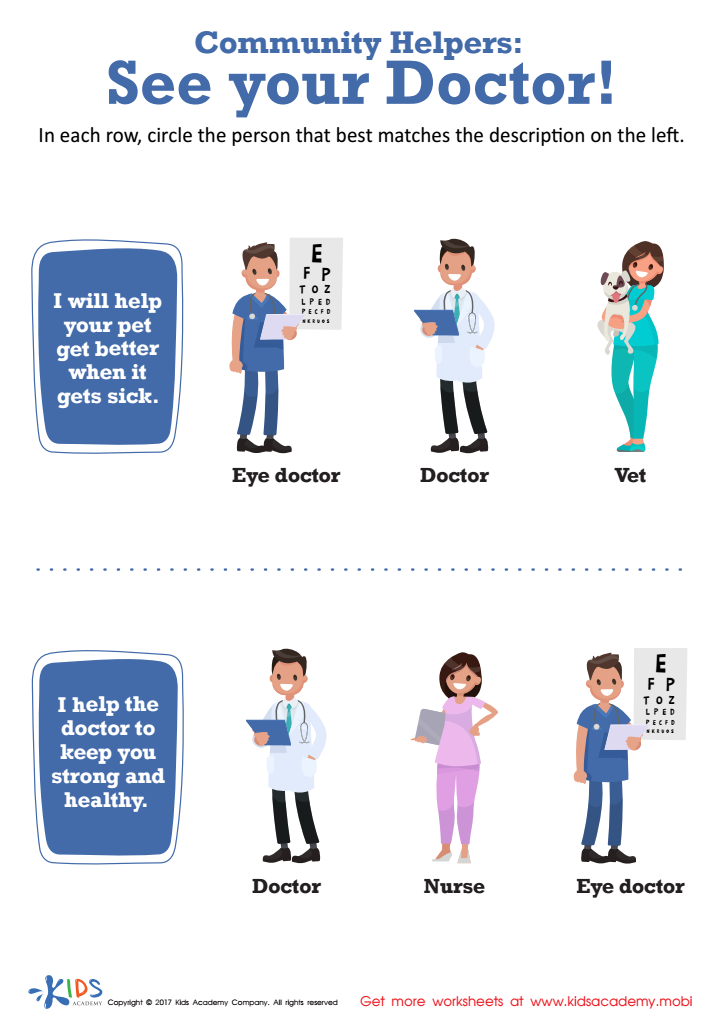
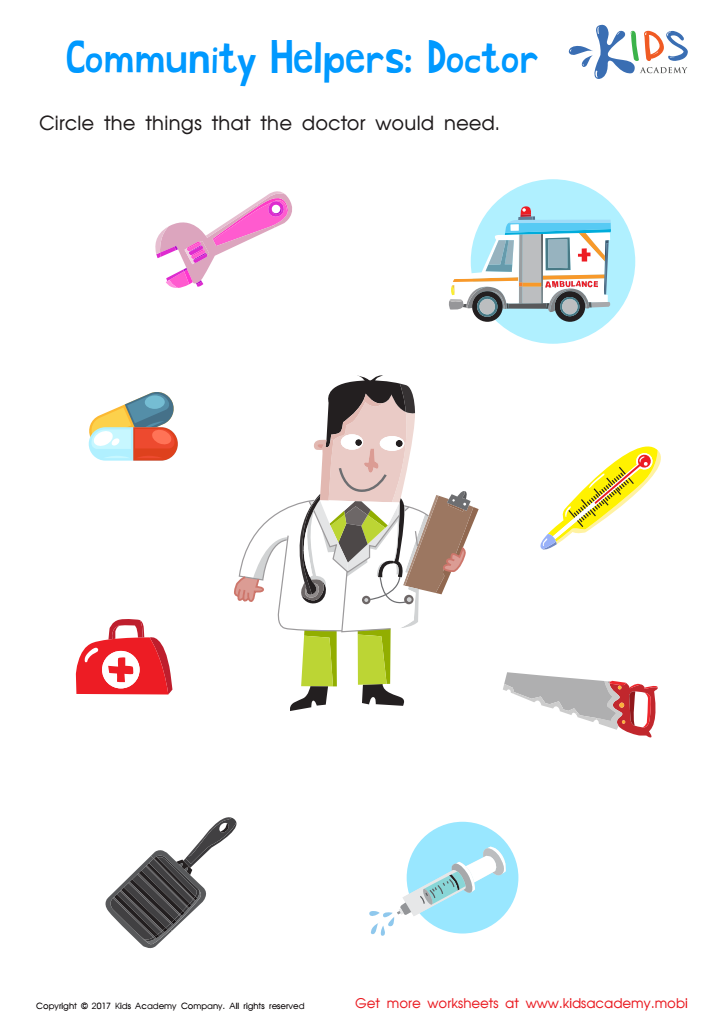
See Your Doctor (Part 2) Printable
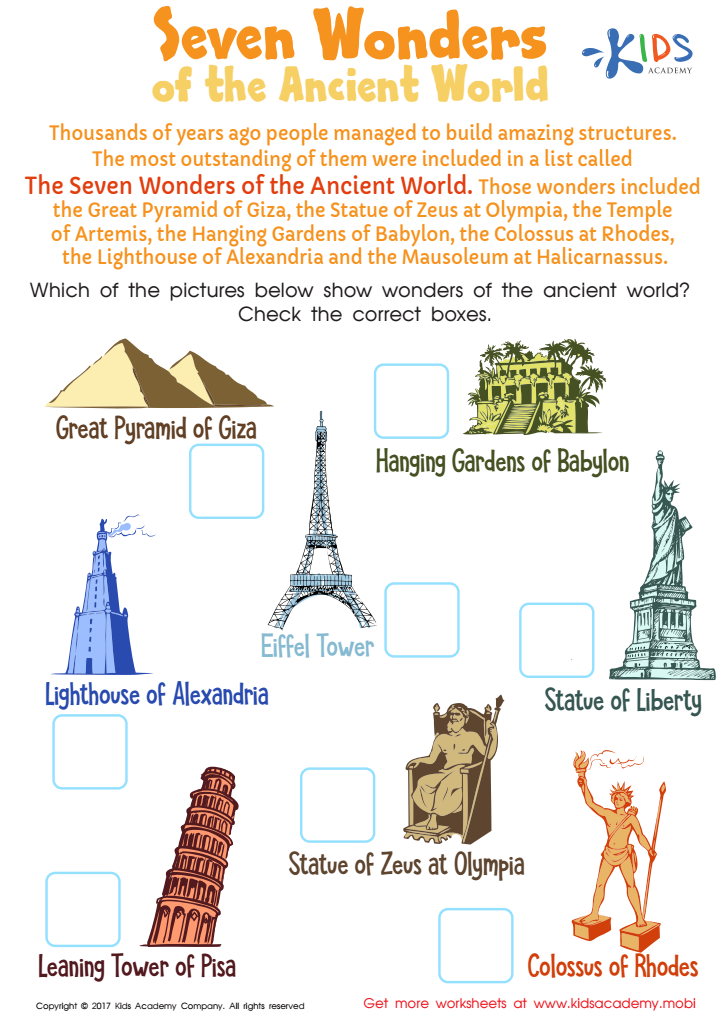
Seven Wonders of the Ancient World Worksheet
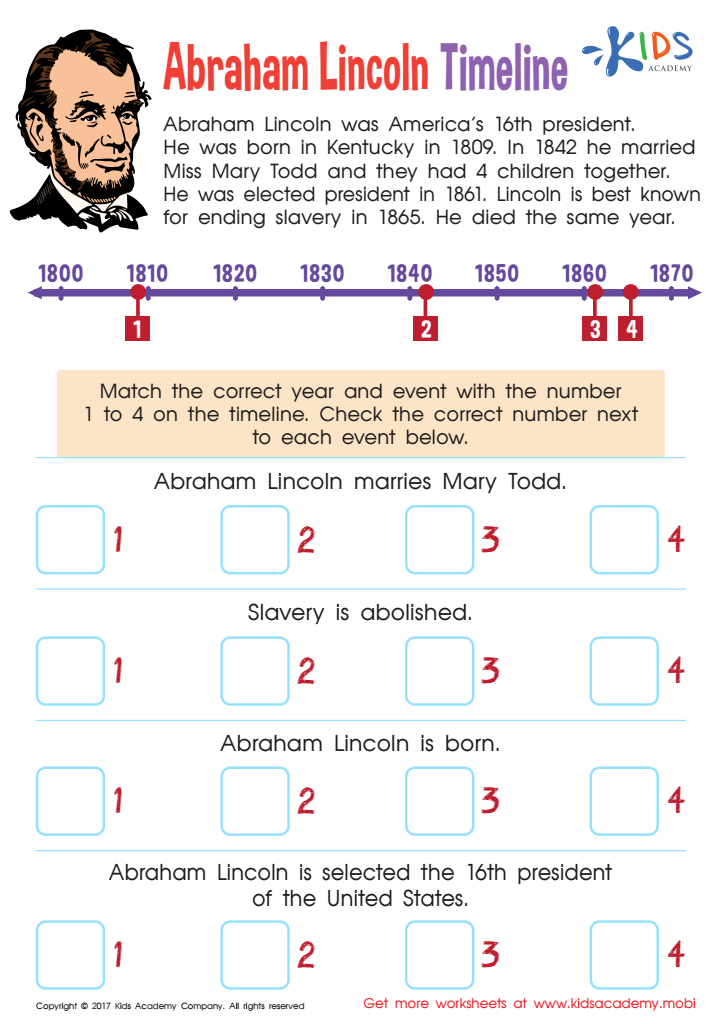
Abraham Lincoln Timeline Worksheet
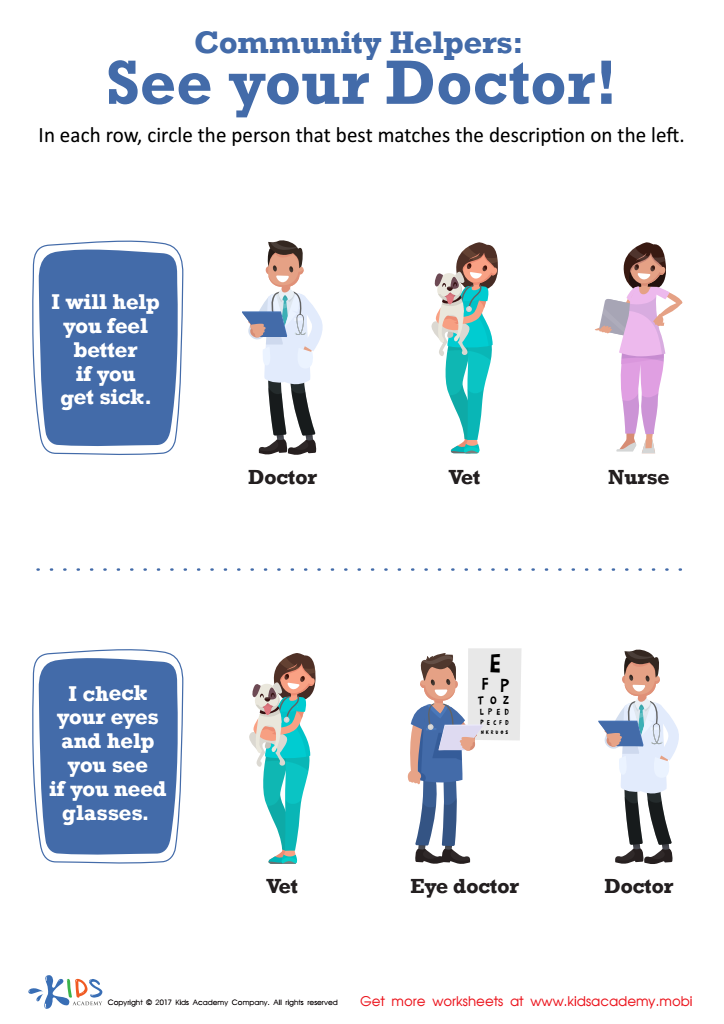
See Your Doctor (Part 1) Printable
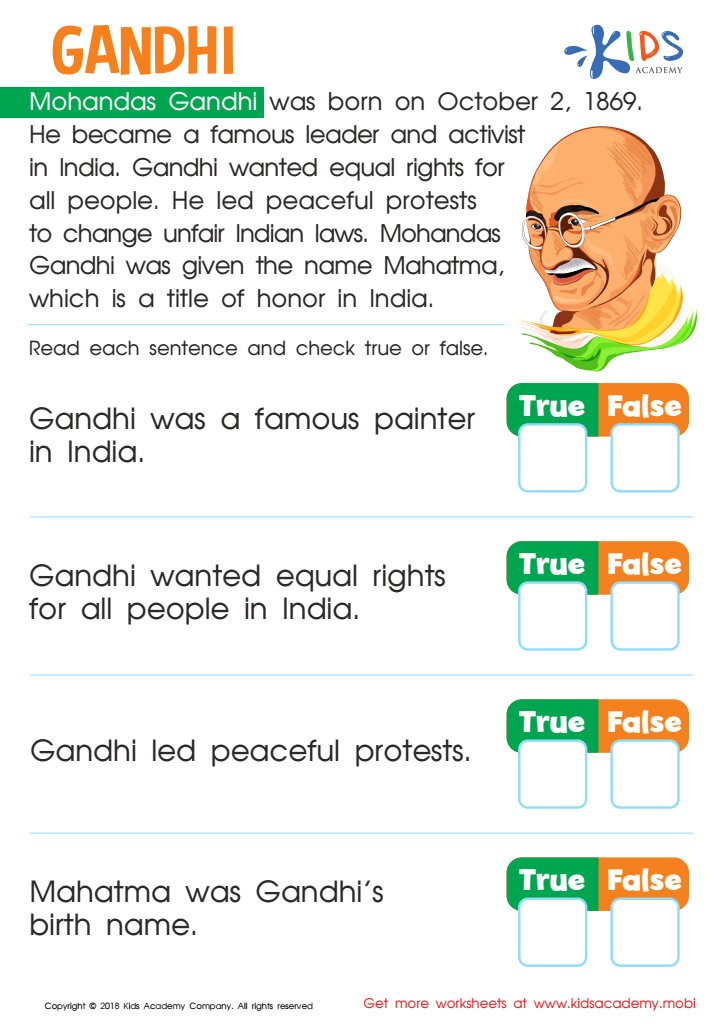
Gandhi Worksheet








Reading comprehension in social studies is vital for children aged 7-8 as it forms the foundation for critical thinking and informed citizenship. At this age, children begin to engage with more complex ideas about society, culture, and history. Understanding social studies materials helps them make connections between text and the world around them, fostering a deeper appreciation for diverse perspectives and social narratives.
For parents and teachers, promoting reading comprehension in social studies encourages students to engage with their community and understand civic responsibilities. This age group develops essential skills such as summarizing information, identifying main ideas, and making inferences—all crucial for academic success in later grades. By improving reading comprehension skills, children become more confident in expressing their thoughts and asking questions about their environment.
Additionally, fostering a love for reading within the context of social studies can enhance overall literacy. When children comprehend what they read, they develop a lifelong interest in learning about their world. This understanding not only empowers children academically but also prepares them to be thoughtful, informed adults who actively participate in society. In summary, ensuring strong reading comprehension skills in social studies benefits both individual learners and the broader community.