Sound recognition Normal Phonics Worksheets for Ages 7-9
10 filtered results
-
From - To
Discover our engaging Sound Recognition Normal Phonics Worksheets, specially designed for children ages 7-9! These worksheets enhance phonetic awareness by focusing on identifying sounds in words, making learning both fun and effective. Our meticulously crafted activities support early readers by reinforcing sound-letter relationships and spelling skills. With a variety of colorful and interactive exercises, kids will develop confidence in their phonics abilities, helping them become proficient readers. Perfect for classroom use or at-home practice, these worksheets are an invaluable resource for teachers and parents alike. Equip your child with essential literacy skills today!
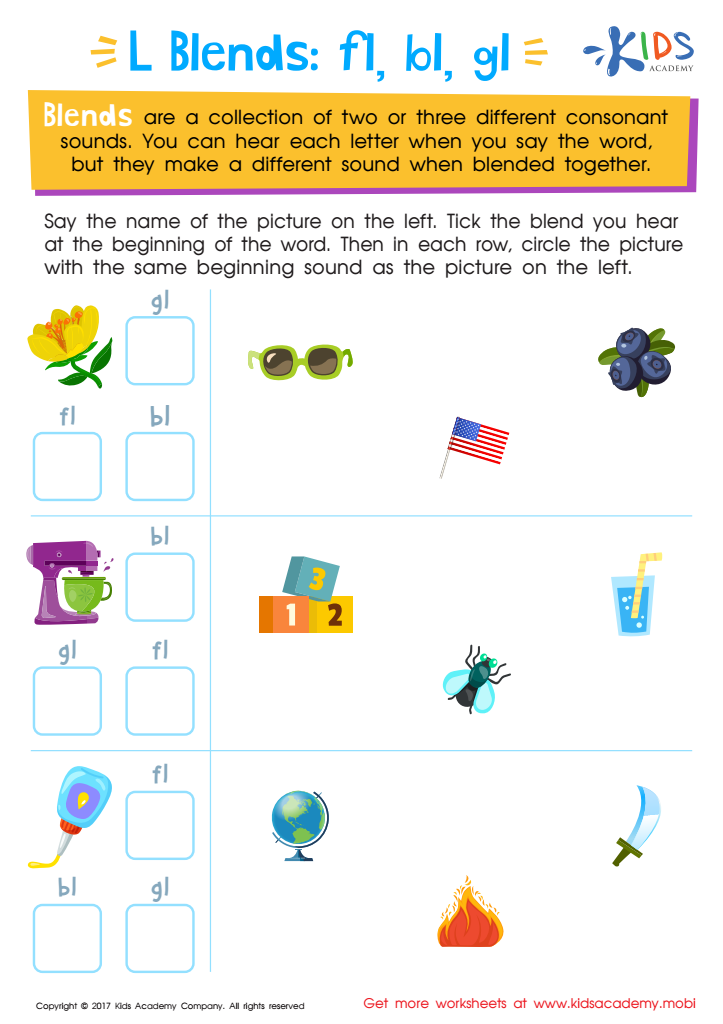
Blending Consonants: "Fl", "Bl" and "Gl" Printable
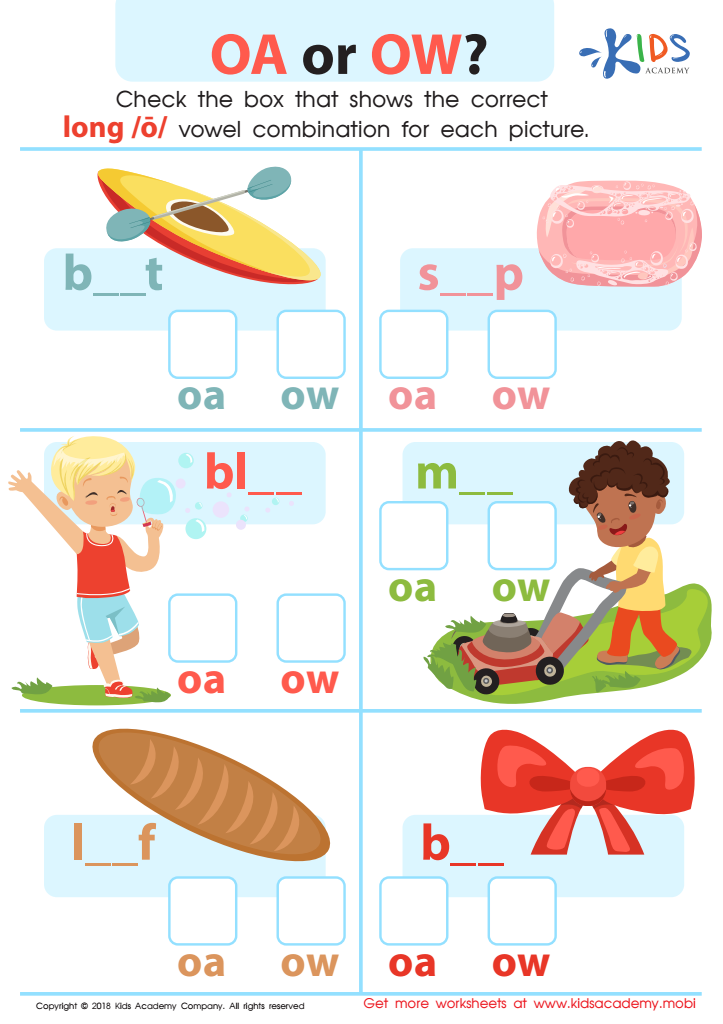
Reading: OA or OW Worksheet
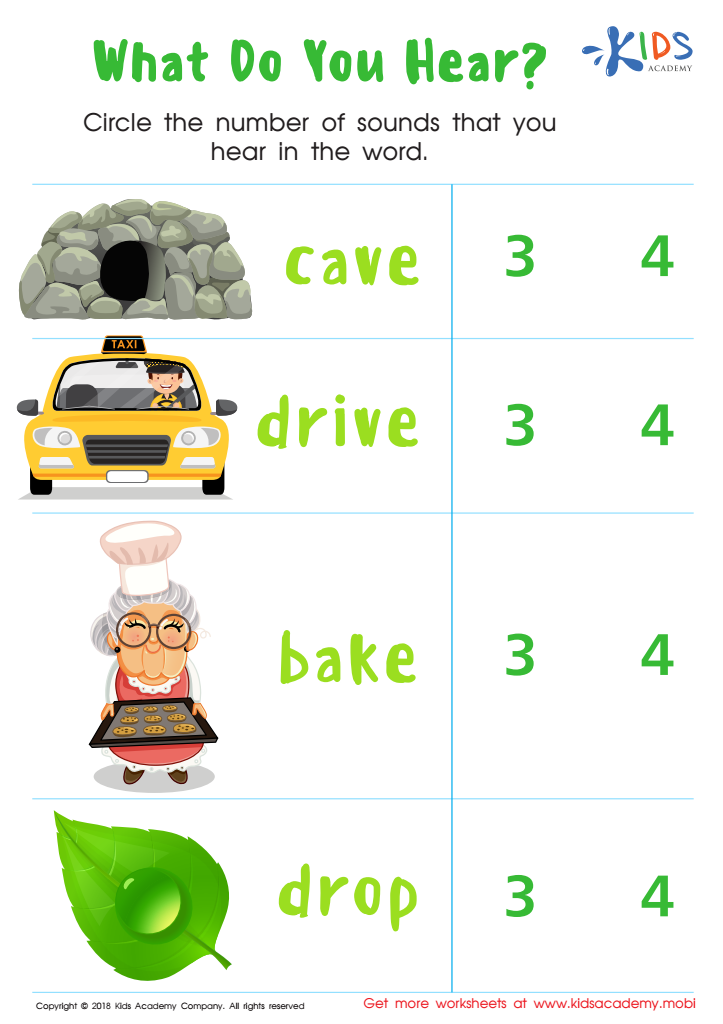
What Do You Hear? Worksheet
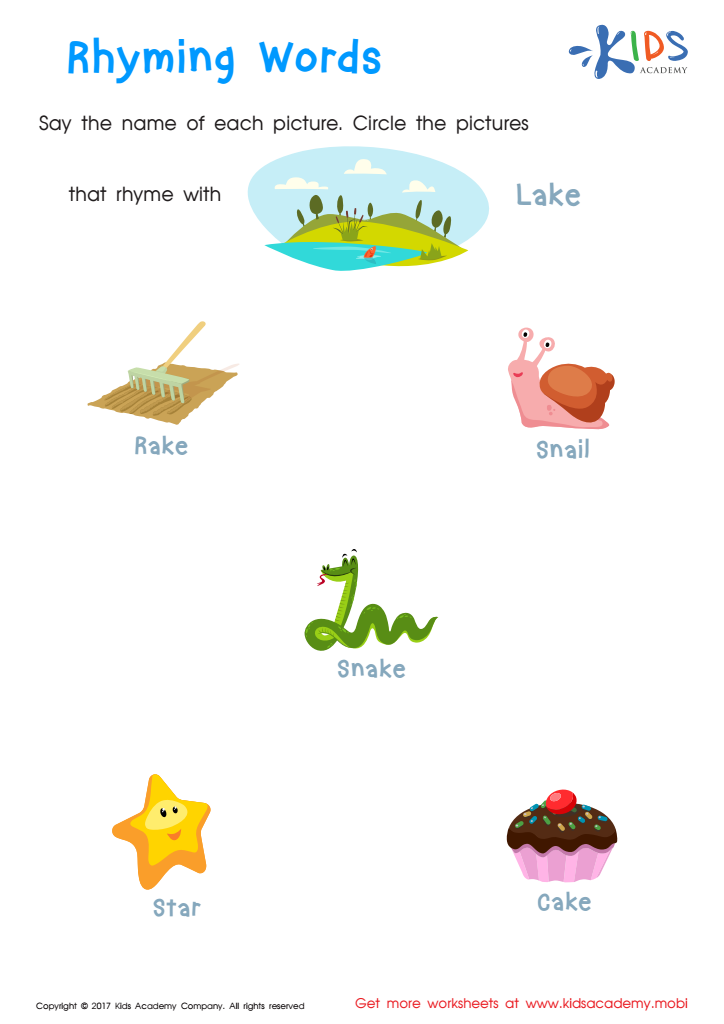
Rhyming Words Rhyming Worksheet
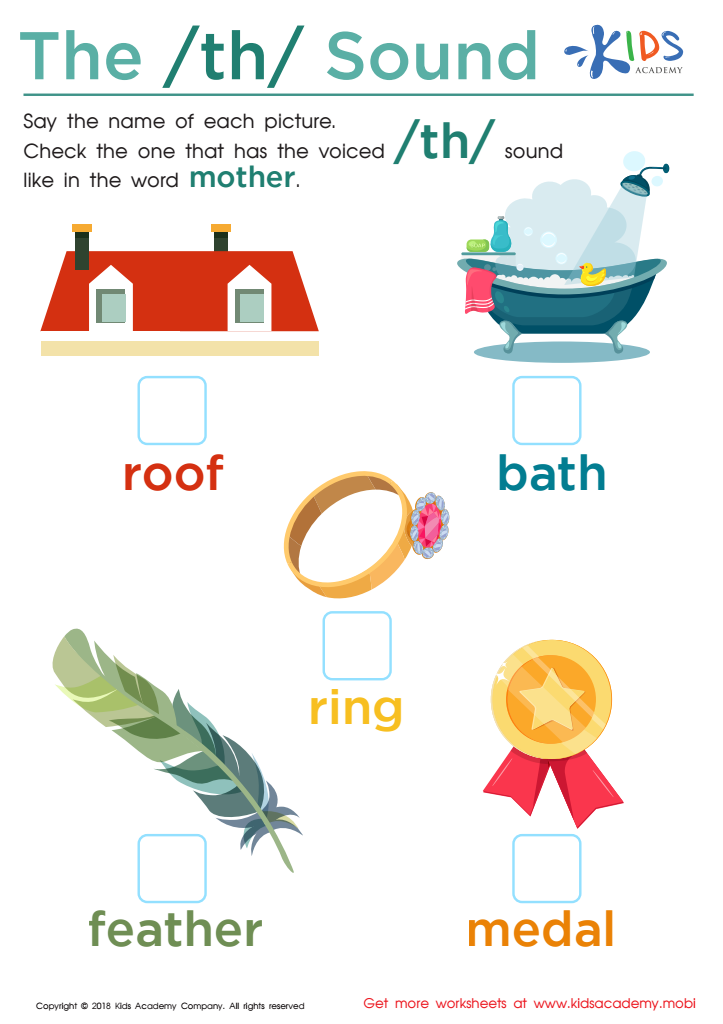
The /th/ Sound Worksheet

Long and Short U Worksheet
 Assign to My Students
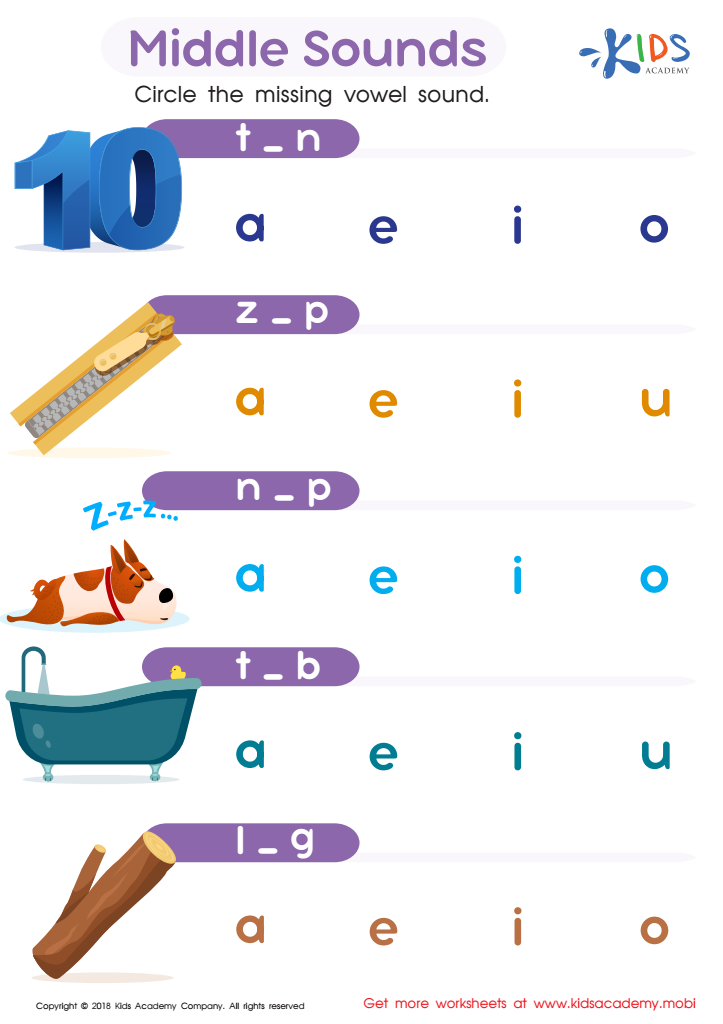
Middle Sounds Worksheet
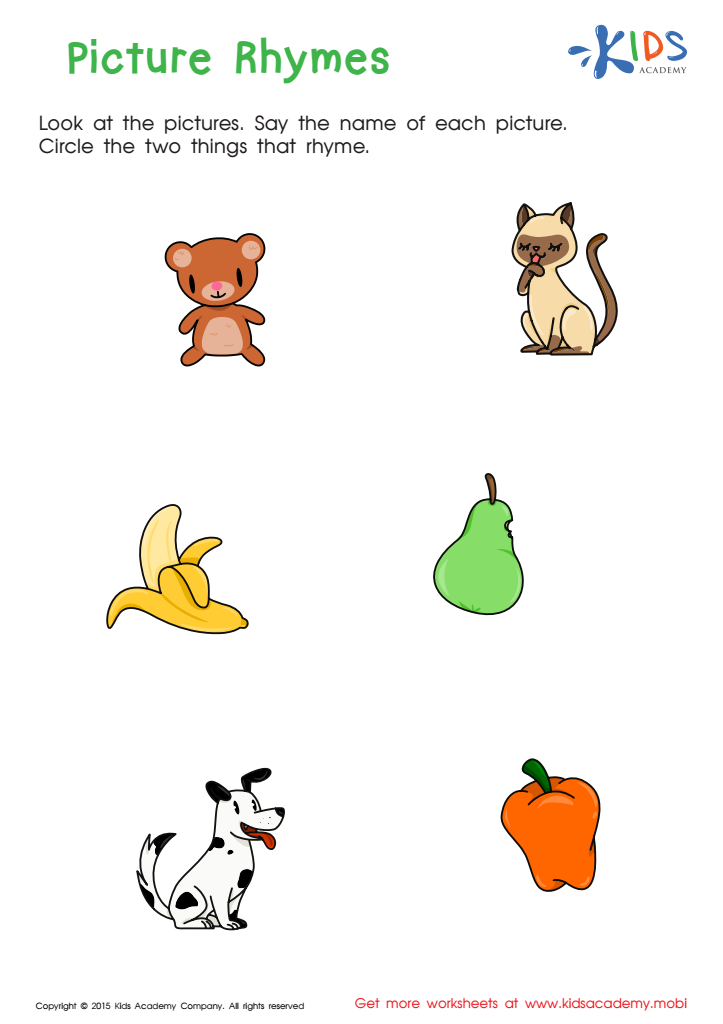
First Words: Picture Rhymes Worksheet
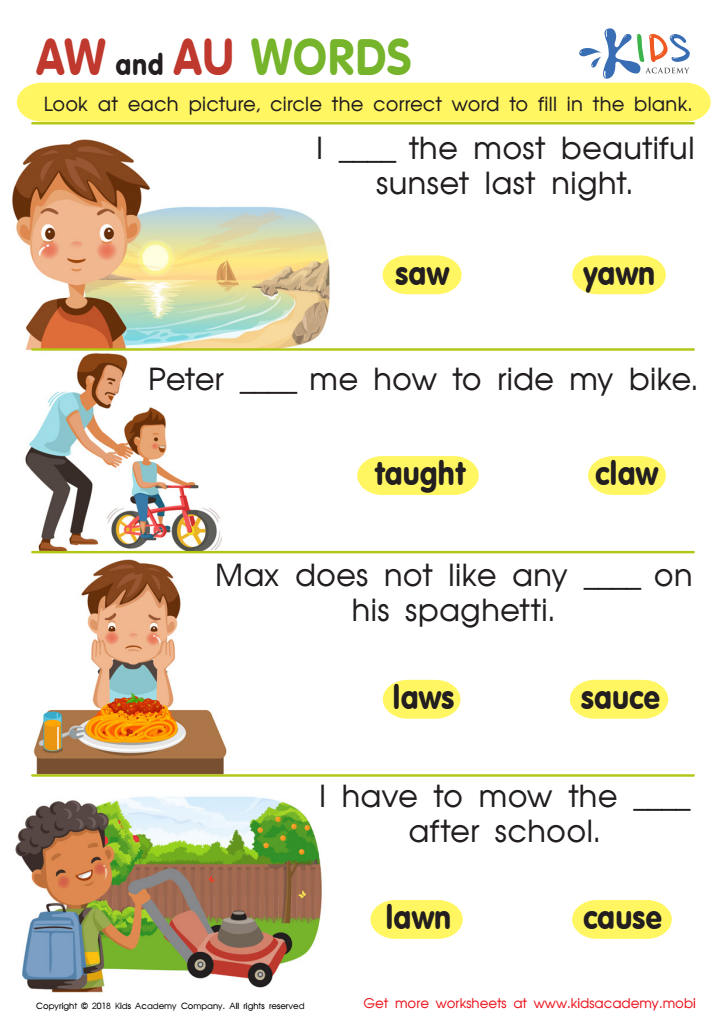
Reading: AW and AU Words Worksheet
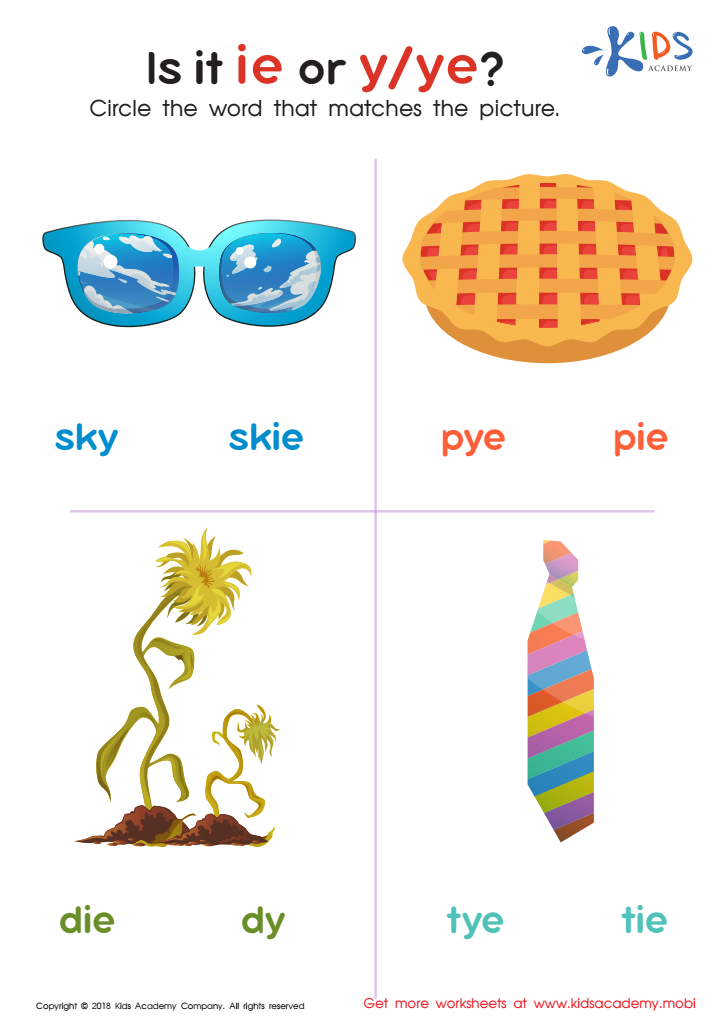
Is It IE or Y/Ye? Worksheet








Sound recognition and normal phonics are critical components of literacy development for children aged 7-9. At this age, children's reading abilities are advancing, and a solid foundation in phonics can significantly influence their reading fluency and comprehension. Phonics teaches children the relationship between sounds and letters, enabling them to decode new words independently.
Parents and teachers should care about sound recognition and phonics because these skills are essential for academic success across subjects. When children grasp the basics of sound-letter relationships, they grow more confident in their reading abilities, leading to a love for reading and lifelong learning. Furthermore, literacy is linked to overall cognitive development, enhancing vocabulary and critical thinking skills.
Practicing sound recognition and phonics aids in identifying and addressing potential reading difficulties early, allowing for timely interventions. Consequently, children are less likely to experience frustration and disengagement as they progress in school. Supporting phonics education empowers children to become proficient readers, which positively impacts their self-esteem and academic performance. Therefore, collaboration between parents and teachers is key to fostering an environment where sound recognition and phonics are prioritized, encouraging literacy skills that carry into the future.







