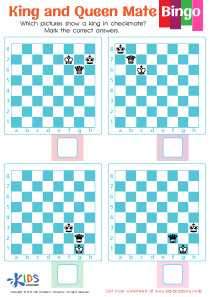
Number Recognition Normal Chess Worksheets for Ages 7-9
3 filtered results
-
From - To
Unlock the world of numbers with our Number Recognition Normal Chess Worksheets designed specifically for children aged 7-9. These engaging worksheets combine the fun of chess with essential math skills, helping young learners enhance their number recognition abilities. Through colorful illustrations and chess-themed activities, kids will practice identifying numbers, counting, and developing early math foundations. Ideal for classroom activities or at-home learning, these worksheets encourage critical thinking and problem-solving while keeping kids entertained. Empower your child with these interactive resources that make learning numbers an enjoyable and insightful journey in the fantastic realm of chess! Perfect for budding mathematicians and chess enthusiasts alike!
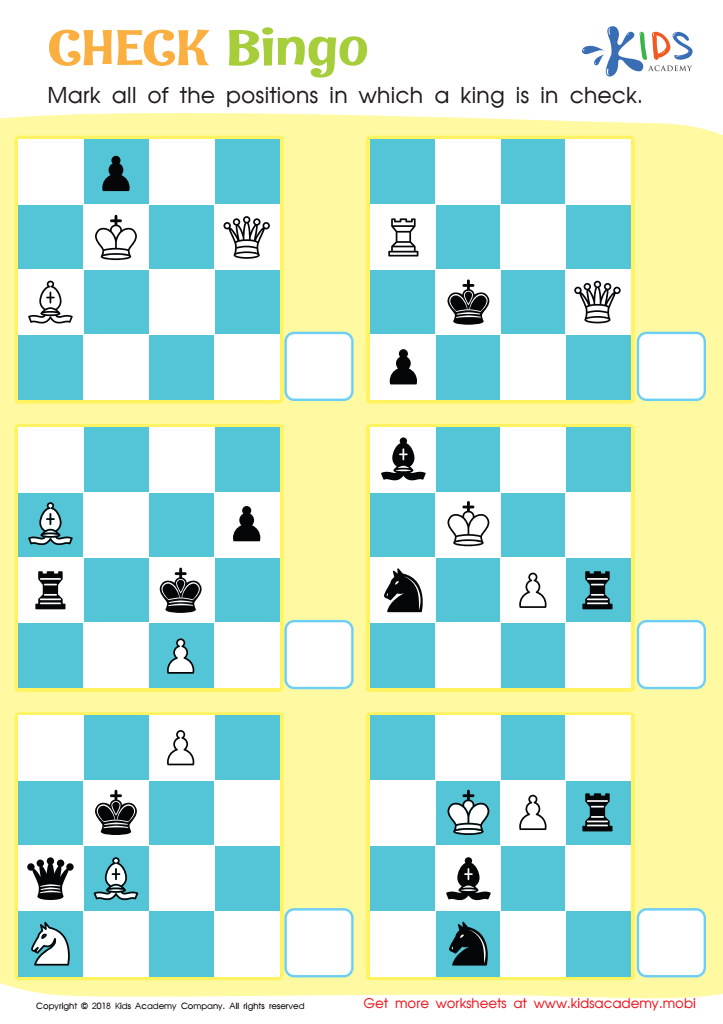
Check Bingo Worksheet
 Assign to My Students
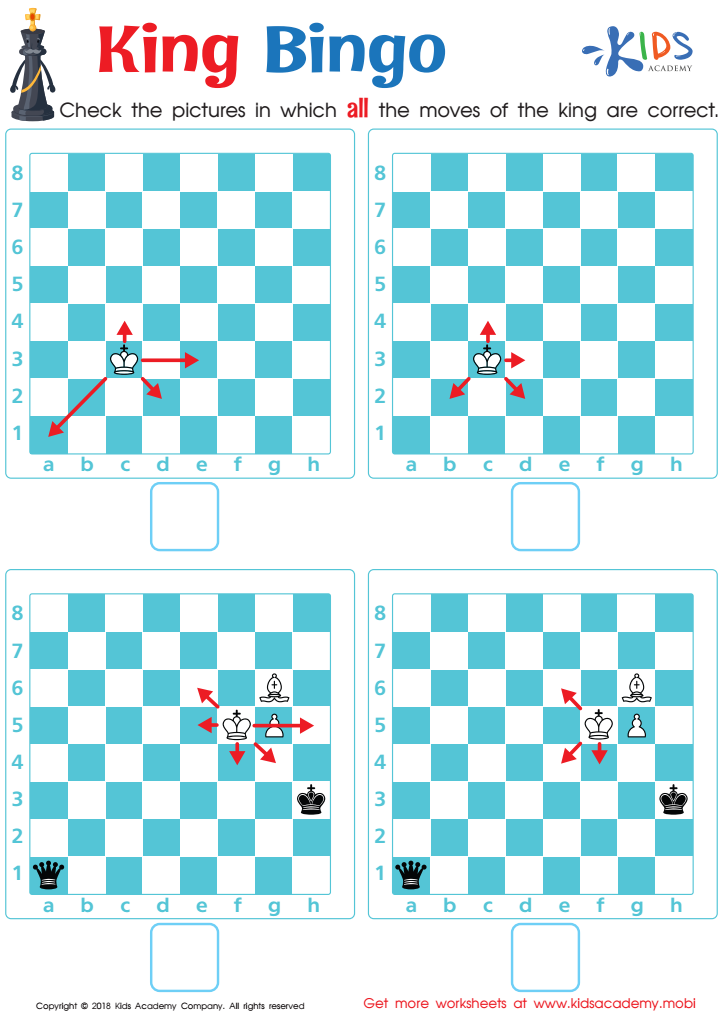
King Bingo Worksheet
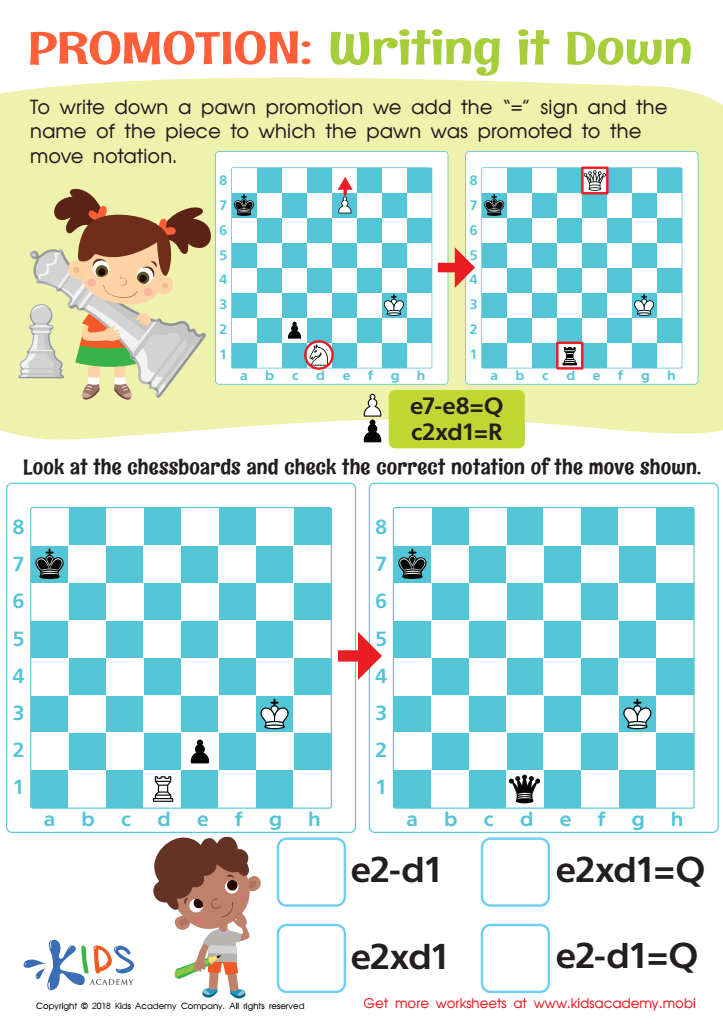
Writing it Down Worksheet



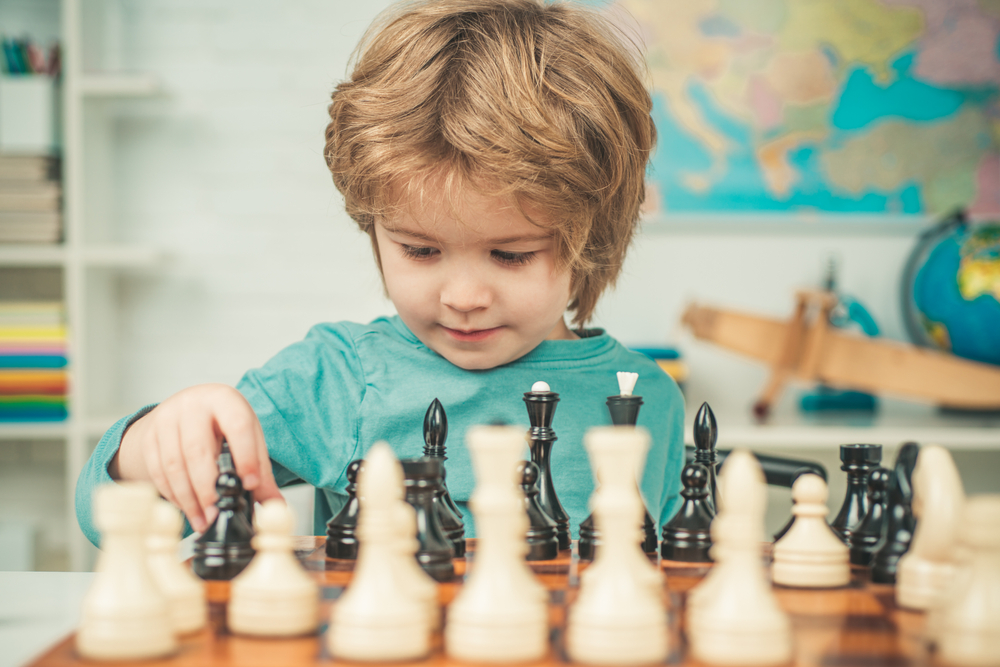


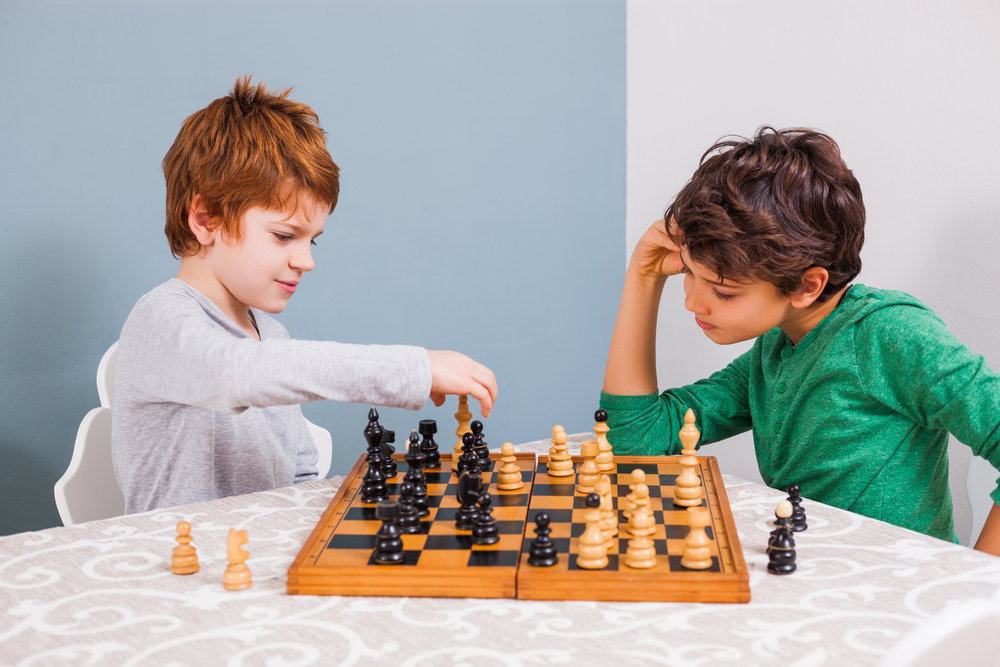

Number recognition is a fundamental skill that lays the groundwork for mathematical understanding and problem-solving abilities in children aged 7 to 9. Developing strong number recognition skills enables young learners to identify, read, and write numbers accurately, which is crucial for performing basic arithmetic operations. It helps them excel in everyday activities, from understanding time and money to grasping more complex math concepts they'll encounter in the future.
Furthermore, introducing normal chess as a strategic, intellectual game can enhance cognitive abilities, including critical thinking, pattern recognition, and planning. When combined with number recognition, children are encouraged to assess numerical values, analyze potential moves, and calculate outcomes, promoting mathematical thinking in a fun context.
Engaging with both number recognition and chess fosters a balanced development of mathematical and analytical skills. Parents and teachers should care about this integrated approach because it not only sharpens children's cognitive capabilities but also instills a love for learning through play. This can lead to improved school performance, higher confidence in math-related activities, and an overall enriching educational experience that prepares children for future academic challenges. Engaging with both facets early on helps create well-rounded learners who are prepared for real-world problem-solving.