Categorization skills Normal Worksheets for Ages 7-9
6 filtered results
-
From - To
Enhance your child's cognitive development with our "Categorization Skills Normal Worksheets for Ages 7-9." Designed to foster critical thinking and problem-solving, these printable worksheets provide engaging, age-appropriate activities. Kids will learn to group items based on common attributes, improving their ability to organize and interpret information. Each worksheet features challenges that encourage children to identify patterns, similarities, and differences, essential skills for academic success. Perfect for home or classroom use, our worksheets not only make learning fun but also build a foundation for more advanced cognitive tasks. Unlock your child's potential today with our expertly crafted categorization resources.
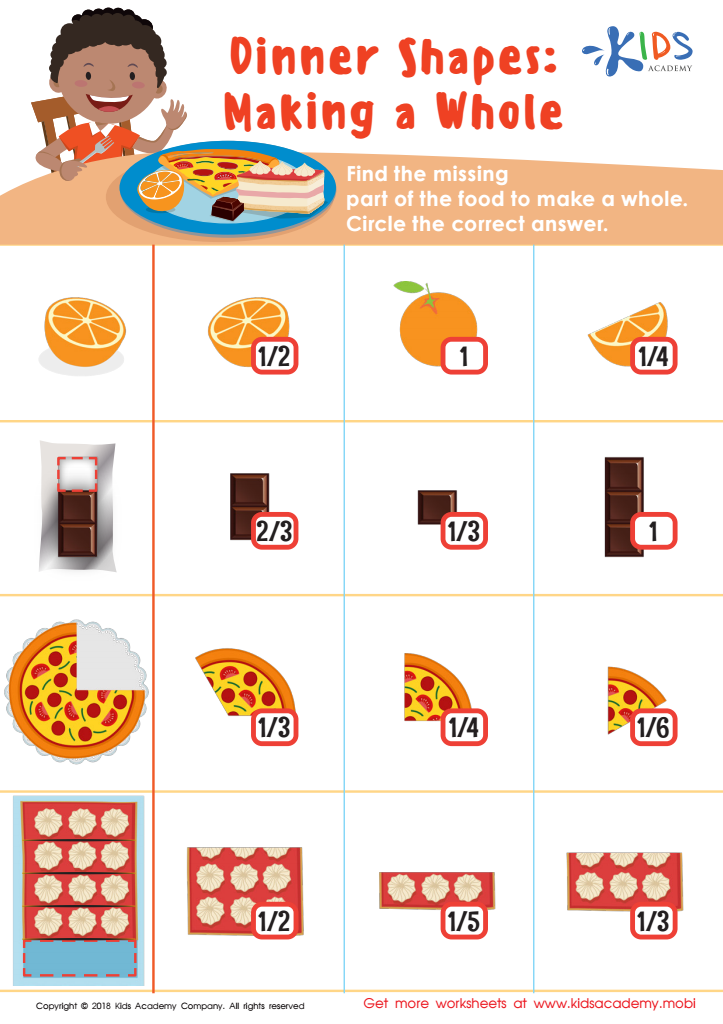
Dinner Shapes: Making a Whole Worksheet
 Assign to My Students
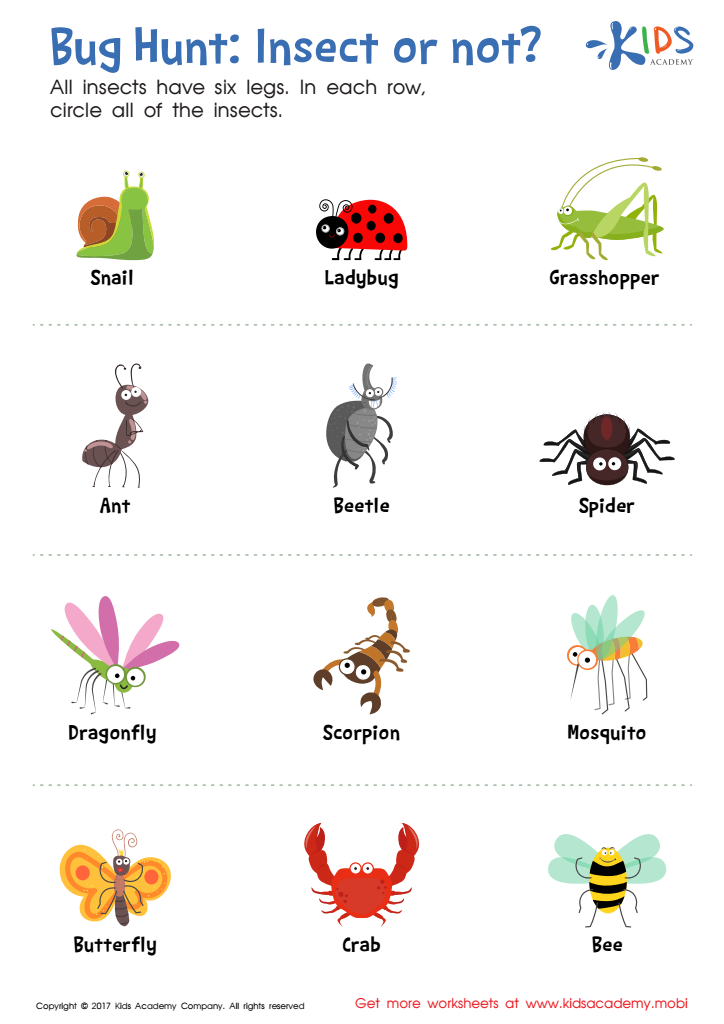
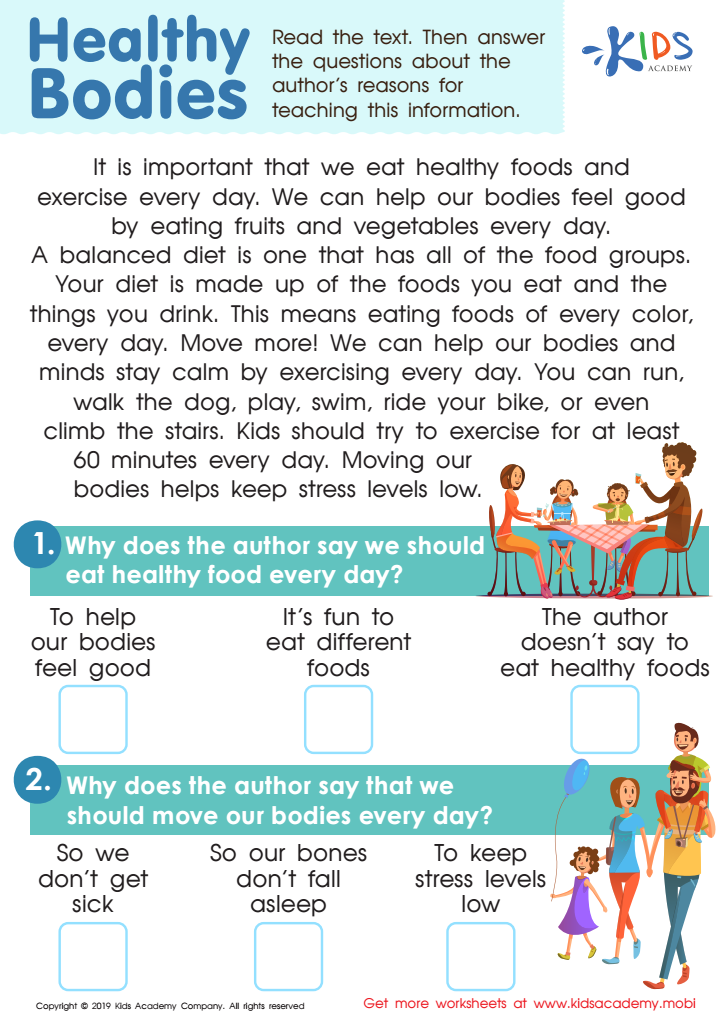
Healthy Bodies Worksheet
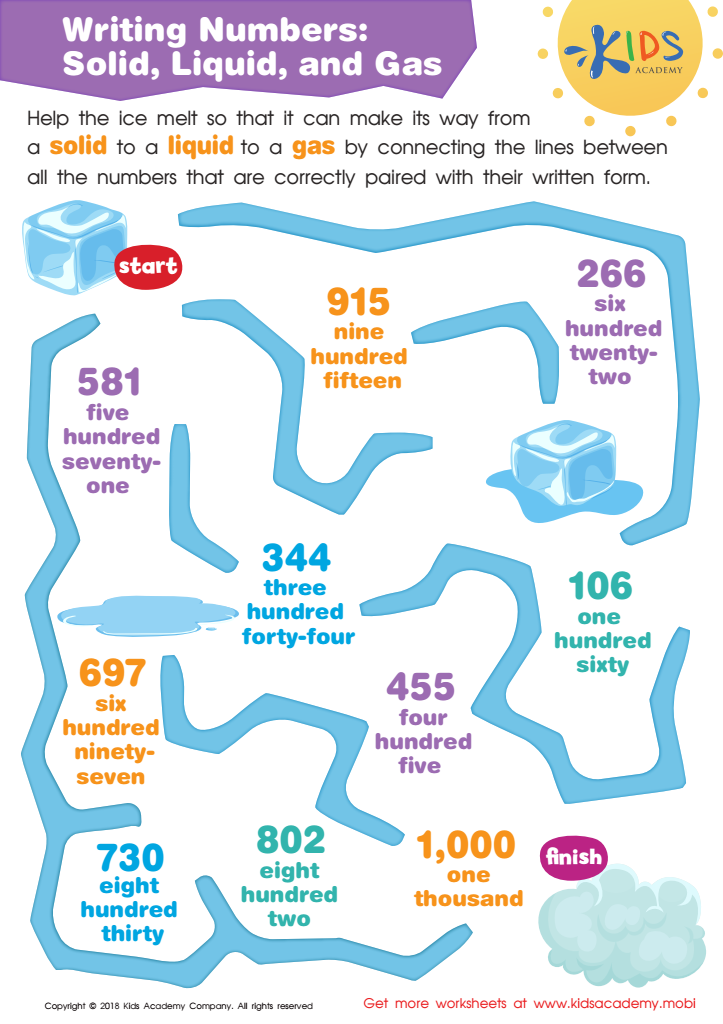
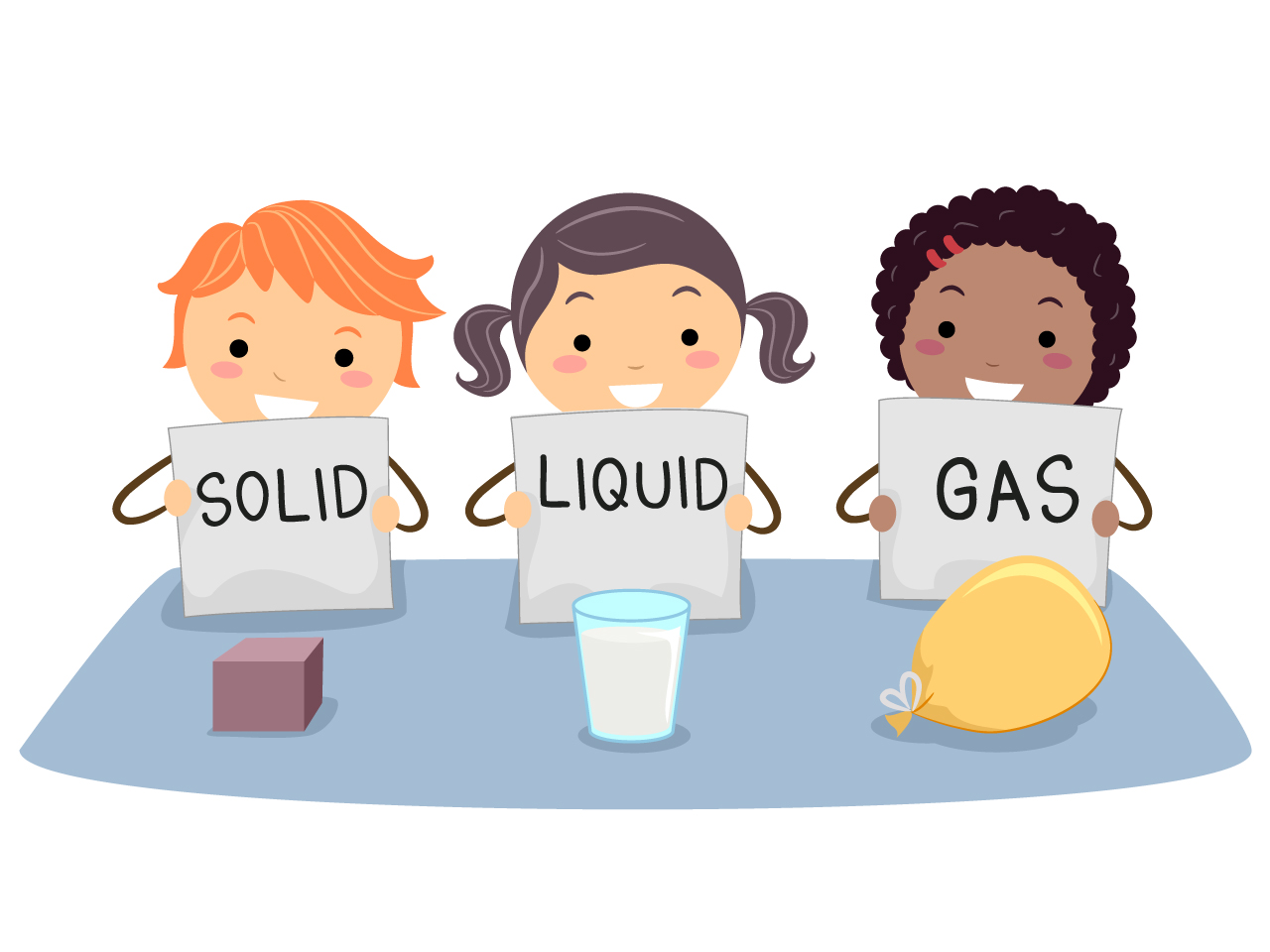
Solid, Liquid, and Gas Writing Numbers Worksheet
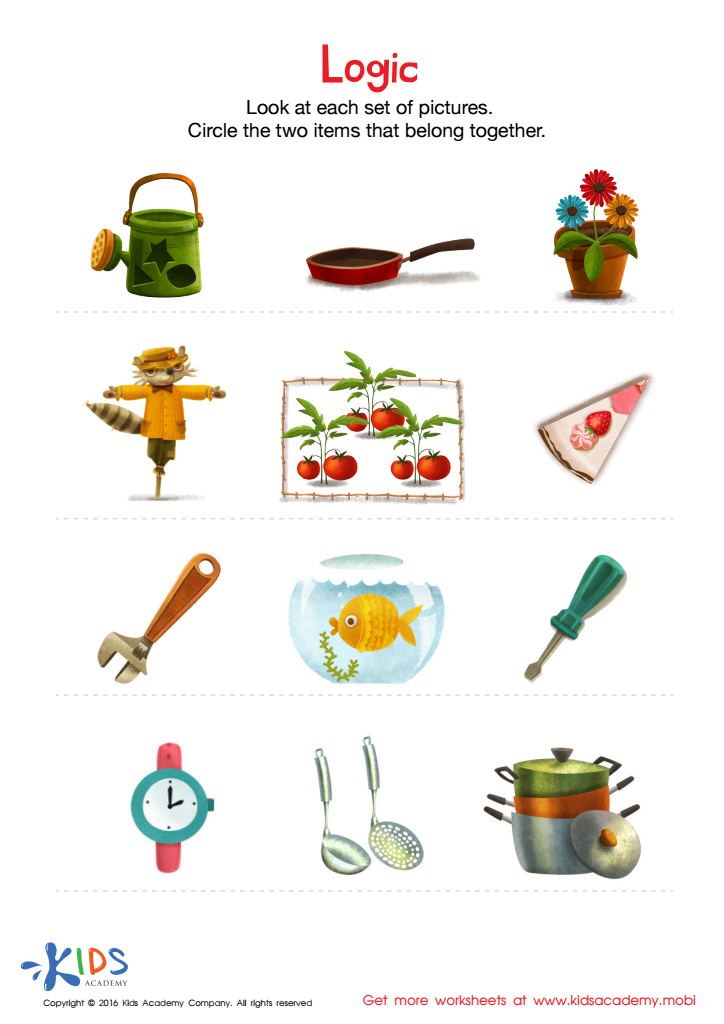
Logic Game Sorting Worksheet

Identifying Living or Non–living Worksheet







Categorization skills are crucial for children aged 7-9 as these abilities are fundamental to cognitive development and learning. At this stage, kids start school and encounter vast amounts of new information daily. Categorization helps them organize this information logically, improving understanding and memory retention.
When children categorize objects, ideas, or information, they create a structured framework in their minds. This framework enhances critical thinking and problem-solving skills, enabling children to make connections between different concepts. For instance, distinguishing between living and non-living things can make science lessons more comprehensible, while sorting words by parts of speech can bolster language proficiency.
Developing these skills also aids social cognition. By categorizing social interactions, behaviors, and emotions, children better navigate social situations and understand diverse perspectives.
For parents and teachers, fostering categorization skills helps in identifying learning styles and potential difficulties early on. Activities like sorting games, puzzles, and classification tasks can be both educational and fun, nurturing a child's curiosity and engagement.
In summary, strong categorization skills in children aged 7-9 underpin academic success, cognitive development, and social understanding, making it imperative for parents and teachers to support and encourage the growth of these abilities.








