Comparative analysis Normal Worksheets for Ages 7-9
5 filtered results
-
From - To
Discover our engaging "Comparative Analysis Normal Worksheets for Ages 7-9," designed to enhance critical thinking and analytical skills in young learners. These worksheets provide a variety of exercises that challenge students to compare and contrast different concepts, animals, objects, and more, fostering deeper understanding and cognitive development. Aligned with educational standards, our resources cater to diverse learning styles, making them perfect for both classroom and home use. By encouraging exploratory thinking, these worksheets support reading comprehension, math skills, and visual-spatial reasoning. Unlock your child's potential with our thoughtfully crafted worksheets—ideal for promoting collaborative discussions and enhancing learning experiences. Download for free today!
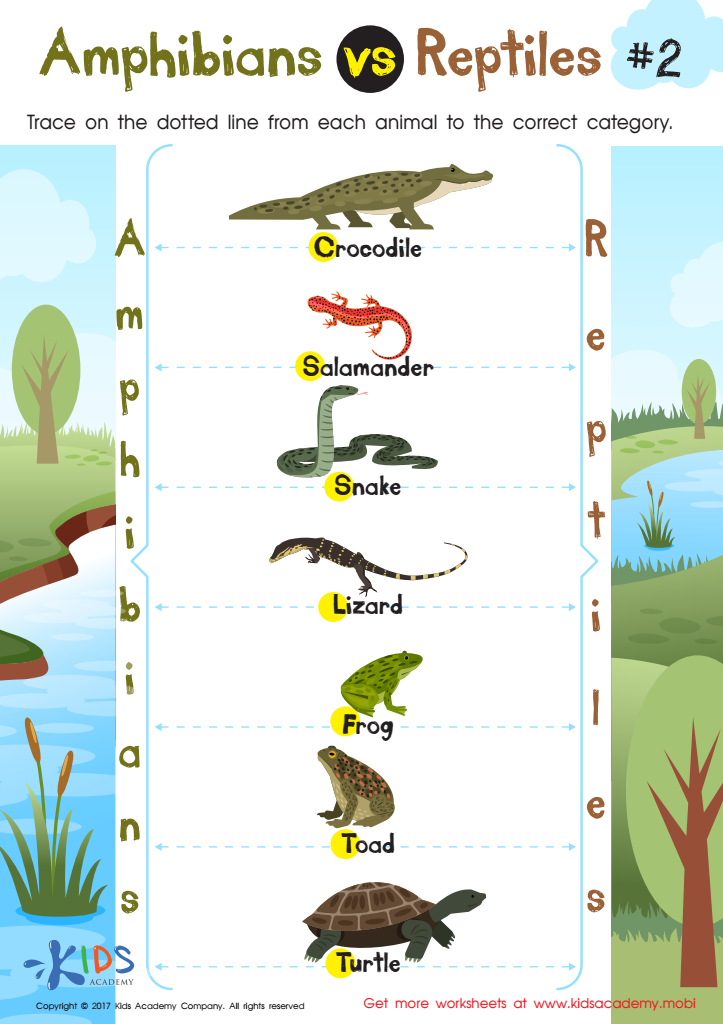
Amphibians vs Reptiles Worksheet for 3rd Grade
 Assign to My Students
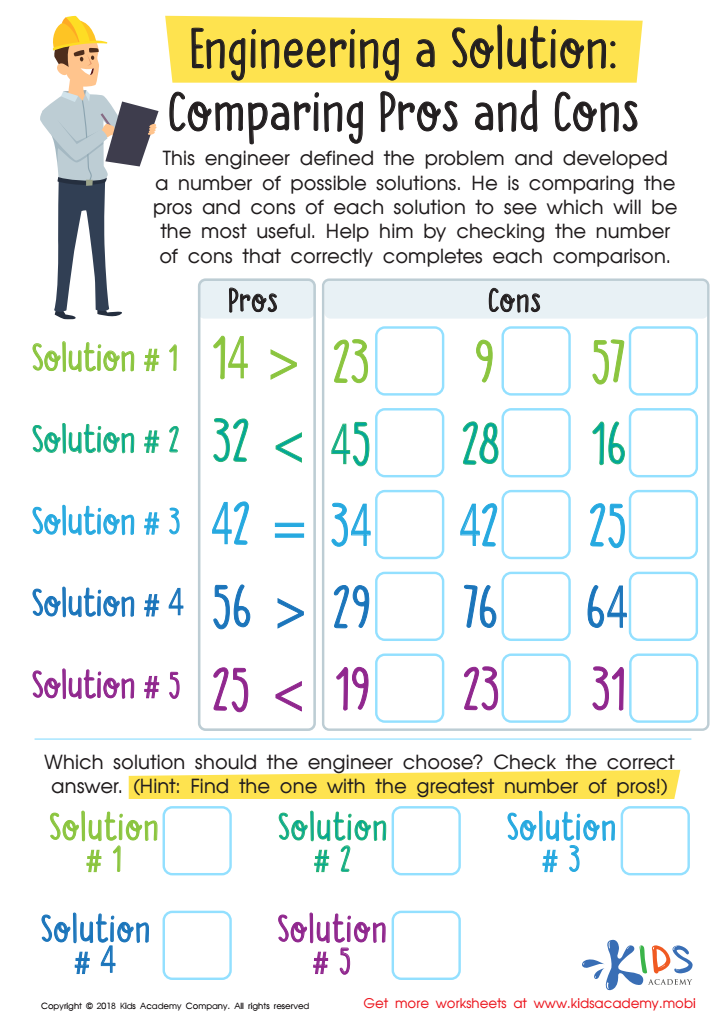
Engineering a Solution: Comparing Pros and Cons Worksheet
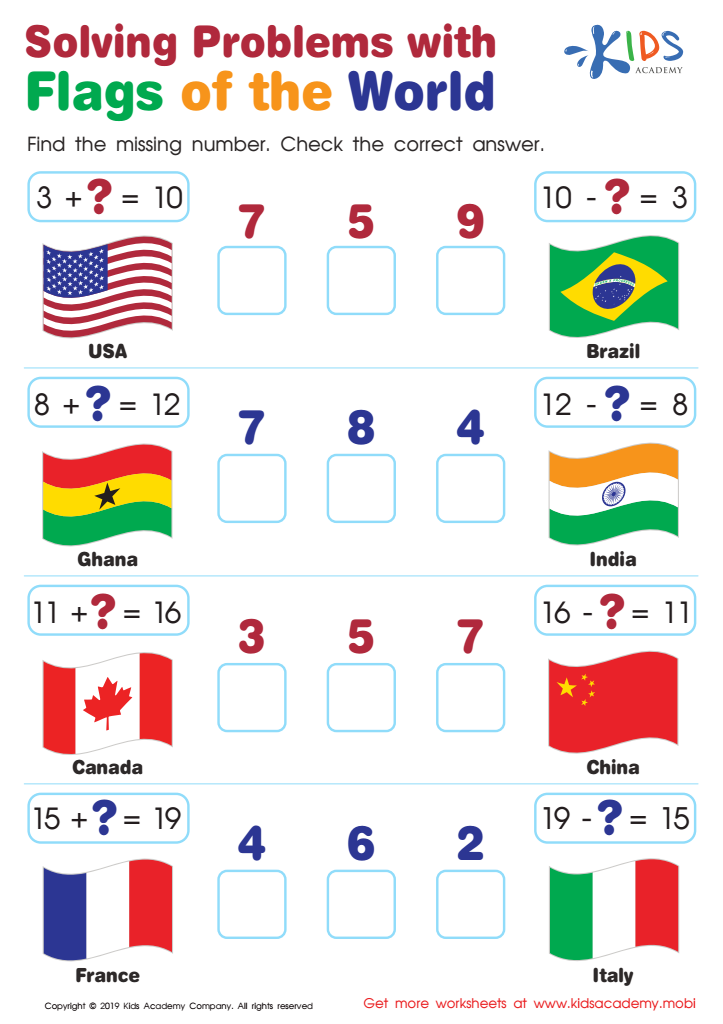
Solving Problems with Flags of the World Worksheet
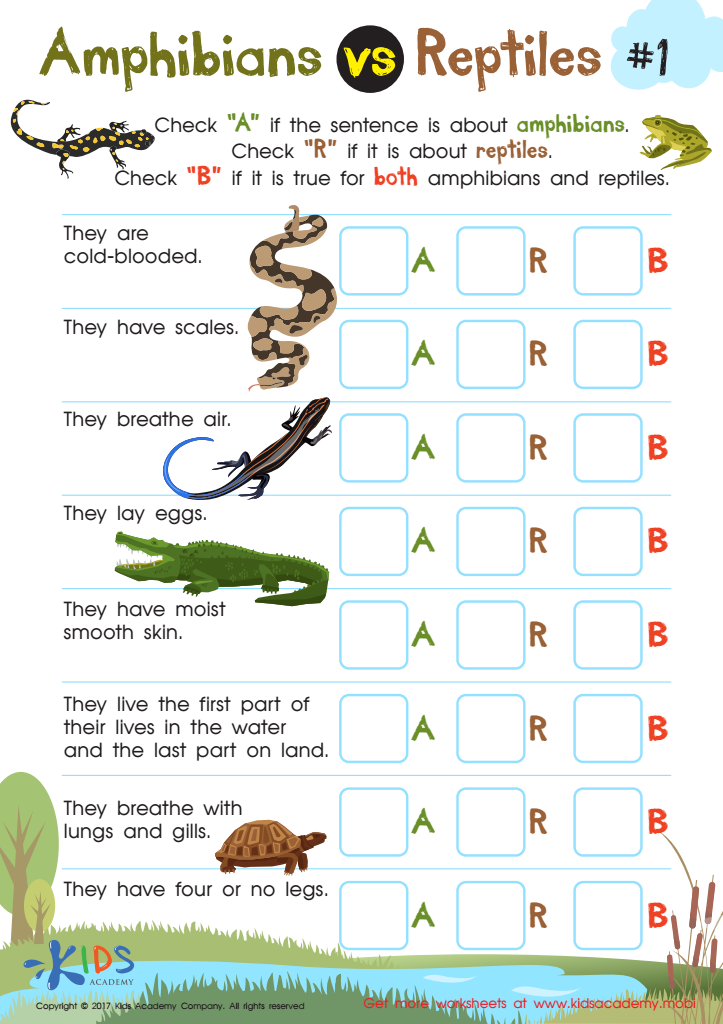
Amphibians vs Reptiles Worksheet






.jpg)

Comparative analysis for children aged 7-9 is crucial as it offers insights into their academic and social development, helping parents and teachers identify strengths and areas for improvement. At this age, children are engaged in critical learning milestones, including enhancing literacy and numeracy skills, developing social relationships, and forming self-concepts. A comparative analysis allows educators and parents to assess individual performance against established benchmarks or peers, enabling targeted interventions that foster growth.
Understanding comparative data helps in identifying learning patterns and trends, which can guide instructional strategies tailored to meet diverse learning needs. Furthermore, it facilitates discussions about the child’s progress and motivates them to reach their potential by setting realistic goals.
For parents, engaging in comparative analysis emphasizes the importance of involvement in their children’s learning environments, reinforcing positive behaviors and creating opportunities for dialogue about growth. This awareness fosters a supportive atmosphere at home where children feel encouraged to take on challenges.
Ultimately, comparative analysis equips parents and teachers with the tools to nurture well-rounded individuals, promoting a holistic approach that benefits academic achievement and social development in crucial formative years. It is essential for cultivating resilience, curiosity, and a love for learning in young children.








