Knowledge application Normal Worksheets for Ages 7-9
6 filtered results
-
From - To
Explore our collection of Knowledge Application Normal Worksheets for children ages 7-9, designed to foster critical thinking and problem-solving skills. Our engaging and diverse worksheets cover a range of subjects including math, science, language arts, and more, helping young learners apply their knowledge in real-world situations. Tailored to meet the developmental needs of this age group, these printable resources promote academic growth while making learning fun and interactive. Ideal for classroom use or at-home practice, our worksheets support a strong educational foundation. Unlock your child's potential with our expertly crafted Knowledge Application Normal Worksheets today!
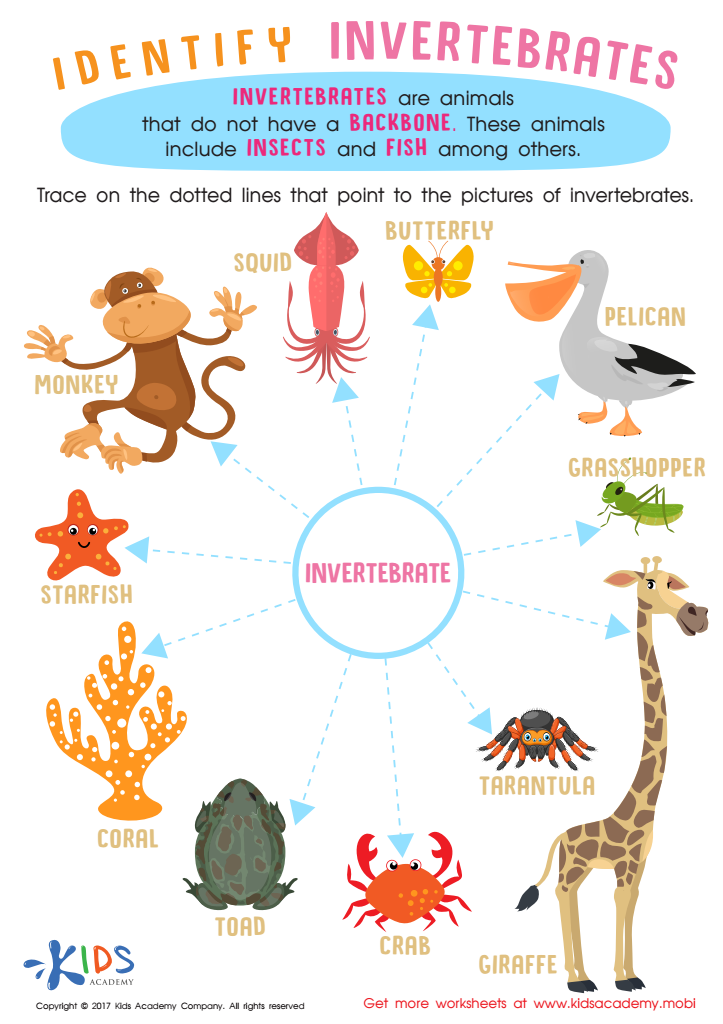
Invertebrates Worksheet for Grade 3
 Assign to My Students
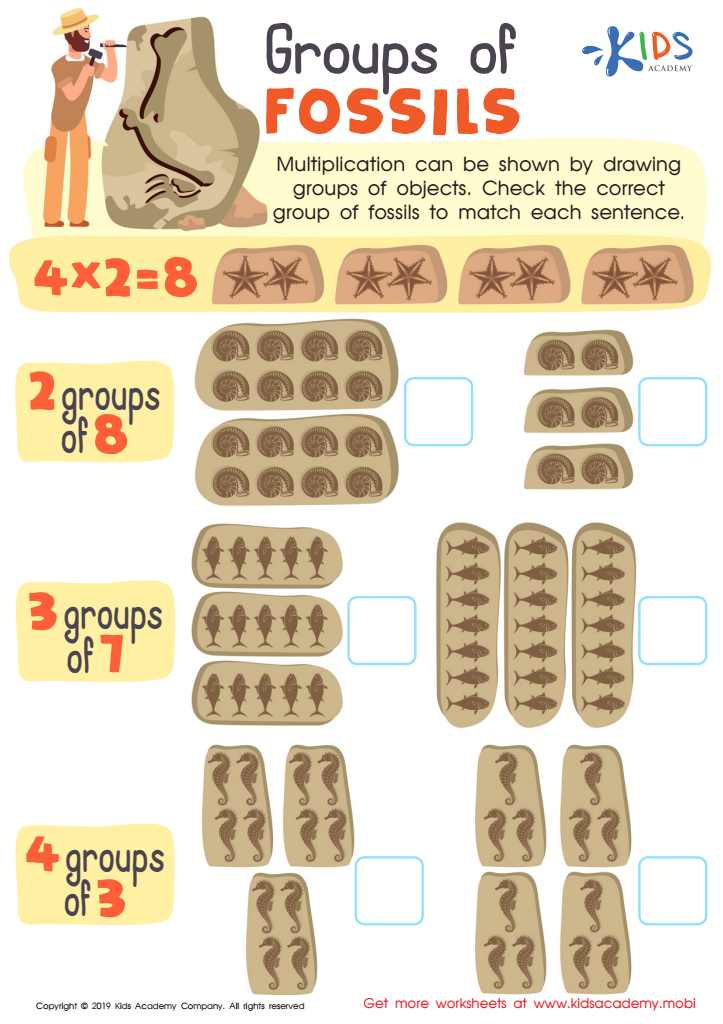
Groups of Fossils Worksheet
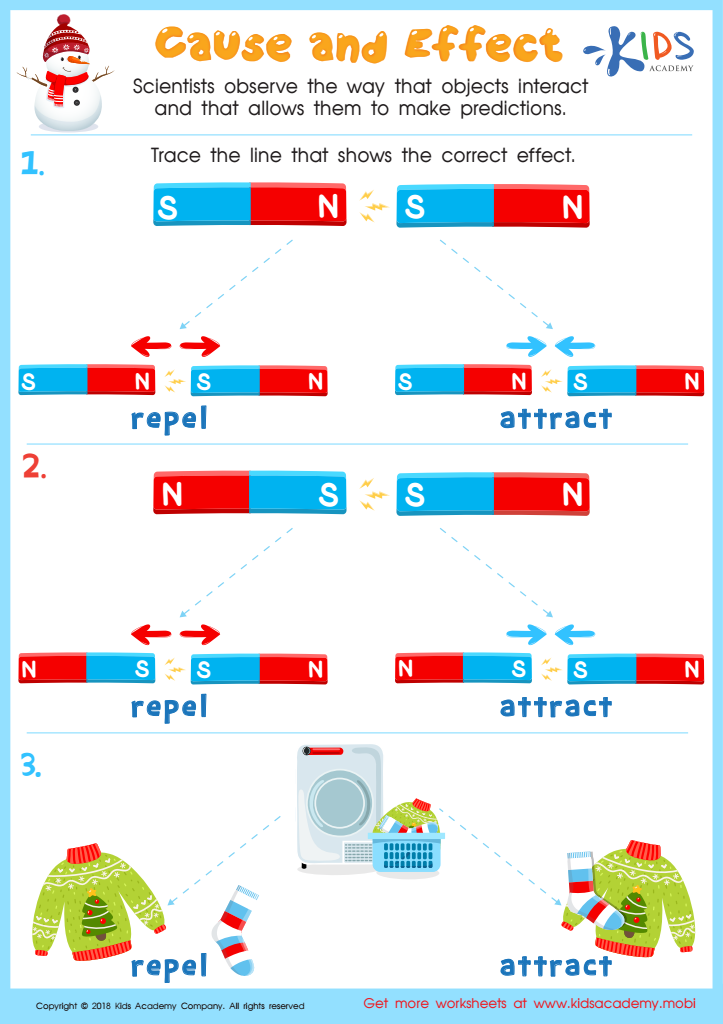
Repel and Attract Magnet Worksheet
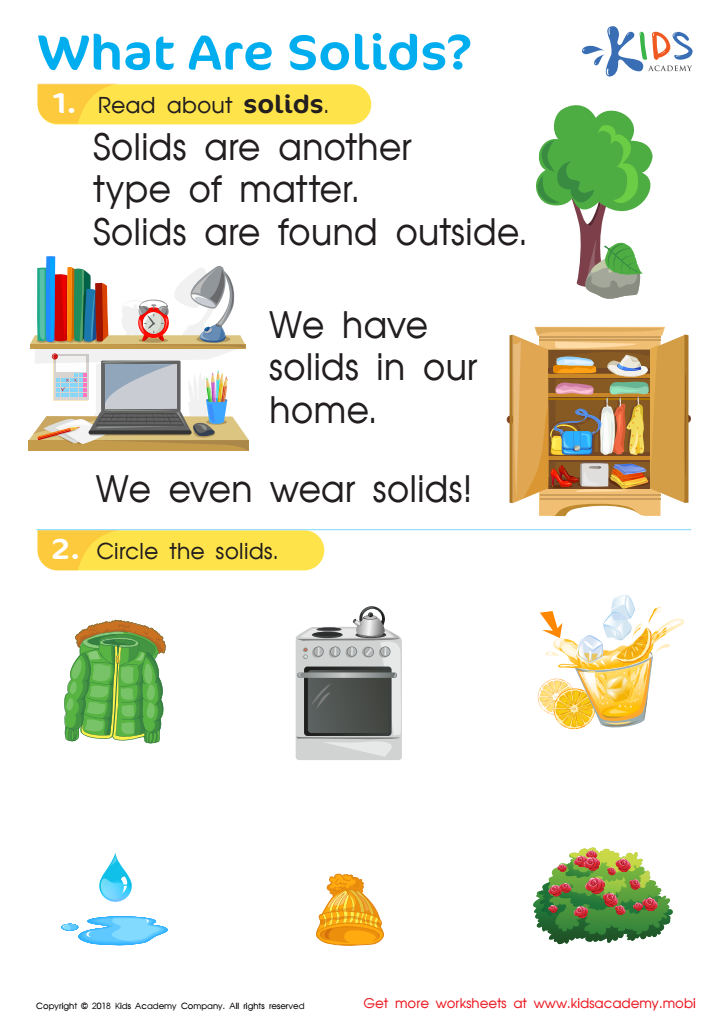
What Are Solids? Worksheet
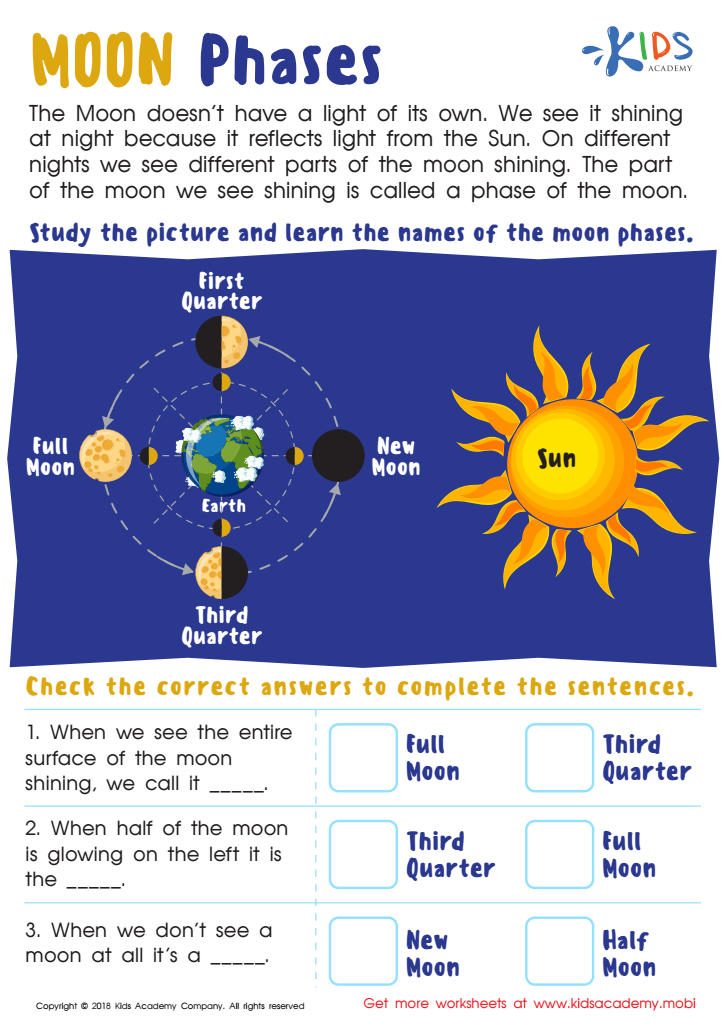
Moon Phases Worksheet
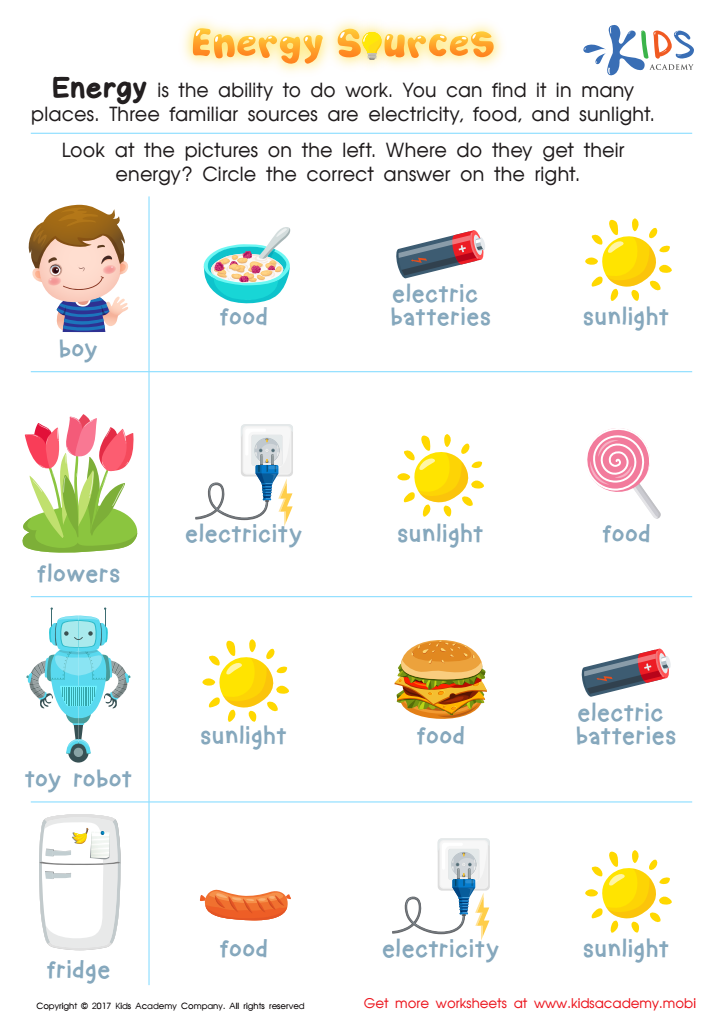
Energy Sources Printable







Parents and teachers should care deeply about the application of knowledge for children aged 7-9 because this period is critical for cognitive and social development. At this stage, kids transition from learning to read to reading to learn. Applying knowledge helps to reinforce concepts, making them more concrete and easier to understand. When children use what they've learned in different contexts, like solving real-world problems or through hands-on activities, it nurtures critical thinking and problem-solving skills.
Additionally, the application of knowledge fosters a love for learning. When children see the relevance of what they’ve learned in real-world situations, their intrinsic motivation to learn increases, encouraging lifelong learning habits. This is also a key time for developing executive functioning skills such as planning, organizing, and self-monitoring, which are crucial for academic success and general life skills.
Socially, applying knowledge in group settings helps kids develop communication and teamwork skills. They learn to articulate their thoughts, listen to others, and collaborate to solve problems. For teachers and parents, understanding how well children apply knowledge provides valuable insights into their learning progress and can guide effective teaching strategies and support at home.
By fostering an environment where children are encouraged to apply their knowledge, parents and teachers can set kids on a path to academic success and holistic development.








