Phonics skills improvement Normal Worksheets for Ages 7-9
6 filtered results
-
From - To
Enhance your child's reading abilities with our expertly crafted Phonics Skills Improvement Worksheets designed for ages 7-9. These engaging and educational sheets provided by Kids Academy focus on essential phonics skills, offering fun, interactive ways to practice sound recognition, word blends, and spelling proficiency. Perfect for both classroom and home use, each worksheet is meticulously designed to bolster your child's proficiency and confidence in reading. By integrating sound patterns and interactive activities, these resources make learning both enjoyable and effective. Visit Kids Academy to access and download these invaluable tools, and watch your child's reading skills flourish.
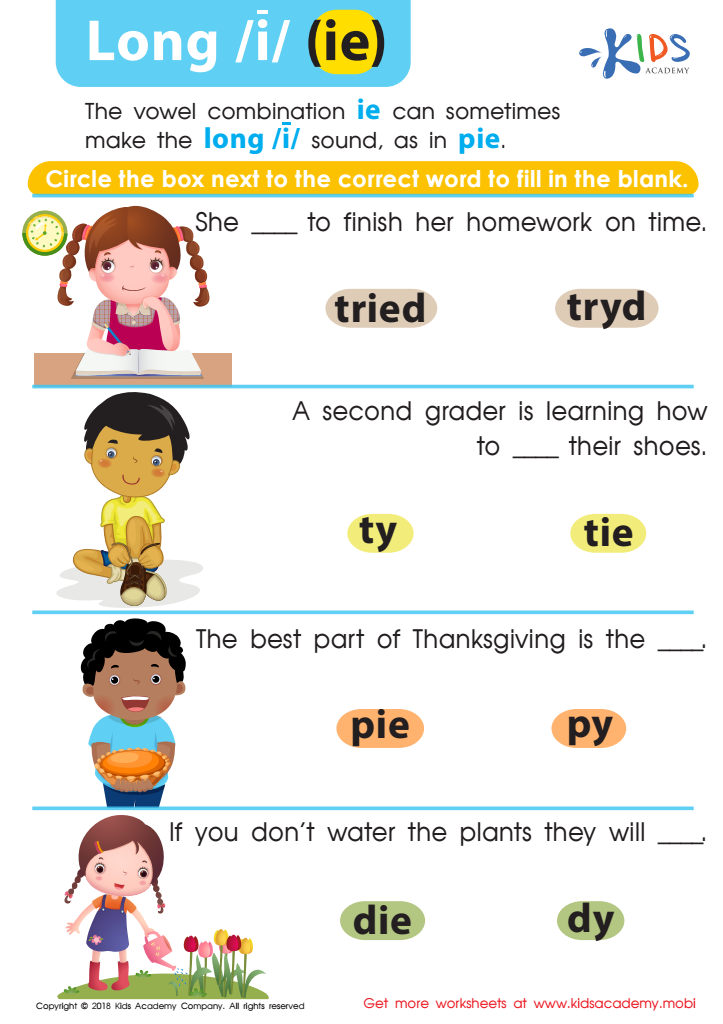
Reading: Long I and IE Worksheet
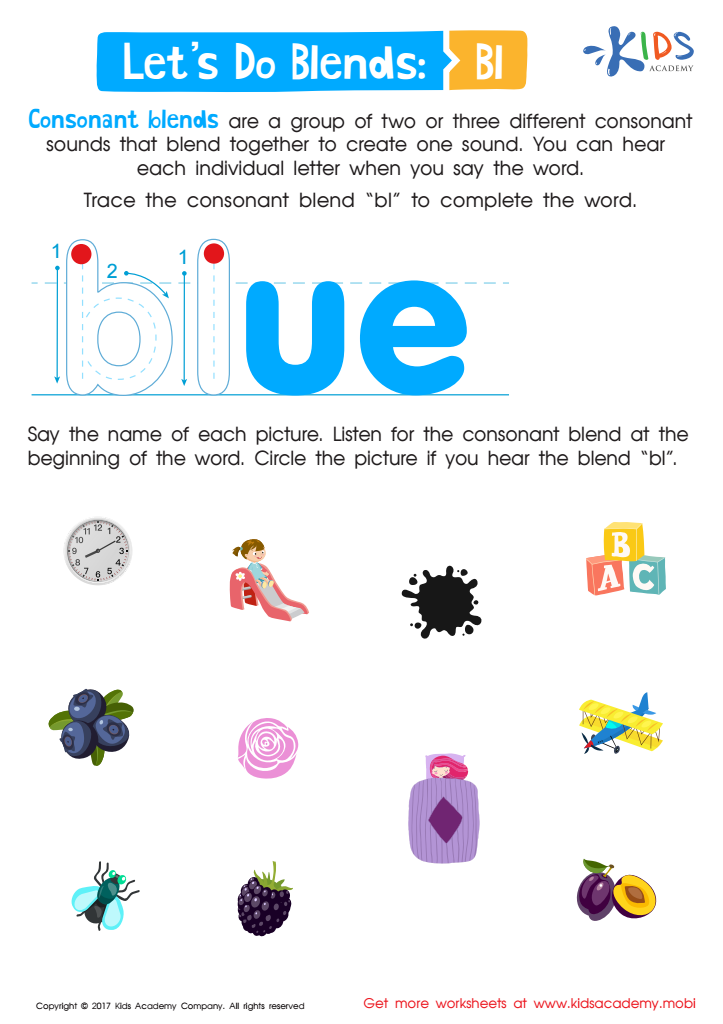
Beginning Blends: "Bl" Words Worksheet
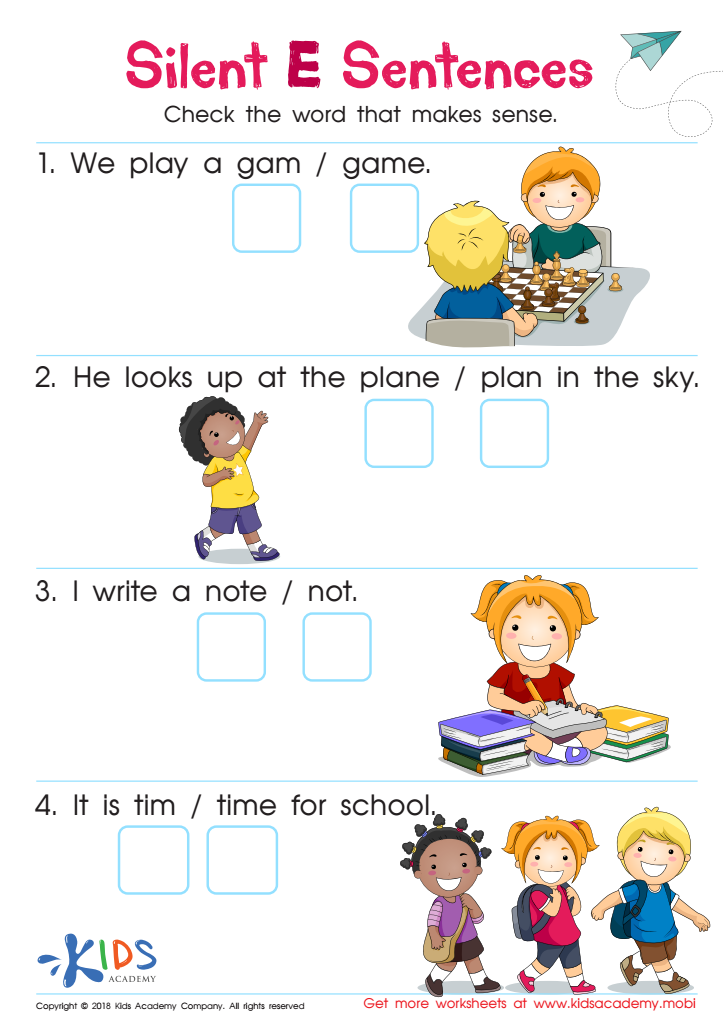
Silent E Sentences Worksheet

Long and Short U Worksheet
 Assign to My Students
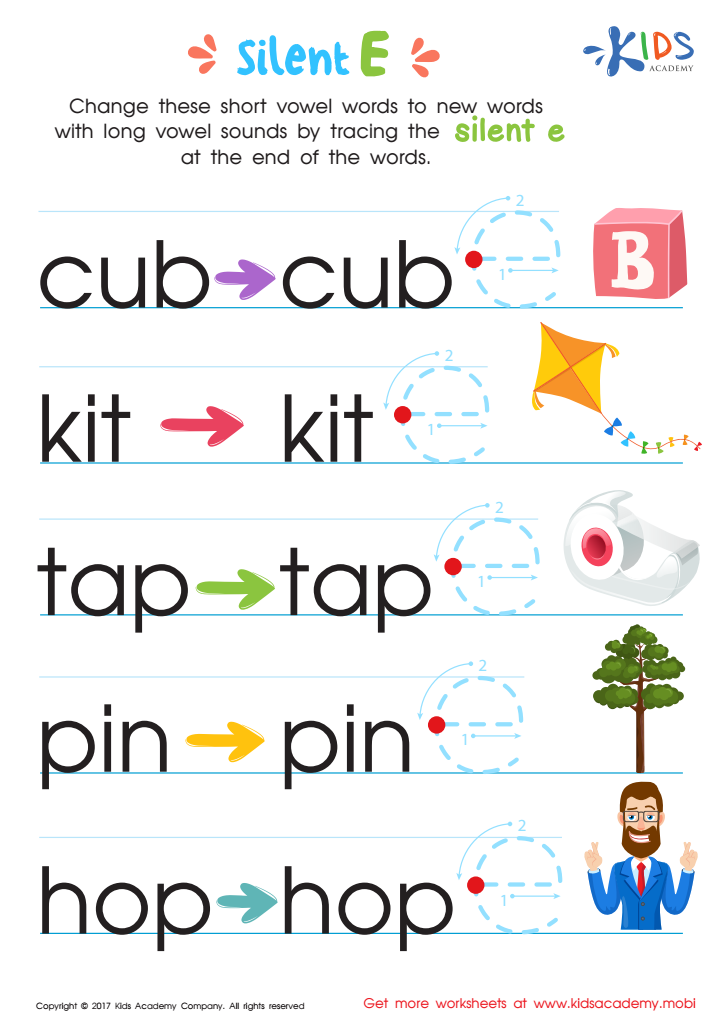
Silent E Words Worksheet
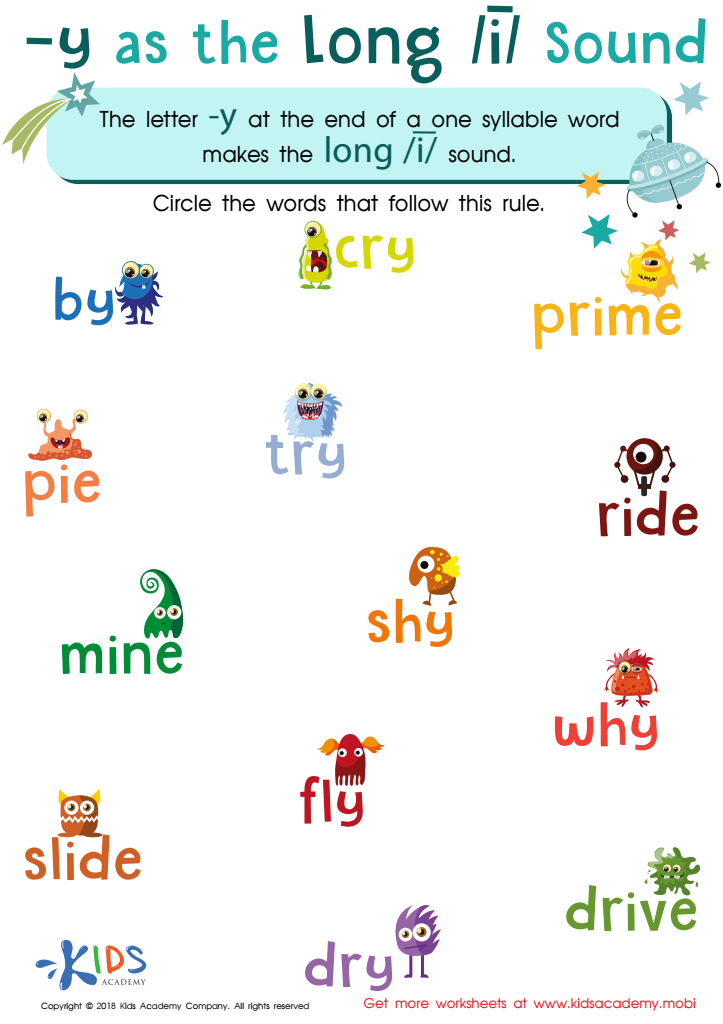
Reading: Y as Long I Worksheet








Phonics skills are crucial for children between the ages of 7-9 as they are foundational to effective reading and writing. At this age, children are transitioning from "learning to read" to "reading to learn," making strong phonics skills essential for their academic success and overall literacy development.
Phonics helps children understand the relationship between letters and sounds, allowing them to decode new words accurately and fluently. Good phonics skills enable children to read independently, broaden their vocabulary, and comprehend texts more deeply. When children can read well, it boosts their confidence, nurtures a love for reading, and sets a positive trajectory for lifelong learning.
Parents and teachers should be particularly vigilant about phonics skills improvement because early difficulties in reading can lead to long-term academic challenges. Reading struggles can affect a child's performance in other subject areas such as math, science, and social studies, which rely on reading comprehension. Additionally, timely phonics interventions can prevent future reading disabilities and support smooth educational progress.
For these reasons, fostering strong phonics skills in children aged 7-9 is crucial not only for their immediate educational experience but also for their long-term academic and personal growth. Both parents and teachers have a central role in creating supportive environments and using effective strategies that promote phonics learning.








