Sequencing Skills Normal Worksheets for Ages 7-9
5 filtered results
-
From - To
Enhance your child's understanding of sequencing with our engaging "Sequencing Skills Normal Worksheets" designed for ages 7-9. These interactive worksheets focus on helping young learners develop critical thinking and organization skills as they practice arranging events and actions in logical order. With various activities, children will enjoy working on real-life scenarios, story sequences, and pattern completion, fostering their comprehension and narrative skills. Perfect for classroom use or at-home practice, our worksheets provide an excellent way to reinforce essential sequencing skills in a fun and educational way. Dive into learning with our collection of creative resources tailored for young minds!

Going to the Dentist Worksheet
 Assign to My Students
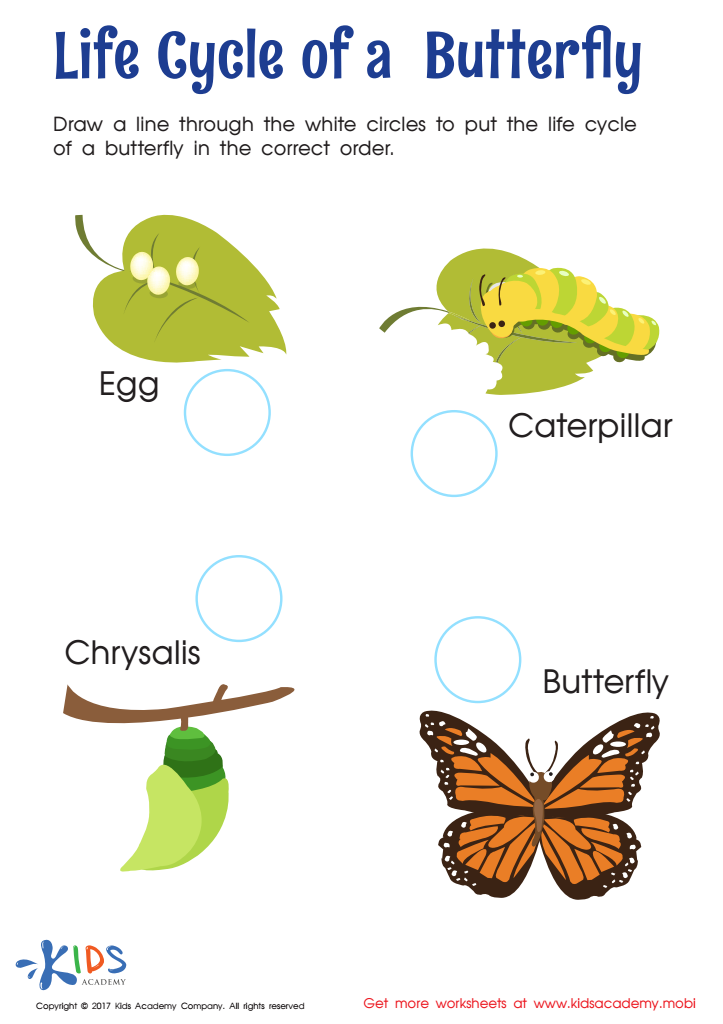
Life Cycle of Butterfly Worksheet
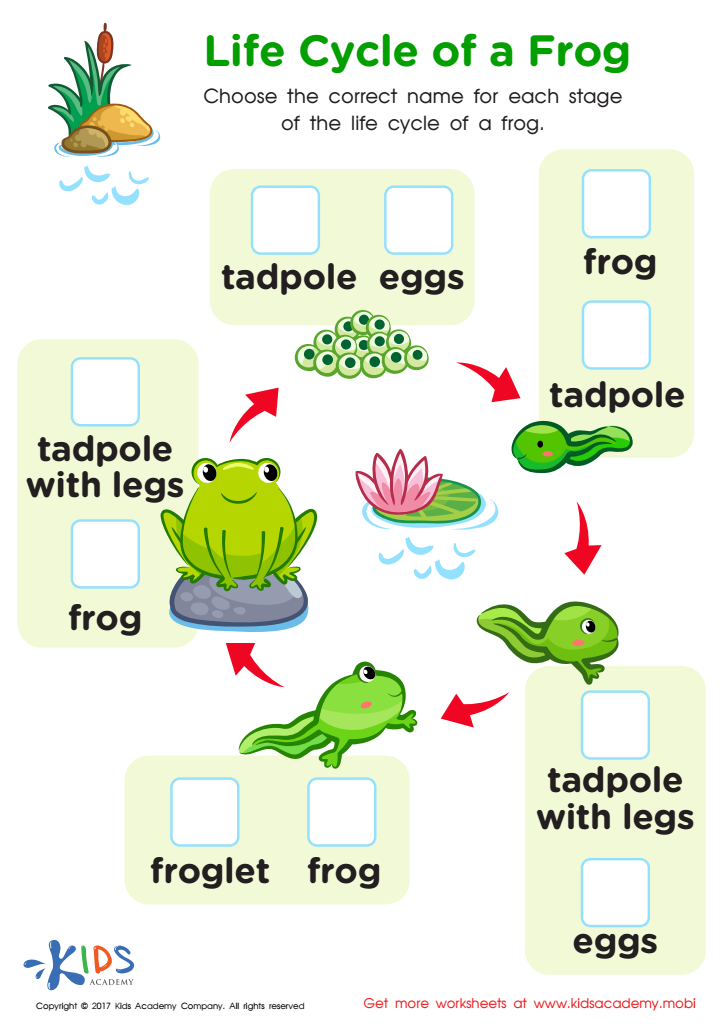
Life Cycle Frog Printable
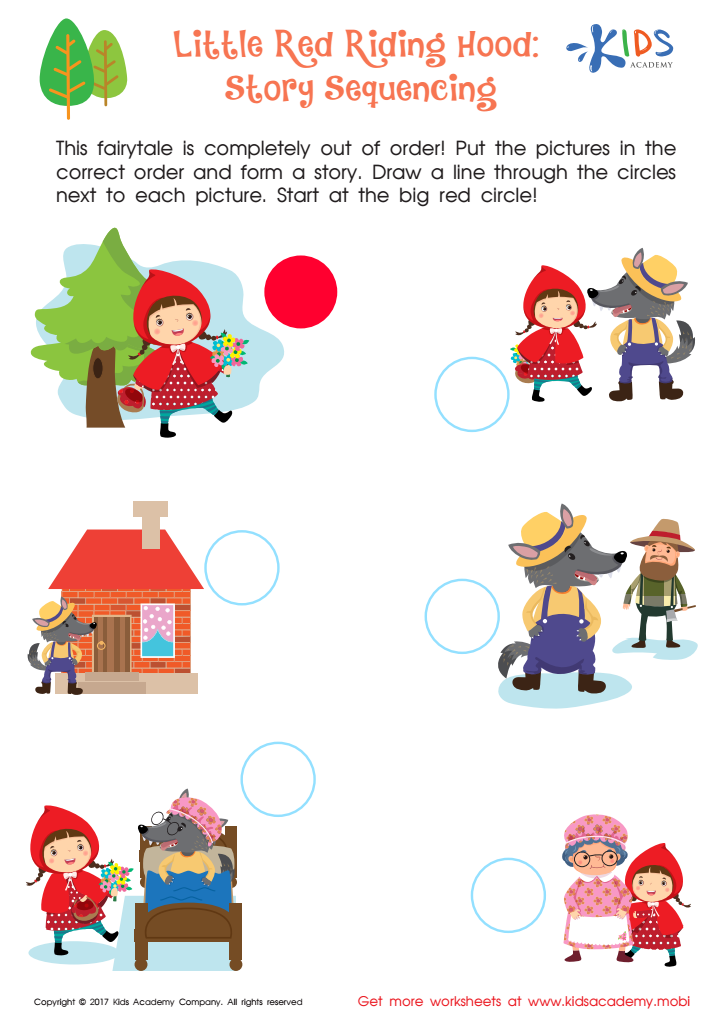
Story Sequencing Printable
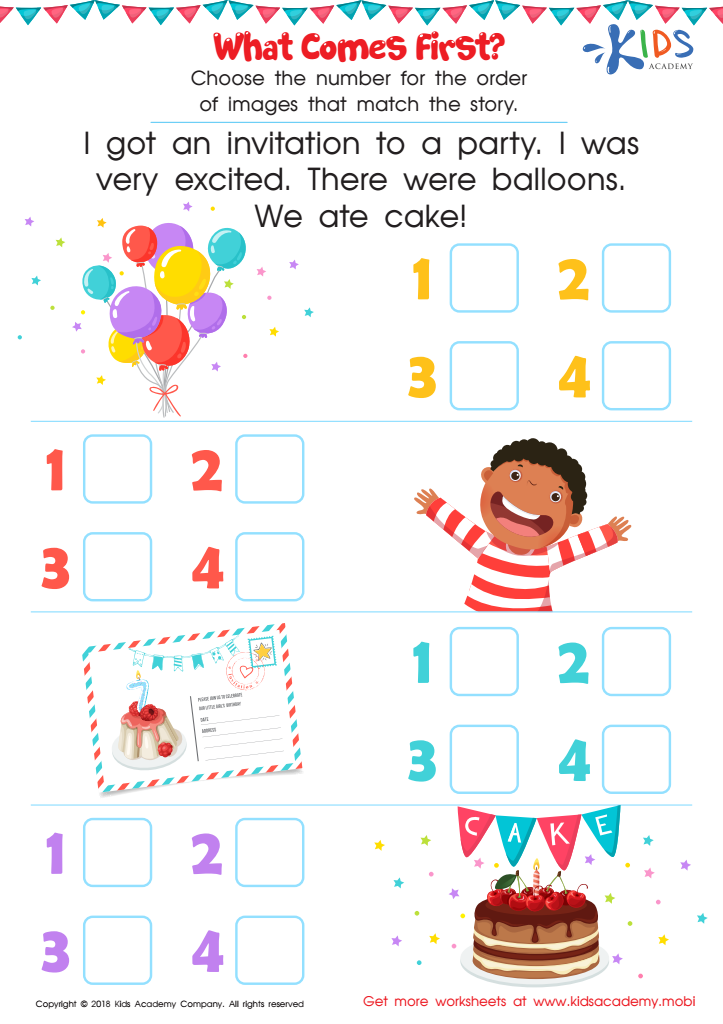
What Comes First Worksheet








Sequencing skills are essential for children aged 7-9 as they form the foundation for critical thinking and problem-solving abilities. At this developmental stage, children are beginning to understand more complex narratives and can better grasp cause-and-effect relationships. By fostering these skills, parents and teachers can help students organize their thoughts, break down tasks into manageable steps, and enhance both their reading comprehension and writing proficiency.
Developing strong sequencing skills aids in various areas of education, such as math and science, where understanding processes and hierarchies is crucial. For instance, following multi-step procedures in math problems or scientific experiments relies heavily on a child's ability to arrange events logically. Furthermore, these skills also translate into daily life, helping children become more effective in planning their activities and solving problems independently.
Encouraging sequencing through storytelling, timed activities, and educational games not only enhances cognitive development but also boosts a child's confidence. Consequently, when parents and teachers emphasize sequencing skills, they lay the groundwork for academic success and lifelong learning, ensuring children grow capable of thinking critically and organizing their thoughts clearly. This holistic development provides them with valuable tools needed in future educational endeavors and everyday life.








