Sound recognition Normal Worksheets for Ages 7-9
12 filtered results
-
From - To
Discover our engaging Sound Recognition Normal Worksheets designed specifically for children ages 7-9! These worksheets are perfect for enhancing auditory skills, enabling kids to identify and differentiate between various sounds. Each worksheet offers a mix of fun activities such as matching sounds to pictures, completing word searches, and interactive exercises that promote active listening. Tailored to align with early learning standards, our resources make learning enjoyable and effective. Encourage your child's literacy development and auditory awareness with these entertaining and educational sound recognition worksheets. Explore the collection today and support your child's learning journey through sound!
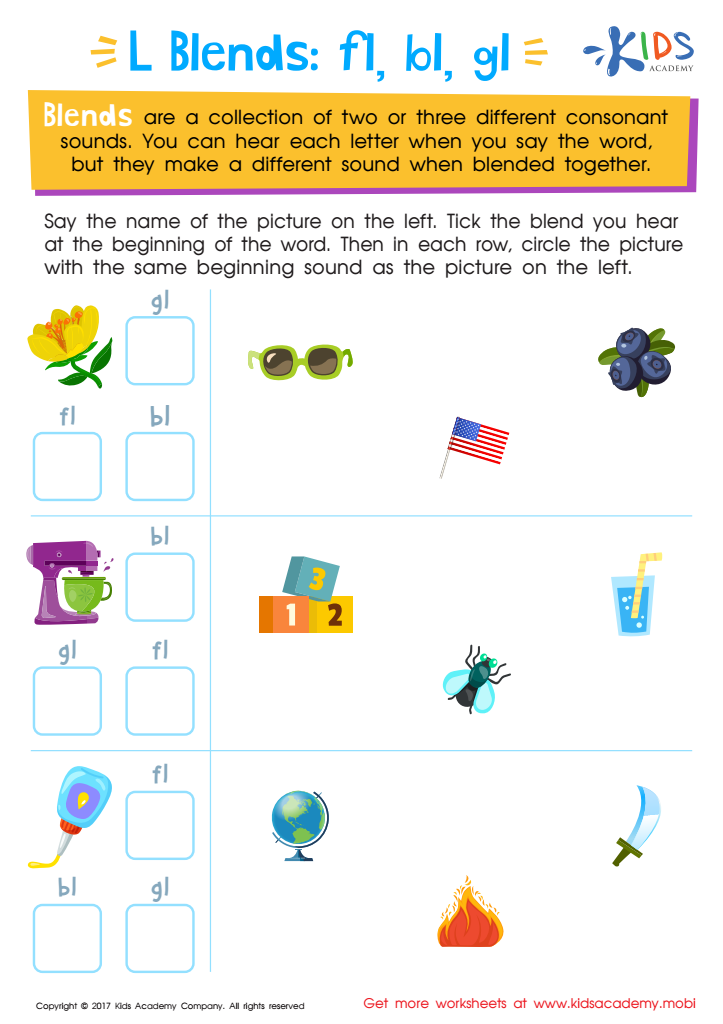
Blending Consonants: "Fl", "Bl" and "Gl" Printable
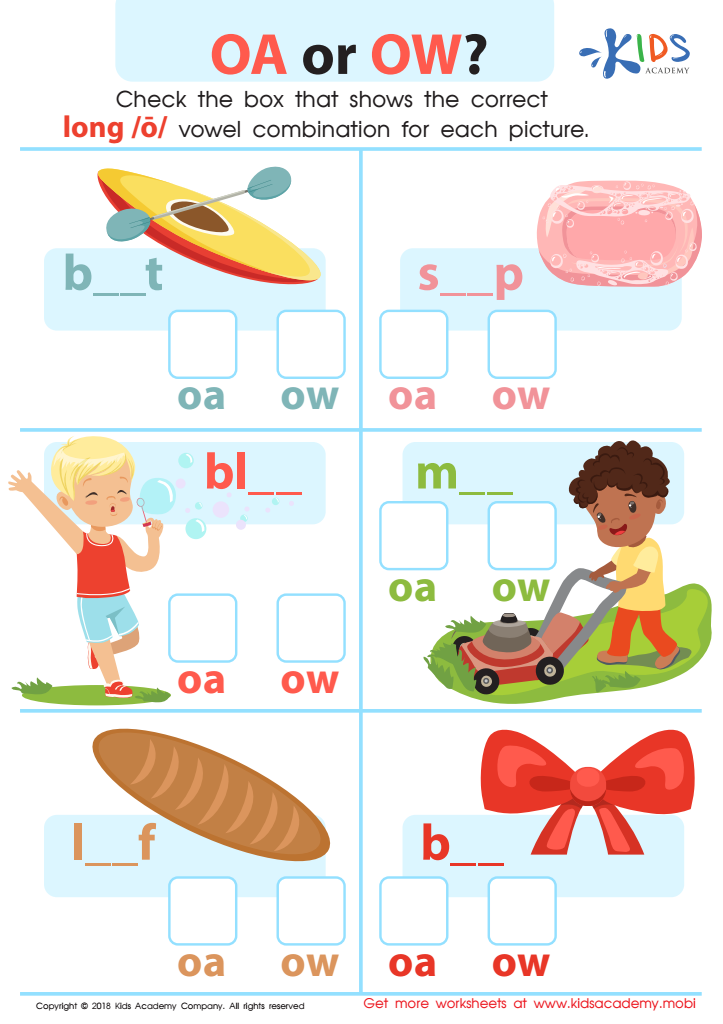
Reading: OA or OW Worksheet
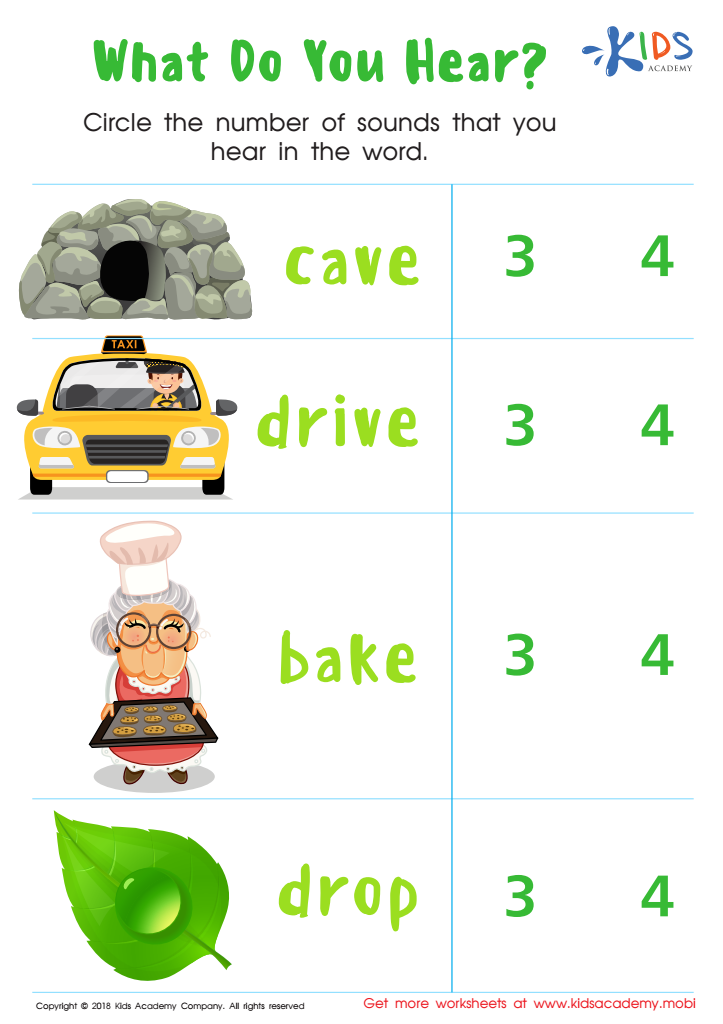
What Do You Hear? Worksheet
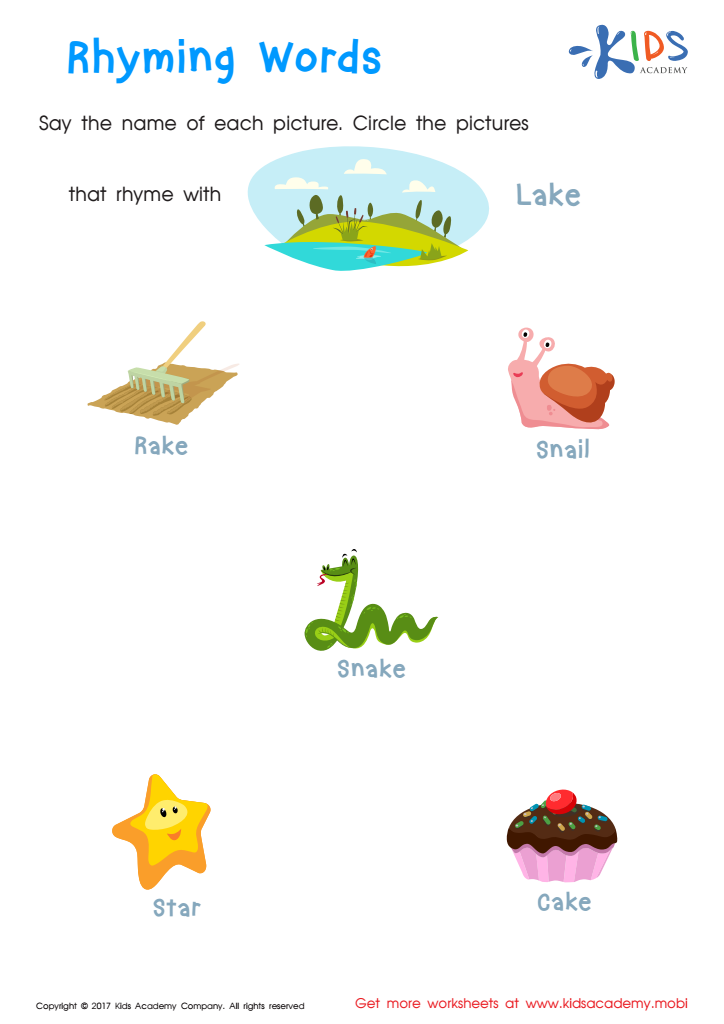
Rhyming Words Rhyming Worksheet
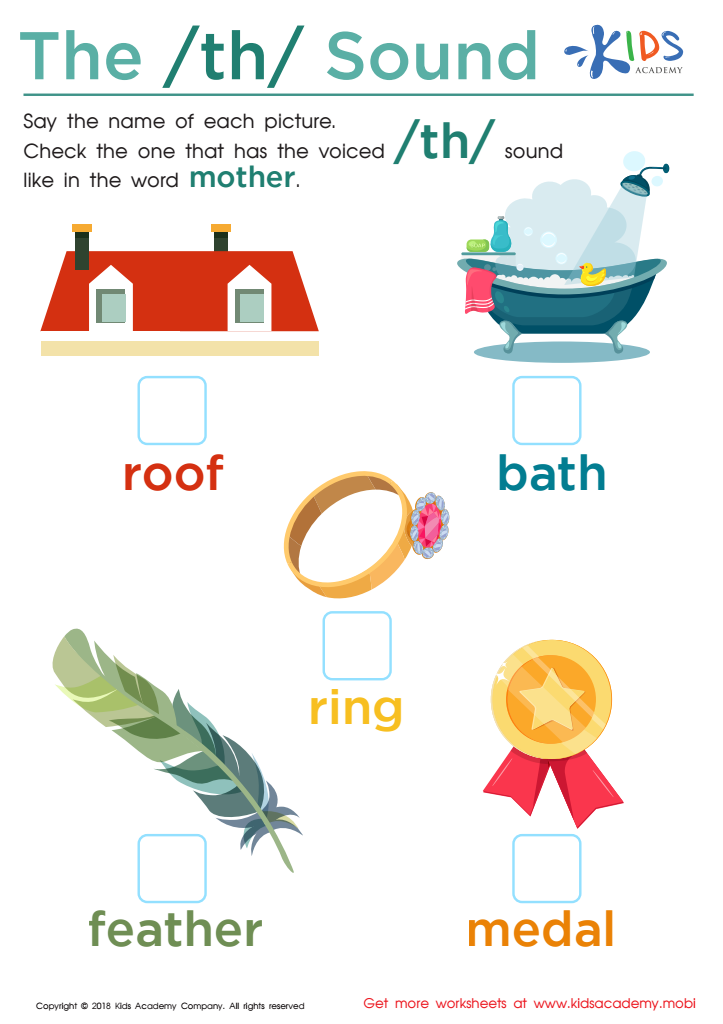
The /th/ Sound Worksheet
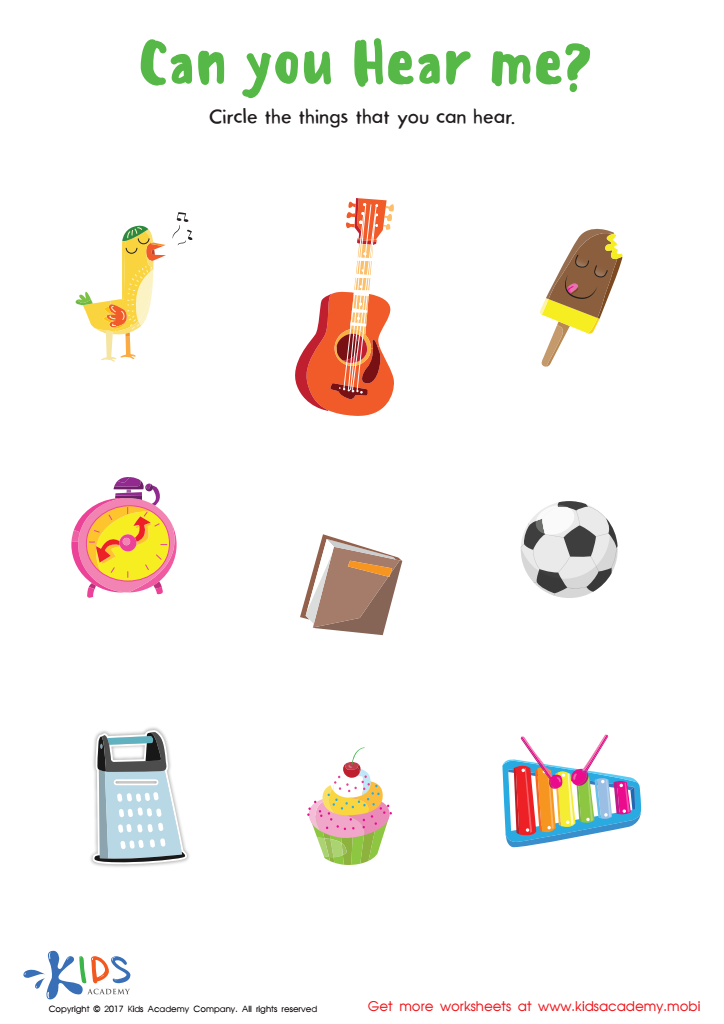
Can You Hear Me Worksheet
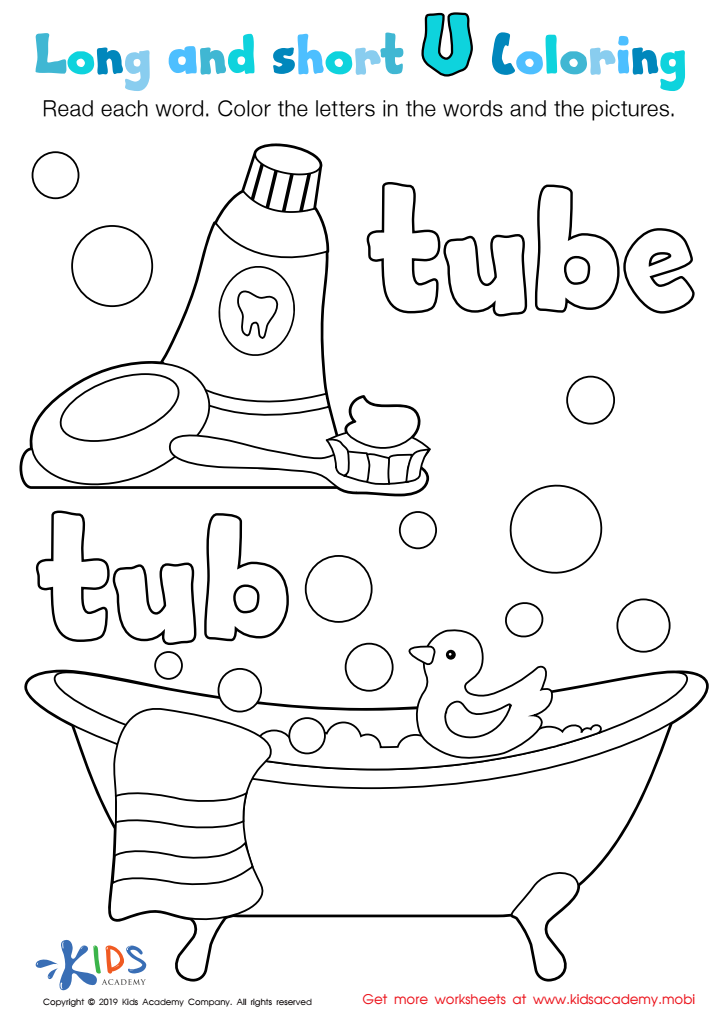
Long and Short U Worksheet
 Assign to My Students
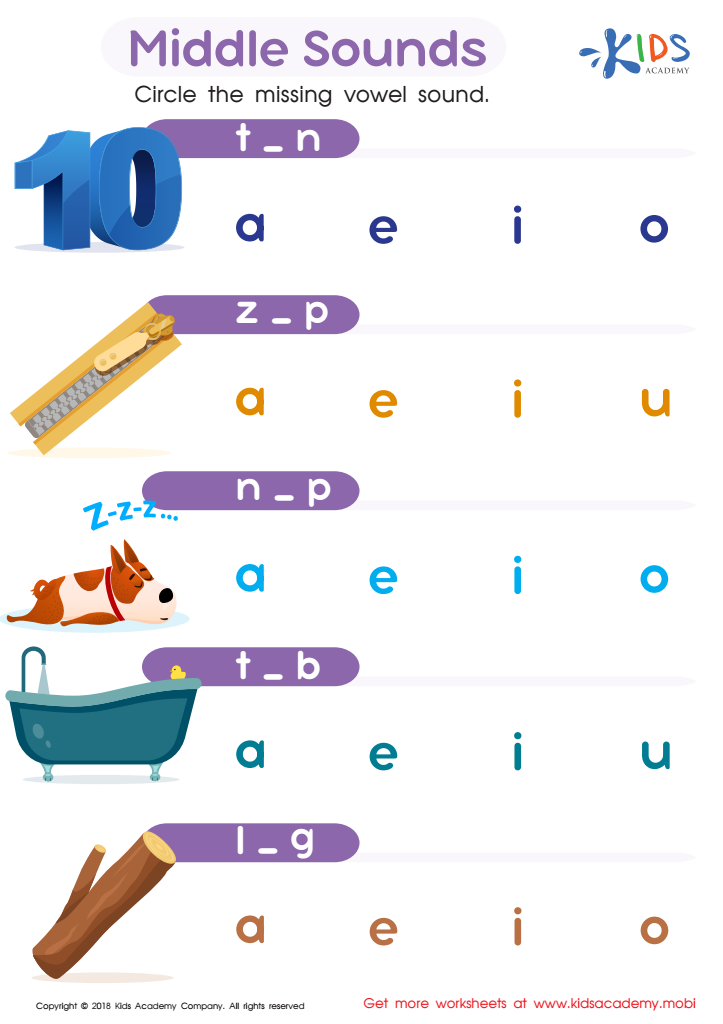
Middle Sounds Worksheet
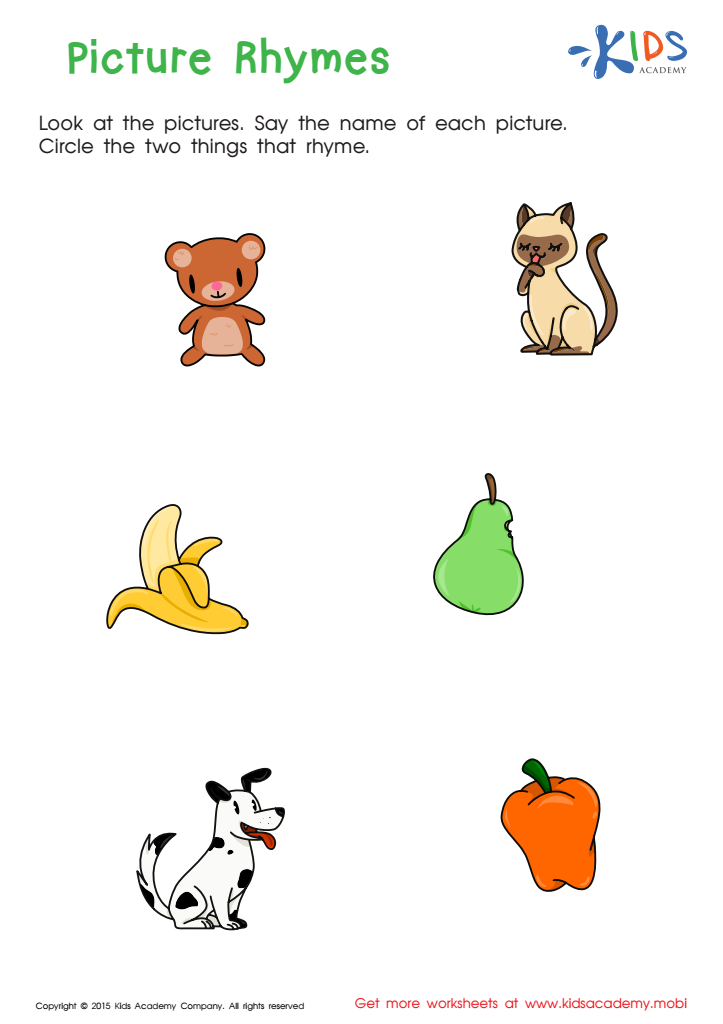
First Words: Picture Rhymes Worksheet
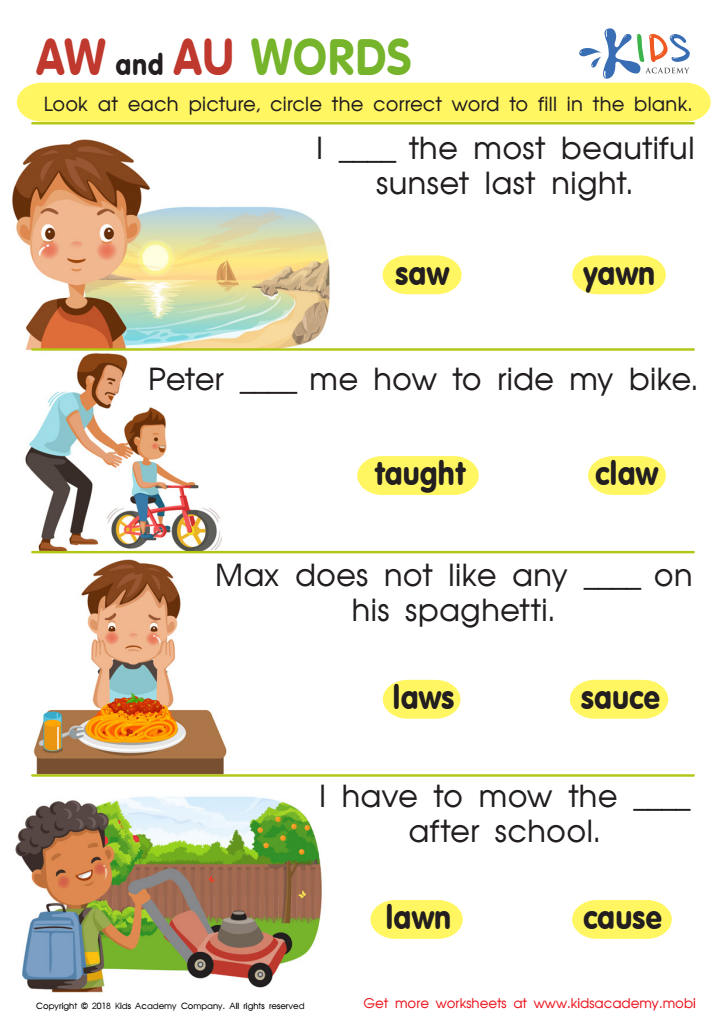
Reading: AW and AU Words Worksheet
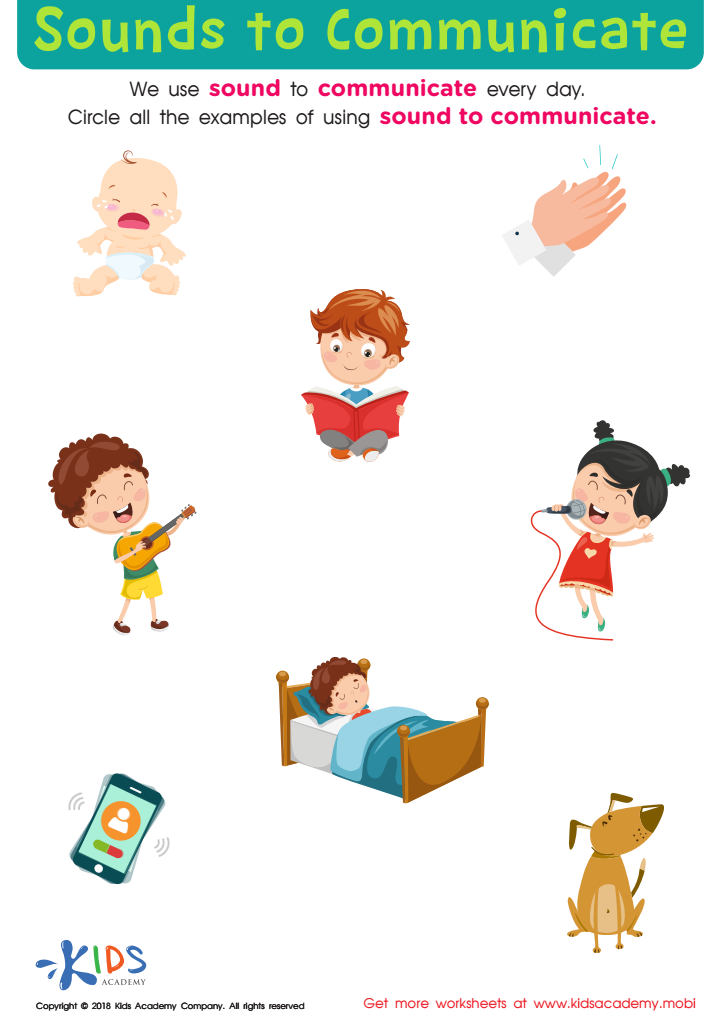
Sounds to Communicate Worksheet
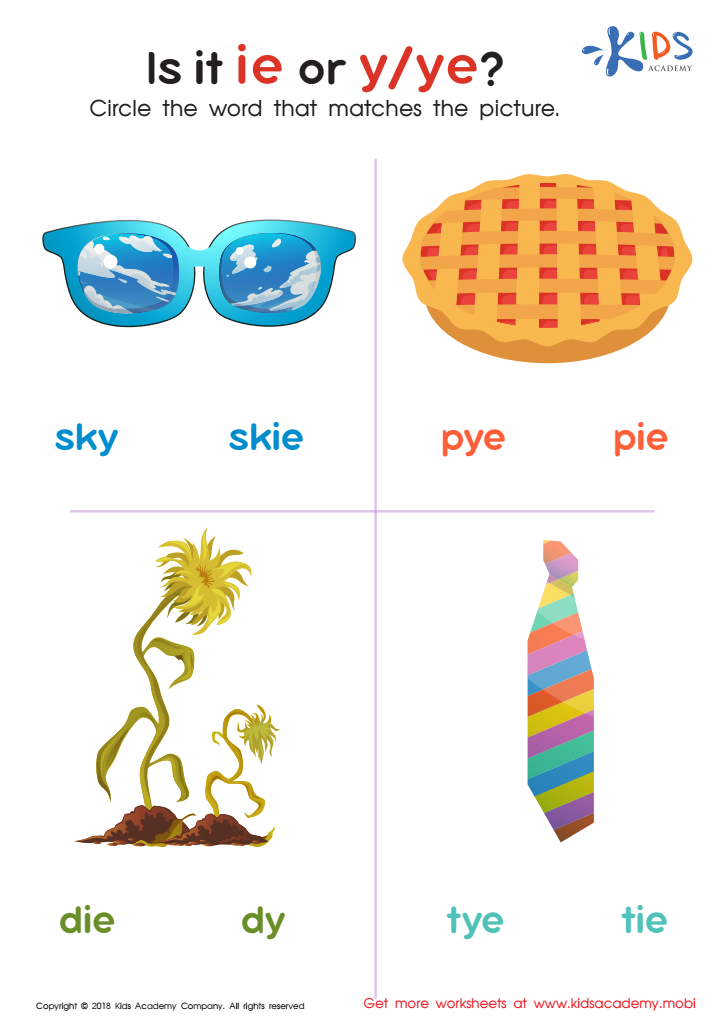
Is It IE or Y/Ye? Worksheet








Sound recognition plays a crucial role in the cognitive and linguistic development of children aged 7-9, making it essential for parents and teachers to prioritize this skill. At this age, children are becoming more adept at understanding language and communication, and sound recognition supports the acquisition of reading and writing skills. As they learn to identify phonemes, they begin to blend and segment sounds, which are foundational skills for successful literacy.
Moreover, sound recognition enhances auditory processing, allowing children to differentiate between similar sounds and improving their listening skills. This ability is vital for effective communication and social interactions, as it fosters understanding and engagement in conversations. Children who struggle with sound recognition may face challenges in classroom settings, which can impact their overall learning experience and self-esteem.
Ultimately, fostering sound recognition through engaging activities and targeted instruction ensures that children develop strong foundational skills that are critical not only for academic success but also for personal growth. By supporting this area of development, parents and teachers can help create confident, articulate young learners who are better equipped to navigate the complexities of language and literacy throughout their educational journey.








