Vocabulary Building Normal Worksheets for Ages 7-9 - Page 2
35 filtered results
-
From - To
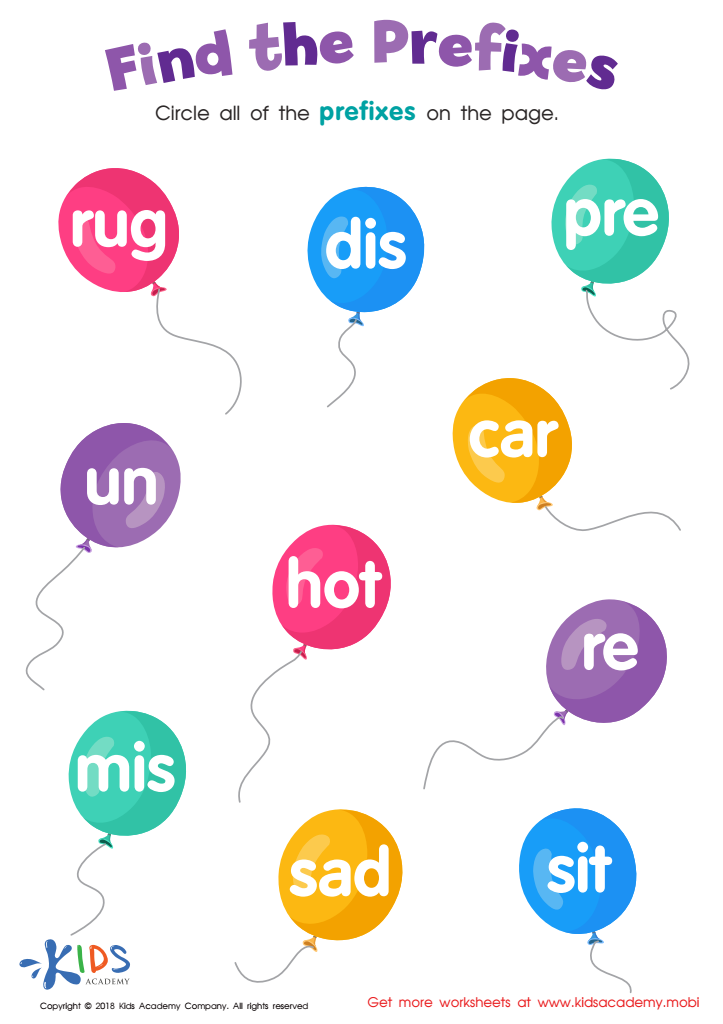
Reading: Find the Prefixes Worksheet
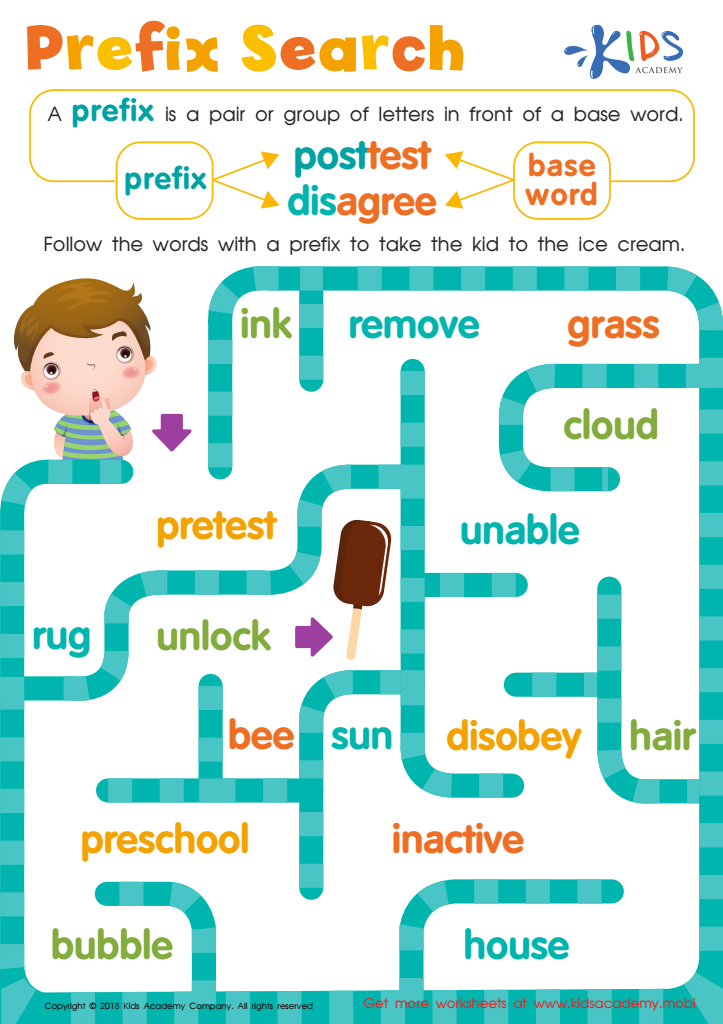
Reading: Prefix Search Worksheet
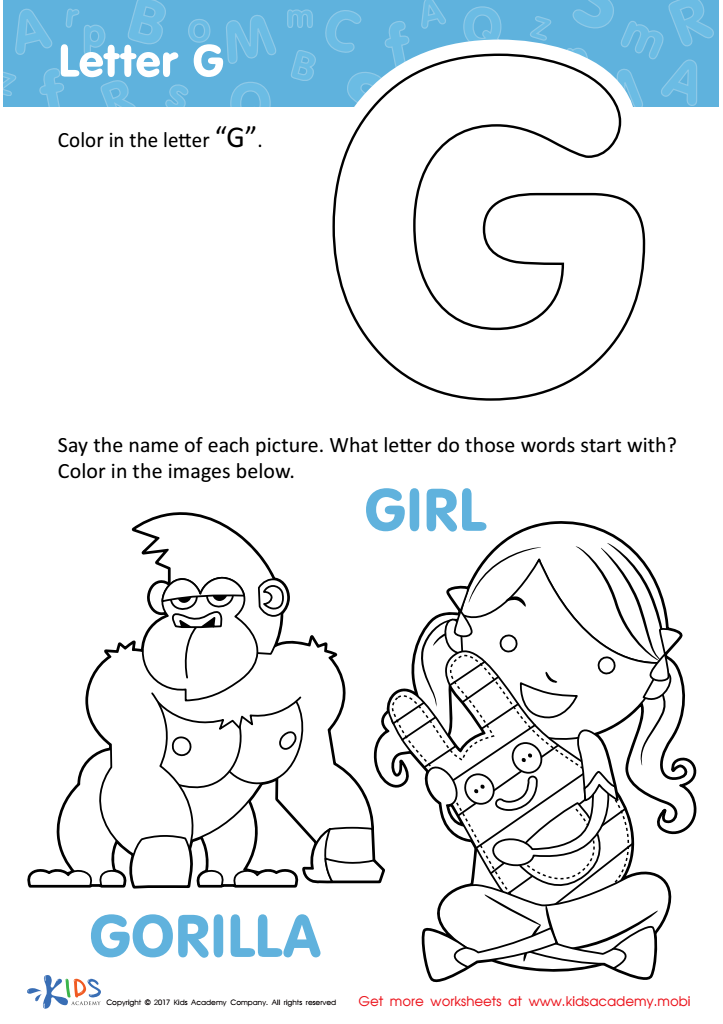
Letter G Coloring Sheet
 Assign to My Students
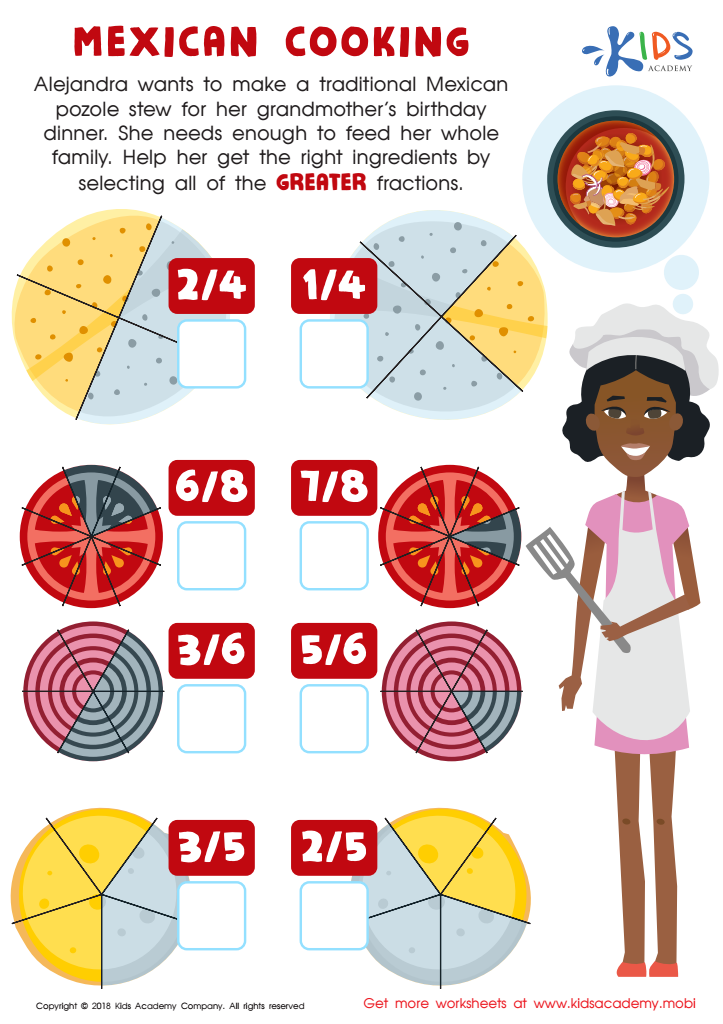
Mexican Cooking Worksheet
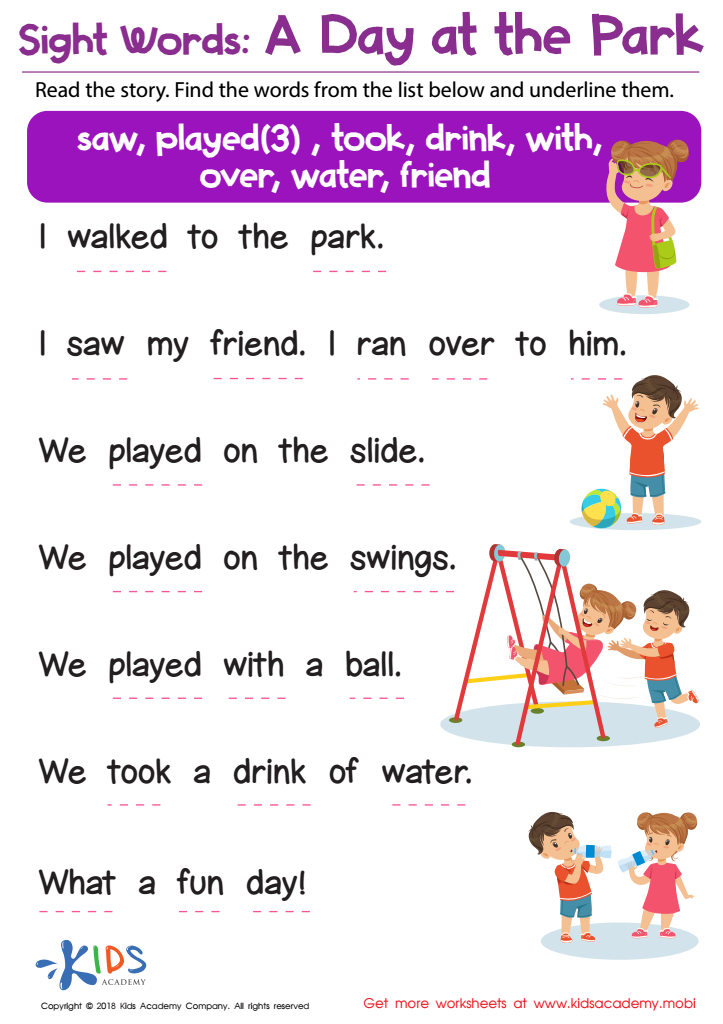
Sight Words: A Day at the Park Worksheet
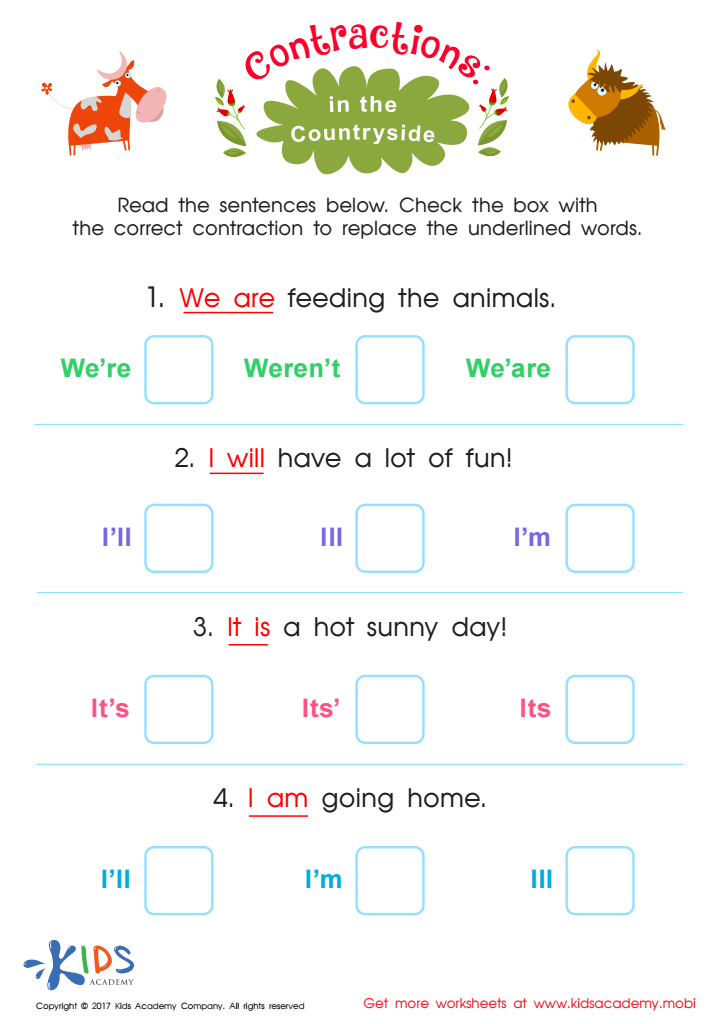
Contractions: In the Countryside Worksheet
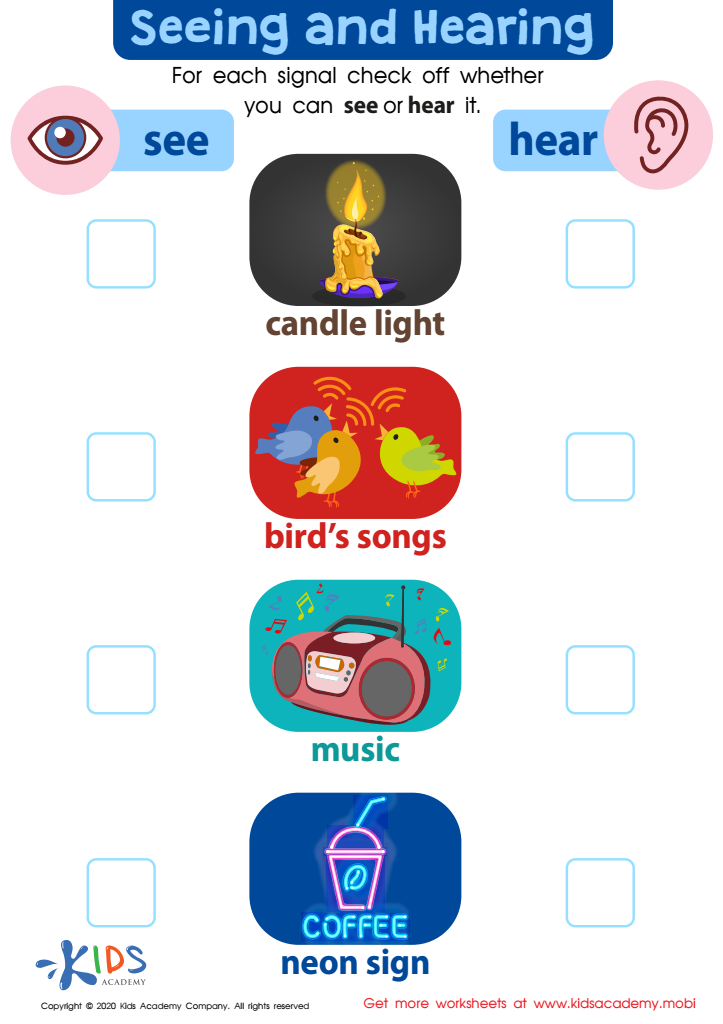
Seeing and Hearing Worksheet
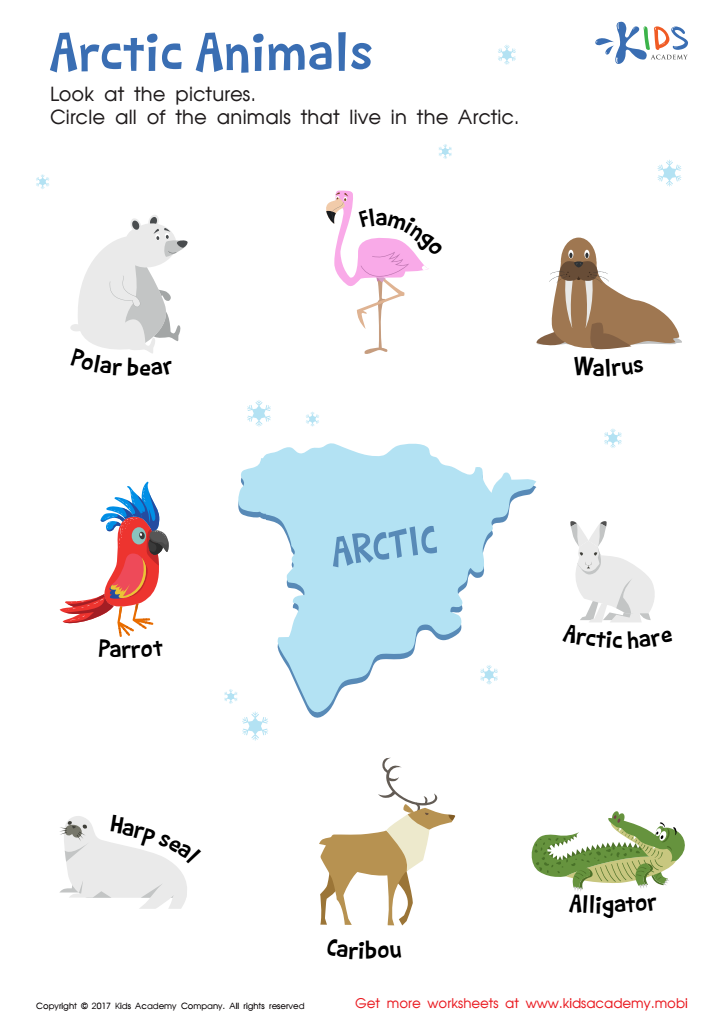
Arctic Animals Worksheet
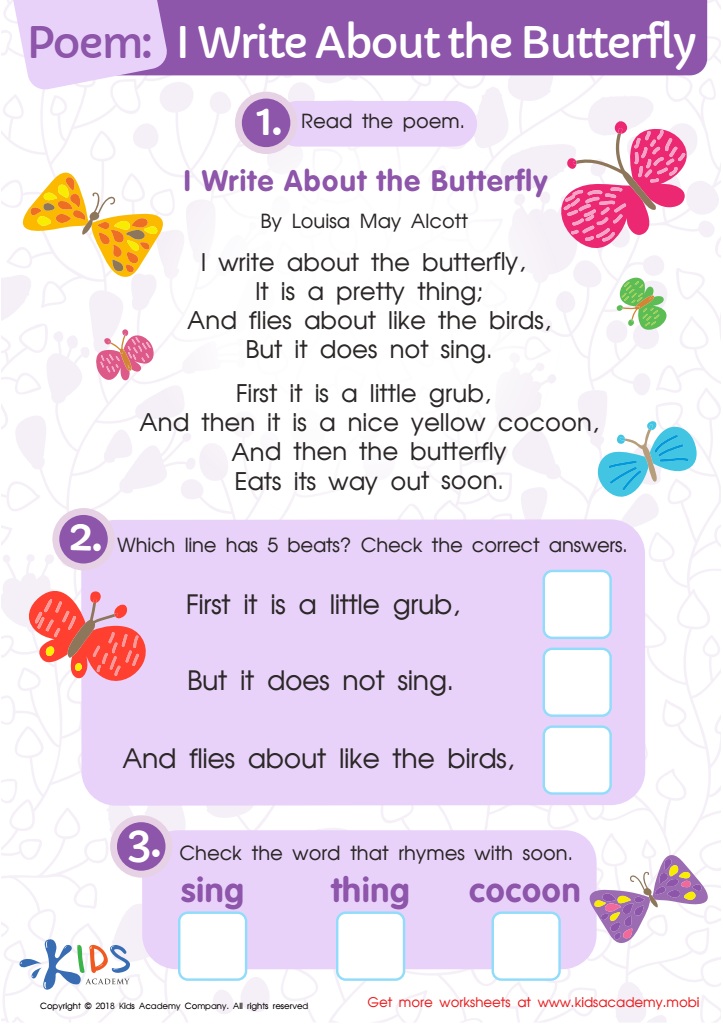
Poem: I Write About The Butterfly Worksheet
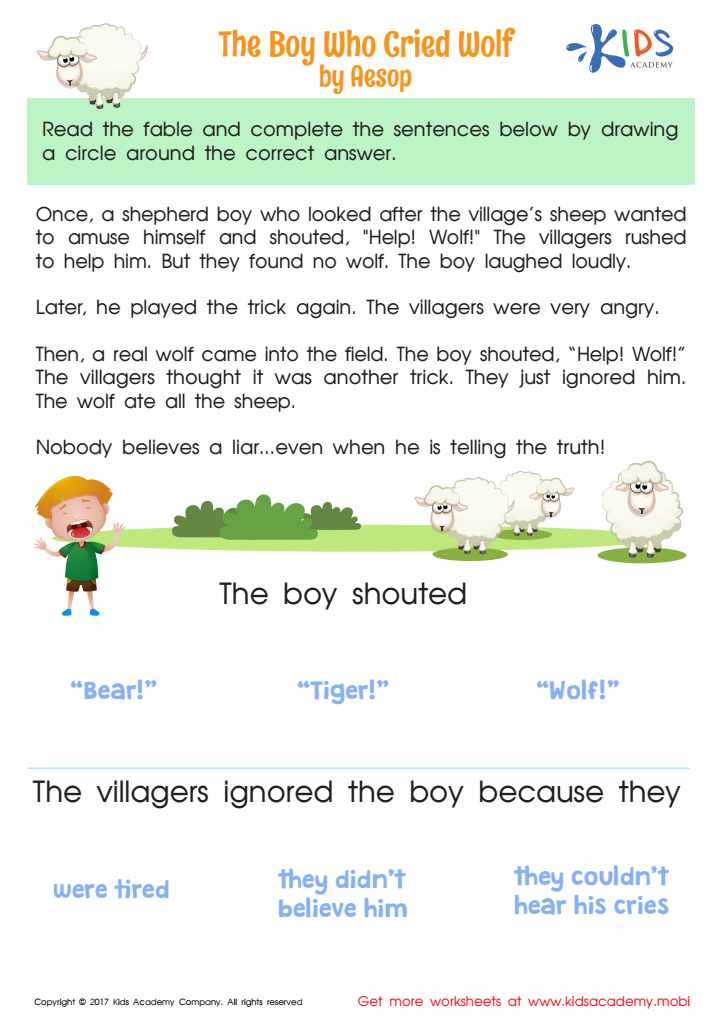
The Boy Who Cried Wolf Worksheet
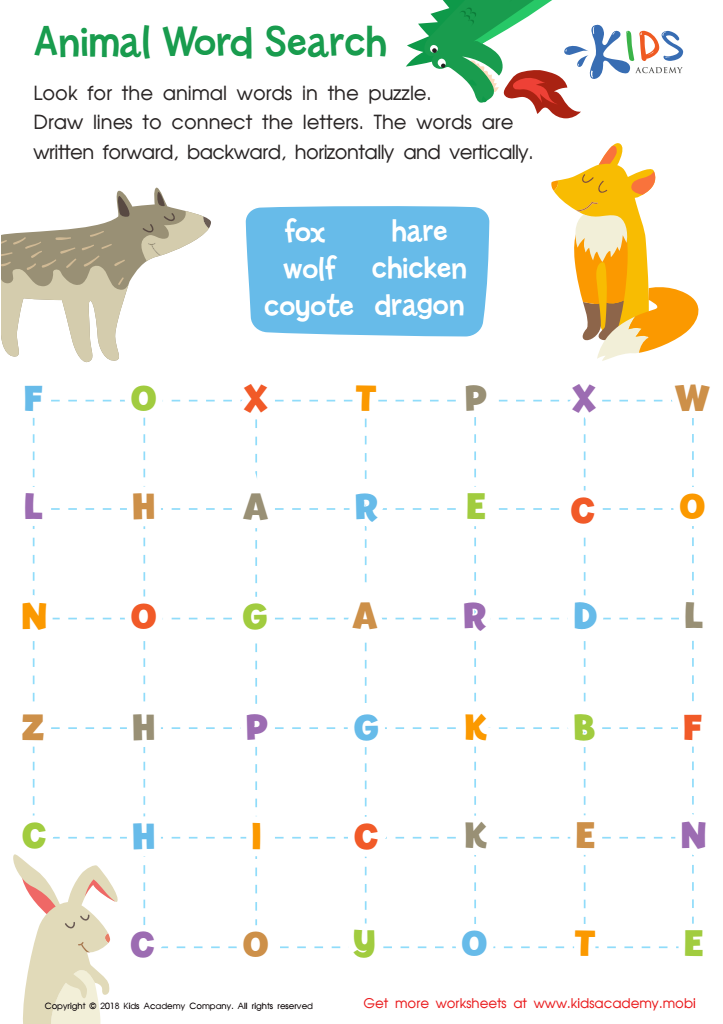
Animal Word Search Worksheet






Vocabulary building is crucial for children aged 7-9, making it essential for parents and teachers to prioritize this developmental aspect. At this age, children's cognitive and language skills are rapidly advancing, providing a prime opportunity to expand their vocabulary, which directly impacts their reading comprehension and writing skills. A rich vocabulary enhances their ability to express thoughts and emotions clearly, fostering effective communication.
Furthermore, vocabulary building supports academic success across all subjects, as a strong language foundation helps children understand complex concepts in math, science, and social studies. Engaging with diverse vocabulary also encourages critical thinking, as students learn to make connections between words and their meanings.
Socially and emotionally, a robust vocabulary equips children with the tools to navigate interpersonal relationships and articulate their feelings, thereby enhancing their social skills. Additionally, a love for words and language can inspire a lifelong passion for reading and learning, cultivating curious and informed individuals.
In conclusion, prioritizing vocabulary development for children ages 7-9 lays the groundwork for their future academic success and personal growth. By investing time and effort in vocabulary building, parents and teachers can play a pivotal role in nurturing confident, articulate, and knowledgeable young learners.








