Cultural awareness Normal Numbers Worksheets for Ages 7-9
3 filtered results
-
From - To
Enhance your child's understanding of numbers within a culturally rich framework using our Cultural Awareness Normal Numbers Worksheets designed for ages 7-9. These engaging, printable resources intertwine mathematics with lessons on diverse cultures, promoting both numerical literacy and global awareness. With activities such as counting culturally relevant objects and exploring number significance in various traditions, students will develop essential mathematical skills alongside a deeper appreciation for cultural diversity. Ideal for classrooms or at-home learning, these worksheets create a well-rounded educational experience that prepares young learners for a globally interconnected world. Cultivate cultural awareness while mastering numbers with Kids Academy!
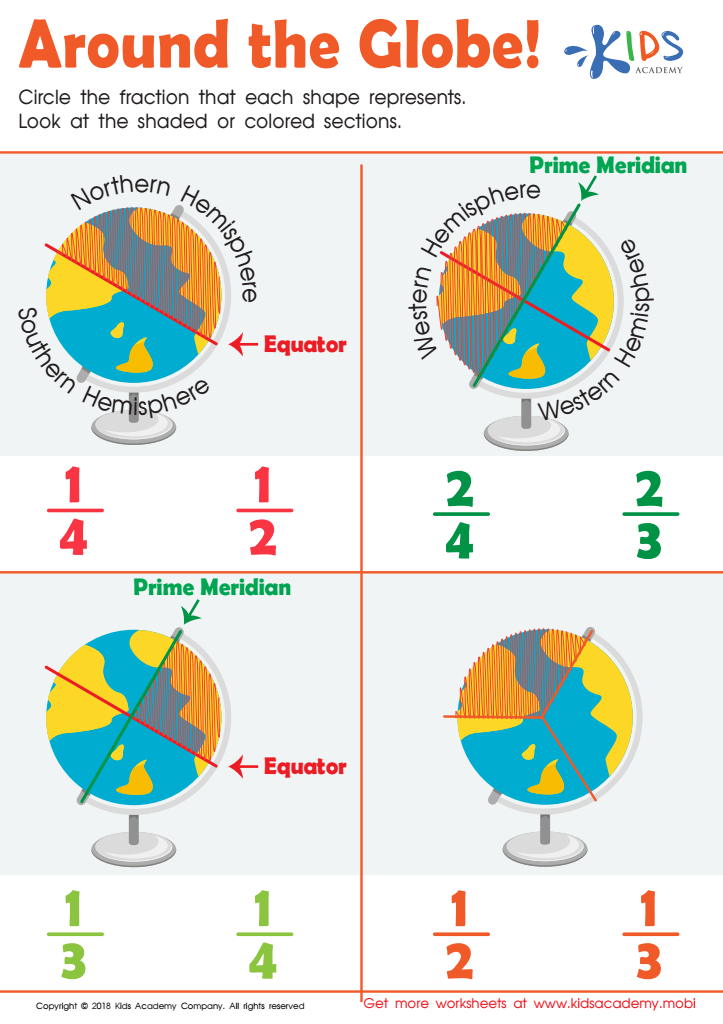
Around the Globe Worksheet
 Assign to My Students
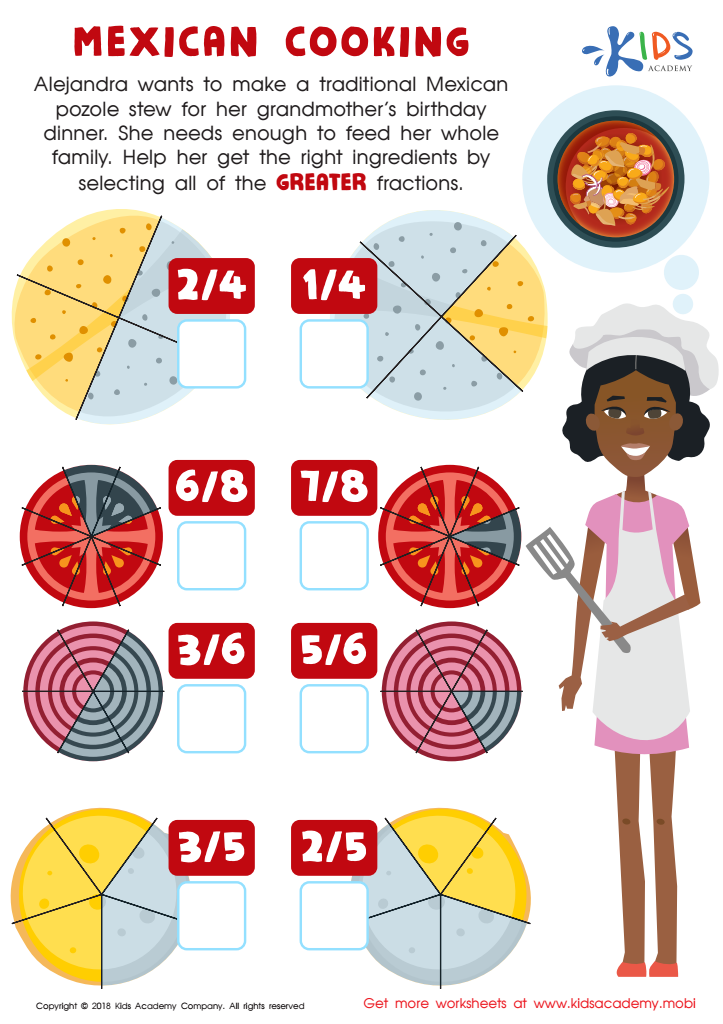
Mexican Cooking Worksheet
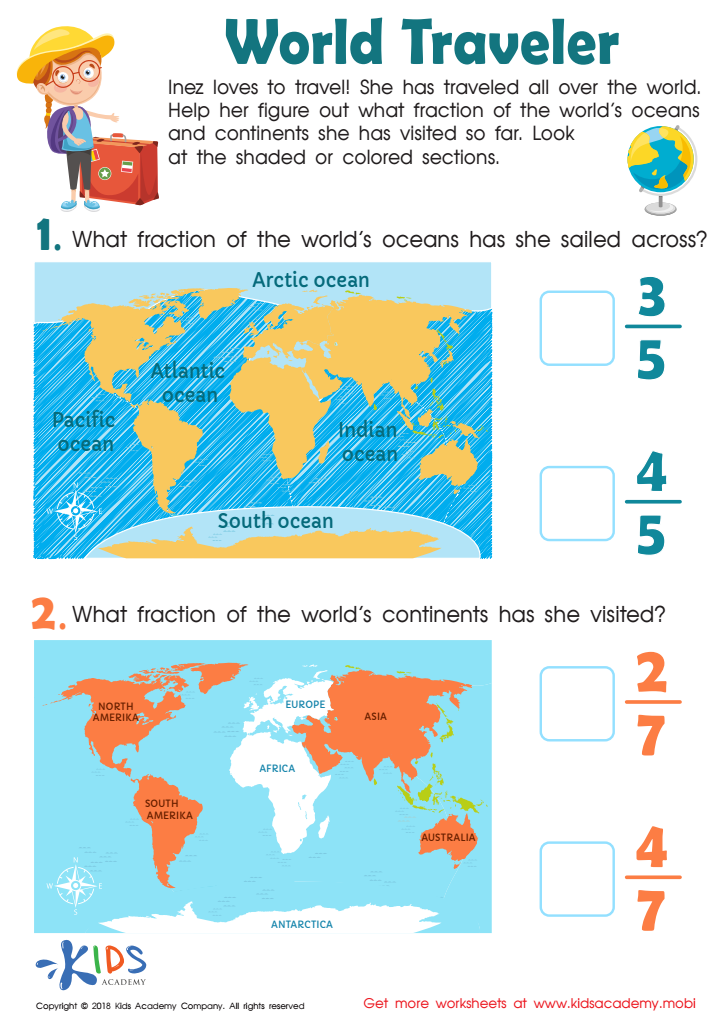
World Traveler Worksheet


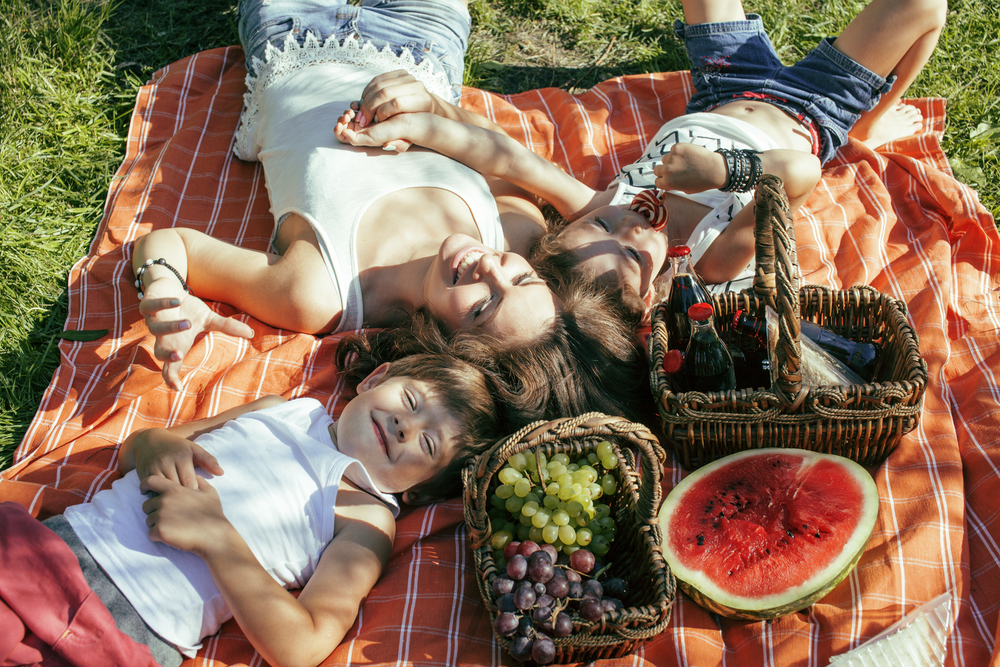





Cultural awareness is essential for children aged 7-9 as it fosters empathy, respect, and appreciation for diversity. At this age, children are developing social skills and understanding of the world around them. By incorporating cultural awareness into their learning, parents and teachers help create a more inclusive environment, where all children feel valued and understood.
Understanding cultural differences can significantly enhance communication and interpersonal skills. Children learn that various perspectives exist, which can lead to richer discussions and problem-solving. Furthermore, teaching cultural awareness promotes critical thinking by challenging stereotypes and encouraging children to explore and question their assumptions.
Additionally, cultural awareness enriches the curriculum. Integrating stories, art, music, and traditions from diverse cultures can make learning more engaging and relatable. It helps students see the relevance of their education in a global context.
When children appreciate various cultures, they are more likely to form positive relationships and work collaboratively with peers from different backgrounds. This foundation supports social harmony and prepares children for a multicultural world where collaboration across cultures is increasingly important. Therefore, prioritizing cultural awareness by parents and teachers sets the stage for compassionate, informed, and engaged global citizens.








