Number Sequencing Normal Numbers Worksheets for Ages 7-9
5 filtered results
-
From - To
Explore our engaging Number Sequencing Worksheets designed for ages 7-9! These worksheets encourage young learners to master the skill of ordering normal numbers in engaging and interactive ways. Help your child enhance their number sense and sequencing skills through a variety of fun activities that boost confidence and promote independent learning. Suitable for home or classroom use, our worksheets provide valuable practice to strengthen mathematical understanding. With colorful visuals and approachable exercises, kids will enjoy learning while developing critical thinking skills. Visit us for an enriching educational experience that supports early childhood math development! Start your child’s number sequencing journey today!
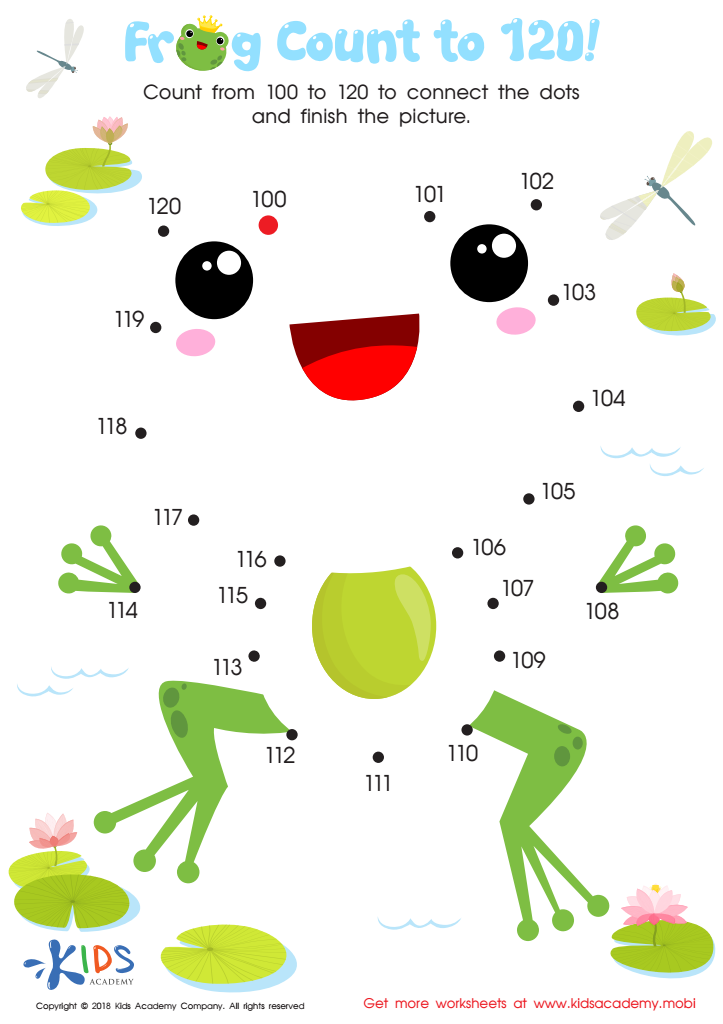
Frog Count to 120 Worksheet
 Assign to My Students
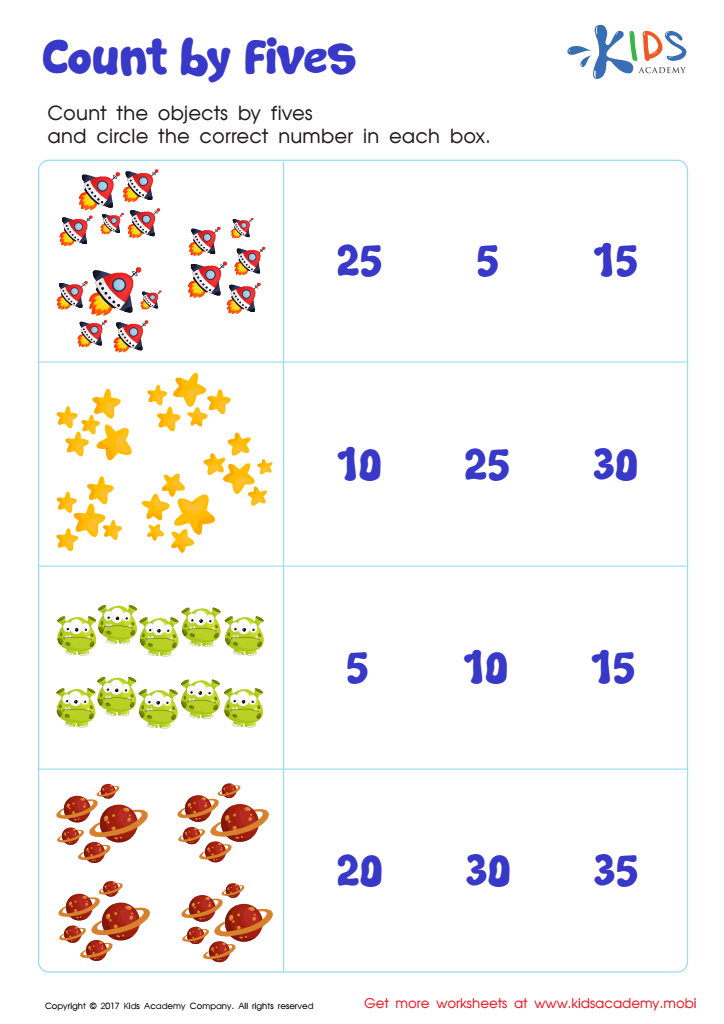
Skip Counting by 5s: Space Math Printable
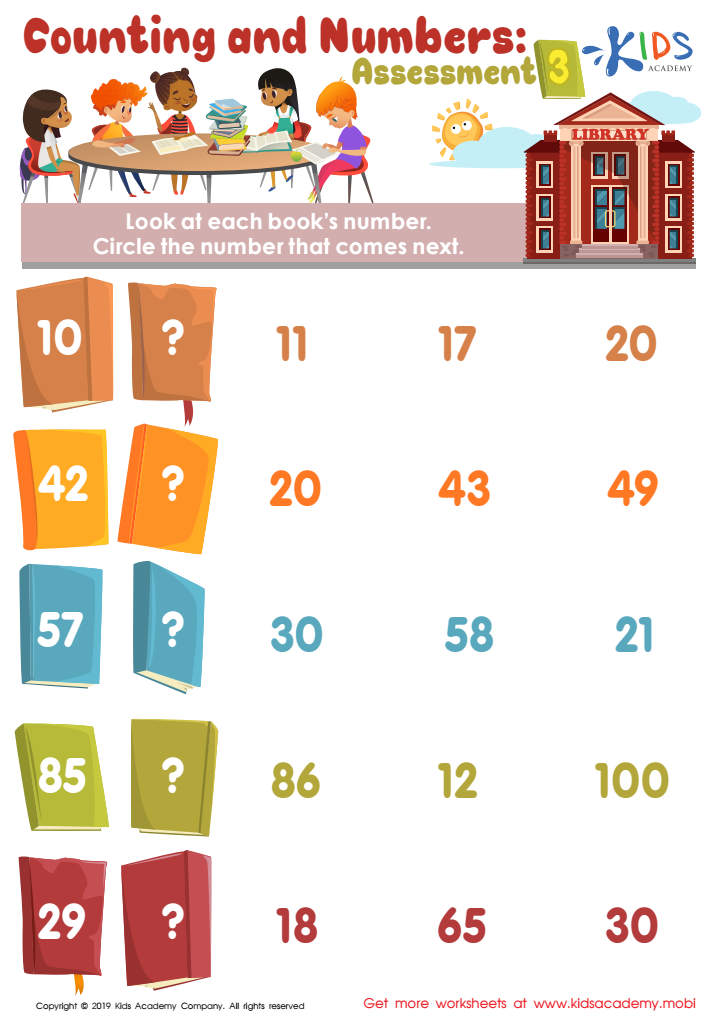
Counting and Numbers: Assessment Worksheet
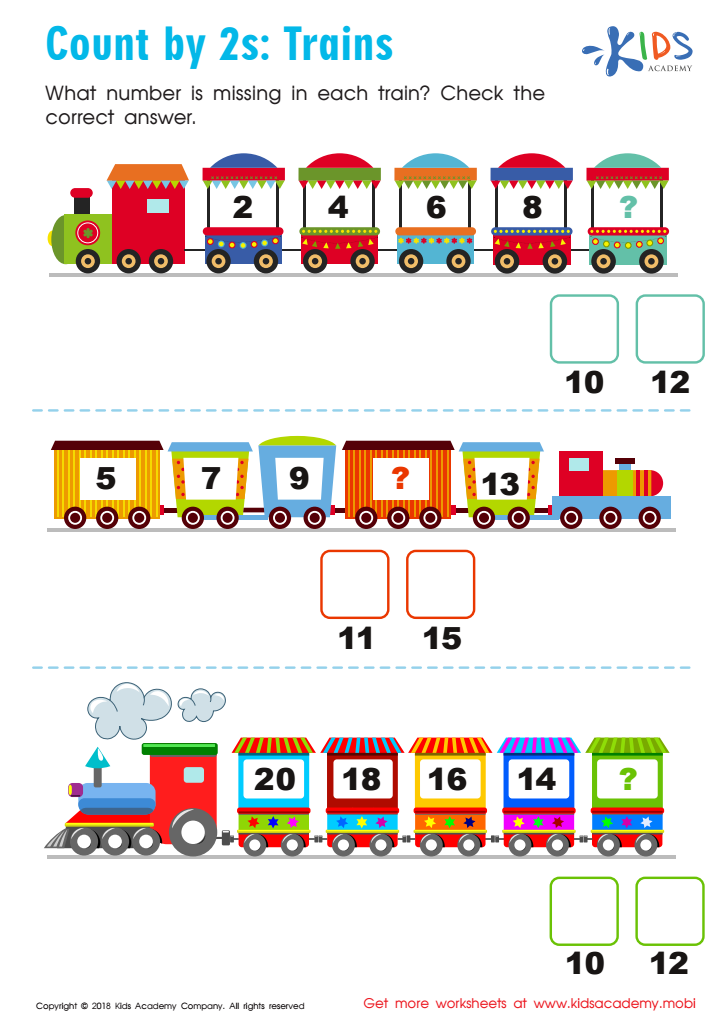
Count by 2's: Trains Worksheet
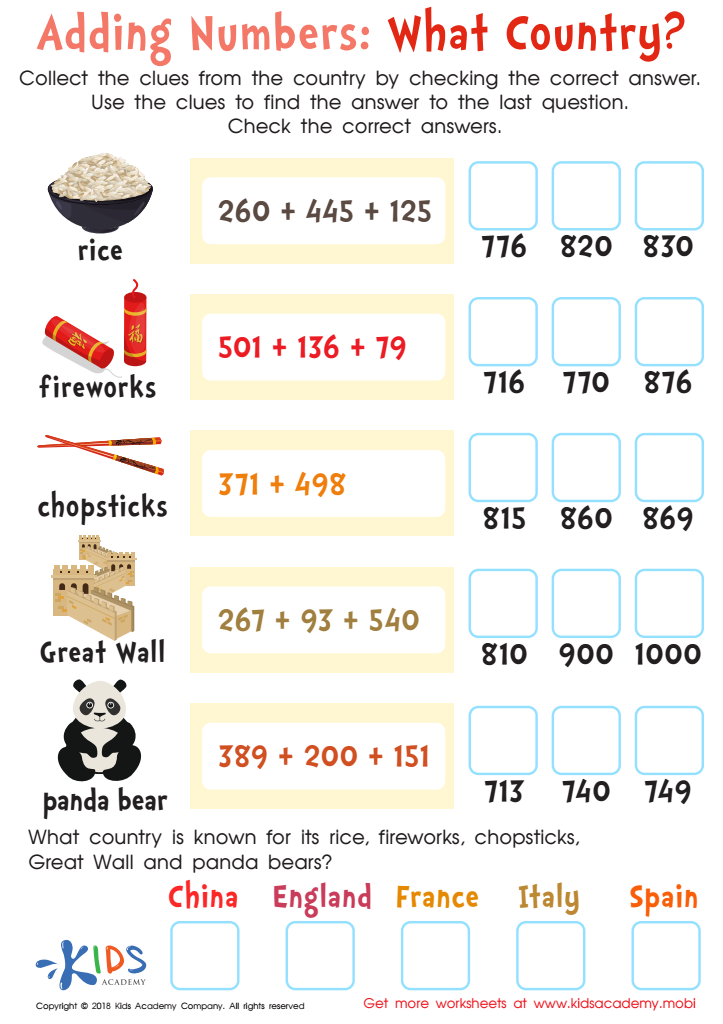
Adding Numbers: What Country Worksheet








Number sequencing is a fundamental skill that lays the groundwork for a child's understanding of mathematics, particularly for ages 7-9. During this developmental phase, children transition from concrete to more abstract thinking, making it an ideal time to reinforce concepts like normal numbers and sequencing.
Understanding number sequences helps children recognize patterns, which enhances their problem-solving skills and mathematical reasoning. With solid number sequencing foundations, students can answer questions involving addition, subtraction, and even begin to handle multiplication and division. Cognitive development theories assert that early mastery in sequenced numbers can directly impact children's ability to grasp more complex mathematical concepts later on.
Moreover, number sequences are often relevant not just in math, but also in daily life skills such as telling time, organizing events, and planning activities. Teachers and parents who nurture these skills foster a well-rounded mathematical awareness and greater confidence in their children's abilities.
Finally, collaborating at home and in the classroom can build strong communication between teachers and parents, establishing a supportive educational environment that encourages ongoing learning and a love for mathematics. Understanding this connection can empower students, preparing them for future academic success.








