Basic arithmetic skills Normal Math Worksheets for Ages 7-9
5 filtered results
-
From - To
Welcome to our collection of Basic Arithmetic Skills Normal Math Worksheets, designed specifically for children aged 7-9. These engaging worksheets cover essential math concepts, helping students strengthen their addition, subtraction, multiplication, and division skills. With a focus on interactive learning, our printable resources encourage practice through fun exercises that build confidence and proficiency. Ideal for use at home or in the classroom, these worksheets support young learners in mastering foundational arithmetic concepts while making learning enjoyable. Explore our comprehensive library and watch your child's math abilities soar as they gain essential skills for academic success!
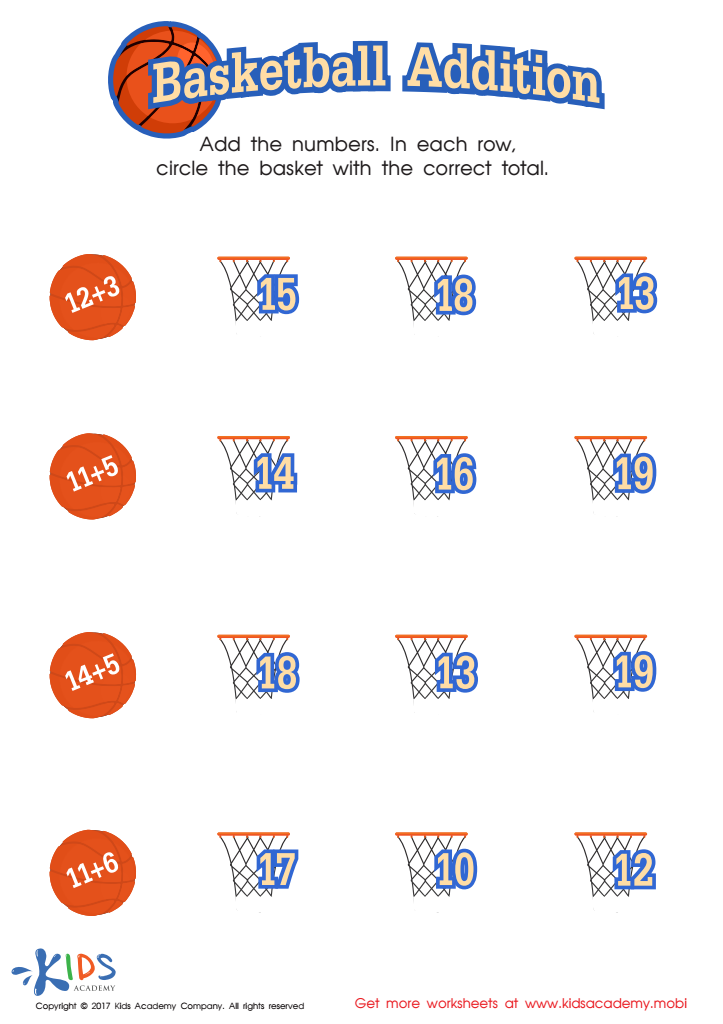
 Assign to My Students
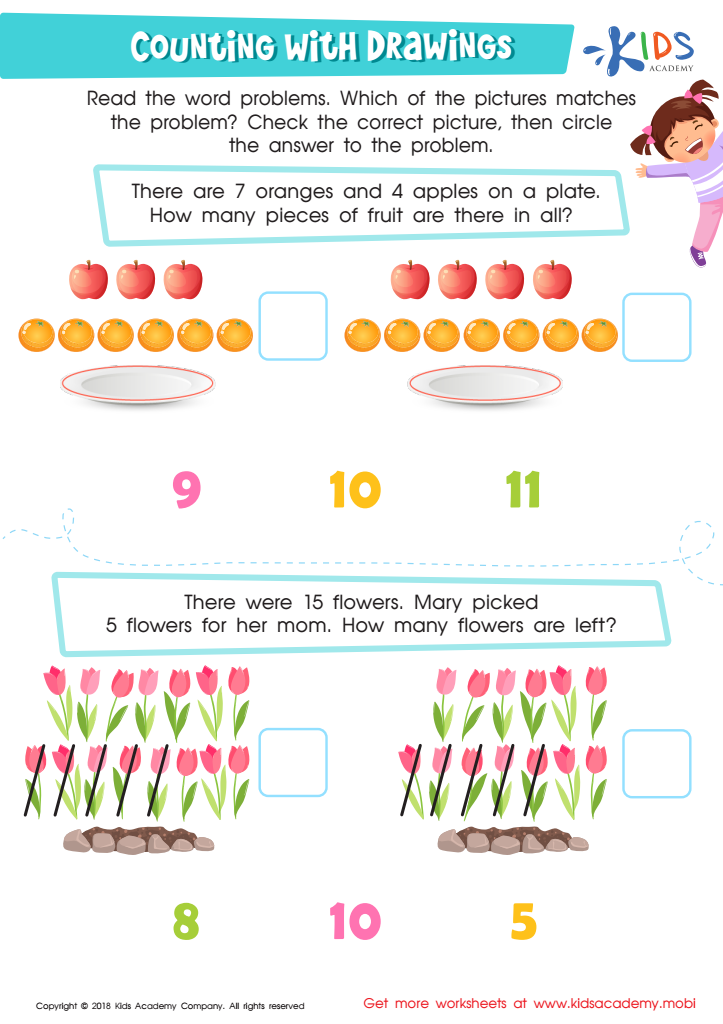
Counting with Drawings: Fruits & Chocolates Worksheet
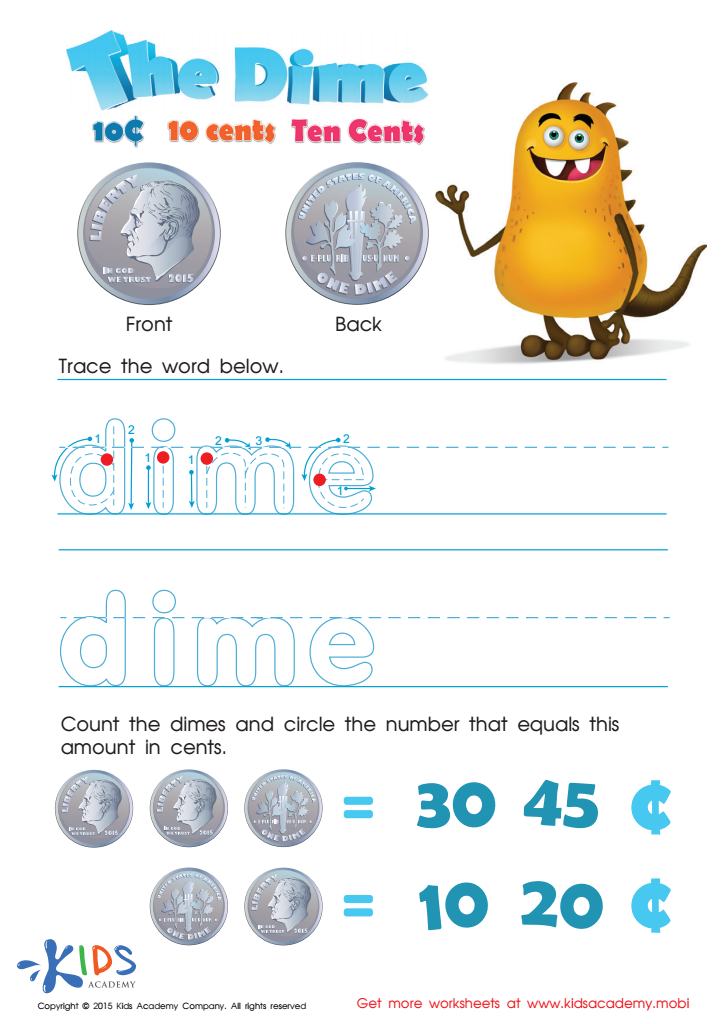
Ten Cents or the Dime Money Worksheet
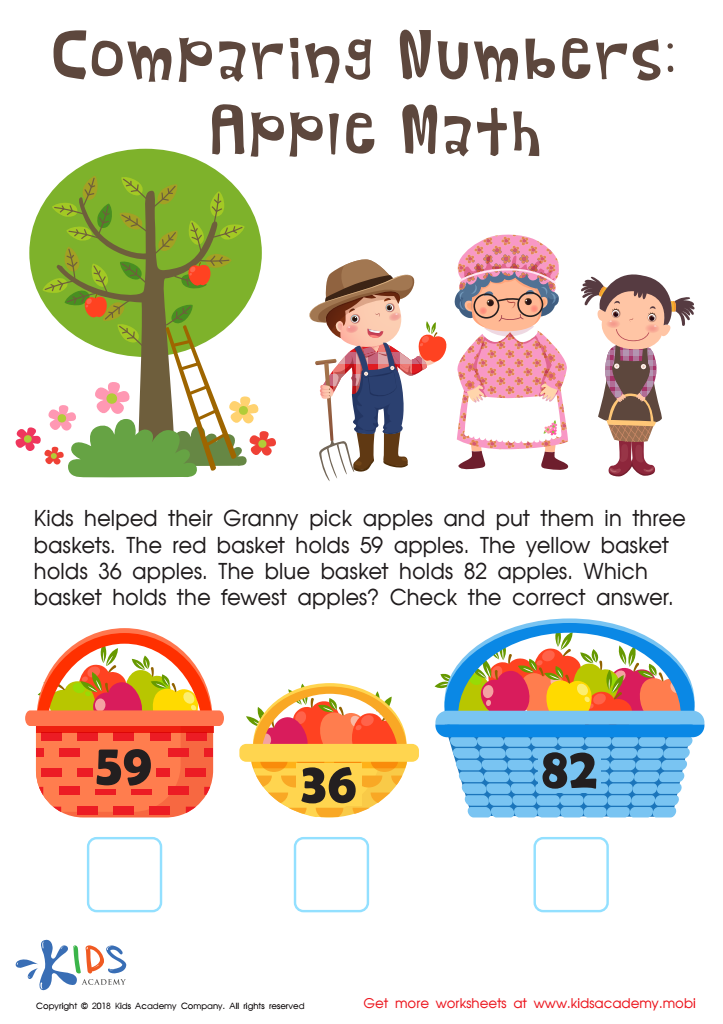
Apple Math Worksheet
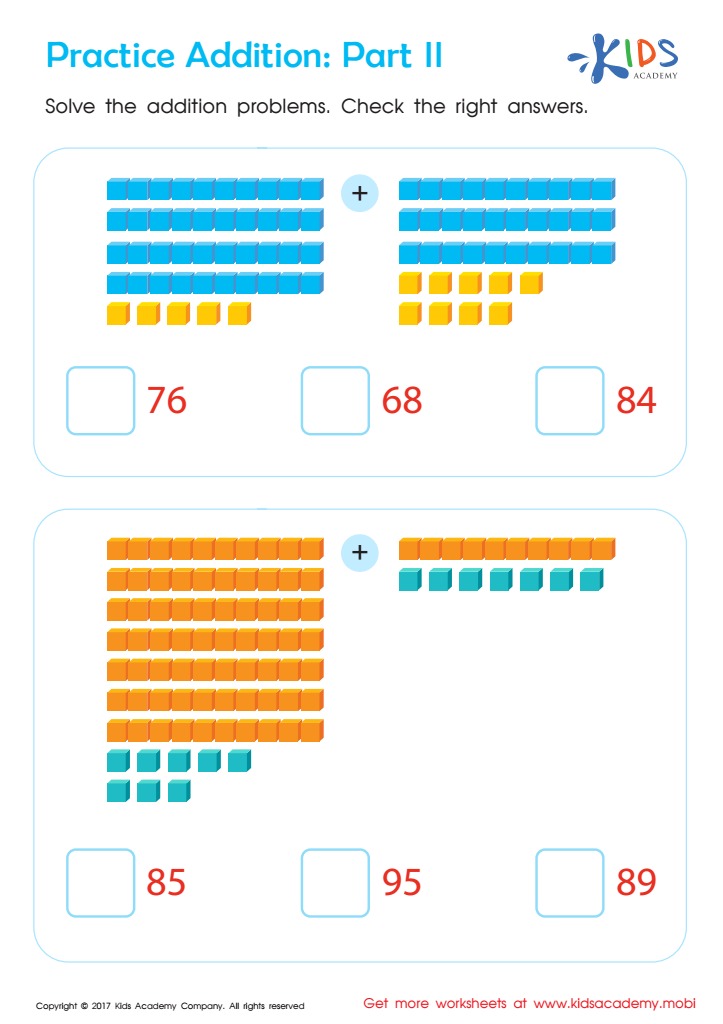
Practice Addition: Part 2 Worksheet


%20(1).jpg)





Basic arithmetic skills are crucial for children aged 7-9 as they form the foundation for their future academic success and daily life. From simple addition and subtraction to understanding multiplication and division, these skills enhance a child's ability to problem-solve and think critically. Mastering basic arithmetic allows children to navigate everyday situations, such as budgeting allowance, sharing snacks, or calculating time, fostering independence and confidence.
For parents and teachers, supporting the development of these skills is essential. When children grasp arithmetic concepts, they build a stronger interest in mathematics and related subjects. Furthermore, proficient arithmetic skills facilitate more advanced learning in mathematics, ensuring students are well-prepared for future challenges in school.
Additionally, investing time in teaching basic arithmetic improves overall cognitive development. It encourages logical reasoning and can significantly enhance a child’s ability to learn in other subjects, such as science or economics, where quantitative skills are paramount. Teachers and parents who prioritize arithmetic skills equip children with essential tools to succeed academically and in life, nurturing self-esteem and a love for learning. Basic arithmetic skills, therefore, are not just numbers; they are vital life skills that every parent and educator should champion.








