Reading comprehension Normal Math Worksheets for Ages 7-9 - Page 2
26 filtered results
-
From - To
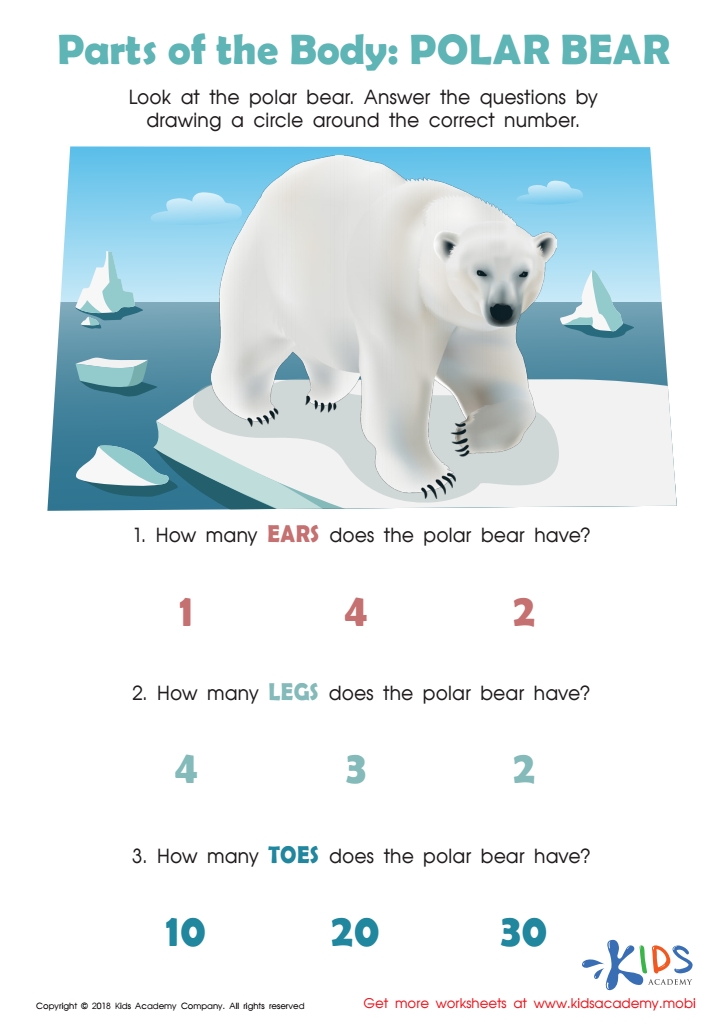
Parts of the Body: Polar Body Worksheet
 Assign to My Students
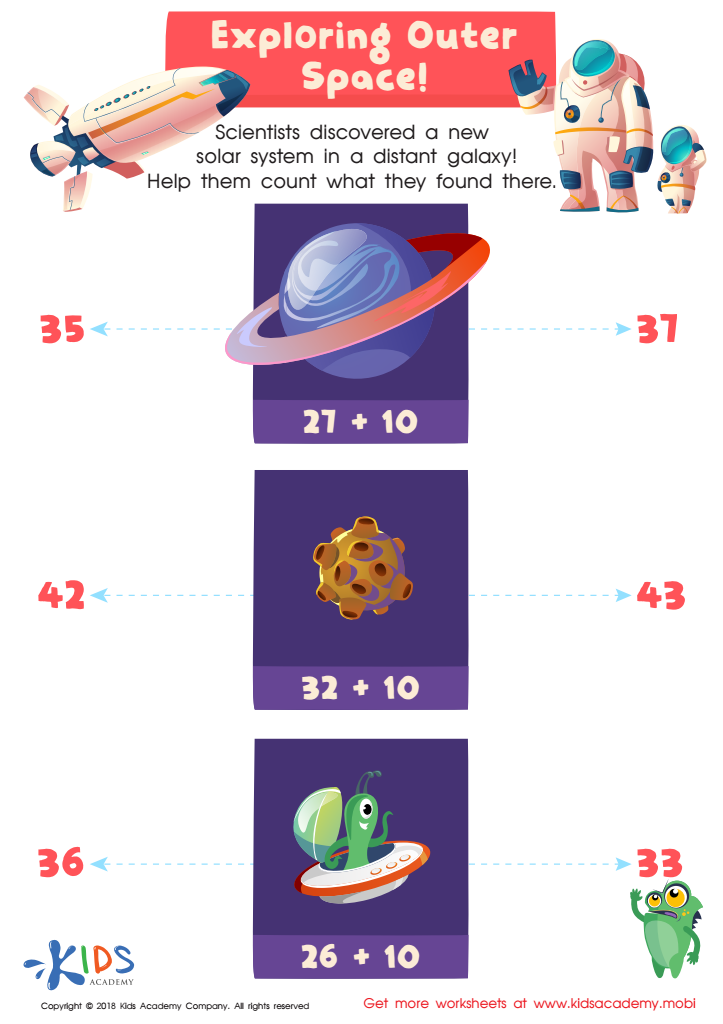
Exploring Outer Space Worksheet



.jpg)


Reading comprehension and foundational math skills are crucial areas of development for children aged 7-9, and both serve as the bedrock for their future academic success. At this age, children transition from learning to read to reading to learn, making strong reading comprehension skills vital for understanding various subjects beyond English. Comprehension enables children to grasp concepts, follow instructions, and engage with diverse texts, fostering a love for reading that can lead to greater knowledge acquisition.
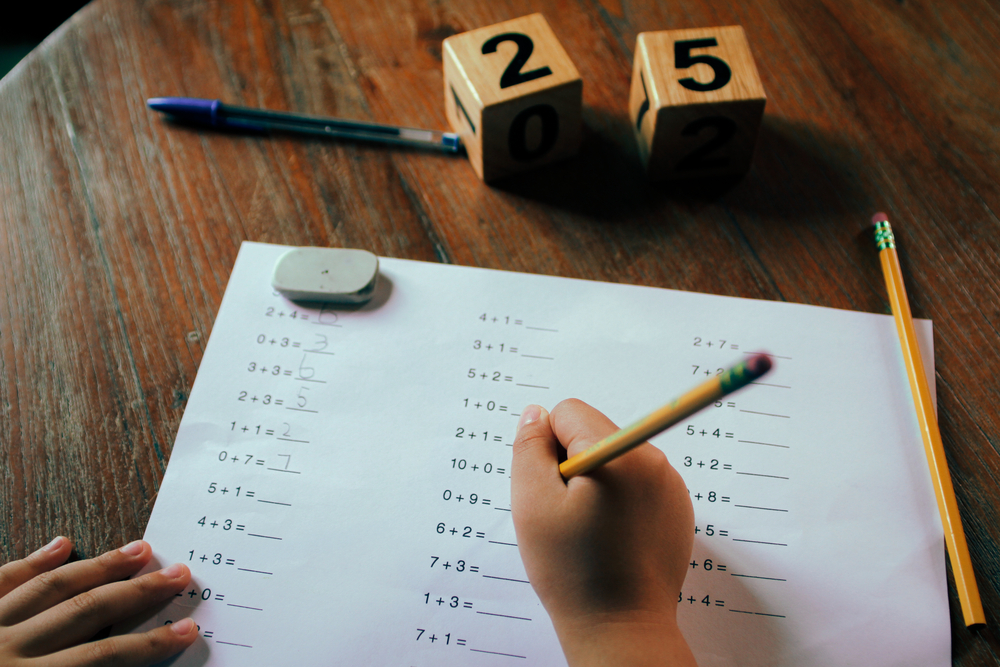
Similarly, normal math skills during this developmental stage—covering basic operations like addition, subtraction, and the introduction of multiplication—set the stage for more advanced concepts in later grades. Proficiency in these foundational skills promotes confidence and critical thinking, ensuring students are ready to tackle problem-solving operations in real life and future mathematics courses.
Moreover, the ability to read proficiently and perform basic mathematical operations intertwines; many subjects require comprehension and analytical skills to interpret data and mathematical word problems. As such, parents and teachers should focus on enhancing these skills through interactive learning, guided practice, and positive reinforcement, laying a strong academic framework that increases overall achievement and enthusiasm for learning in children as they progress through their educational journeys.








