Problem-Solving Skills Normal Measurement Worksheets for Ages 7-9
5 filtered results
-
From - To
Enhance your child's problem-solving skills with our engaging Normal Measurement Worksheets tailored for ages 7-9. Designed to make learning fun, these worksheets provide a variety of exercises that challenge young minds to apply measurement concepts in real-life scenarios. From interpreting scale drawings to solving practical measurement problems, your child will build essential math skills while boosting critical thinking abilities. Easy to download and print, these worksheets offer a perfect way for parents and educators to support learning at home or in the classroom. Help your child excel in mathematics while fostering their confidence and independence in problem-solving!
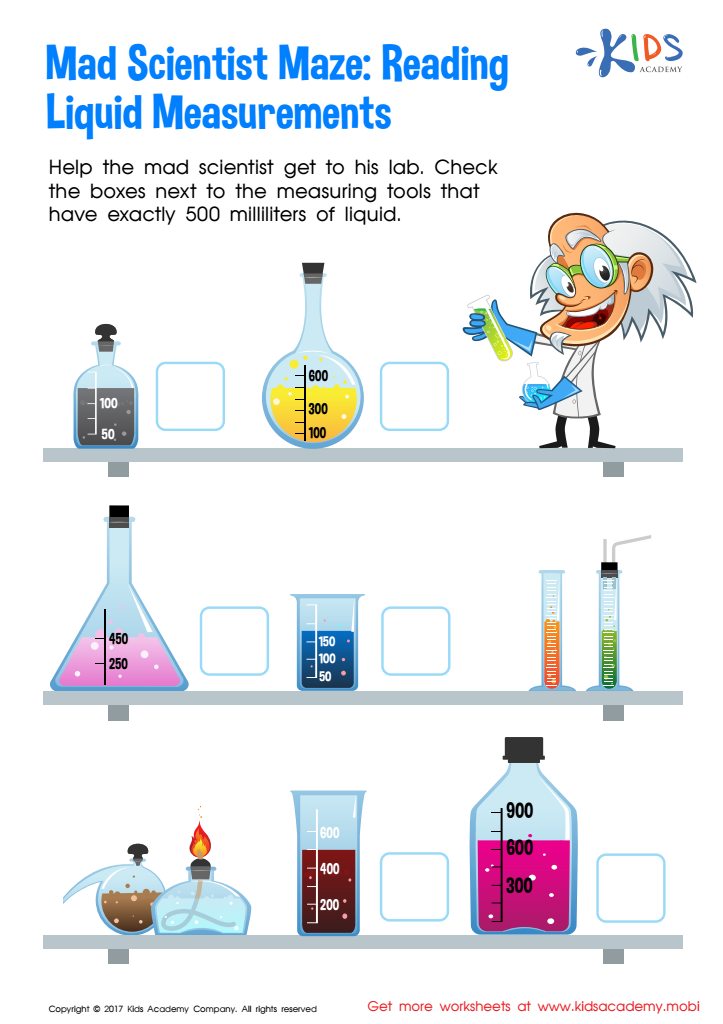
Reading Liquid Measurement Worksheet
 Assign to My Students
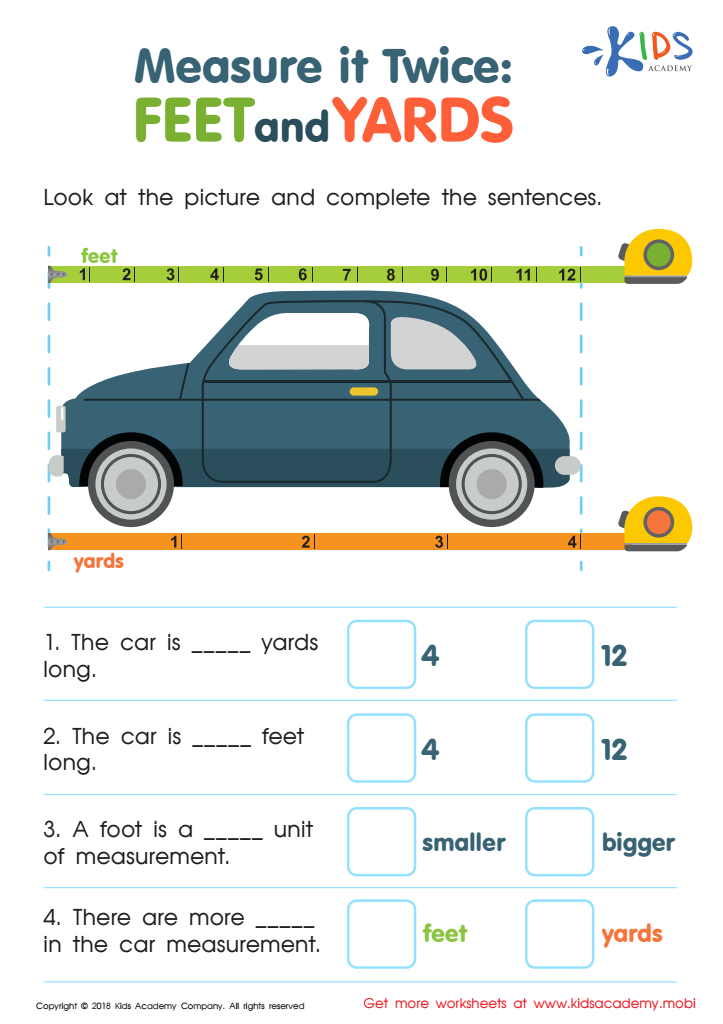
Measure It Twice: Feet and Yards Worksheet
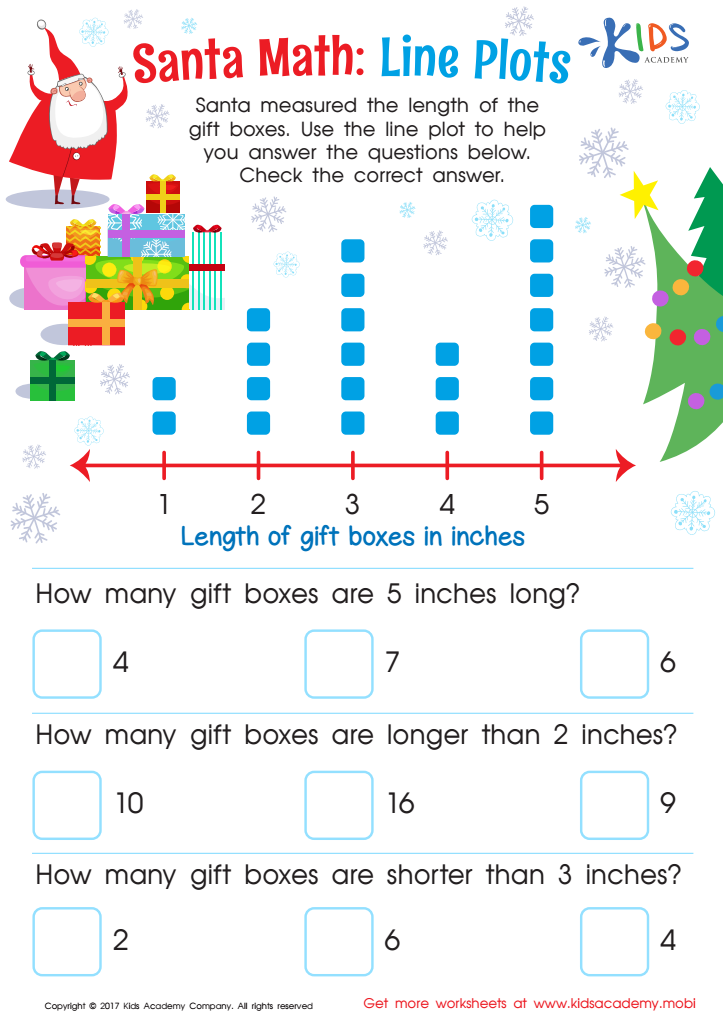
Line Plot Worksheet
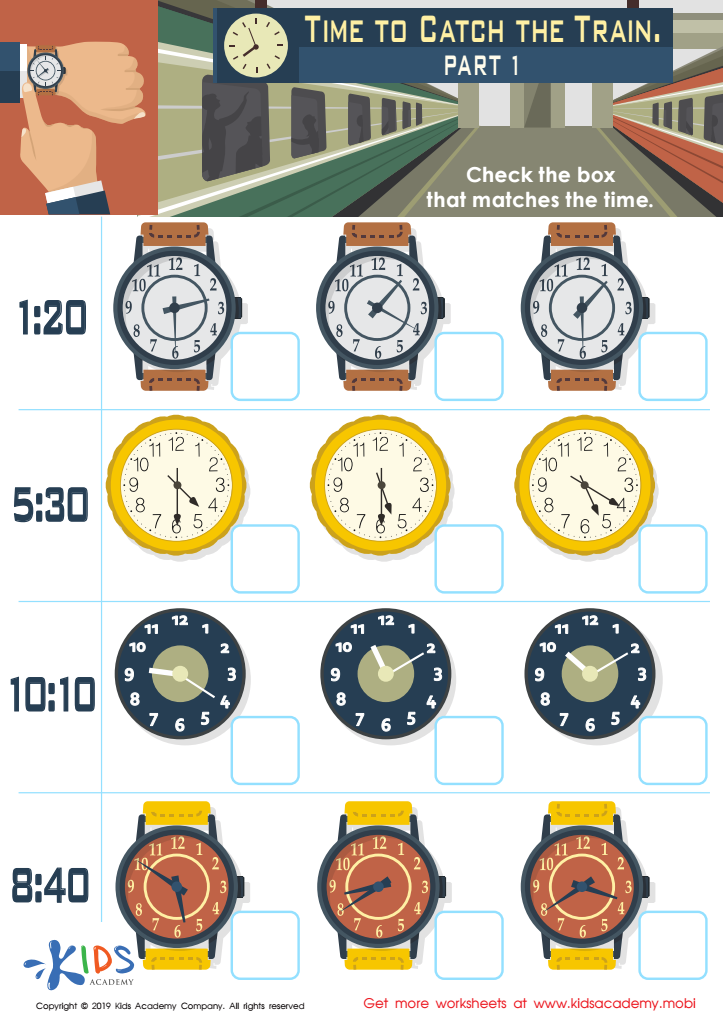
Time to Catch the Train Part 1 Worksheet
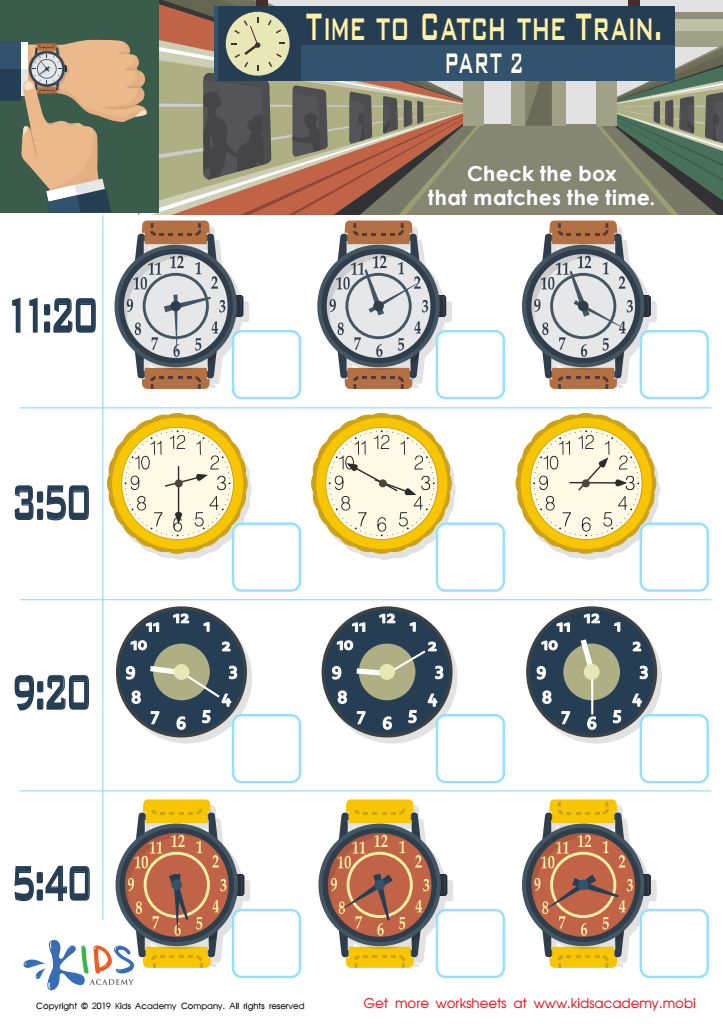
Time to Catch the Train Part 2 Worksheet








Understanding Normal Measurement in problem-solving skills for children aged 7-9 is crucial for both parents and teachers. At this developmental stage, children are beginning to grasp fundamental concepts of measurement, including length, weight, and volume, which are essential for daily life and academic success.
Problem-solving skills, particularly in measurement, nurture logical thinking and critical reasoning. When children engage in measurement-related problems, they learn to approach tasks methodically, break them down into smaller parts, and find solutions. This not only builds confidence but also enhances their ability to tackle complex challenges across various subjects.
Moreover, fostering these skills at a young age lays the groundwork for future learning. Proficiency in measurement is integral to STEM education, which is increasingly emphasized in today’s curriculum. By focusing on problem-solving skills, parents and teachers help children develop a foundational understanding of spatial awareness, proportional reasoning, and data interpretation—all key components of scientific literacy.
Additionally, measurement teaches children about real-world applications, from simple cooking tasks to understanding time. As such, nurturing these skills in children can promote independence, responsibility, and a lifelong aptitude for learning, ensuring they are well-prepared for both academic and everyday challenges.








