Story sequencing Normal Reading Fiction Worksheets for Ages 7-9
10 filtered results
-
From - To
Enhance your child's reading comprehension skills with our Story Sequencing Normal Reading Fiction Worksheets, specially designed for ages 7-9. These engaging worksheets help young learners understand the sequence of events in stories, fostering critical thinking and narrative understanding. Each activity encourages children to arrange story parts in the correct order, promoting comprehension and retention of key plot elements. With vibrant illustrations and age-appropriate texts, these worksheets make learning fun while reinforcing essential literacy skills. Perfect for classroom use or at-home practice, our story sequencing resources are ideal for busy parents and educators looking to enhance young readers' skills in an enjoyable and interactive way.
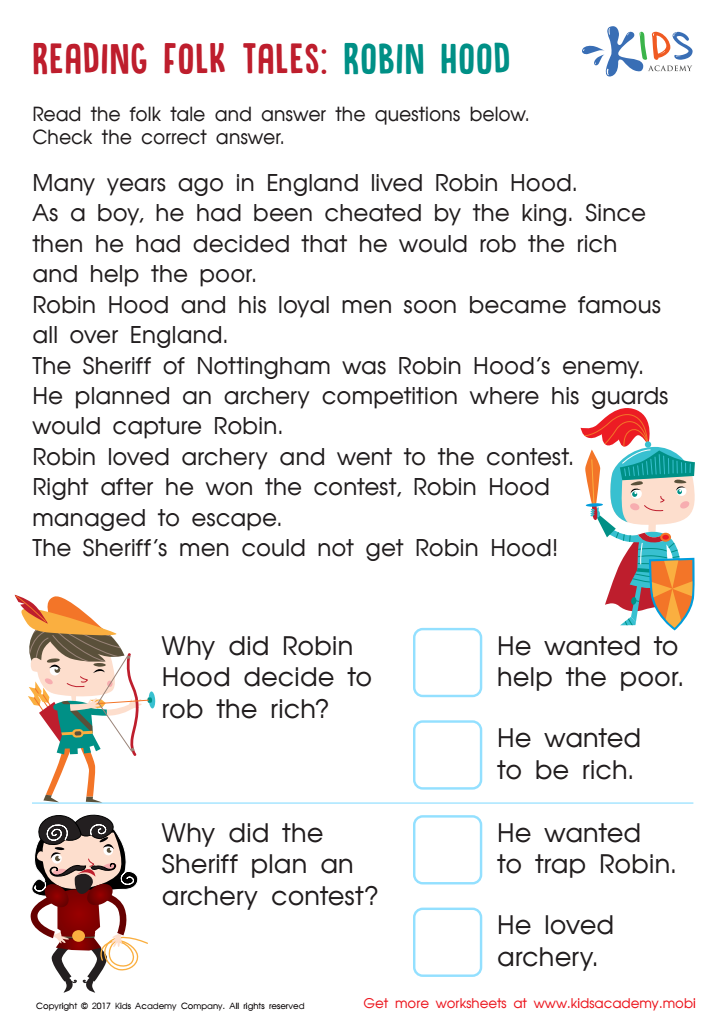
Robin Hood Folktale Worksheet
 Assign to My Students
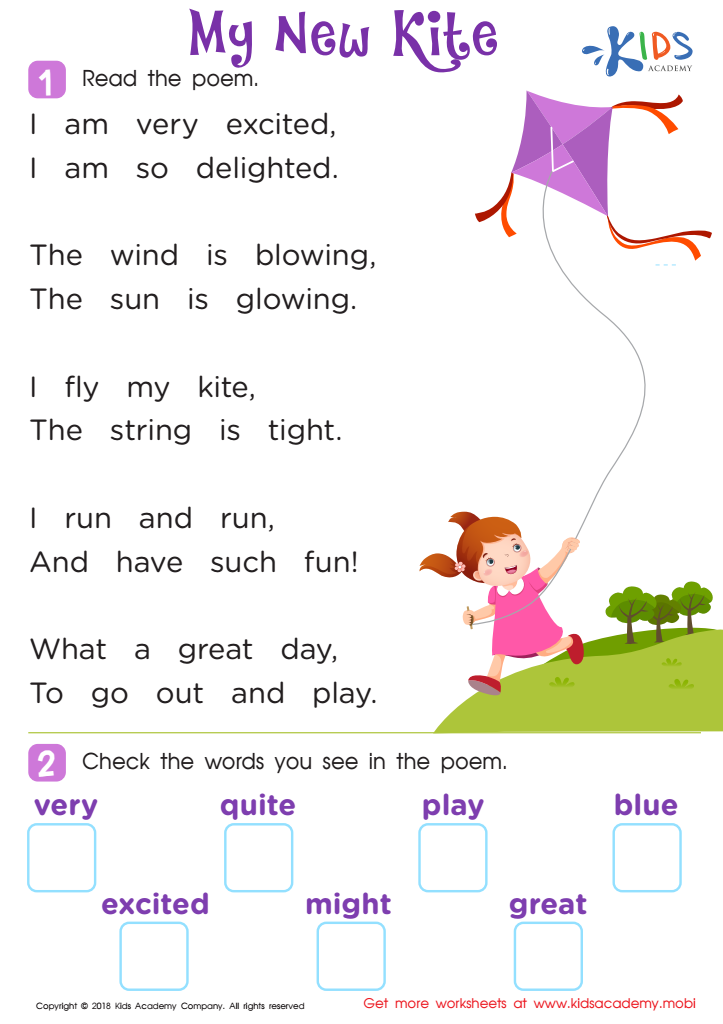
Poem: My New Kite Worksheet
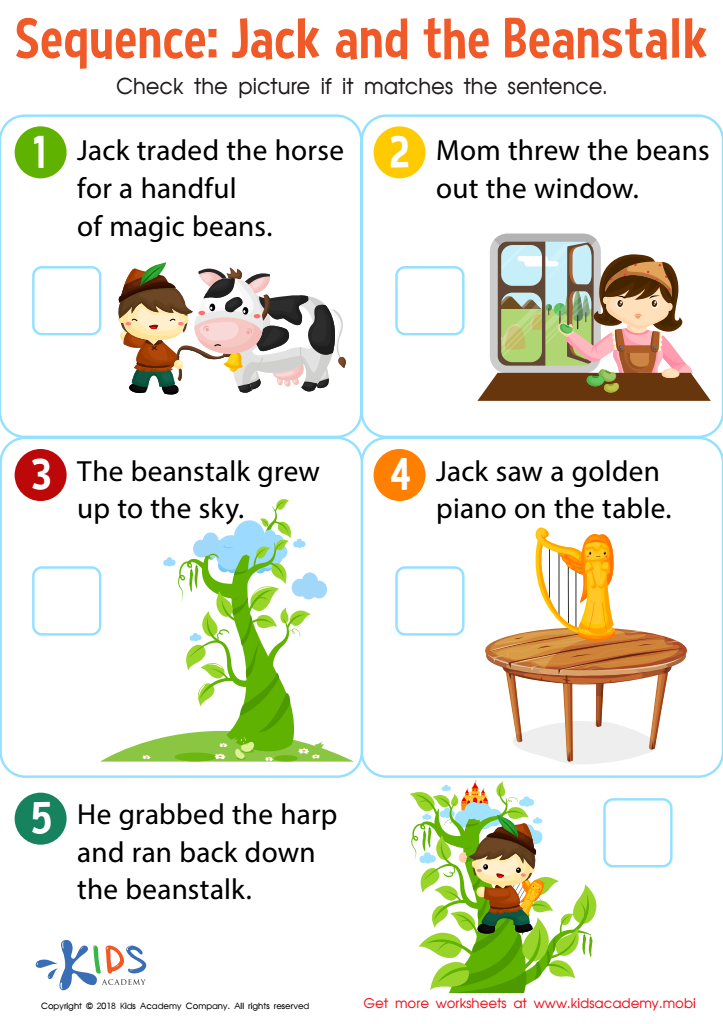
Sequence: Jack and The Beanstalk Worksheet
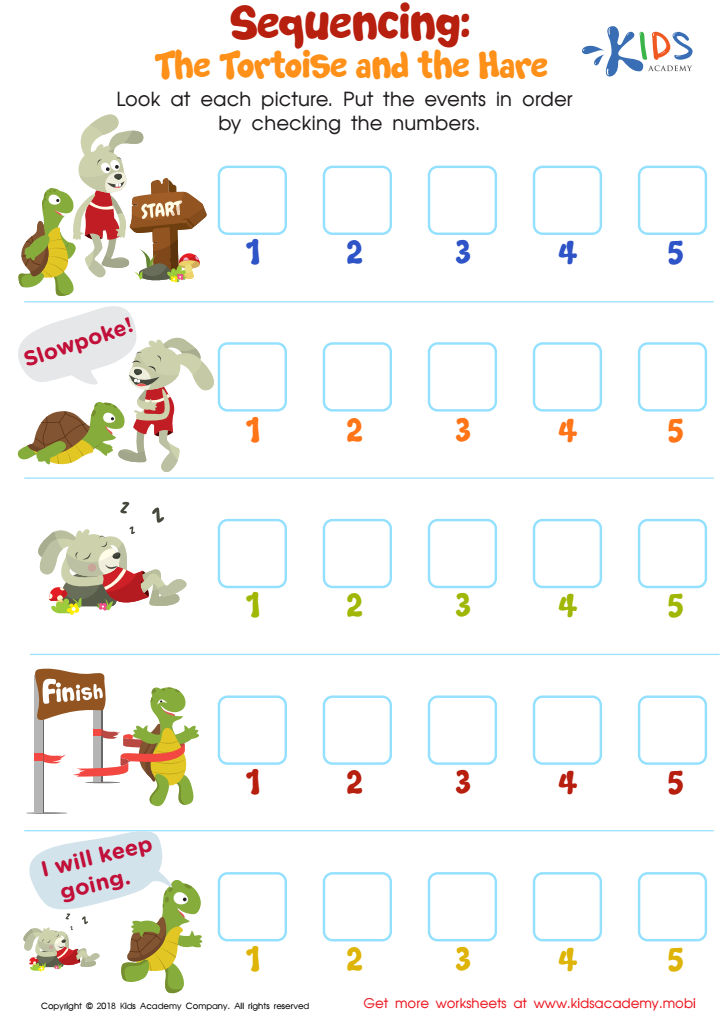
Sequencing: The Tortoise and the Hare Worksheet
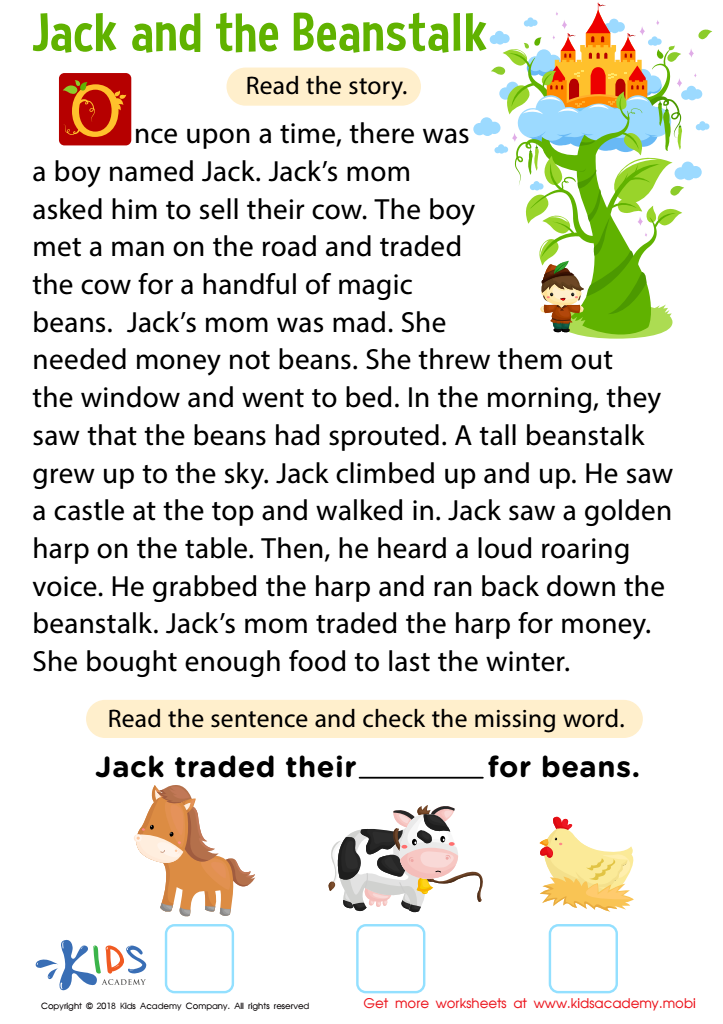
Jack and Beanstalk Worksheet
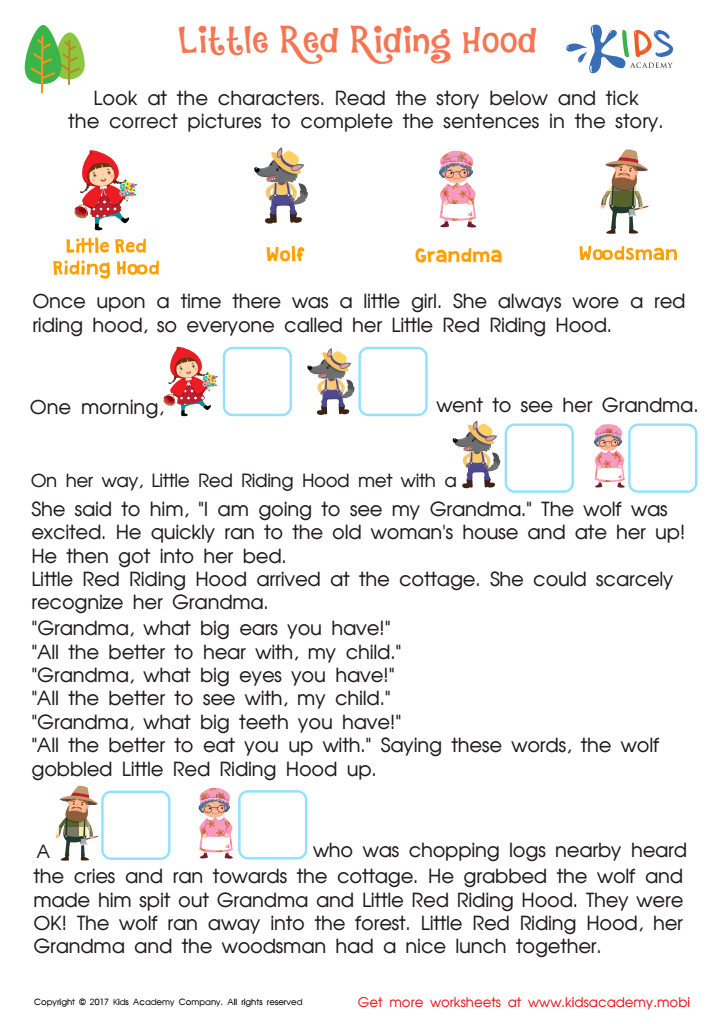
Little Red Riding Hood Printable
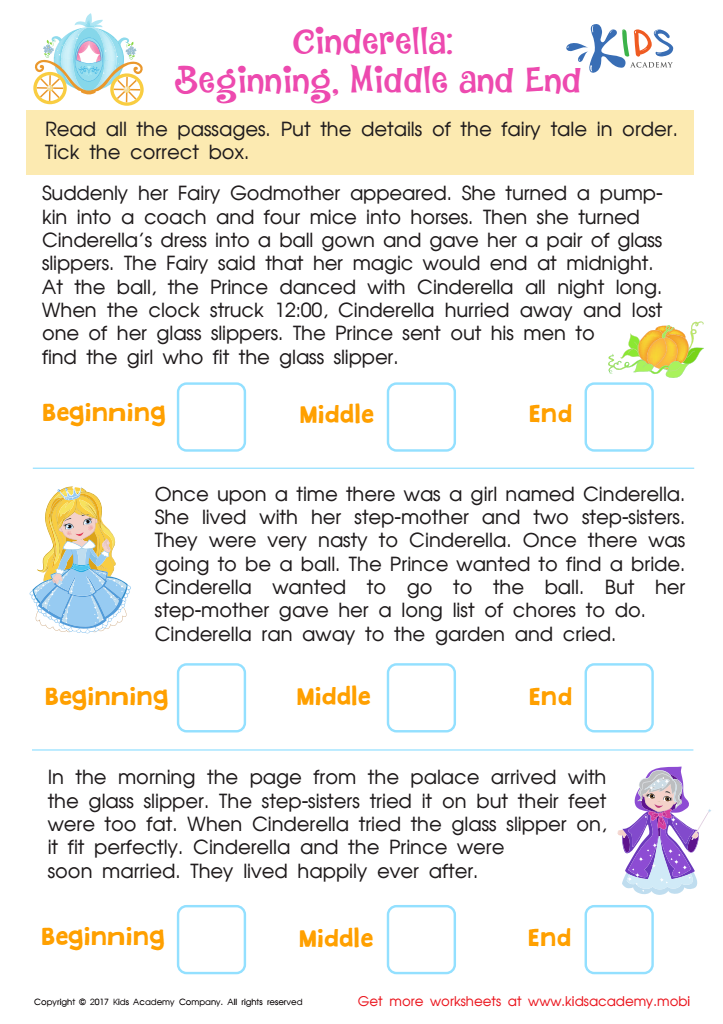
Cinderella: Beginning, Middle and End Worksheet
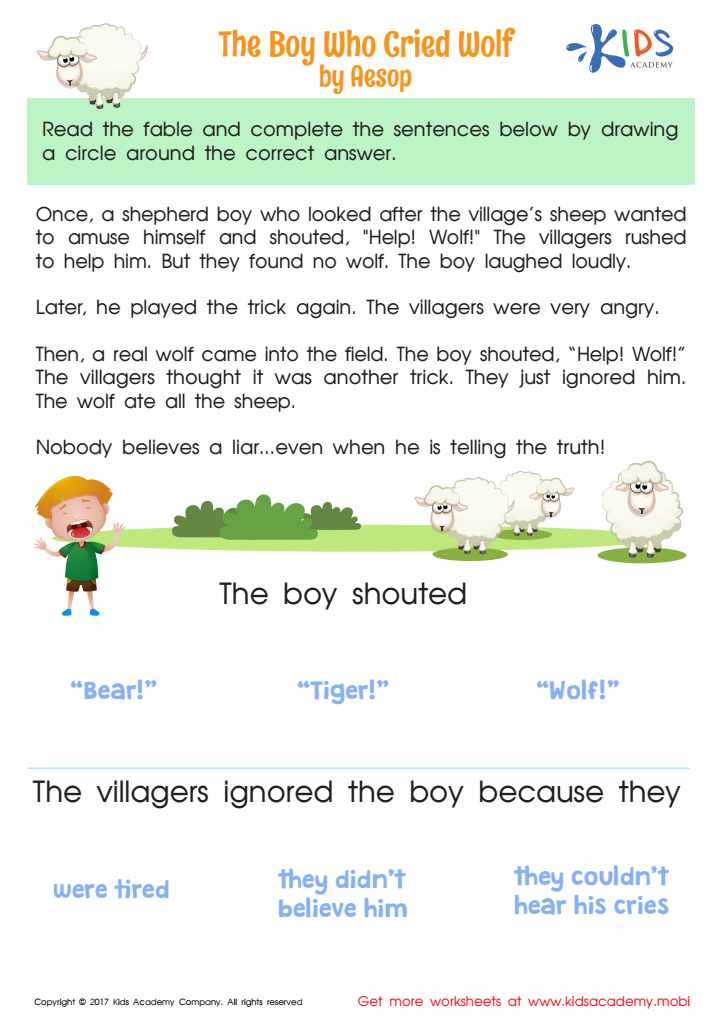
The Boy Who Cried Wolf Worksheet
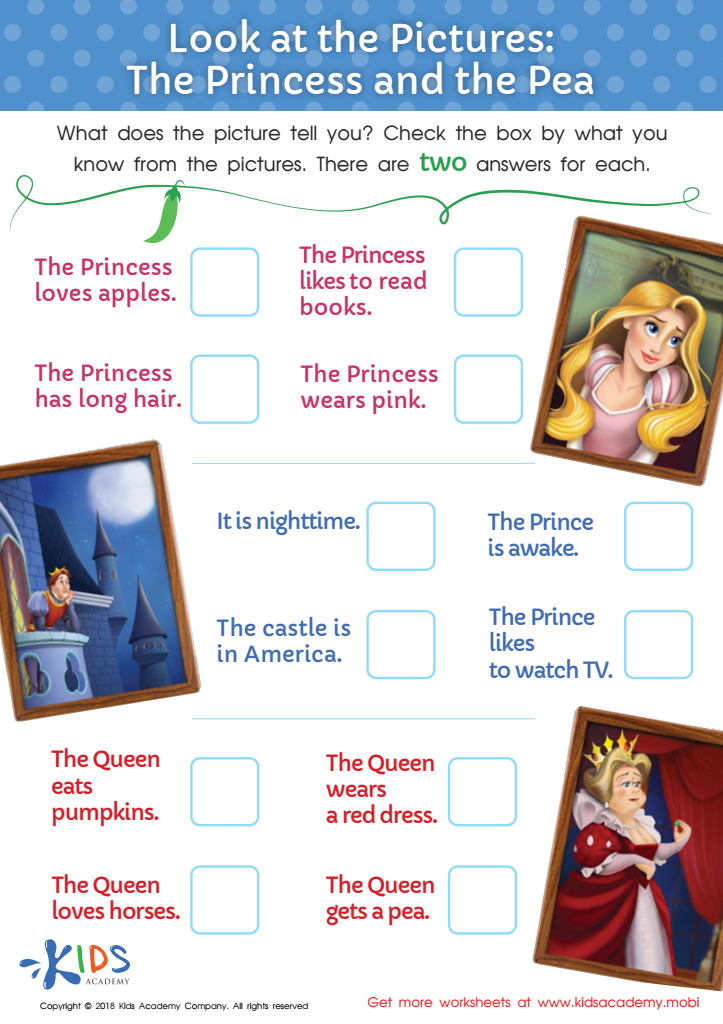
Look at the Pictures: The Princess and the Pea Worksheet
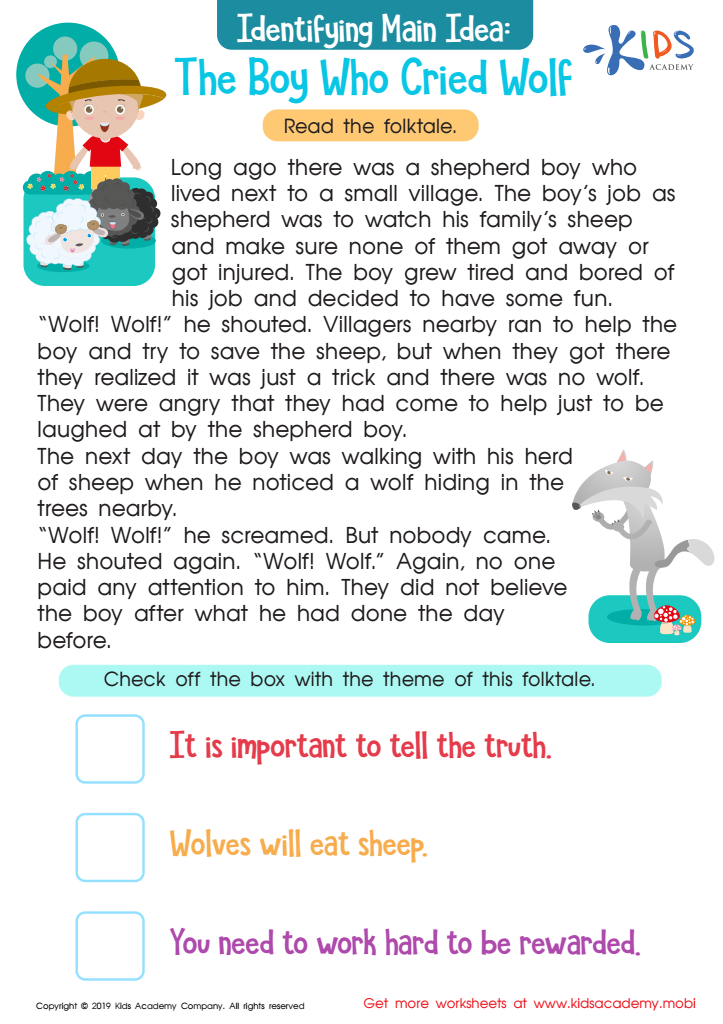
The Boy Who Cried Wolf Part 2 Worksheet





.jpg)


Story sequencing is a critical skill for children aged 7-9 as it significantly contributes to cognitive development, comprehension, and critical thinking. At this age, children are better able to understand the structure of stories, which typically includes a beginning, middle, and end. By engaging with story sequencing activities, they learn how to identify essential plot elements and understand how events connect logically. This skill helps bolster their overall reading comprehension, allowing them to grasp more complex narratives as they progress.
Parents and teachers play vital roles in nurturing these skills. For educators, incorporating story sequencing exercises into the curriculum addresses various learning styles and critical literacy milestones, making lessons interactive and engaging. For parents, reinforcing these skills at home encourages academic success and fosters a love for reading. When children can effectively sequence stories, they are more prepared to express their thoughts clearly, enhancing their writing and communication skills.
Overall, prioritizing story sequencing serves to develop not only essential academic capabilities but also creativity, emotional understanding, and social skills through narrative exploration, making it fundamental to children’s overall growth and learning during this formative age.







