Learning about ecosystems Normal Plants and Animals Worksheets for Ages 7-9
3 filtered results
-
From - To
Discover our engaging "Learning about Ecosystems" worksheets designed for children aged 7 to 9! These thoughtfully crafted resources help young learners explore the fascinating world of plants and animals within various ecosystems. Through fun activities and illustrations, students will gain a deeper understanding of how organisms interact with their environment. Our printable worksheets encourage critical thinking and enhance observational skills, making science both enjoyable and educational. Perfect for classroom use or at-home learning, these worksheets are ideal for nurturing a love of nature in young minds. Please visit our website to access these and other exciting educational materials!
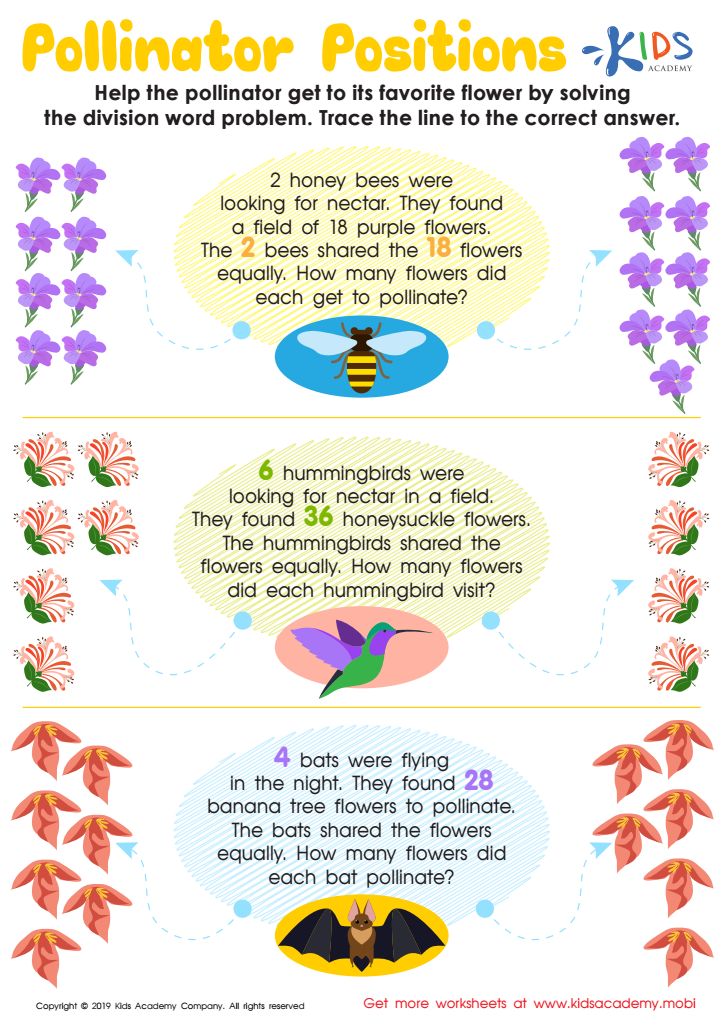
Pollinator Positions Worksheet
 Assign to My Students
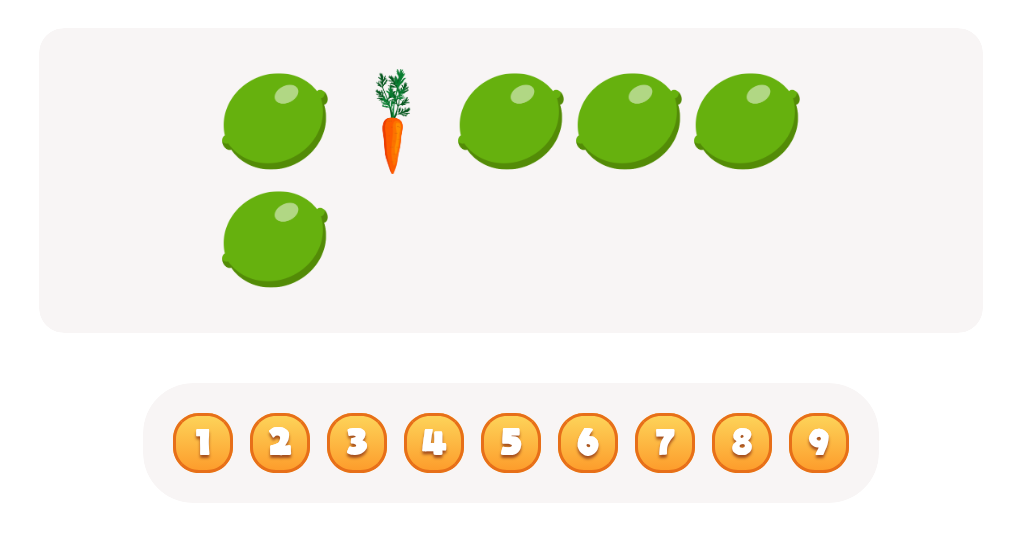

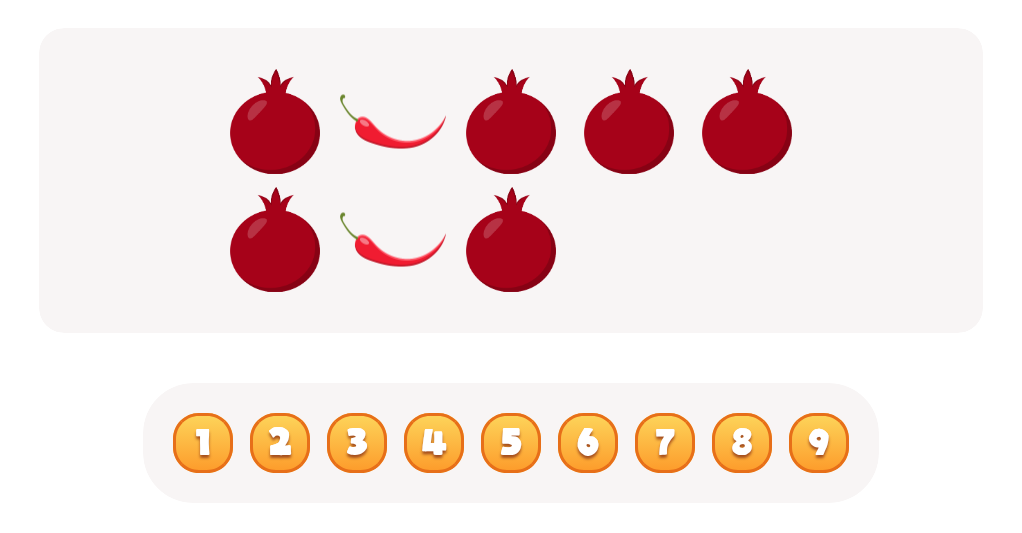
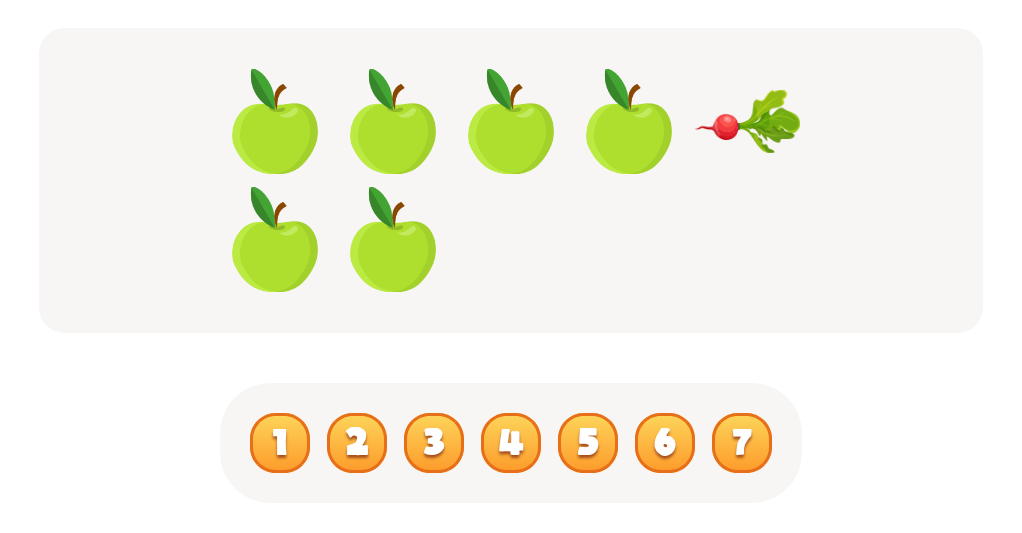
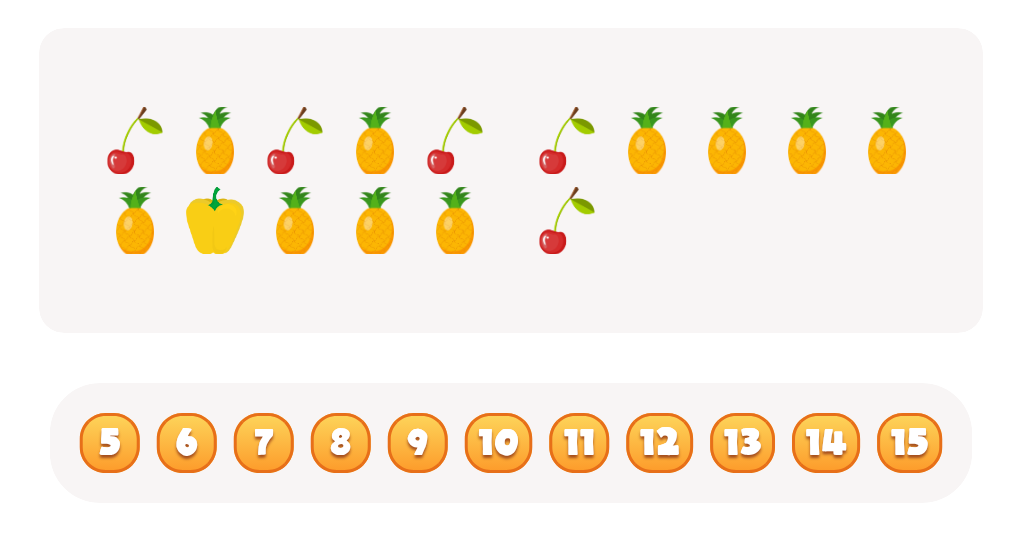
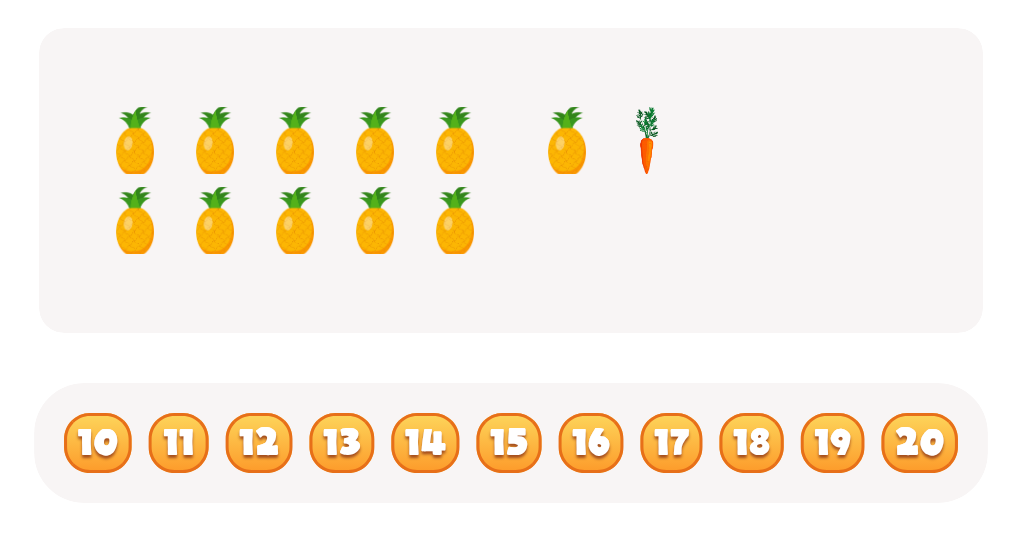
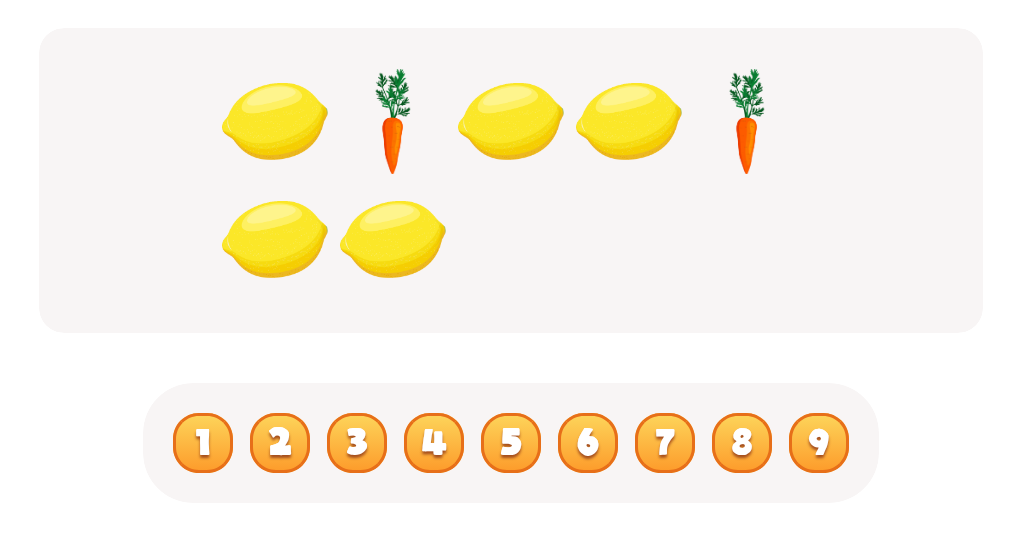
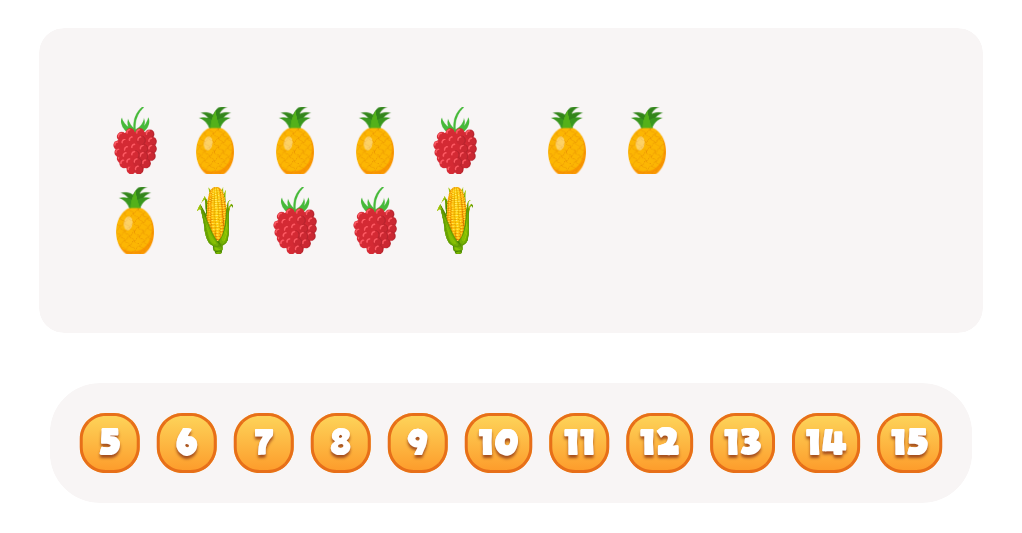
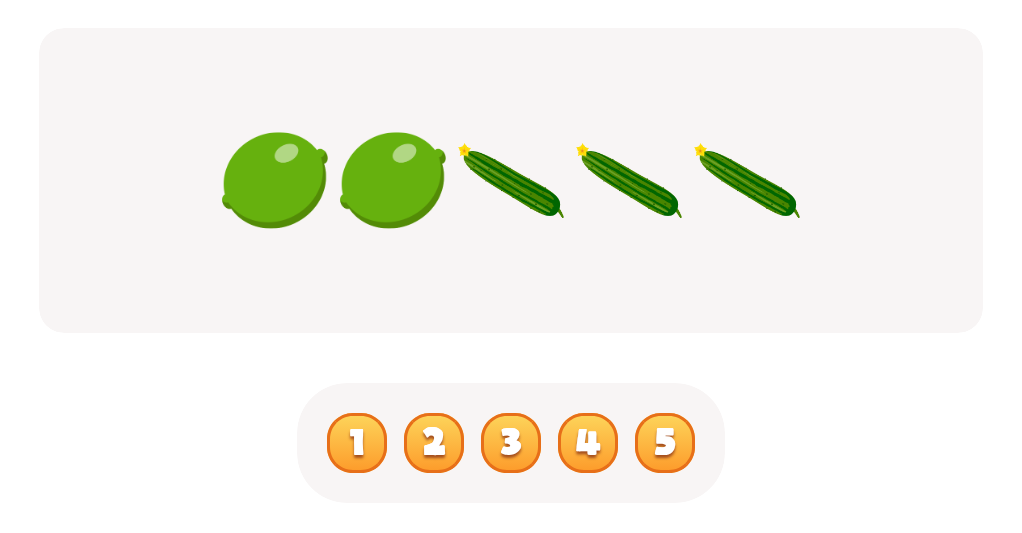
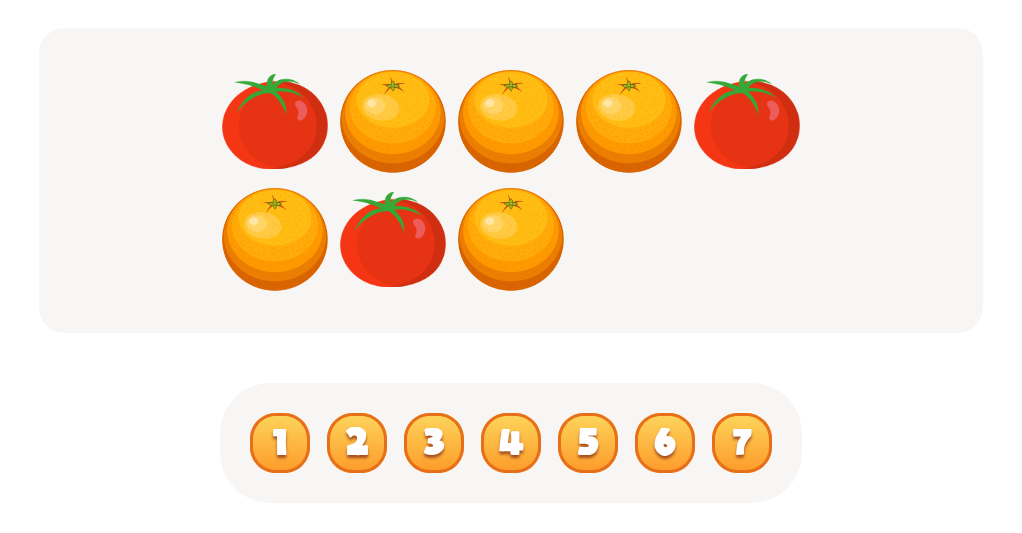
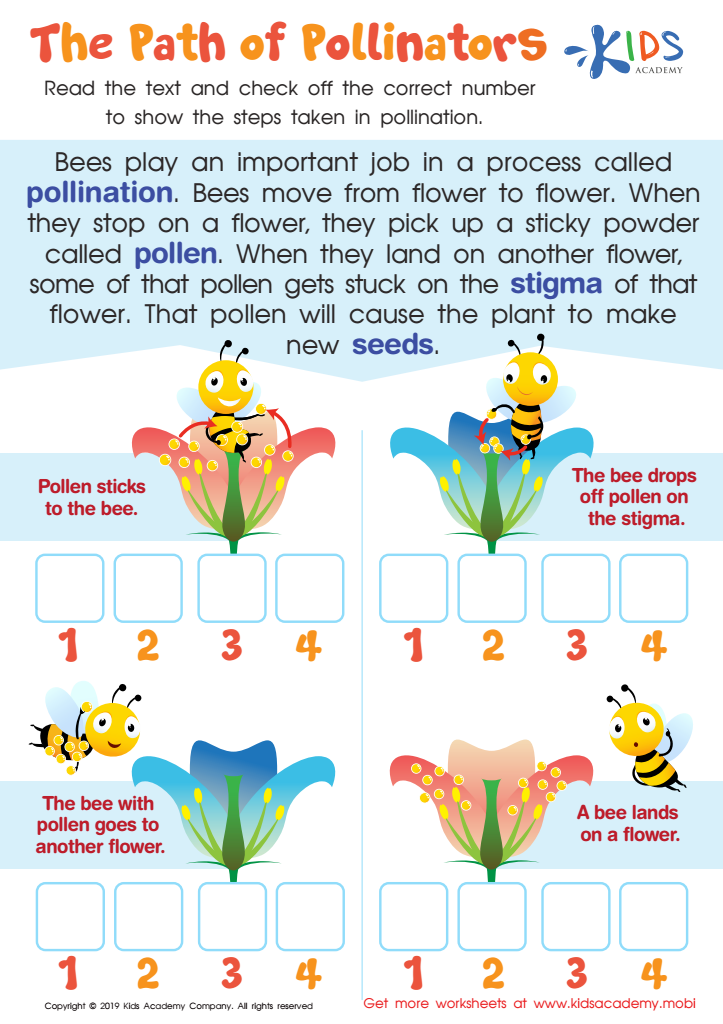
The Path of Pollinators Worksheet
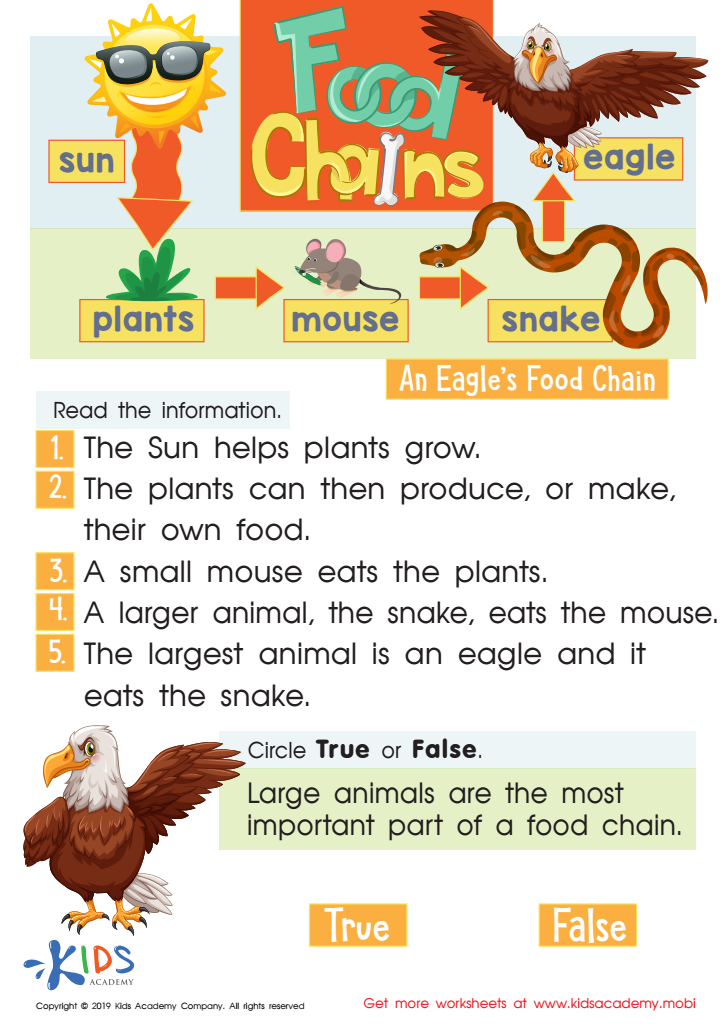
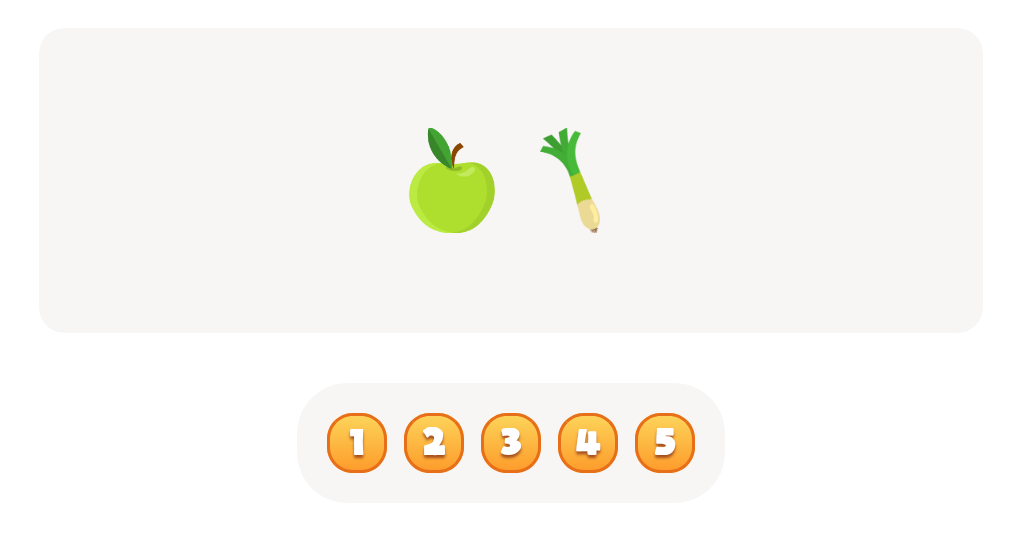
Food Chains Worksheet



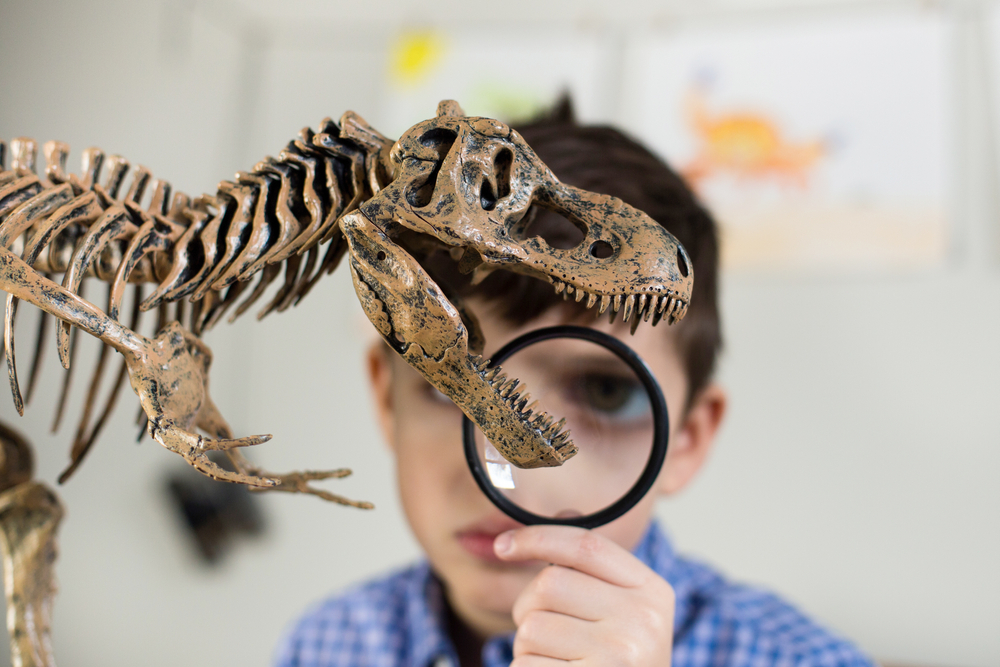




Understanding ecosystems, including normal plants and animals, is crucial for children aged 7-9 as it lays a foundation for their environmental literacy and fosters a sense of responsibility towards the planet. At this age, children are naturally curious about the world around them, making it the perfect time to introduce them to the intricate connections that exist within ecosystems. Engaging with these concepts helps them appreciate the diversity of life and the importance of each organism, including plants and animals, in maintaining ecological balance.
Moreover, learning about ecosystems can develop critical thinking skills, as students explore topics such as food chains, habitats, and the impact of pollution or climate change. Parents and teachers can inspire stewardship by encouraging children to take action, whether it's through gardening, participating in clean-up campaigns, or engaging in conservation efforts.
Additionally, understanding ecosystems enhances students’ awareness of their everyday choices and how they can contribute to environmental health. By instilling a sense of wonder and respect for nature, educators and parents can cultivate the next generation of environmentally conscious individuals who will contribute positively to society and the planet. Ultimately, nurturing this knowledge today can lead to informed, responsible decision-makers tomorrow.