Normal World Around Us Worksheets for Ages 7-9 - Page 3
50 filtered results
-
From - To
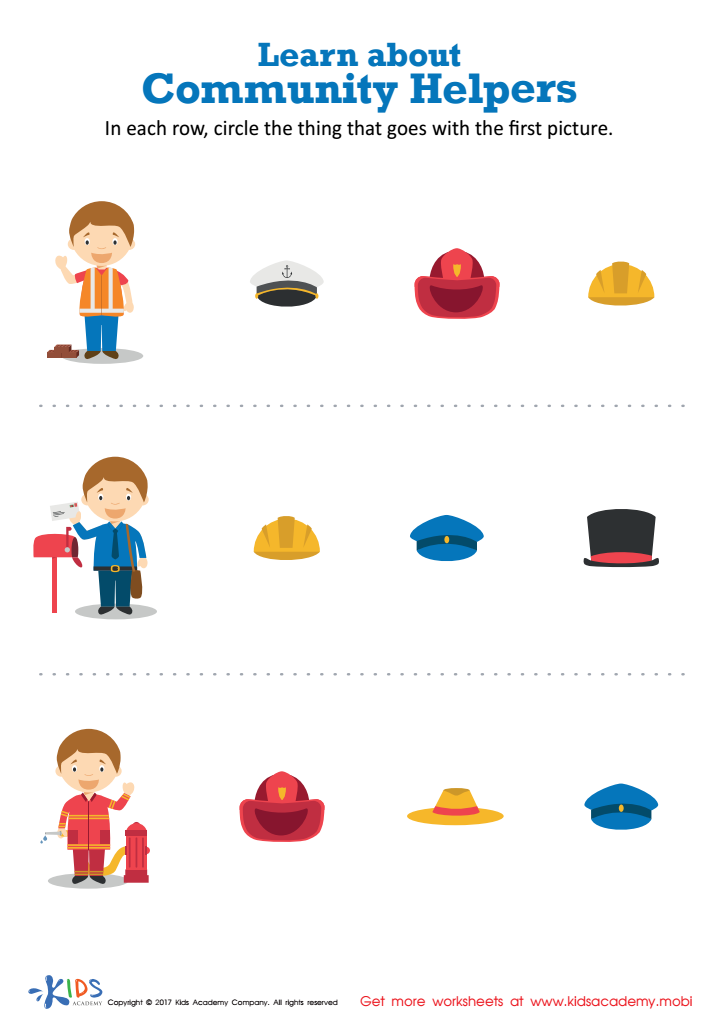
Learn about Community Helpers Printable
 Assign to My Students
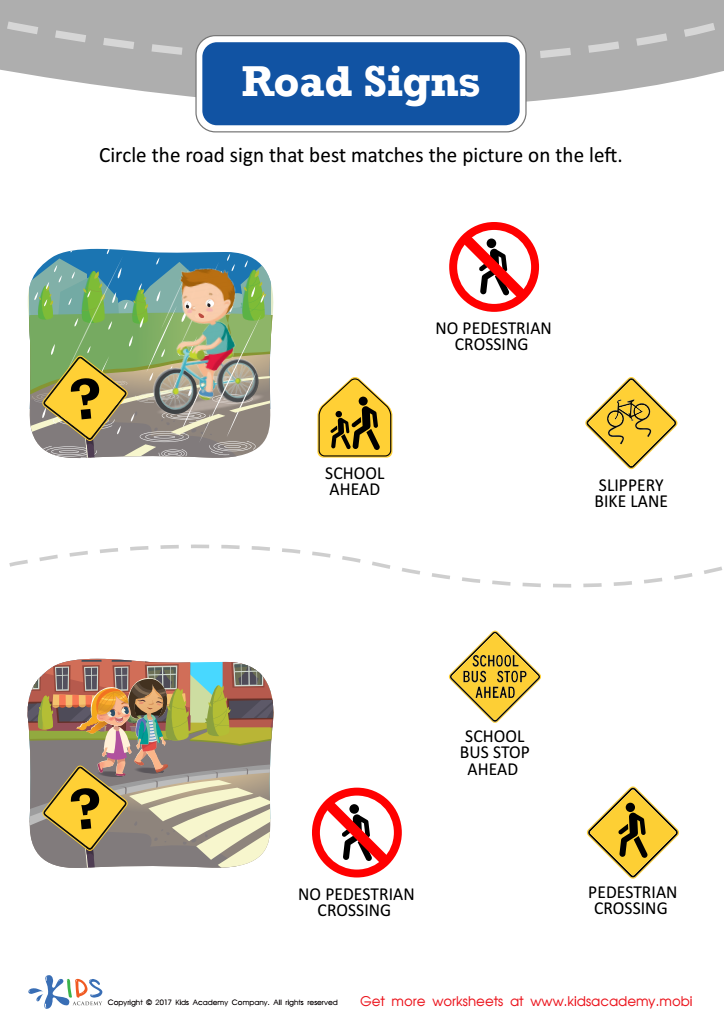
Road Signs (Part 2) Printable








The concept of the "Normal World Around Us" is crucial for the development of children ages 7-9, as it fosters their understanding, confidence, and curiosity about their environment. During these formative years, children begin to explore and make sense of their surroundings in more complex ways. It's vital for parents and teachers to care about this aspect as it directly influences a child's cognitive, social, and emotional growth.
Understanding the "normal world," such as everyday social interactions, family dynamics, community roles, and common natural phenomena, helps children build a solid foundation of knowledge. This foundation is essential for grasping more complex concepts later on. Moreover, when adults in their lives emphasize the importance of the normal world, children are encouraged to observe, ask questions, and engage, which boosts critical thinking and problem-solving skills.
Providing a supportive environment where the everyday world is valued also helps children feel secure and understood. It affirms their experiences and observations, validating their feelings and promoting confidence. Additionally, awareness of norms and everyday occurrences plays a crucial role in social learning, helping children adapt, interact, and thrive within their communities.
Thus, parents and teachers focusing on the "normal world" help nurture well-rounded, inquisitive, and empathetic individuals. By appreciating and explaining everyday happenings, adults can enrich children's educational experiences and overall development.