Problem-Solving Skills Normal Grammar Worksheets for Ages 7-9
5 filtered results
-
From - To
Boost your child's problem-solving abilities with our expertly designed Normal Grammar Worksheets for ages 7-9. At Kids Academy, we offer engaging, age-appropriate exercises tailored to enhance both grammar and critical thinking. Through practical activities, children can strengthen their understanding of sentence structure, punctuation, and parts of speech, while simultaneously developing invaluable problem-solving skills. Crafted by educational professionals, these worksheets ensure fun, comprehensive progress in language arts. Ideal for home, school, or supplemental learning, our resources empower young learners to excel in grammar and foster a love for effective communication. Explore today and watch your child's confidence soar!
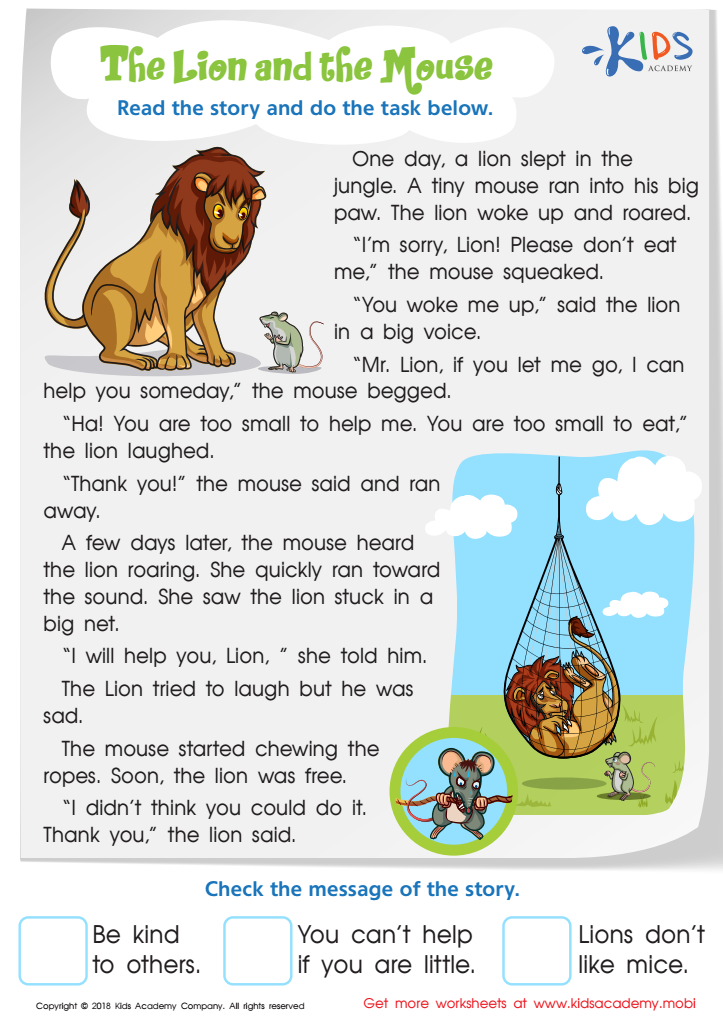
The Lion and the Mouse Worksheet
 Assign to My Students
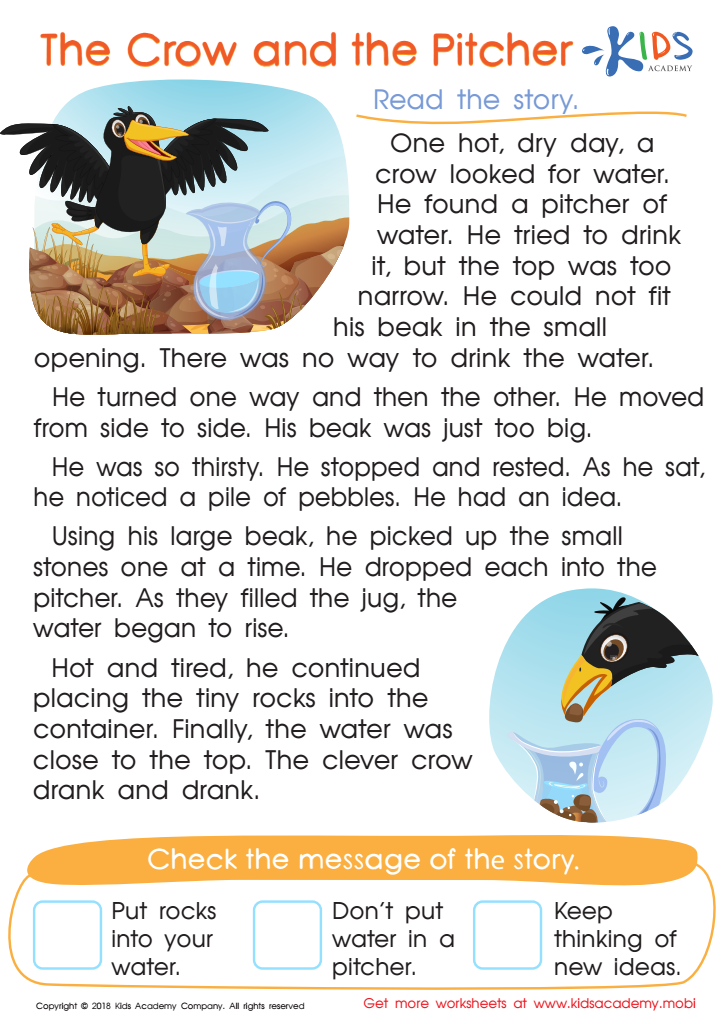
The Crow and the Pitcher Worksheet
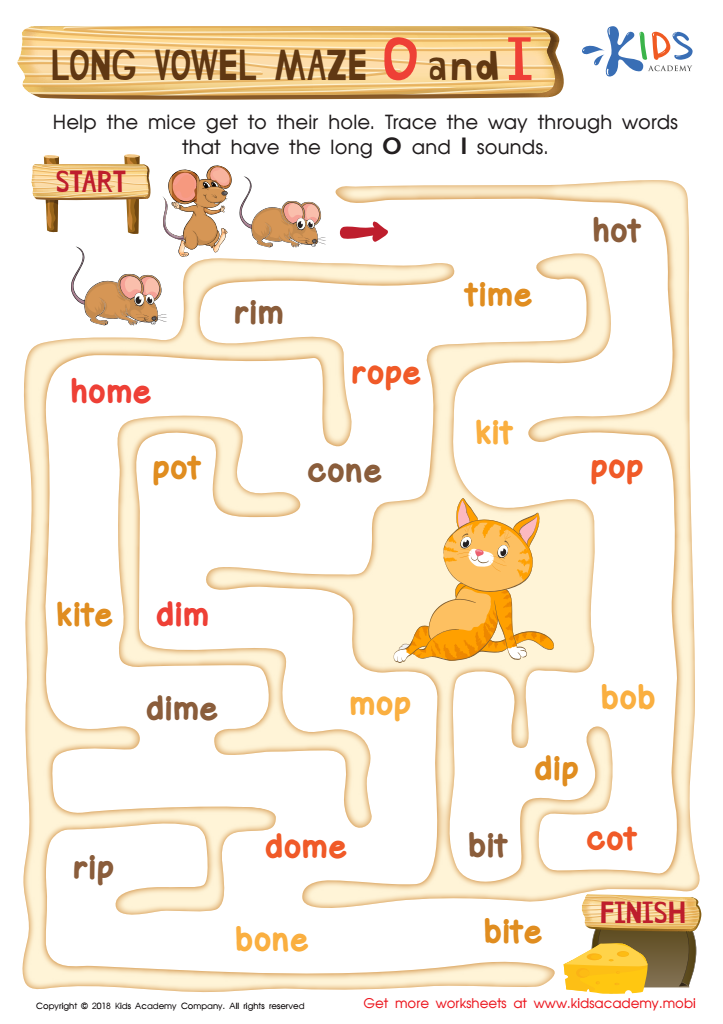
Long Vowel Maze /o/ and /i/ Worksheet
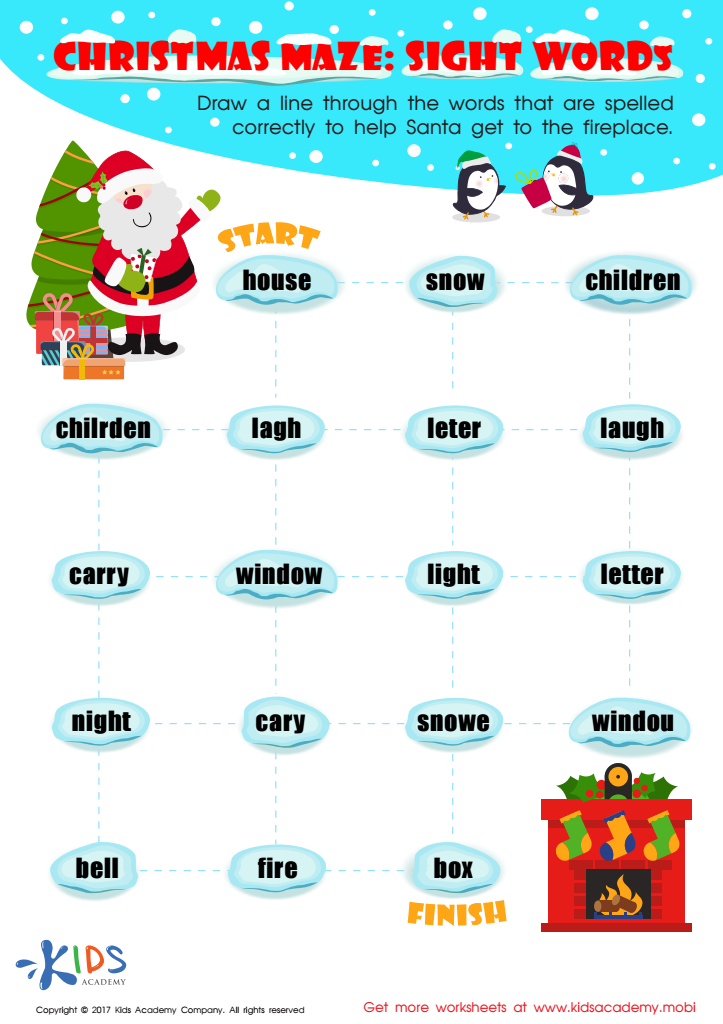
Sight Words Christmas Maze Printable

Pegasus Maze: GH Words Worksheet


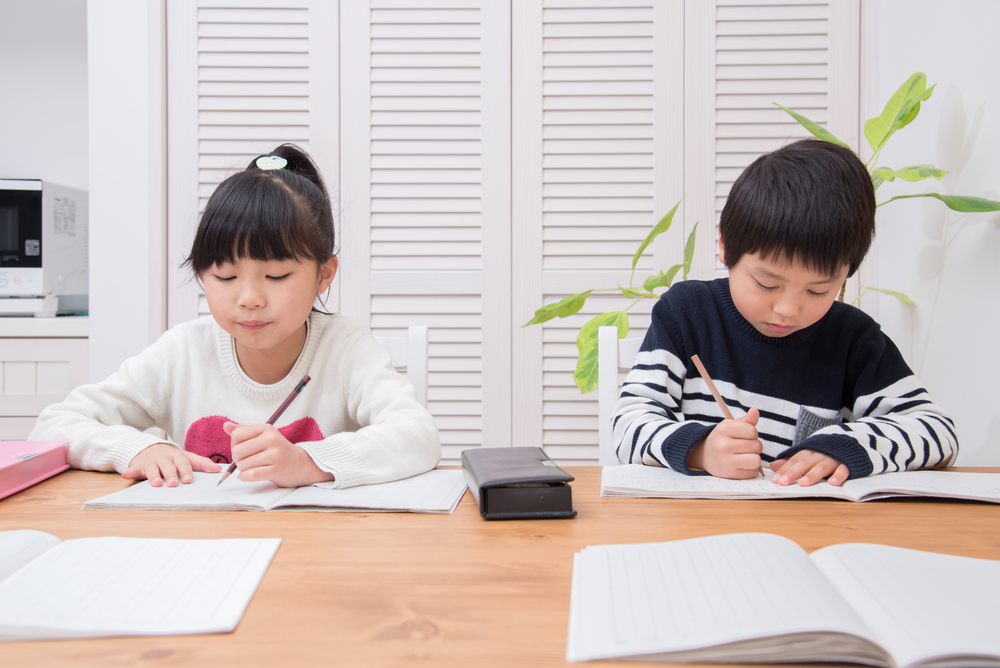





Problem-solving skills are essential for children ages 7-9 because they lay the foundation for academic success and personal development. At this developmental stage, children are beginning to face more complex challenges in and out of the classroom. By encouraging problem-solving, parents and teachers help children learn how to think critically, make decisions, and develop resilience.
When children practice problem-solving, they learn to approach challenges methodically. This can enhance their ability to tackle math problems, understand complex reading materials, and manage social issues, such as conflicts with friends. Additionally, problem-solving promotes creativity. When children come up with different solutions to a problem, they engage their imagination and build confidence in their abilities.
Furthermore, problem-solving skills are correlated with a child’s emotional intelligence. Learning to manage frustration, stay calm under pressure, and break down problems into manageable steps helps children become more self-aware and empathetic. They develop greater patience and can work more effectively in group settings.
Parents and teachers play a critical role in fostering these skills by providing opportunities for children to solve problems on their own and offering guidance when needed. Incorporating puzzles, collaborative projects, and real-life scenarios into their learning experiences encourages children to think independently, setting them up for future success both academically and personally.