Reading comprehension Normal Consonants Worksheets for 7-Year-Olds
6 filtered results
-
From - To
Boost your child's reading skills with our engaging Reading Comprehension Worksheets focused on normal consonants, specifically designed for 7-year-olds. These worksheets encourage young learners to recognize, understand, and utilize consonant sounds effectively while enhancing their comprehension abilities. Each worksheet includes fun activities that challenge students to read passages and answer questions, promoting critical thinking and retention. Aligned with early literacy standards, our resources aim to foster a love for reading while building essential skills in an enjoyable way. Inspire your child’s learning journey with our carefully crafted materials that combine education and enjoyment for optimal development!
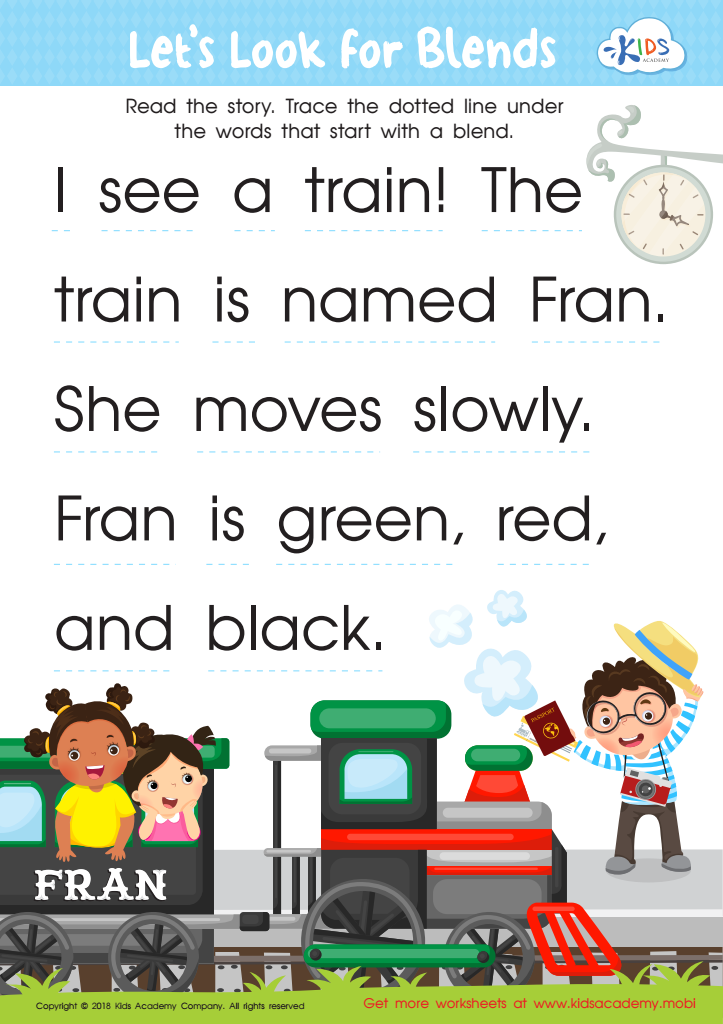
Let's Look for Blends Worksheet
 Assign to My Students
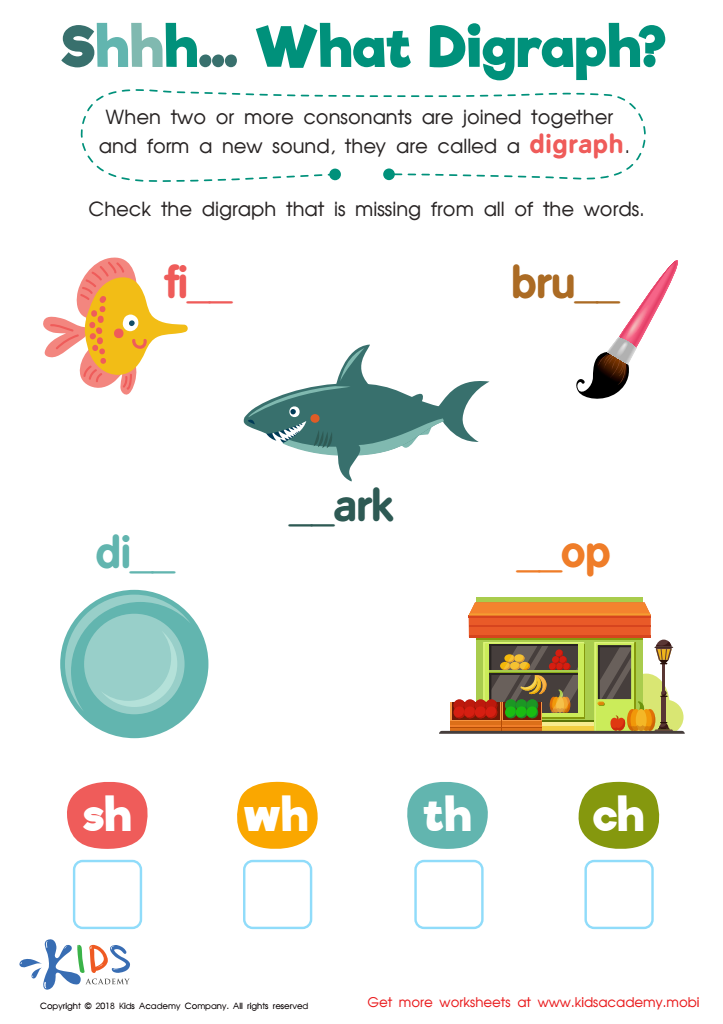
Shhh... What Digraph? Worksheet
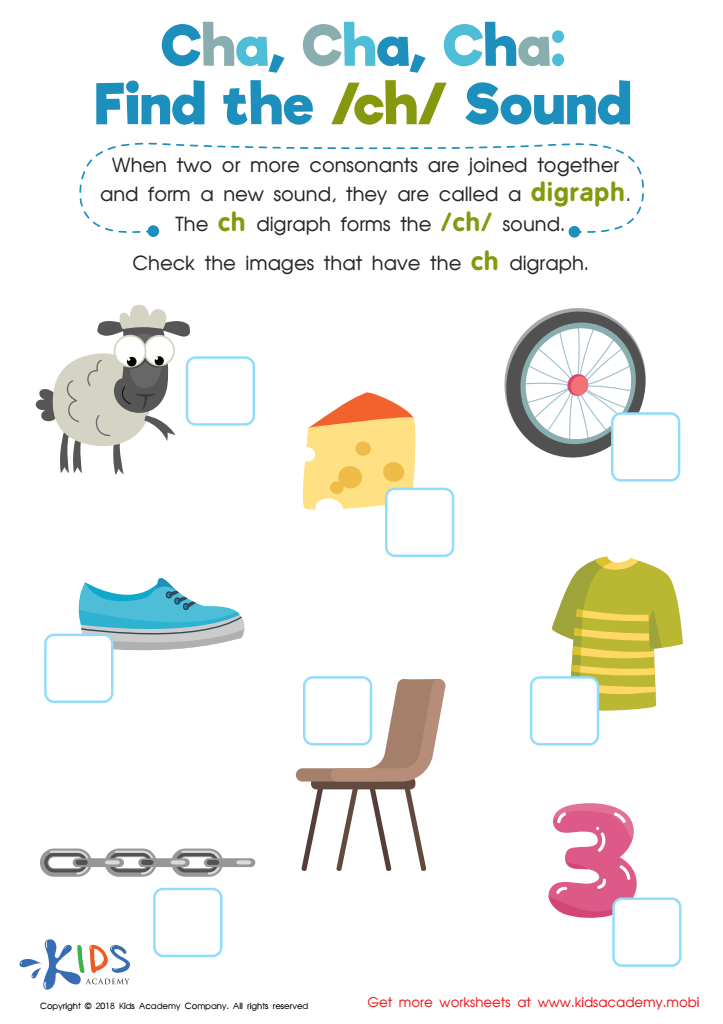
Cha, Cha, Cha: Find the /Ch/ Sound Worksheet
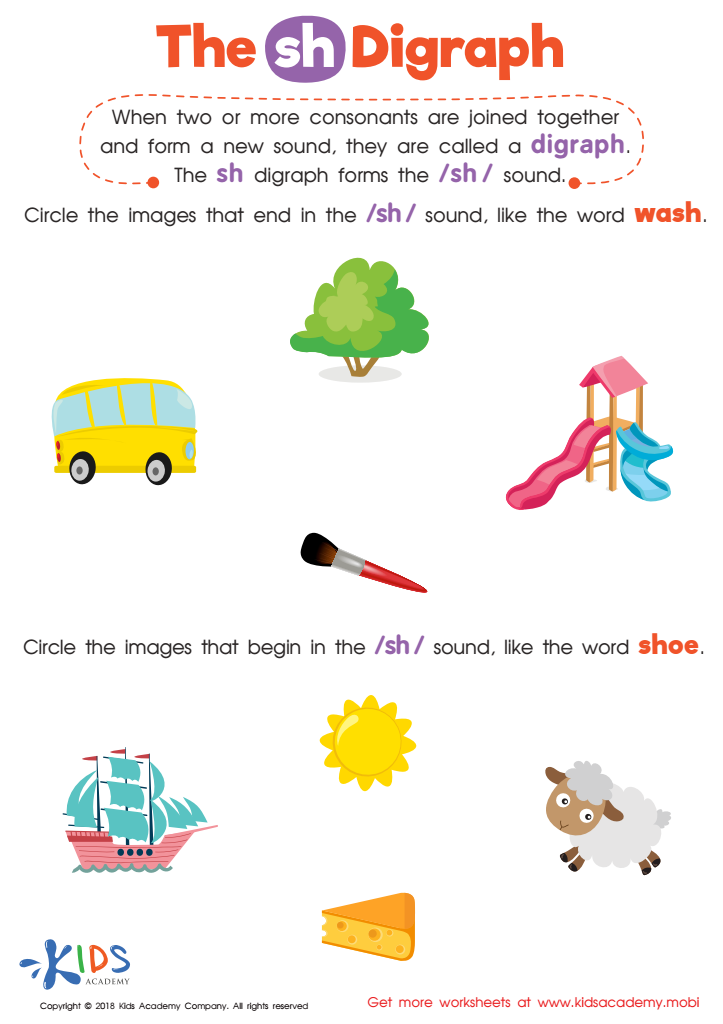
The SH Digraph Worksheet
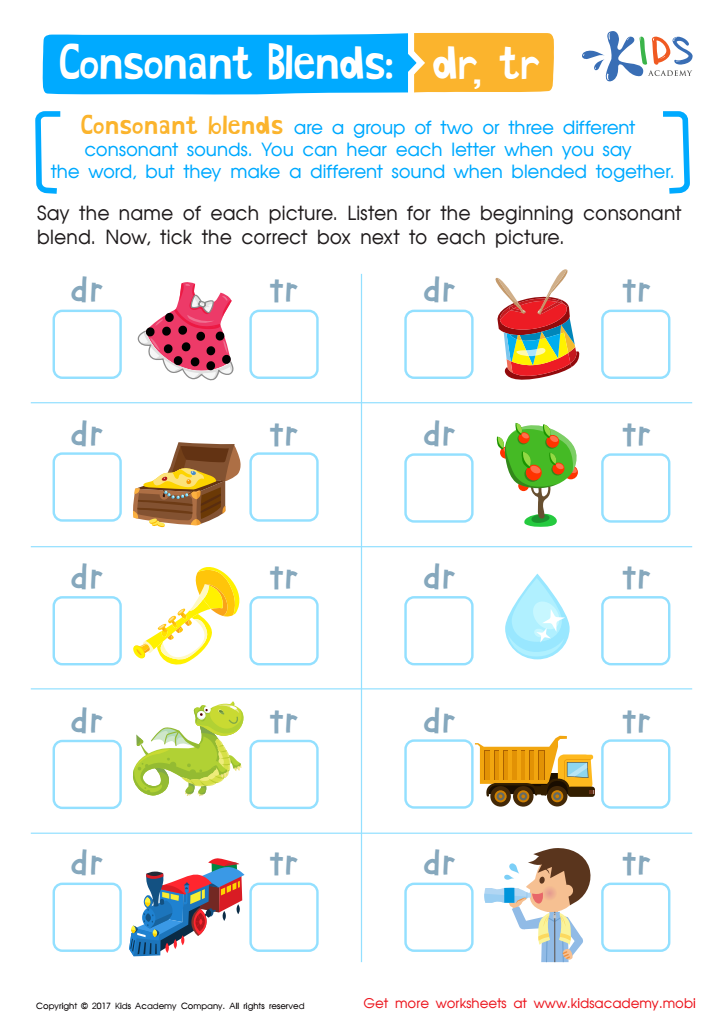
Consonant Blends: "Dr" and "Tr" Printable
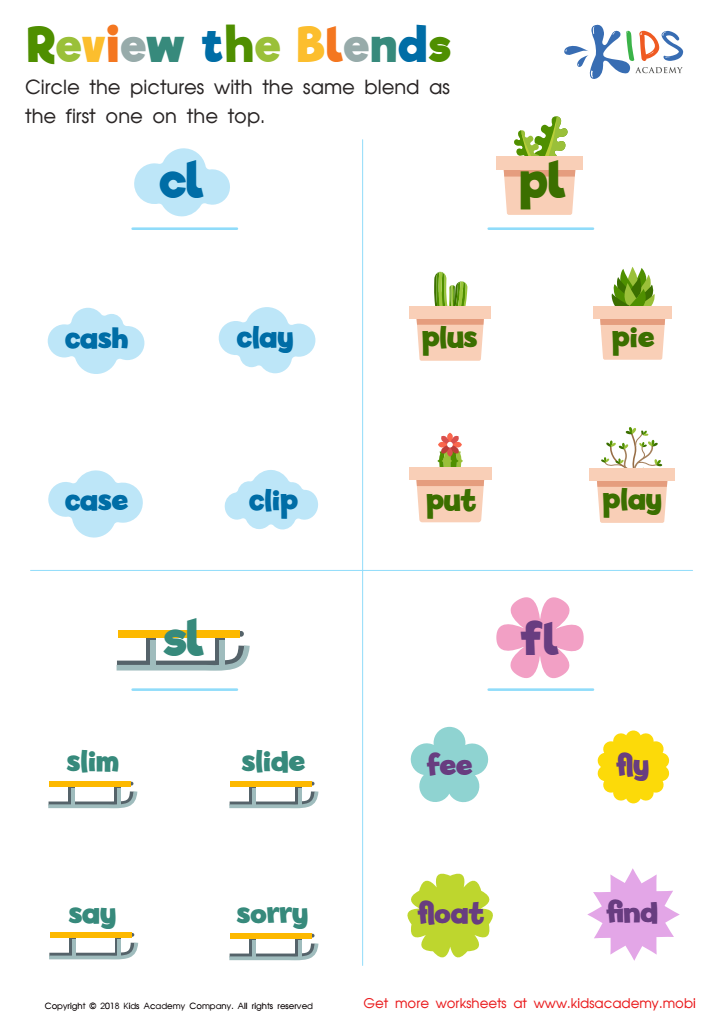
Review the Blends Worksheet



Reading comprehension is a crucial skill for 7-year-olds as it lays the foundation for their future academic success. At this age, children begin to shift from learning to read toward reading to learn. Understanding normal consonants is vital in this transition because they form the building blocks of words, enabling children to decode and make sense of what they read.
When parents and teachers prioritize reading comprehension alongside phonics instruction, they help children move beyond simply recognizing words. A strong grasp of consonants enhances phonemic awareness, allowing kids to develop vocabulary and improve sentence structure understanding. Comprehending the relationships between sounds and letters fosters critical thinking, as children learn to infer meaning, understand context, and draw connections within texts.
Furthermore, proficient reading comprehension boosts confidence and motivation. When children feel adept at understanding stories or informational texts, they become more engaged readers, eager to explore new materials. This eagerness supports lifelong learning and curiosity. Overall, by nurturing reading comprehension and the understanding of normal consonants, parents and teachers equip children with essential skills that will benefit them academically and socially throughout their lives.






