Developing analytical skills Normal Worksheets for 7-Year-Olds
7 filtered results
-
From - To
Explore our "Developing Analytical Skills" worksheets designed specifically for 7-year-olds! Engaging and interactive, these printable resources help young learners enhance their critical thinking and problem-solving abilities. Through fun activities, kids will analyze patterns, categorize objects, and draw conclusions, fostering essential skills for academic success. Each worksheet is crafted to encourage exploration and creativity, making learning an enjoyable experience. Perfect for home or classroom use, these resources support the development of a strong foundation in analytical thinking, setting the stage for future learning challenges. Encourage your child’s curiosity and analytical prowess with our thoughtfully designed worksheets today!
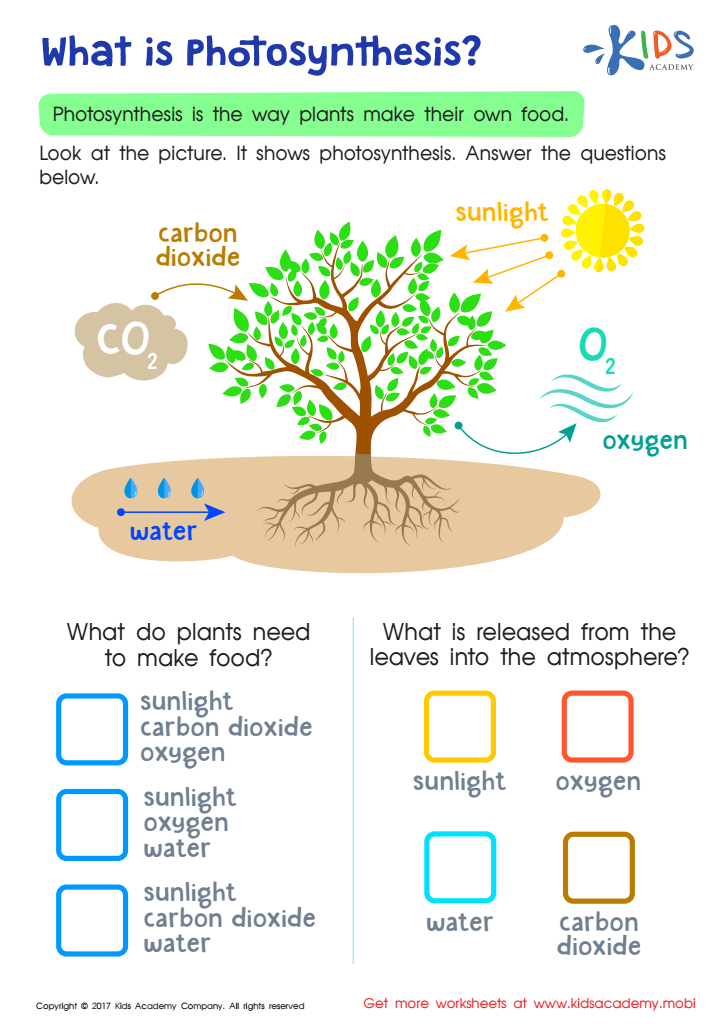
What is Photosynthesis Printable
 Assign to My Students

Author's Purpose Worksheet
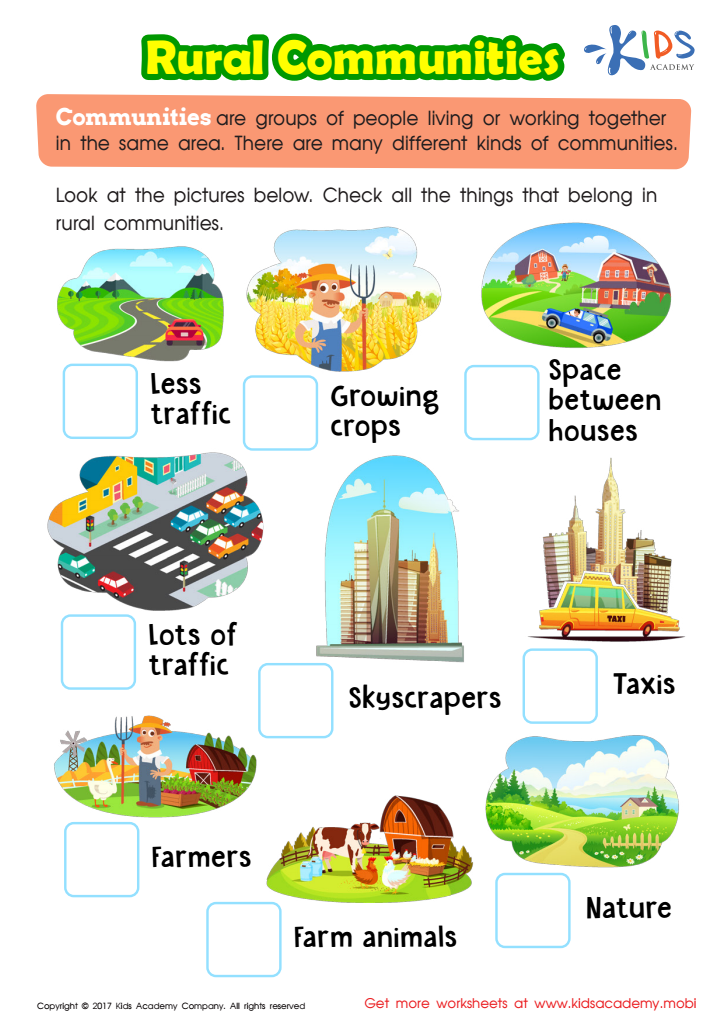
Rural Communities Printable

Story Structure Worksheet
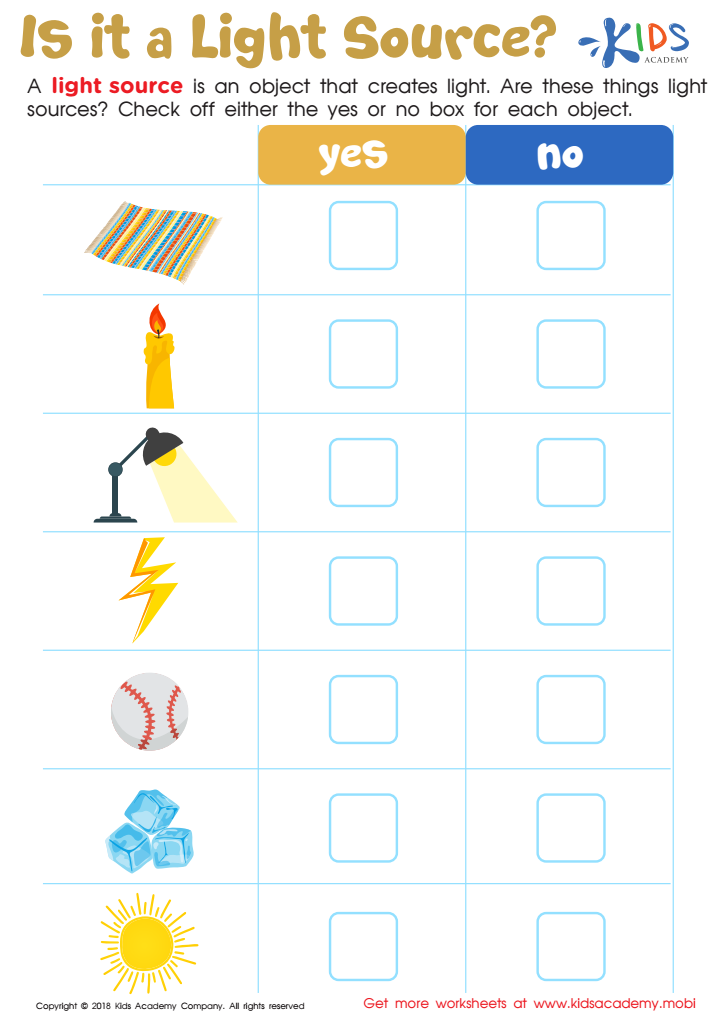
Is It a Light Source? Worksheet
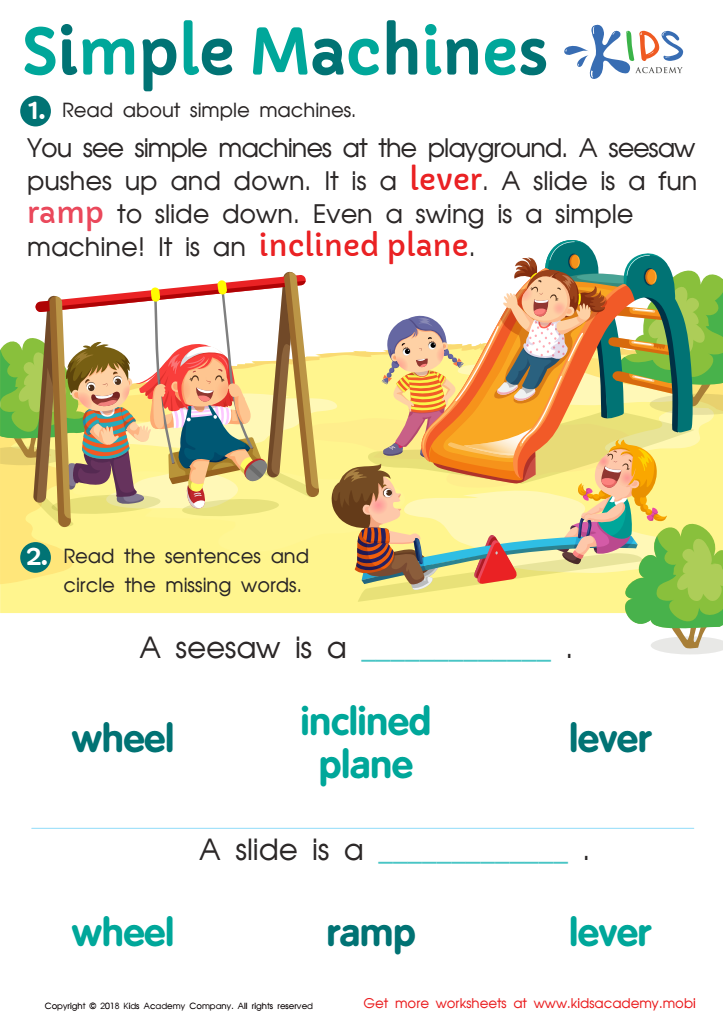
Simple Machines Worksheet

How Light Travels Worksheet





.jpg)


Developing analytical skills in seven-year-olds is crucial for several compelling reasons. At this age, children are naturally curious and eager to learn, making it an ideal time to cultivate critical thinking. Analytical skills empower them to observe information closely, evaluate evidence, identify patterns, and make informed decisions.
These skills not only enhance academic performance across subjects—such as math and science—but also equip children with problem-solving abilities essential for everyday life. As society becomes increasingly complex, children must learn to navigate challenges effectively. Analytical thinking fosters resilience and adaptability, helping them approach problems with a calm and rational mindset.
Moreover, nurturing these skills promotes collaboration and communication as children learn to articulate their thoughts, engage in discussions, and respect differing viewpoints. This lays the groundwork for future academic endeavors and teaches them the importance of teamwork.
Finally, developing analytical skills encourages a love for learning. When children learn to question, analyze, and synthesize information, they become lifelong learners, prepared to face an ever-evolving world. Therefore, parents and teachers should prioritize the cultivation of these skills, ensuring children are equipped for future challenges and opportunities.








