Enhancing observational skills Normal Worksheets for 7-Year-Olds
7 filtered results
-
From - To
Enhance your 7-year-old's observational skills with our engaging worksheets designed to make learning fun and interactive! Our curated collection features various activities that encourage children to closely observe their surroundings, identify patterns, and attentively follow instructions. Each worksheet is crafted to boost critical thinking and foster a keen sense of detail. From identifying differences in images to solving puzzles, these exercises help sharpen cognitive abilities while promoting concentration. Perfect for both classroom and home learning, our worksheets are easy to print and suitable for diverse learning styles. Equip your child with essential skills for academic success through enjoyable observational practice!
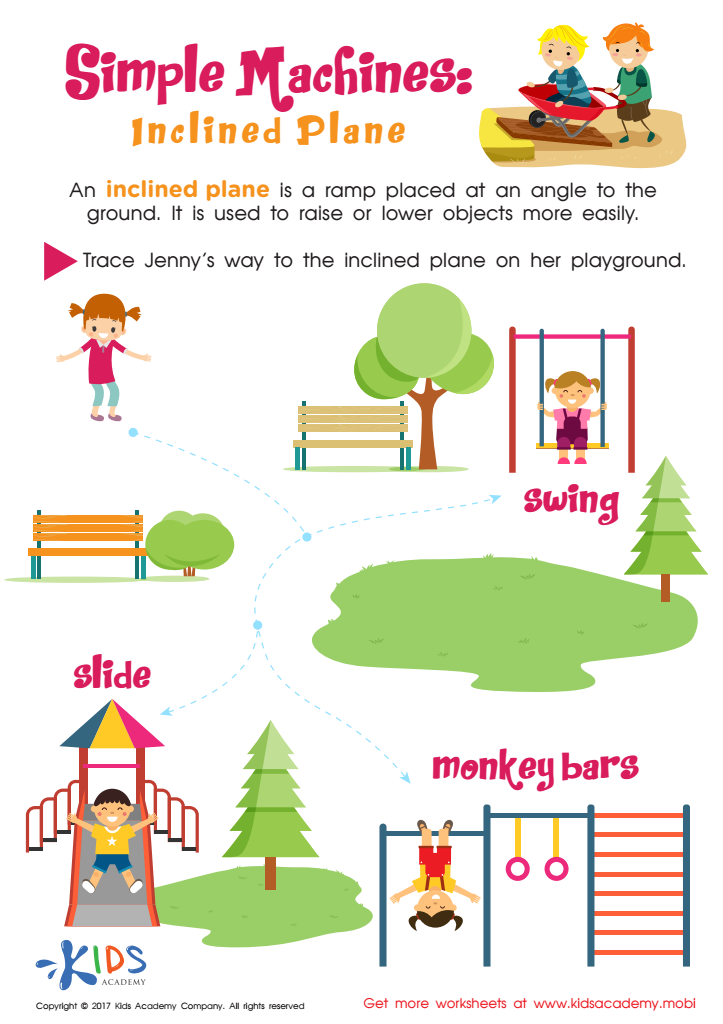
Simple Machines Inclined Plane Worksheet
 Assign to My Students
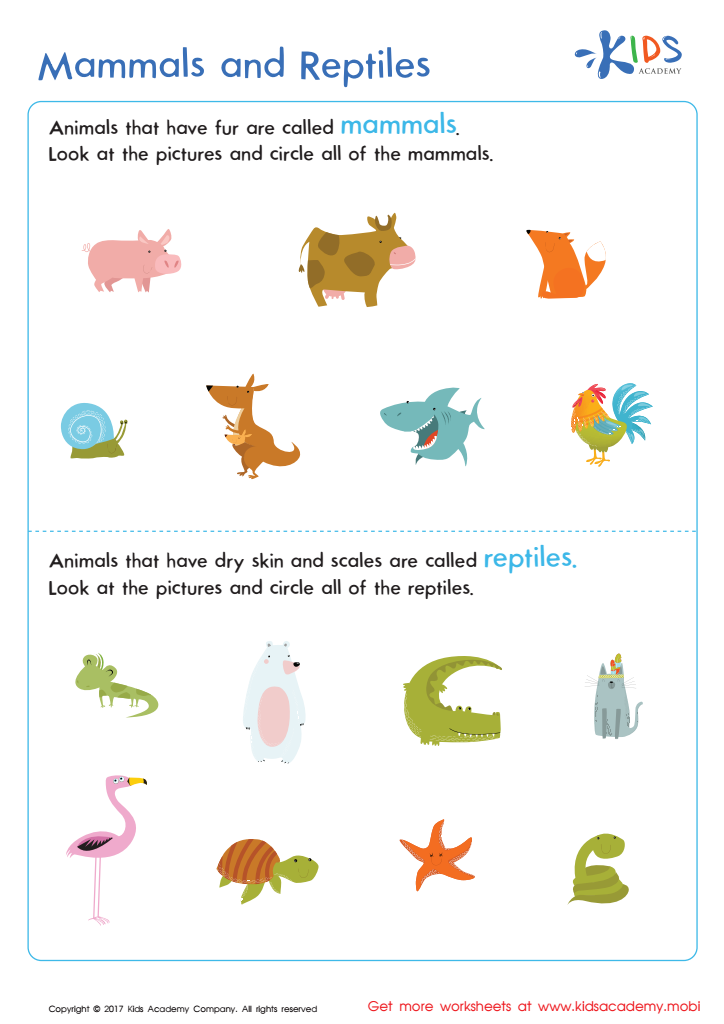
Mammals and Reptiles Worksheet
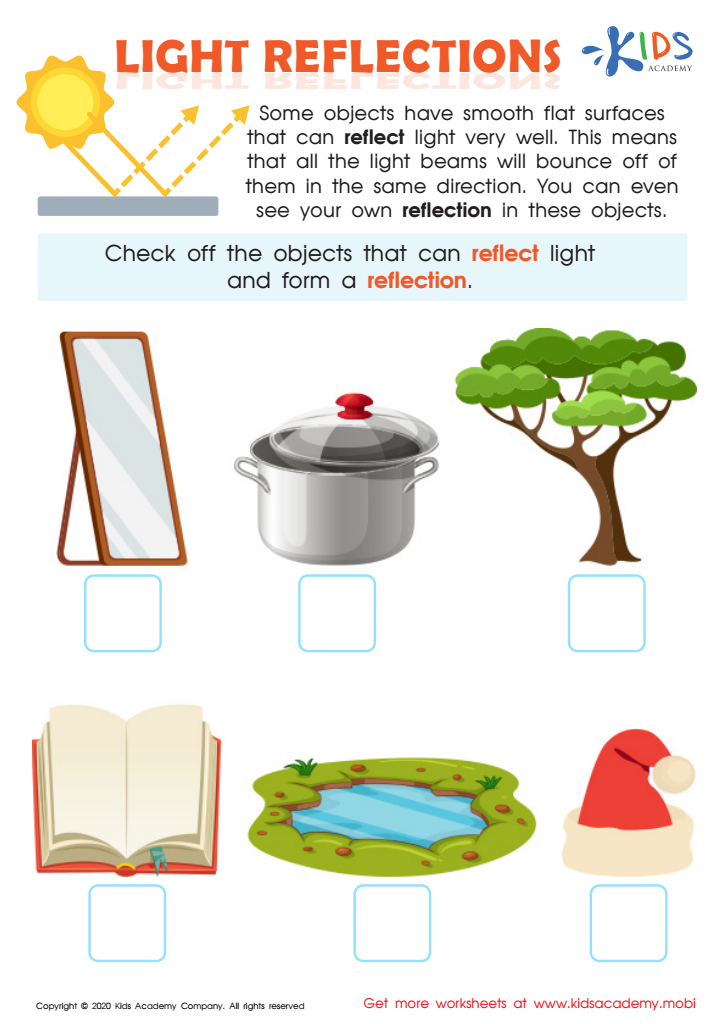
Light Reflections Worksheet
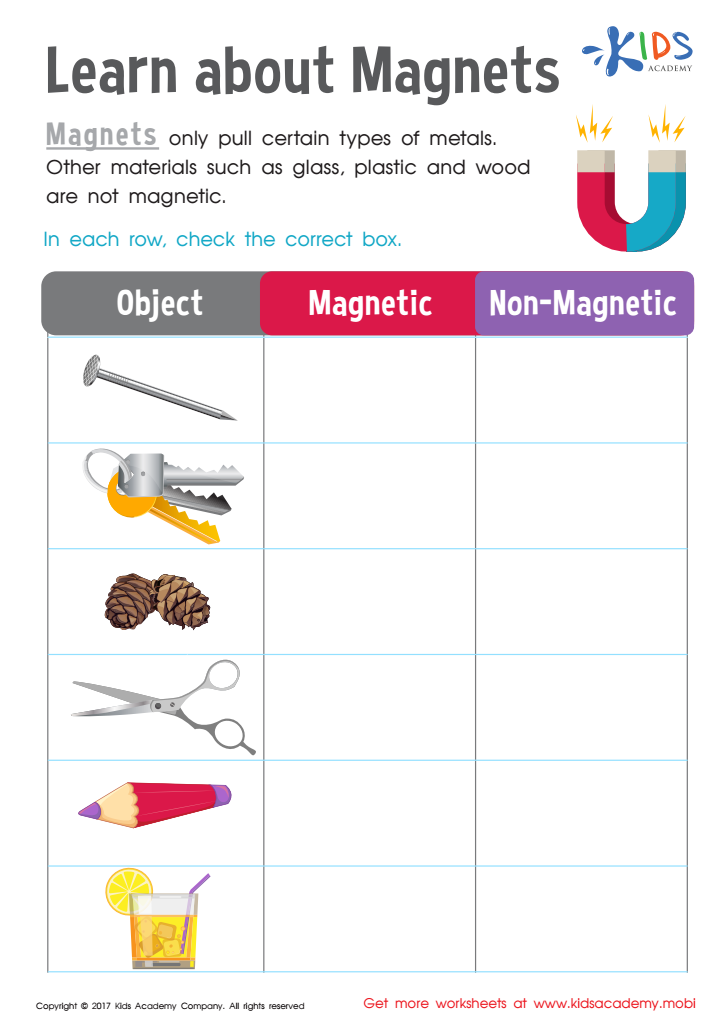
Magnetic Or Not Worksheet
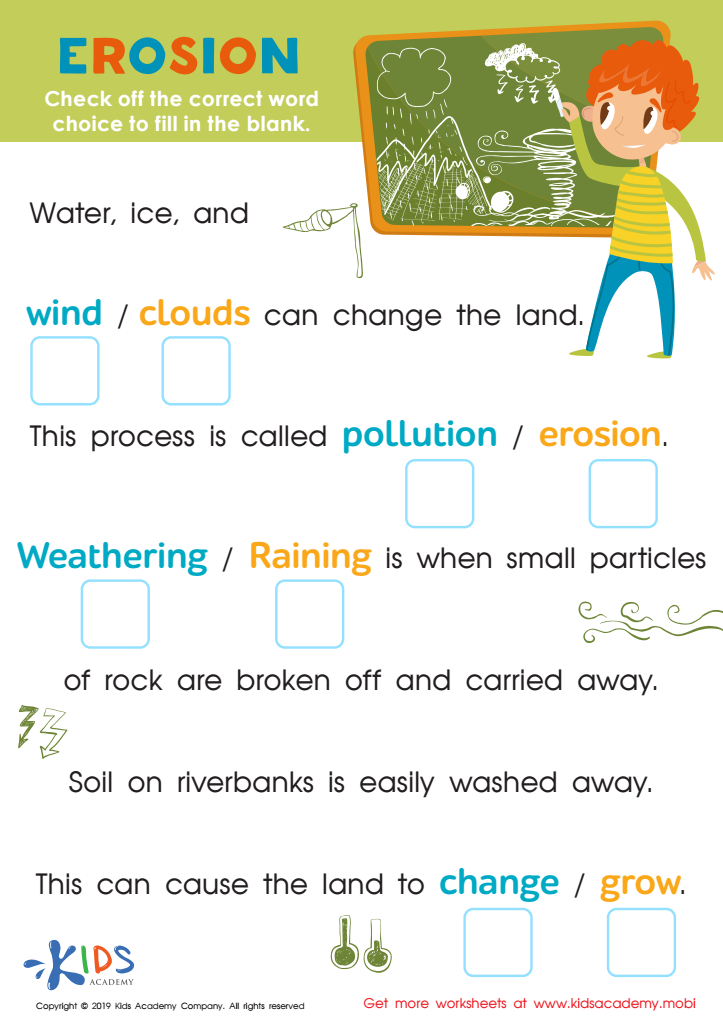
Erosion Worksheet
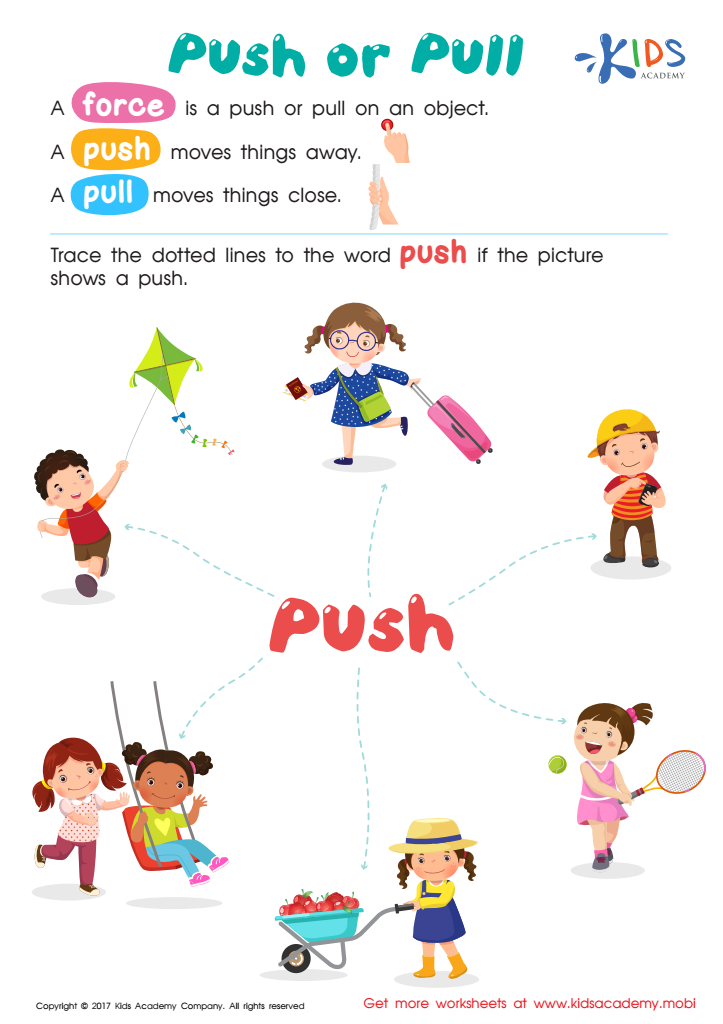
Push or Pull Worksheet
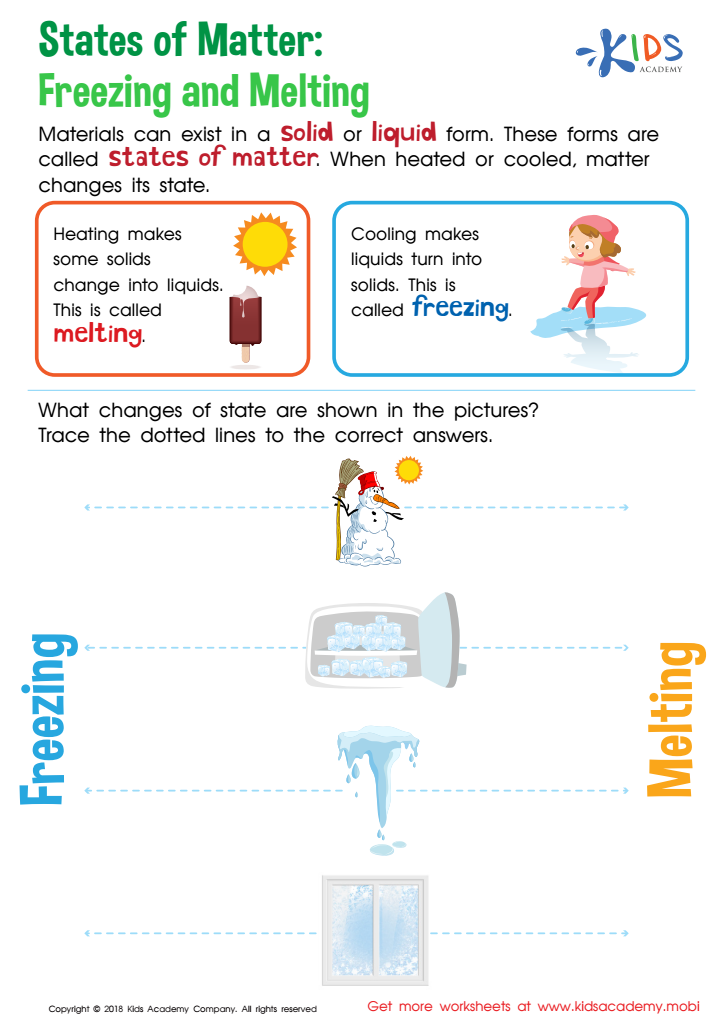
States of Matter: Freezing and Melting Worksheet





.jpg)
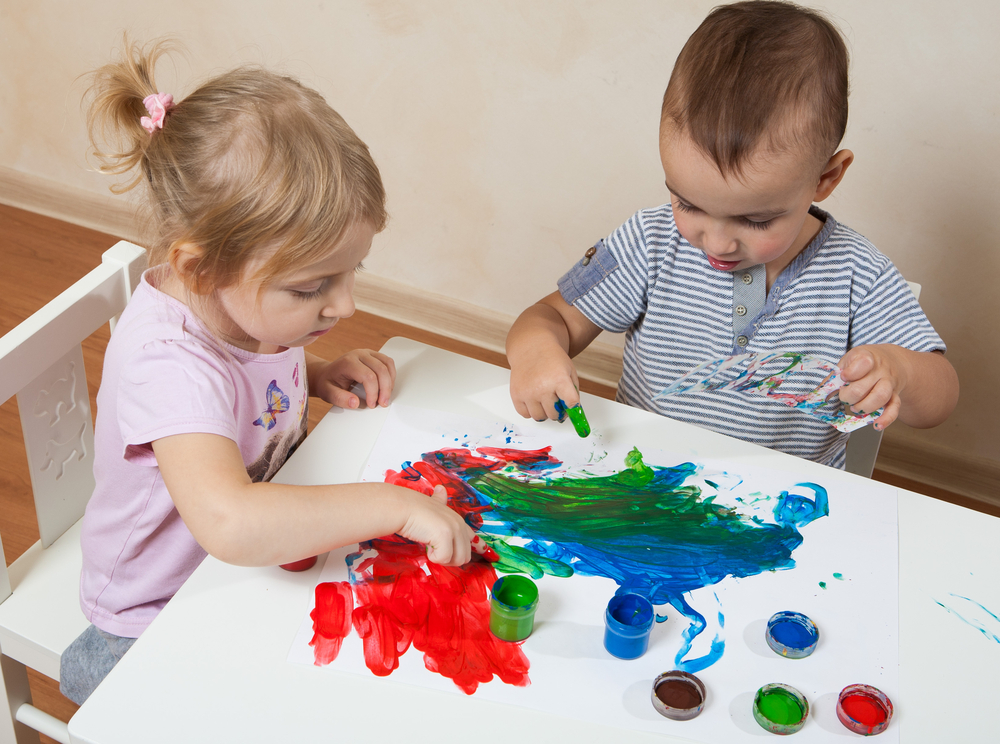
Enhancing observational skills in 7-year-olds is crucial for their overall development and learning. At this age, children are naturally curious, and fostering their ability to observe and interpret their surroundings can significantly enrich their educational experience. Improved observational skills enable children to notice details, patterns, and changes in their environment, which enhances critical thinking and problem-solving abilities.
When parents and teachers encourage observational learning, they help children develop a keen appreciation for the world around them, fostering a love for inquiry and exploration. This skill is essential not just in subjects like science, where observation can lead to greater understanding, but in everyday life, allowing children to navigate social interactions and emotional cues effectively.
Moreover, strengthening observational skills aids in building confidence and independence as children learn to rely on their insights and judgments. Engaging with the world thoughtfully equips them for future challenges both academically and socially. By prioritizing the enhancement of these skills, parents and teachers contribute to a foundation of lifelong learning, ensuring that children grow into observant, engaged, and informed individuals who can think critically about the complexities of the world around them.








