Letter-sound recognition Normal Worksheets for 7-Year-Olds
3 filtered results
-
From - To
Discover our engaging letter-sound recognition worksheets designed specifically for 7-year-olds! These thoughtfully crafted materials encourage young learners to explore phonics through interactive activities that make learning fun. Each worksheet incorporates colorful illustrations and age-appropriate exercises to help children connect letters with their corresponding sounds, reinforcing foundational literacy skills essential for early reading success. Ideal for home study or classroom use, our worksheets promote independent learning while allowing educators and parents to assess progress. Boost your child's confidence and skillset in phonemic awareness with our enjoyable, effective worksheets that transform learning into an exciting adventure! Download now and watch their skills soar!
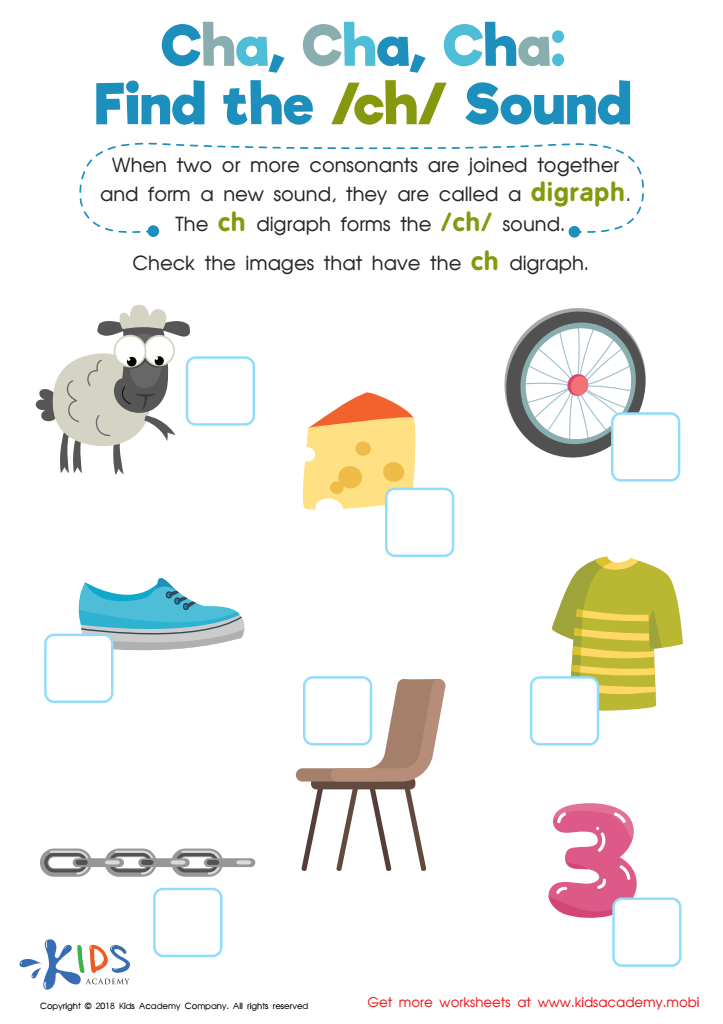
Cha, Cha, Cha: Find the /Ch/ Sound Worksheet
 Assign to My Students
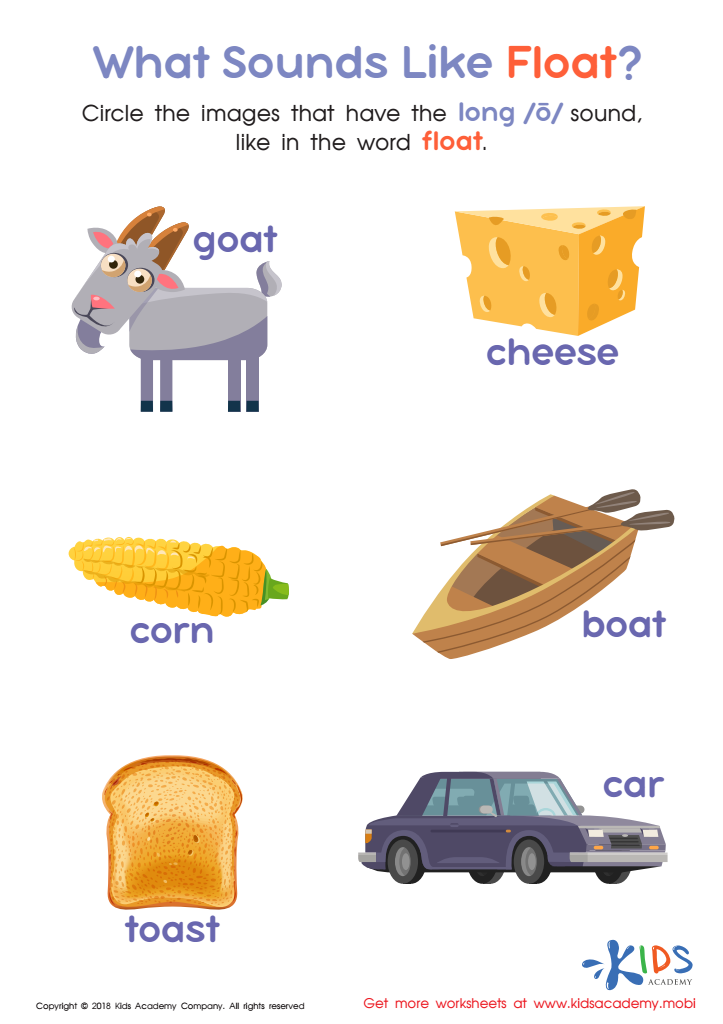
What Sounds Like Float? Worksheet
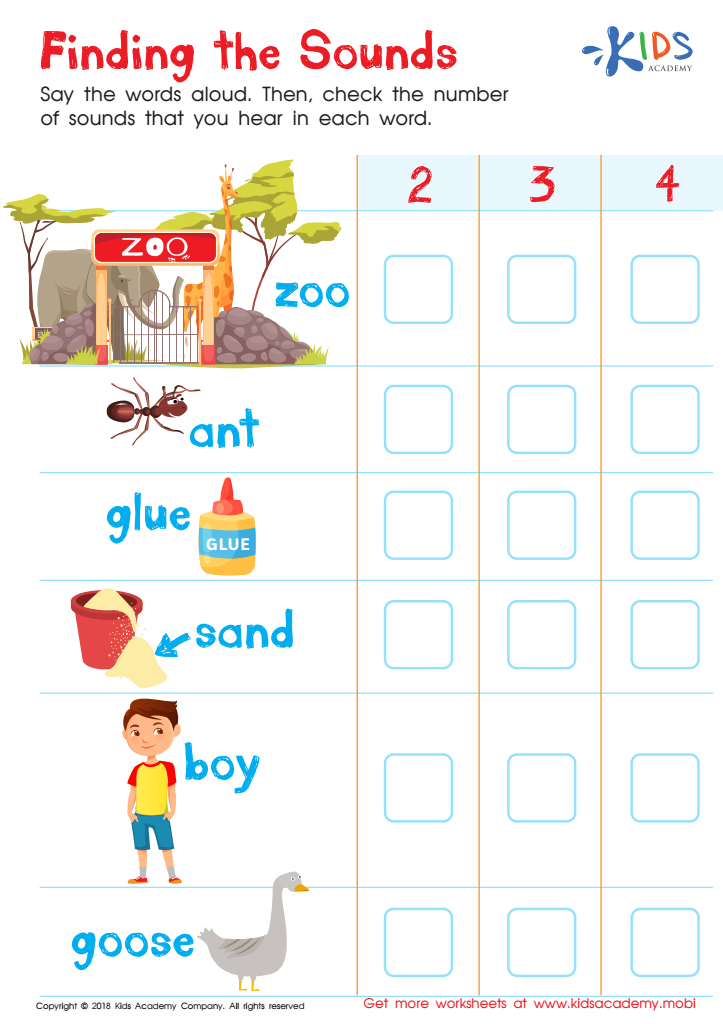
Finding the Sounds Worksheet








Letter-sound recognition is a crucial skill for 7-year-olds, providing the foundational blocks for reading, writing, and overall literacy development. At this age, children transition from learning to read to reading to learn, making letter-sound recognition essential. When they can accurately associate letters with their corresponding sounds, they unlock the ability to decode words, which is vital for comprehension and communication.
Parents and teachers should care about normal letter-sound recognition because it is a strong indicator of a child's reading ability and academic success. Difficulties in this area can highlight potential learning challenges, allowing for early intervention and support. Strategies like phonics instruction and engaging reading activities can help reinforce these skills, ensuring children develop confidence and fluency in their reading.
Furthermore, the ability to recognize letter sounds impacts children's performance in other subjects, affecting their overall educational journey. By fostering strong letter-sound recognition, caregivers cultivate a love for reading and equip children with essential tools that promote lifelong learning skills.
Ultimately, investing time and attention to enhancing letter-sound recognition at this crucial developmental stage can lead to improved literacy rates, academic achievement, and a positive attitude towards education as children grow.








