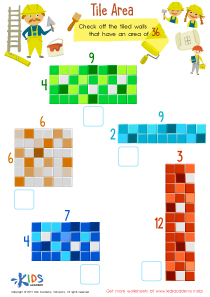
Number Sequencing Normal Numbers Worksheets for 7-Year-Olds
5 filtered results
-
From - To
Explore our engaging Number Sequencing worksheets designed specifically for 7-year-olds! These fun and interactive exercises help children enhance their number recognition and sequencing skills, laying a solid mathematical foundation. Ideal for both classroom activities and at-home practice, our worksheets utilize colorful illustrations and age-appropriate exercises to capture young learners’ attention. From filling in missing numbers to arranging sequences, each activity promotes critical thinking and boosts confidence in numeracy. Perfect for teachers and parents alike, these resources aim to make learning enjoyable while ensuring your child masters essential counting concepts. Download now and watch your child's numerical skills flourish!
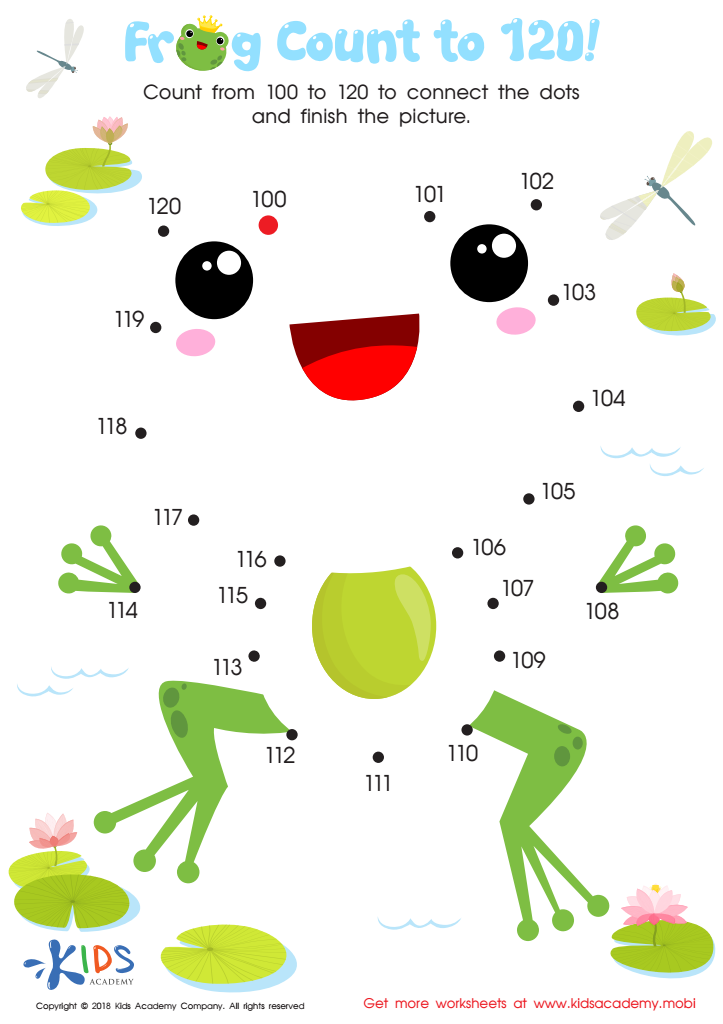
Frog Count to 120 Worksheet
 Assign to My Students
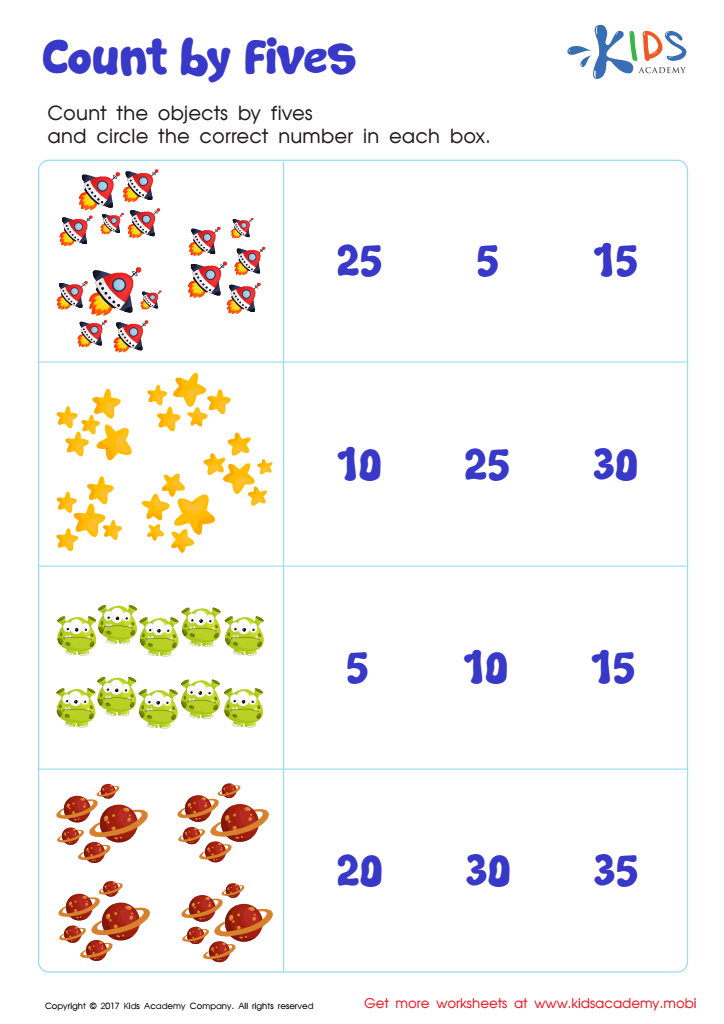
Skip Counting by 5s: Space Math Printable
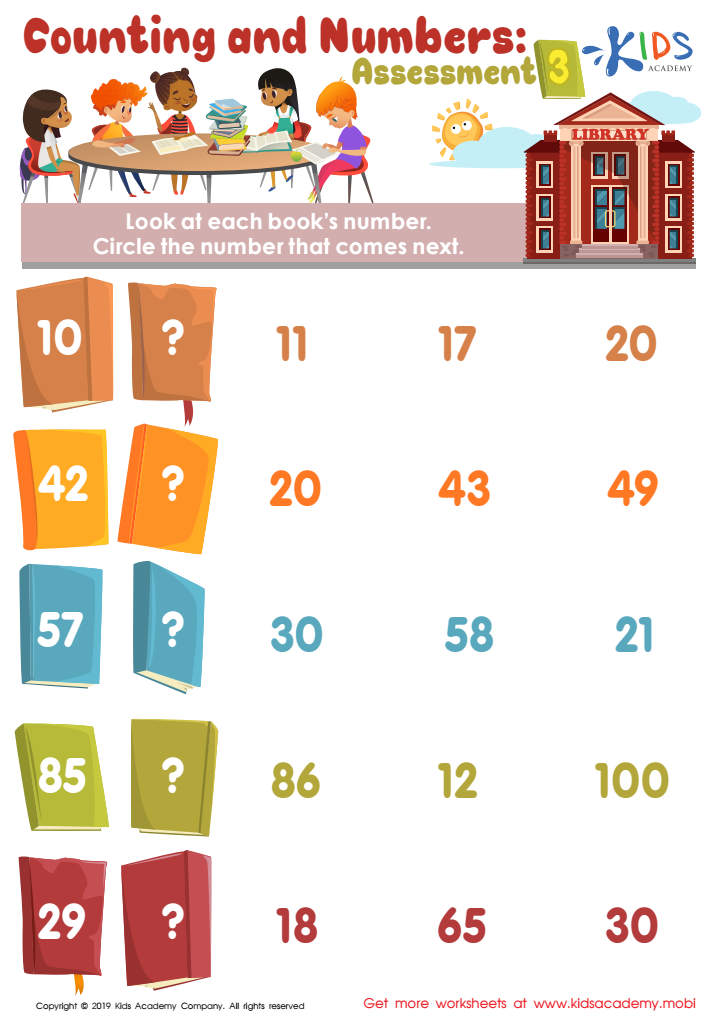
Counting and Numbers: Assessment Worksheet
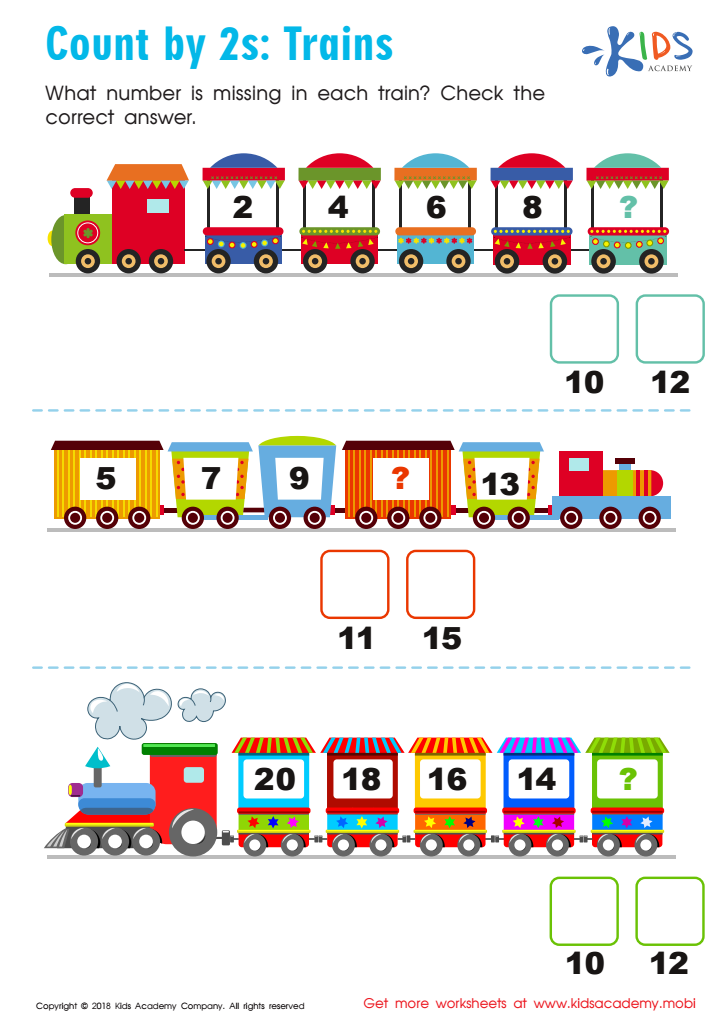
Count by 2's: Trains Worksheet
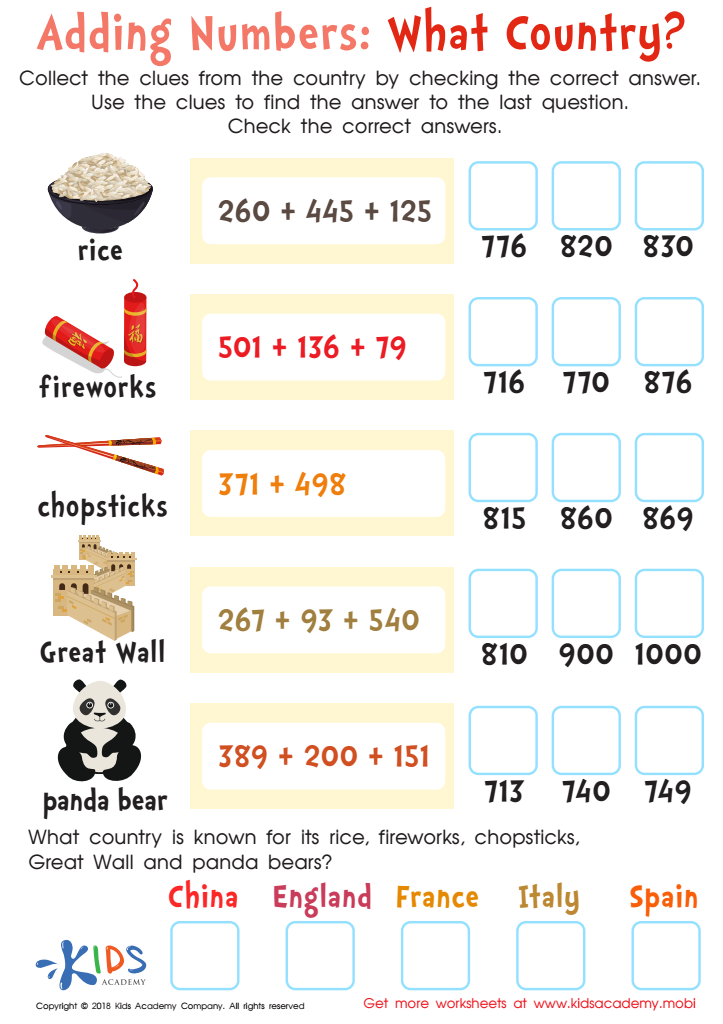
Adding Numbers: What Country Worksheet








Number sequencing is a fundamental mathematical skill essential for young learners, particularly for 7-year-olds. Understanding normal number sequencing helps children develop critical cognitive skills such as pattern recognition, logical reasoning, and problem-solving. At this age, children are typically introduced to various number concepts, and mastering sequencing allows them to build a strong foundation for more complex mathematical understanding in the future.
Moreover, number sequencing enhances a child's ability to handle everyday tasks that involve numbers, such as telling time, counting money, and organizing objects in order. It's also crucial for learning basic arithmetic, such as addition and subtraction, as well as multiplication and division, where understanding the order of operations becomes vital.
Parents and teachers should prioritize number sequencing because it encourages positive attitudes towards mathematics. Engaging children in fun and interactive sequencing activities can boost their confidence, making them more eager to learn. Additionally, introducing number sequencing fosters a collaborative learning environment, allowing children to work together and help each other understand. By reinforcing these skills in early education, we set the stage for future academic success and a greater appreciation of mathematics in daily life.