Recognizing number patterns Normal Numbers Worksheets for 7-Year-Olds
4 filtered results
-
From - To
Unlock your child's math potential with our "Recognizing Number Patterns Normal Numbers Worksheets" designed for 7-year-olds! These engaging, interactive worksheets help young learners identify, analyze, and extend number patterns, enhancing their critical thinking and problem-solving skills. Focusing on skip counting, odd/even sequences, and visually guided activities, these resources make learning fun and effective. Whether at home or in the classroom, our thoughtfully crafted worksheets cater to diverse learning styles, ensuring every child can grasp essential math concepts. Empower your child with confidence and proficiency in recognizing number patterns today and set a strong foundation for their future mathematical adventures!
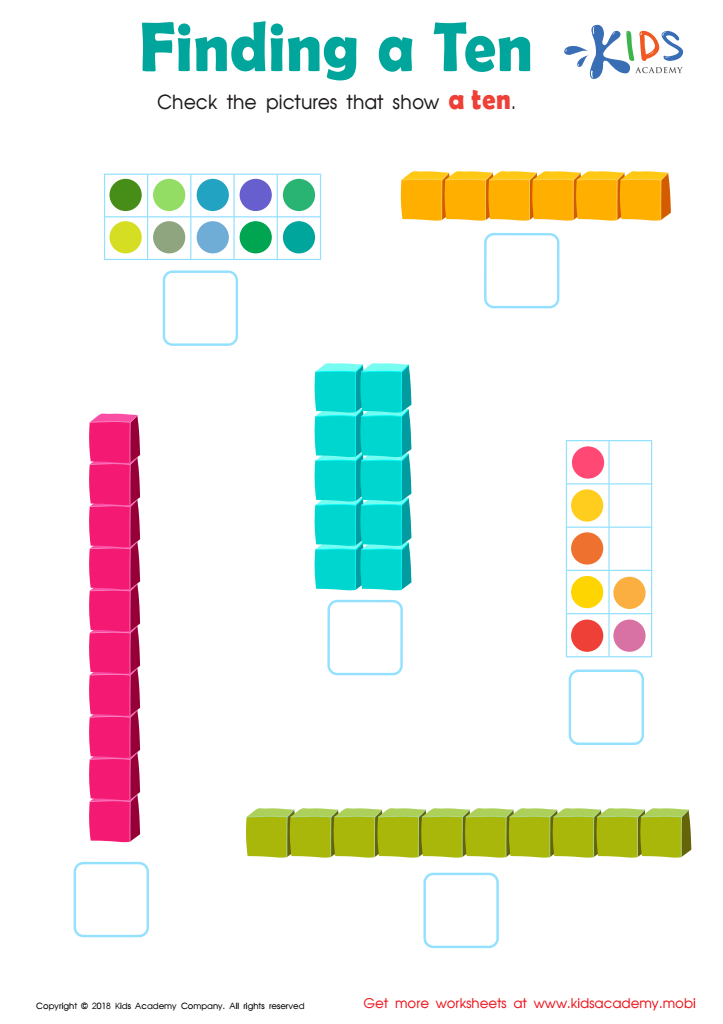
Finding a Ten Worksheet
 Assign to My Students
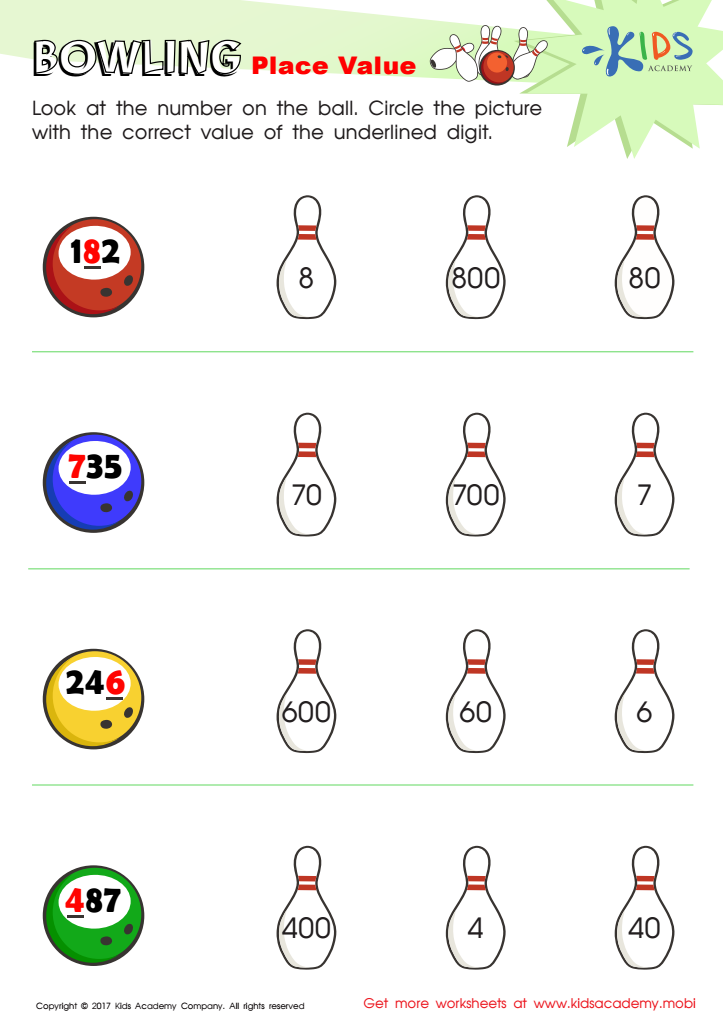
Place Value Worksheet
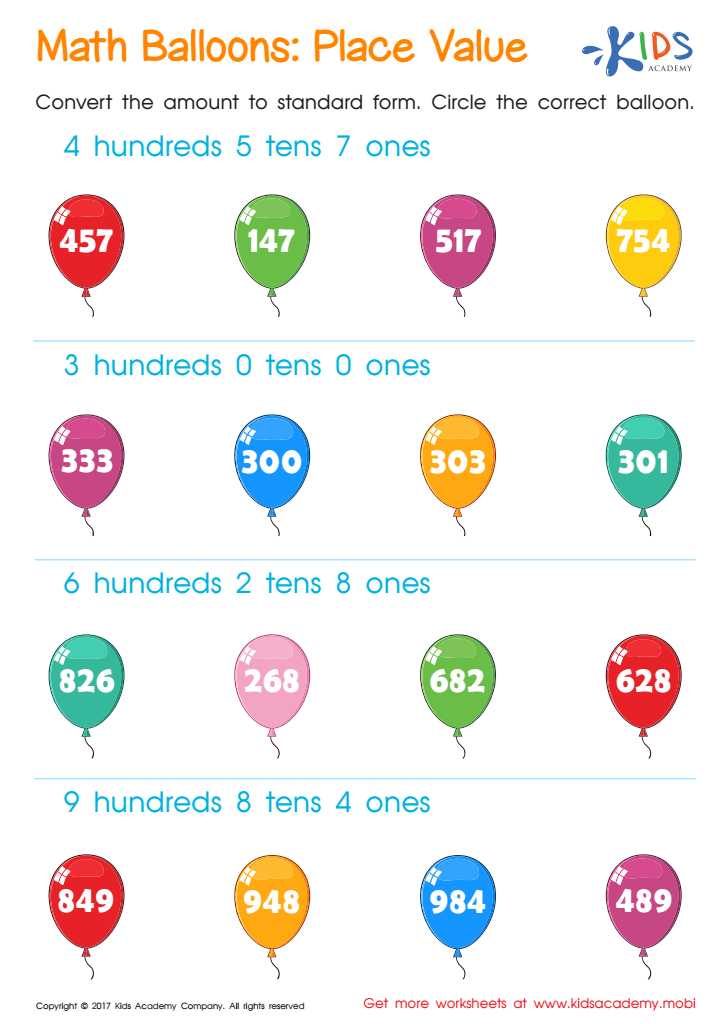
Place Value Printable Worksheet
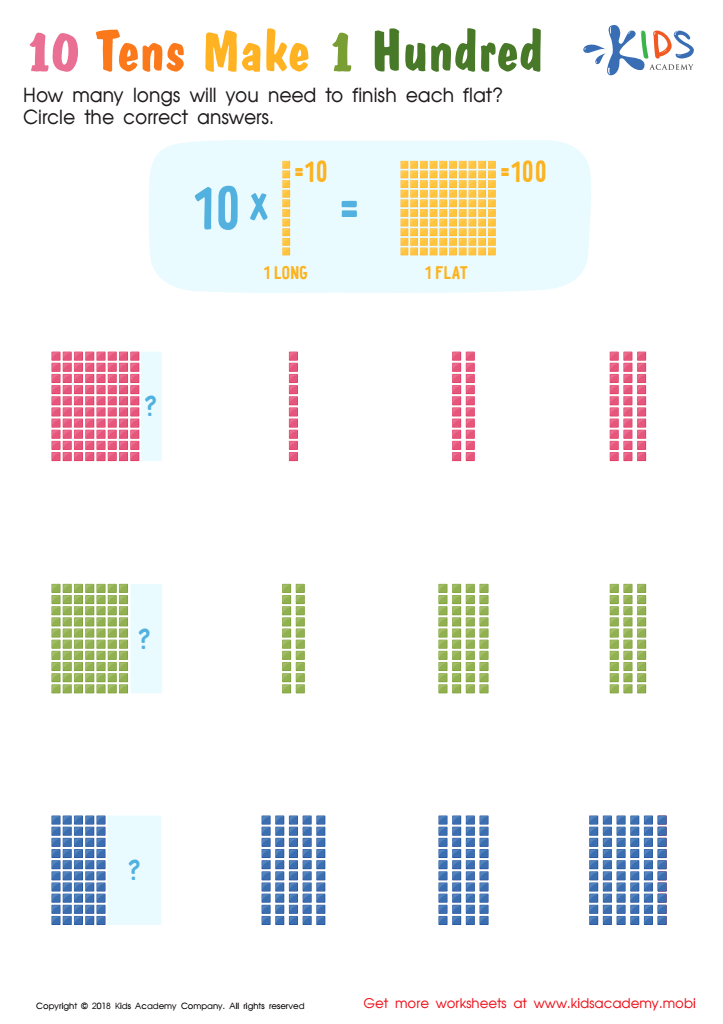
10 Tens Make 1 Hundred Worksheet






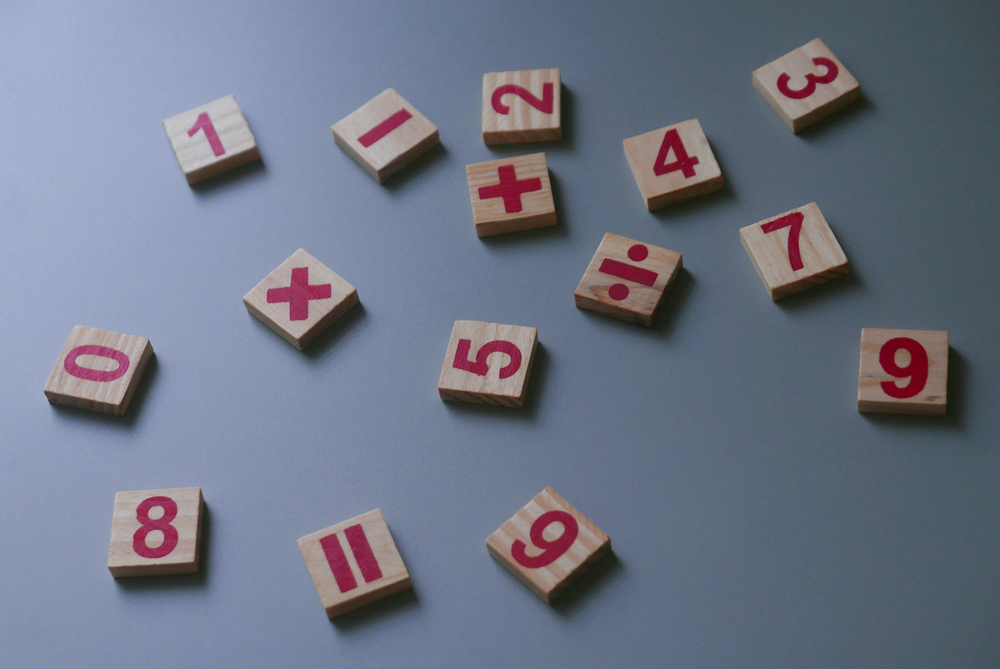

Recognizing number patterns in normal numbers is vital for 7-year-olds as it builds foundational math skills critical for their academic journey. At this age, children are developing their logical and analytical thinking, and identifying patterns strengthens these cognitive abilities. Recognizing patterns helps children understand relationships between numbers, enhances problem-solving skills, and prepares them for more complex mathematical concepts like addition, subtraction, and multiplication.
Furthermore, familiar patterns improve children’s number sense, enabling them to anticipate outcomes and make educated guesses during math activities. This understanding fosters confidence, as children feel more capable tackling mathematical problems, leading to a positive attitude towards the subject.
Parents and teachers play an essential role in this learning by introducing engaging pattern recognition activities, connecting math to everyday experiences, and encouraging discussions around numbers they encounter in daily life. They can help create a supportive learning environment where children feel comfortable exploring their understanding and asking questions.
By emphasizing the importance of recognizing number patterns early, we equip children with skills that will serve them in both current and future mathematical challenges. Ultimately, this early comprehension of patterns nurtures critical thinking, reinforces a love for learning, and lays the groundwork for lifelong mathematical literacy.








