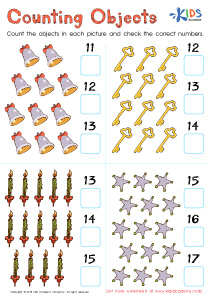
Counting skills Normal Tracing Numbers Worksheets for 7-Year-Olds
5 filtered results
-
From - To
Enhance your 7-year-old's counting prowess with our expertly designed Counting Skills Normal Tracing Numbers Worksheets. These printable resources seamlessly blend learning with fun to help young learners master tracing numbers while developing essential counting skills. Tailored to address the educational needs of 7-year-olds, our worksheets feature engaging activities that encourage repetition and practice, laying a solid foundation for future math success. With user-friendly layouts and captivating themes, kids can confidently and enjoyably practice number formation and counting sequences. Perfect for both classroom settings and home learning, our worksheets make mastering counting skills an exciting adventure.
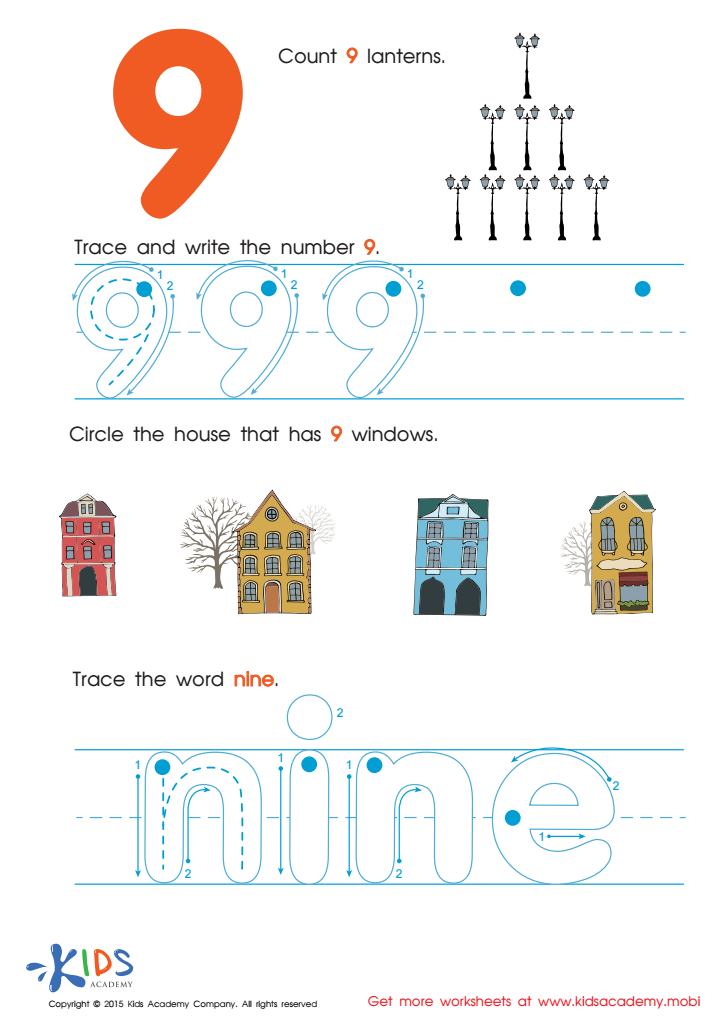
Tracing And Learning to Write Number 9 Worksheet
 Assign to My Students
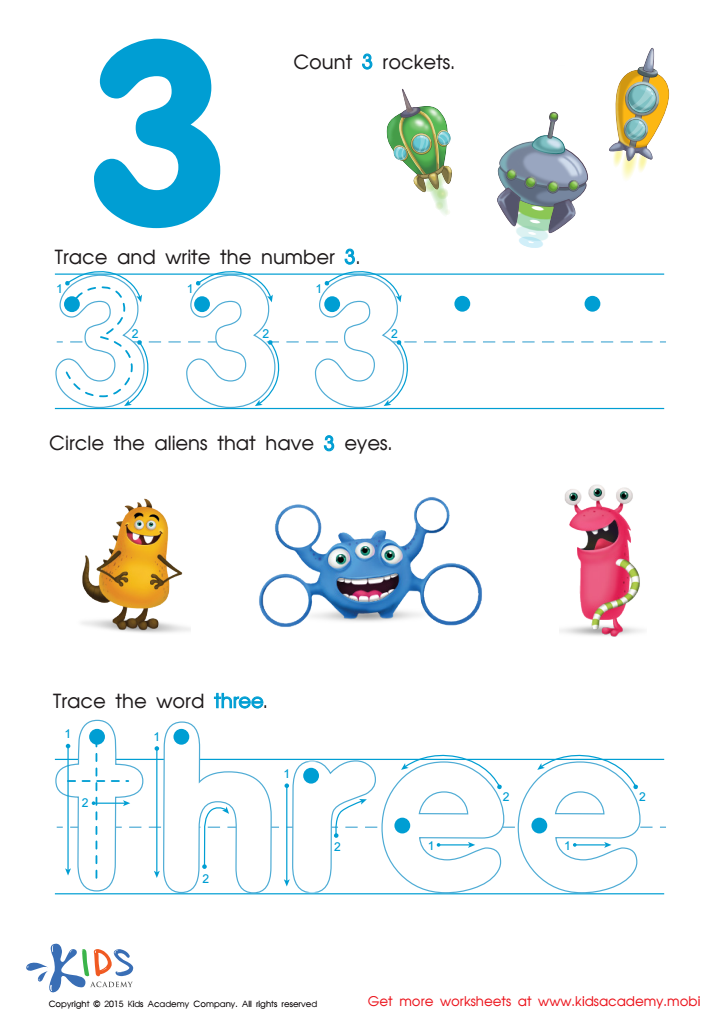
Learning Number Three Worksheet
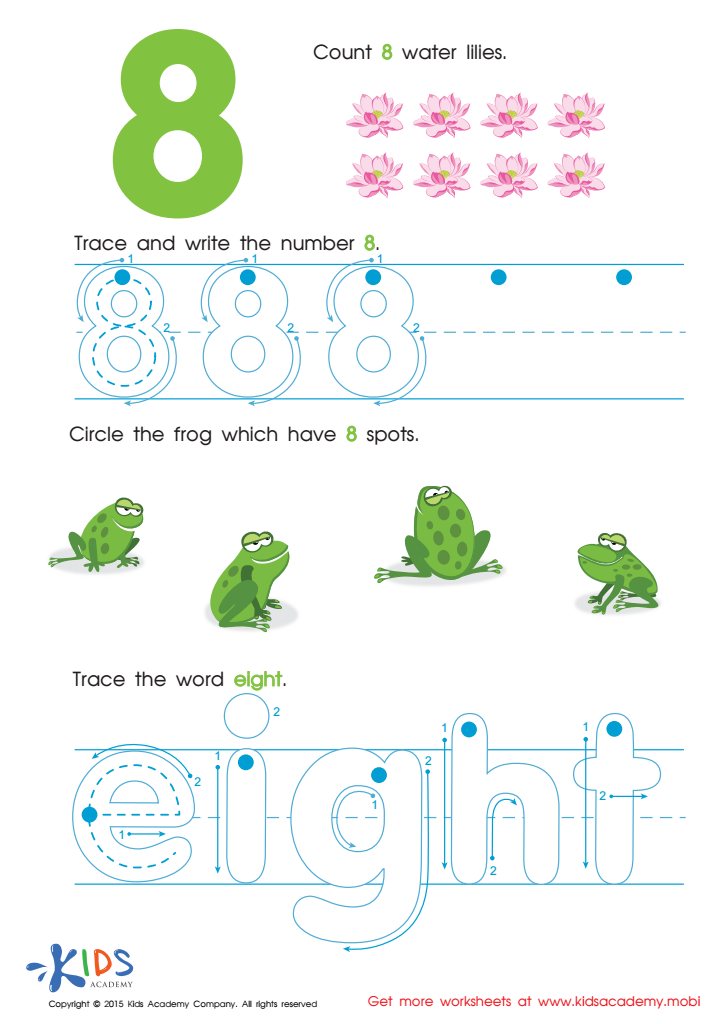
Learn Number 8 Easily Worksheet
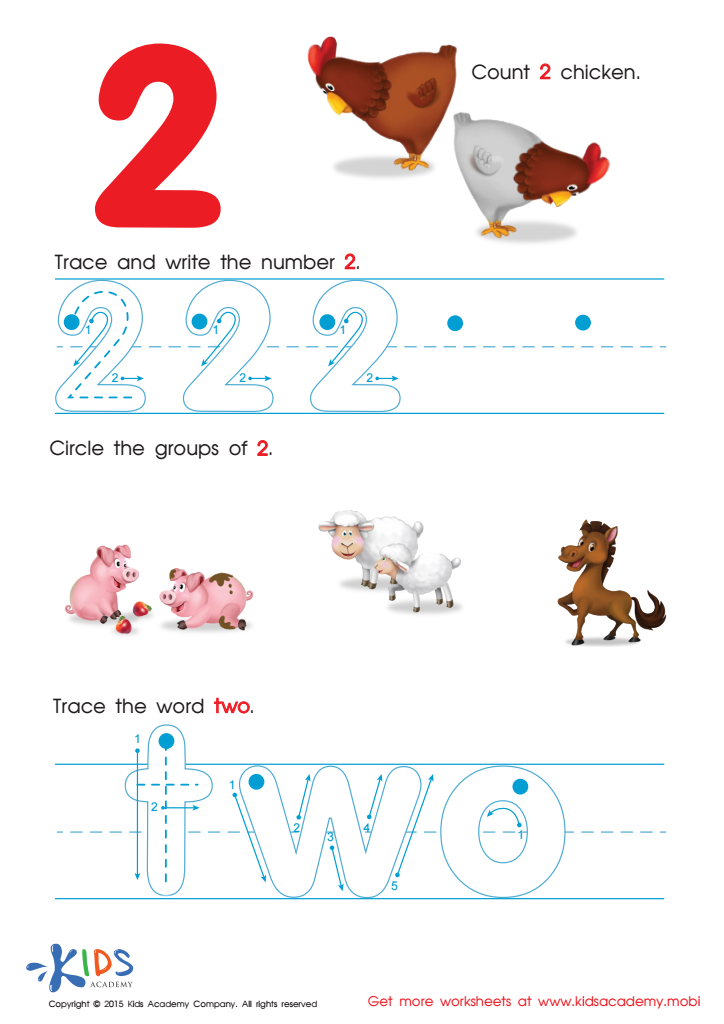
Learn to Write the Number 2 Worksheet
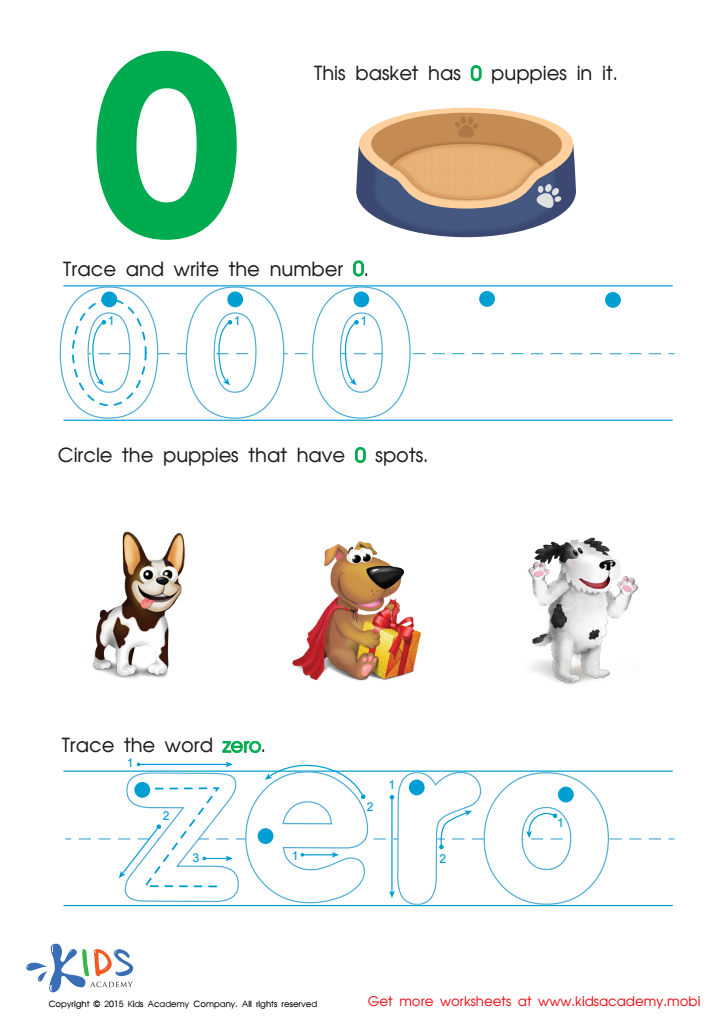
Trace And Write Number 0 Worksheet







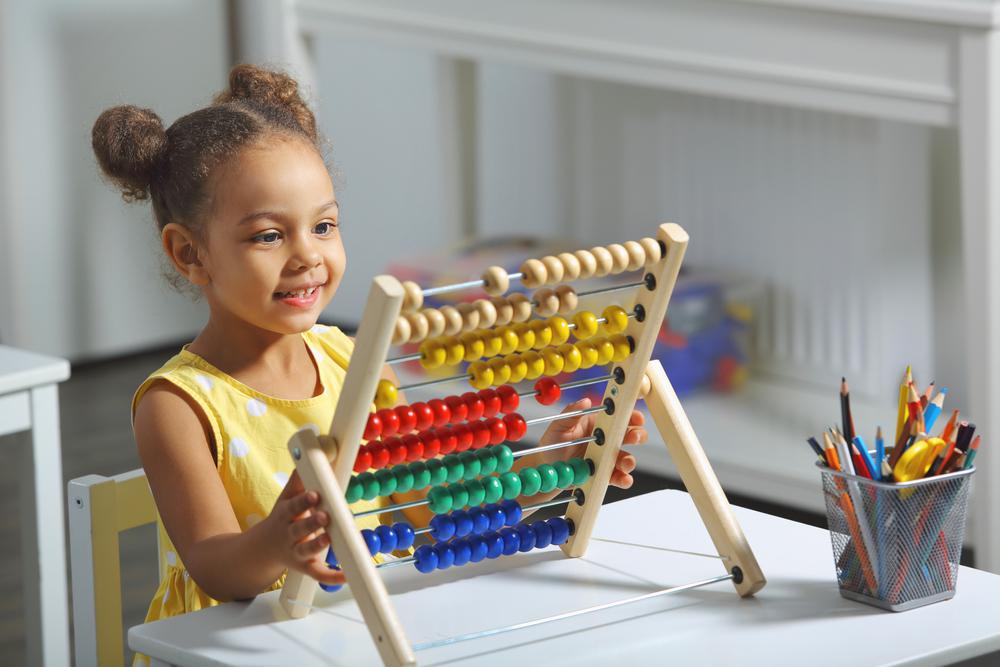
Counting skills and tracing numbers are foundational for a child's mathematical development, and their importance cannot be overstated. For 7-year-olds, these skills integrate crucial cognitive, fine motor, and comprehension abilities that will underpin future academic success.
Counting skills are more than just rote memorization; they involve understanding quantity, sequence, and mathematical relationships. This foundational knowledge aids children in grasping more complex concepts like addition, subtraction, and place value. By having strong counting skills, children can develop logical thinking and problem-solving skills, which are indispensable across all areas of learning and everyday life.
Normal tracing numbers, on the other hand, enhances fine motor skills important for writing legibility and overall dexterity. Tracing exercises help children develop the muscle memory required for numeracy fluency. Moreover, this practice reinforces the visual recognition of numbers and their proper formation, which benefits not only handwriting but also a child’s ability to process and organize information visually.
Parents and teachers play a critical role by engaging kids with interactive numerical activities that make learning both fun and effective. Investing in these early numeracy skills prepares children for higher-order mathematics and instills a lifelong appreciation for numbers. Their importance extends beyond the classroom, contributing to confidence and competence in a variety of daily tasks and future educational pursuits.