Color recognition Normal Writing Worksheets for 7-Year-Olds
9 filtered results
-
From - To
Introducing Color Recognition Normal Writing Worksheets for 7-Year-Olds! These educational worksheets are designed to help children enhance their color recognition skills while practicing their writing. Perfect for homeschooling or supplementing classroom learning, each worksheet incorporates engaging activities that make learning fun and interactive. Kids enjoy the vibrant, kid-friendly designs that stimulate their interest and creativity. By combining color identification with writing practice, these worksheets aid in the development of essential learning skills. Suitable for all skill levels, our comprehensive worksheets are great tools for nurturing confident and proficient young writers. Download now and start the colorful learning journey!
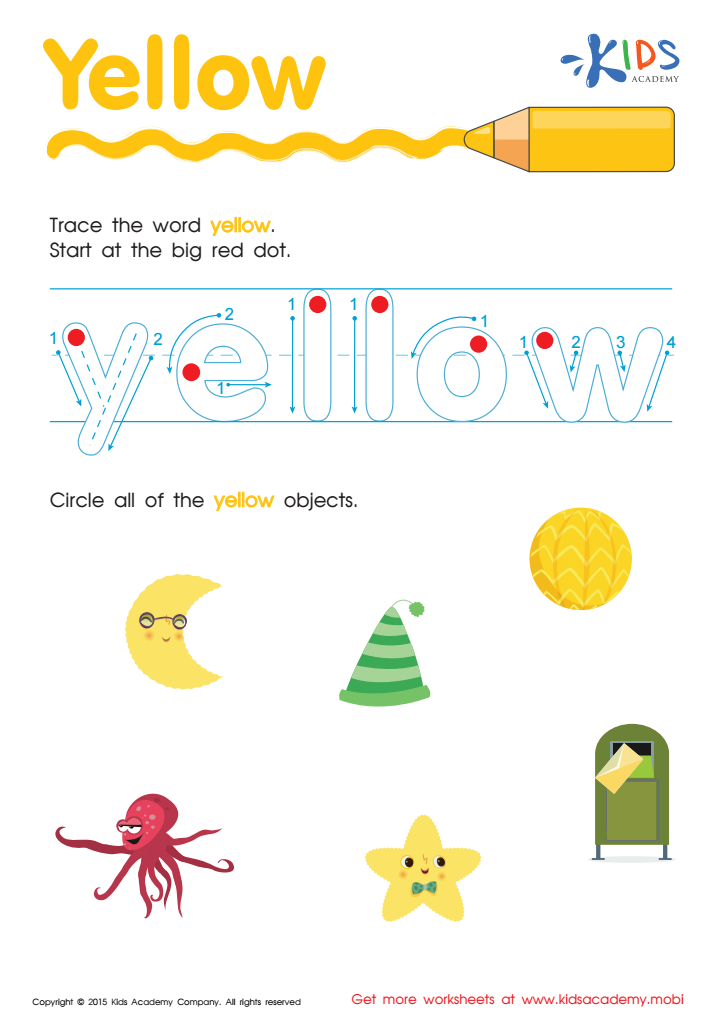
Yellow Tracing Color Words Worksheet
 Assign to My Students
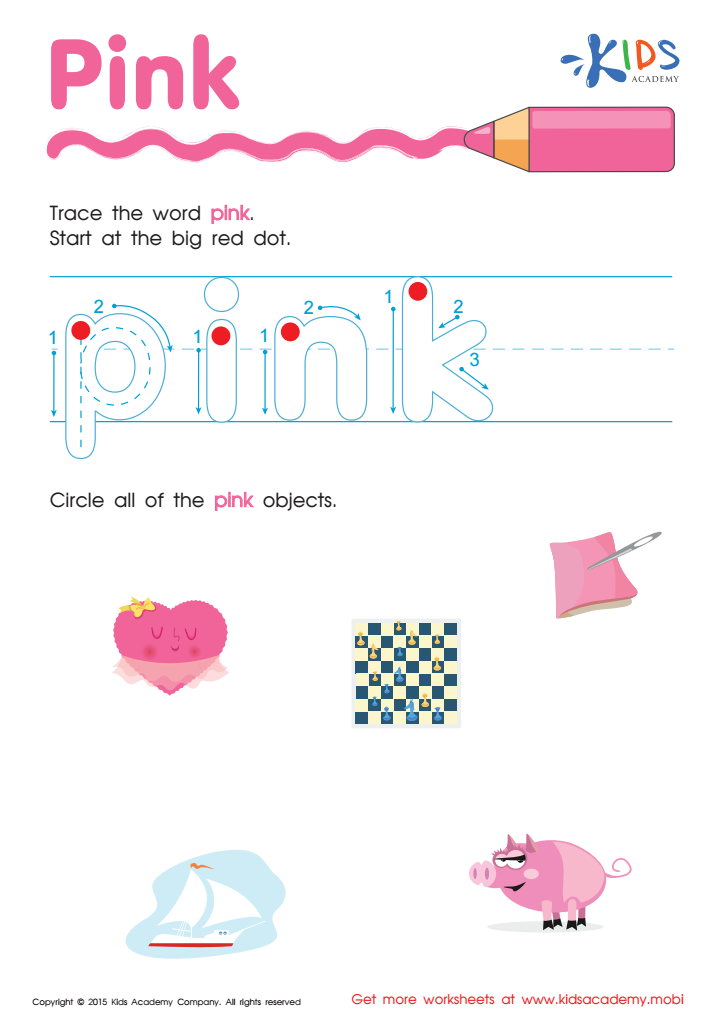
Pink Tracing Color Words Worksheet
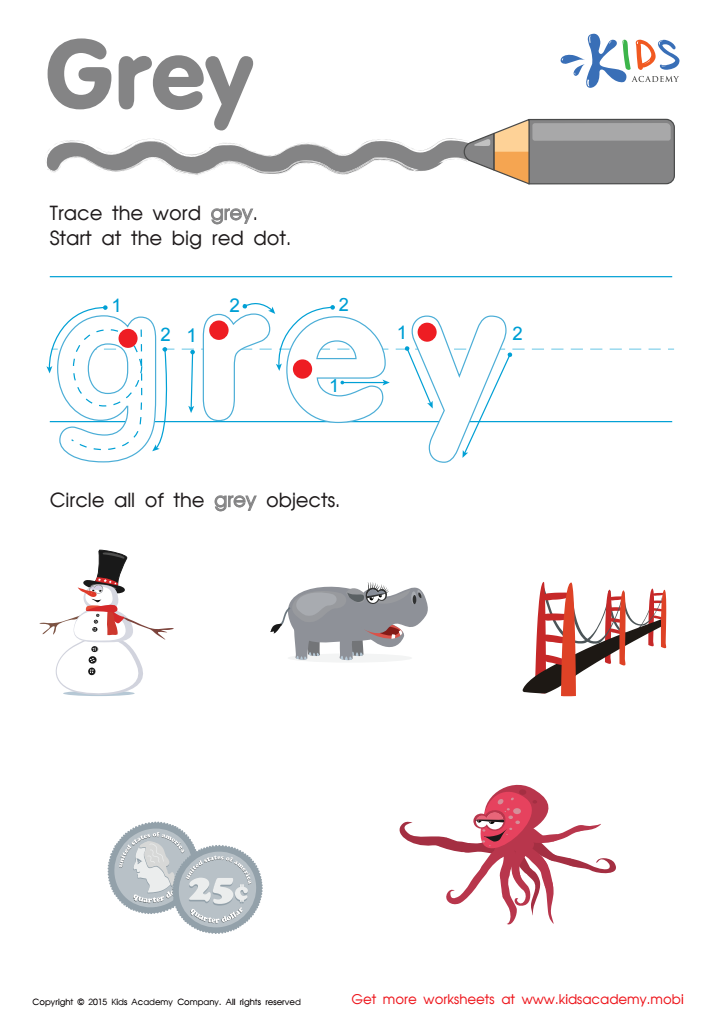
Grey Tracing Color Words Worksheet
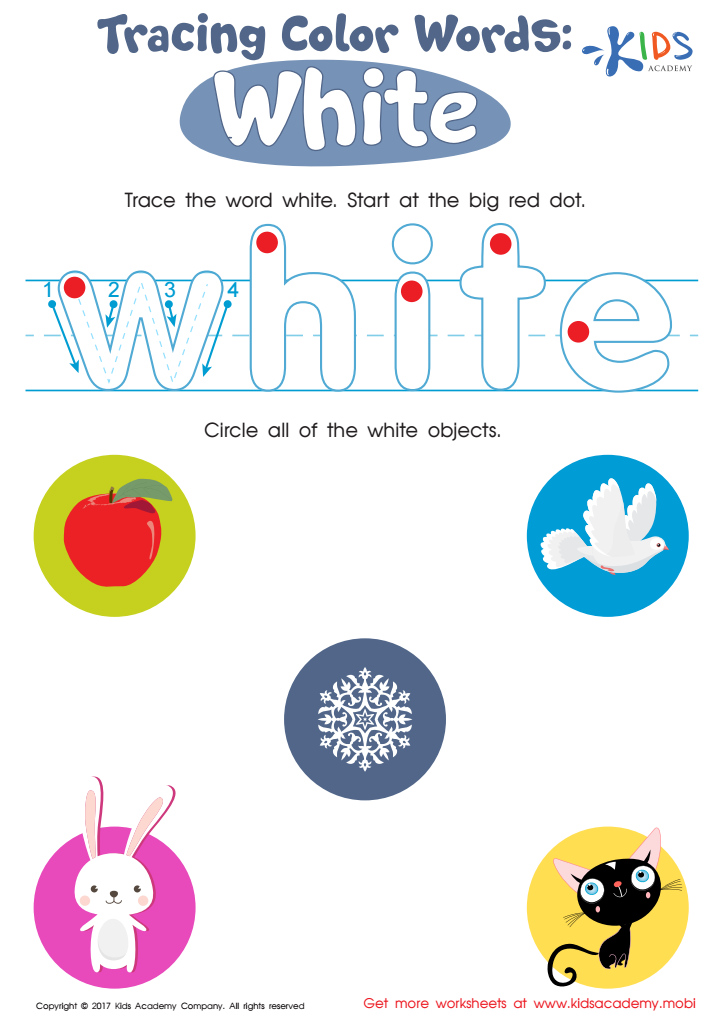
White Tracing Color Words Worksheet
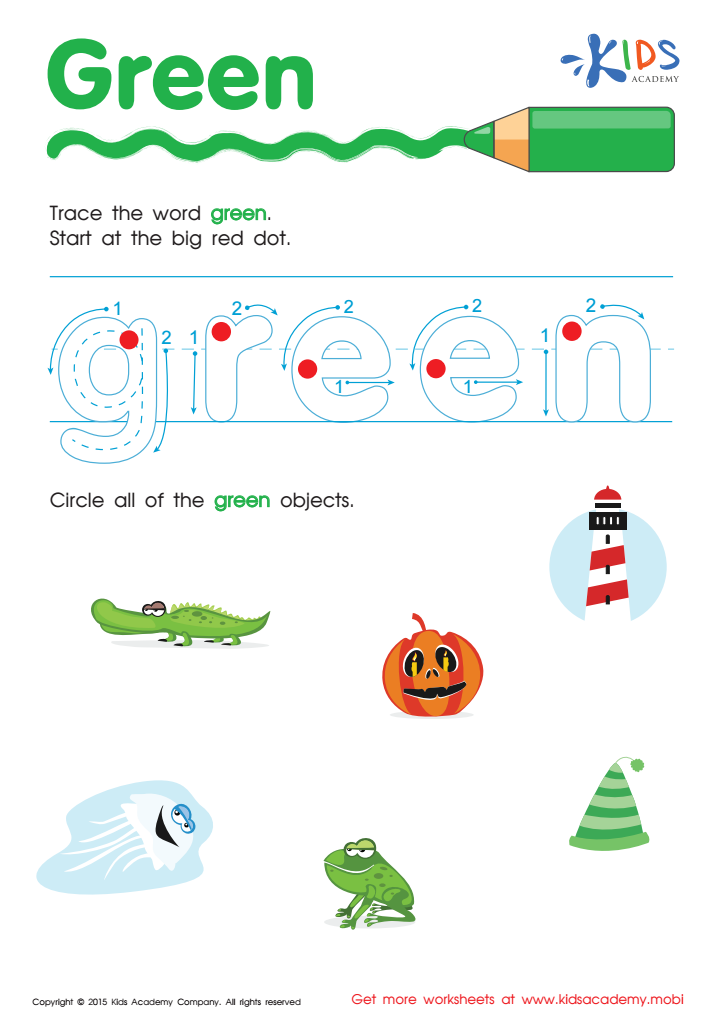
Green Tracing Color Words Worksheet
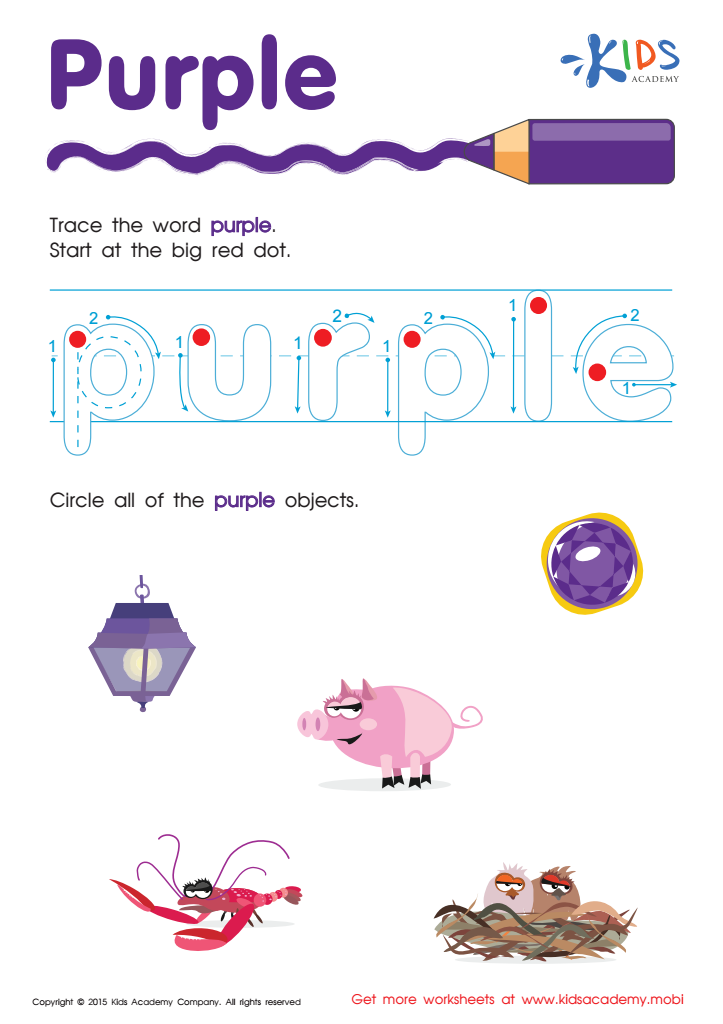
Purple Tracing Color Words Worksheet
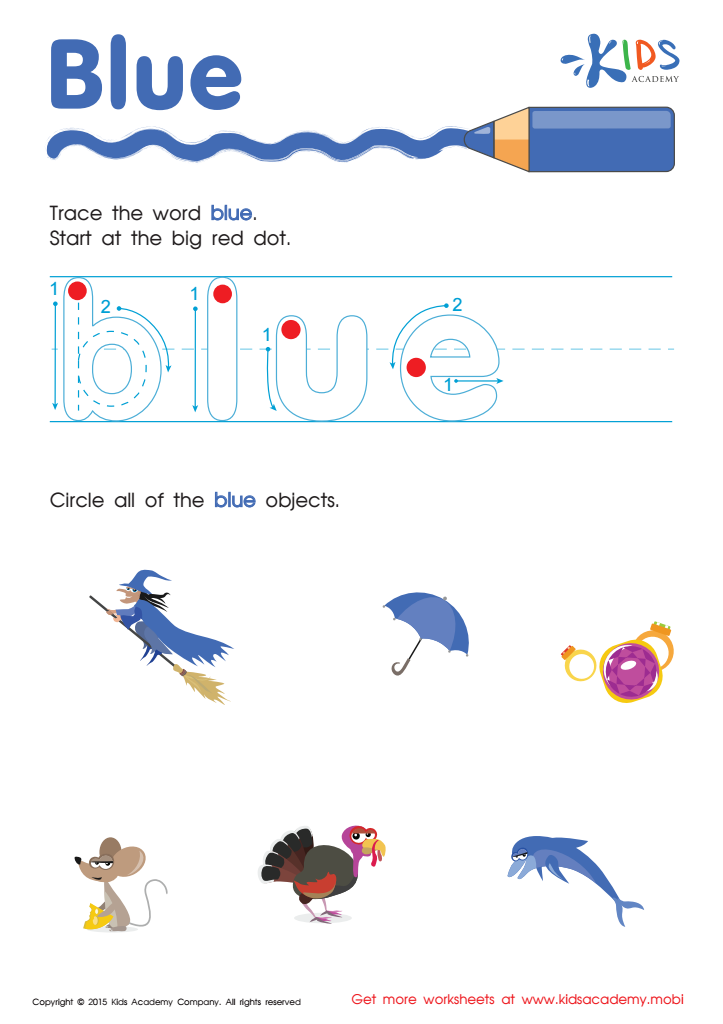
Blue Tracing Color Words Printable
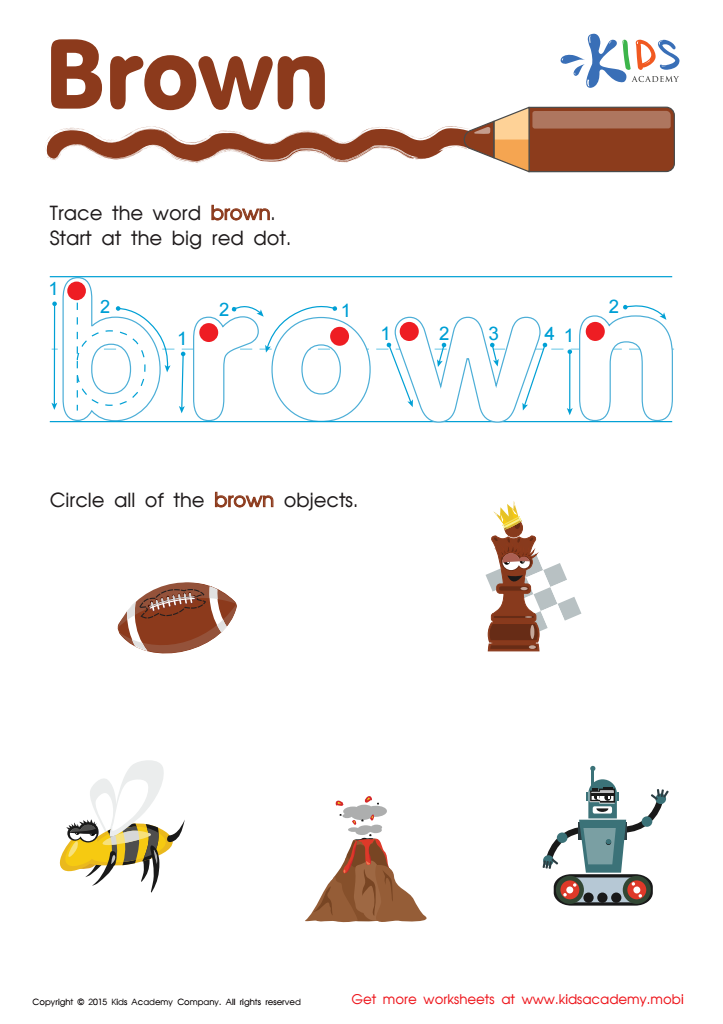
Brown Tracing Color Words Worksheet
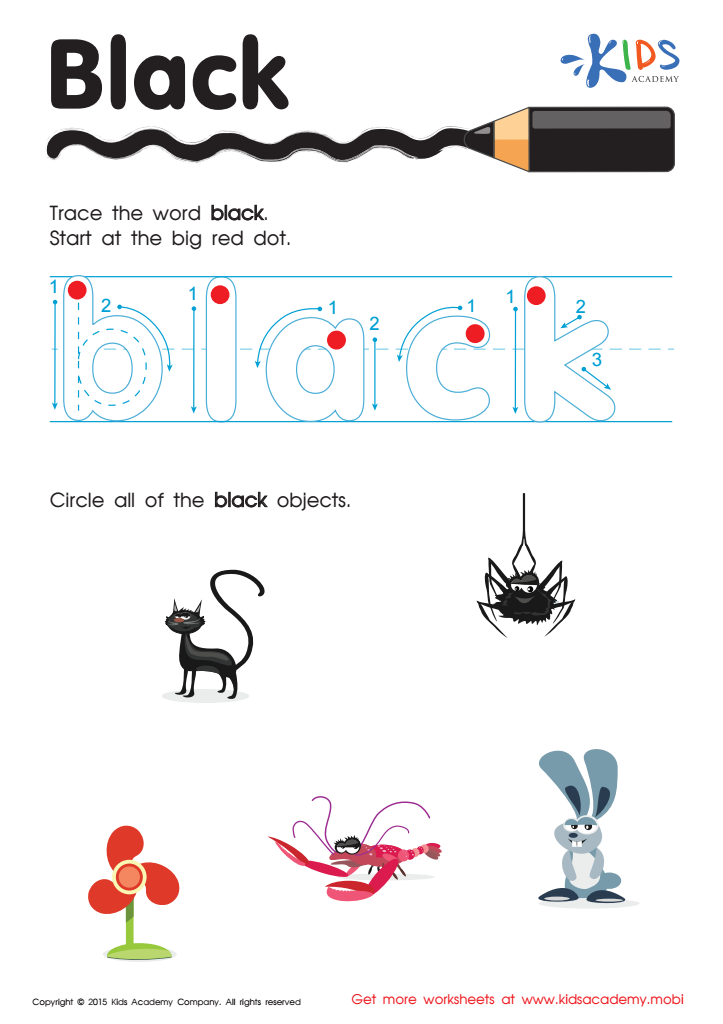
Black Tracing Color Words Printable







Color recognition plays a significant role in a 7-year-old's development, serving as a foundational skill that influences various aspects of learning and growth. For parents and teachers, emphasizing color recognition is crucial for several reasons.
Firstly, understanding and identifying different colors enhances a child's cognitive development. It aids in categorizing and organizing information, which is essential for problem-solving and logical thinking. By sorting objects based on colors, children learn to make more detailed observations and connections.
Secondly, color recognition closely ties in with language development. As children learn to name and describe different colors, they expand their vocabulary and improve their communication skills. This ability to articulate observations is integral to effective storytelling and academic success.
Additionally, being adept at recognizing colors significantly aids in artistic and creative expression. It encourages children to engage in activities like drawing, painting, and crafting, which enhance fine motor skills and spatial awareness.
Socially, the ability to identify colors correctly can boost a child’s confidence, especially during interactions with peers. Accurately naming and using colors in conversations can lead to more meaningful and inclusive play experiences.
In summary, color recognition facilitates critical areas of a child's development, including cognitive skills, language abilities, creativity, and social confidence, making it an important focus for both parents and teachers.