Phonics Skills Normal Phonics Worksheets for Ages 8-9
17 filtered results
-
From - To
Welcome to our Phonics Skills Normal Phonics Worksheets for Ages 8-9! Designed to enhance reading and spelling proficiency, these worksheets provide engaging activities tailored to improve phonics knowledge. Children will explore letter sounds, word patterns, and decoding skills through fun exercises that make learning enjoyable. Our worksheets help reinforce essential concepts, promoting increased confidence and fluency in reading. Perfect for reinforcing classroom learning or as at-home practice, these resources are ideal for young learners eager to expand their phonics skills. Combine education with creativity and watch your child thrive as they master phonics in an interactive and supportive way!
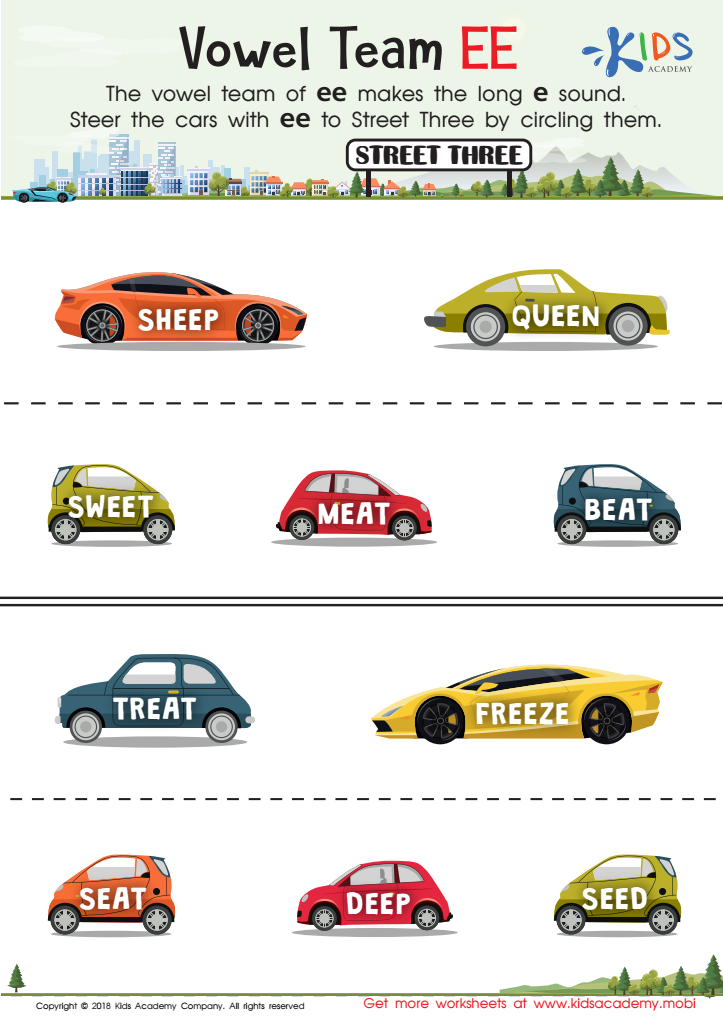
Vowel team ee Worksheet
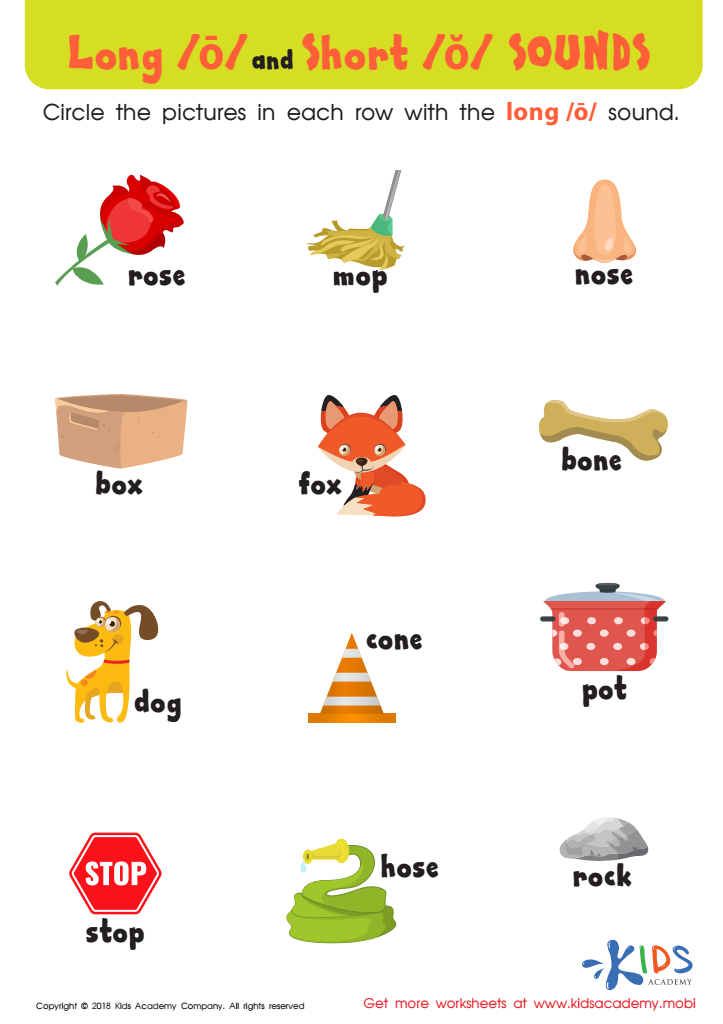
Reading: Long O and Short O Sounds Worksheet
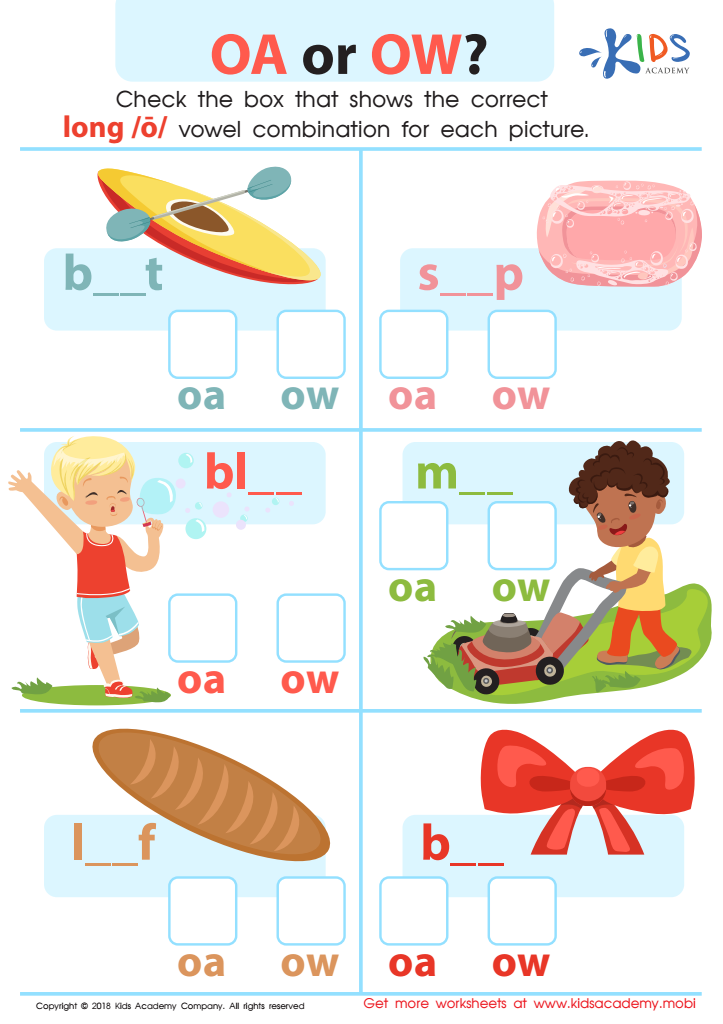
Reading: OA or OW Worksheet
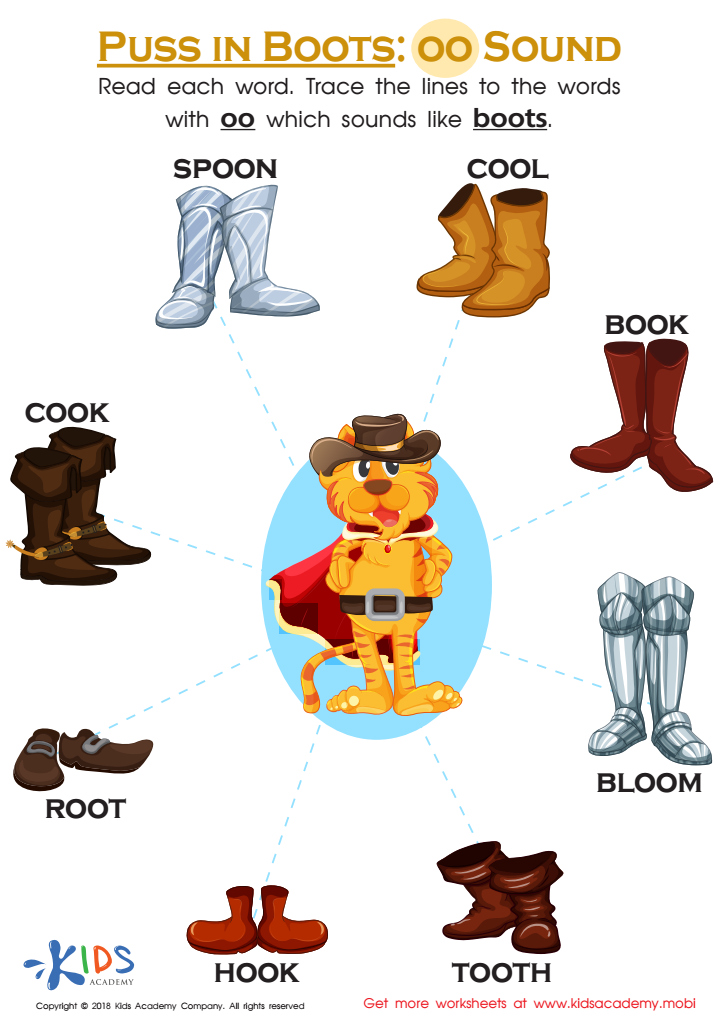
Puss in Boots: OO Sound Worksheet
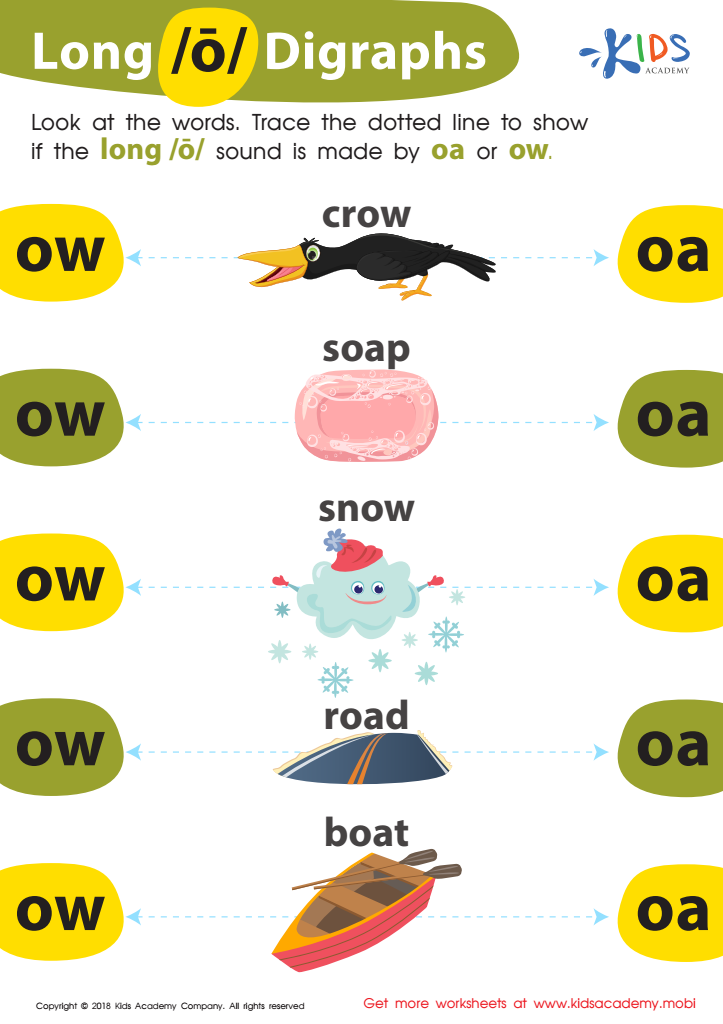
Reading: Long O Digraphs Worksheet
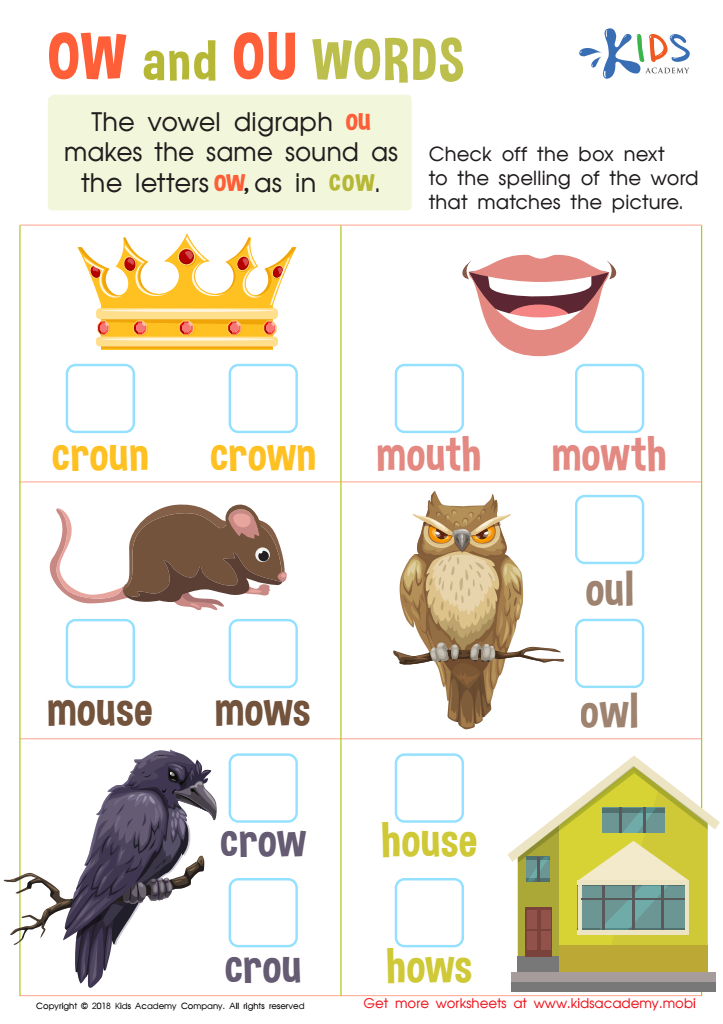
Reading: OW and OU Words Worksheet
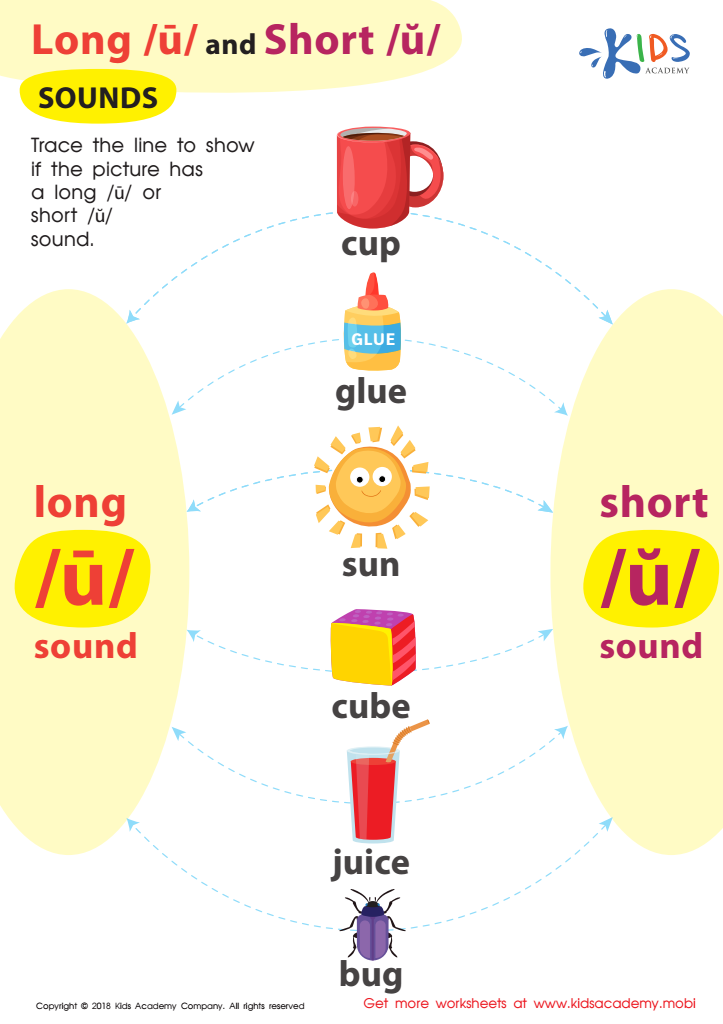
Reading: Long U and Short U Sounds Worksheet
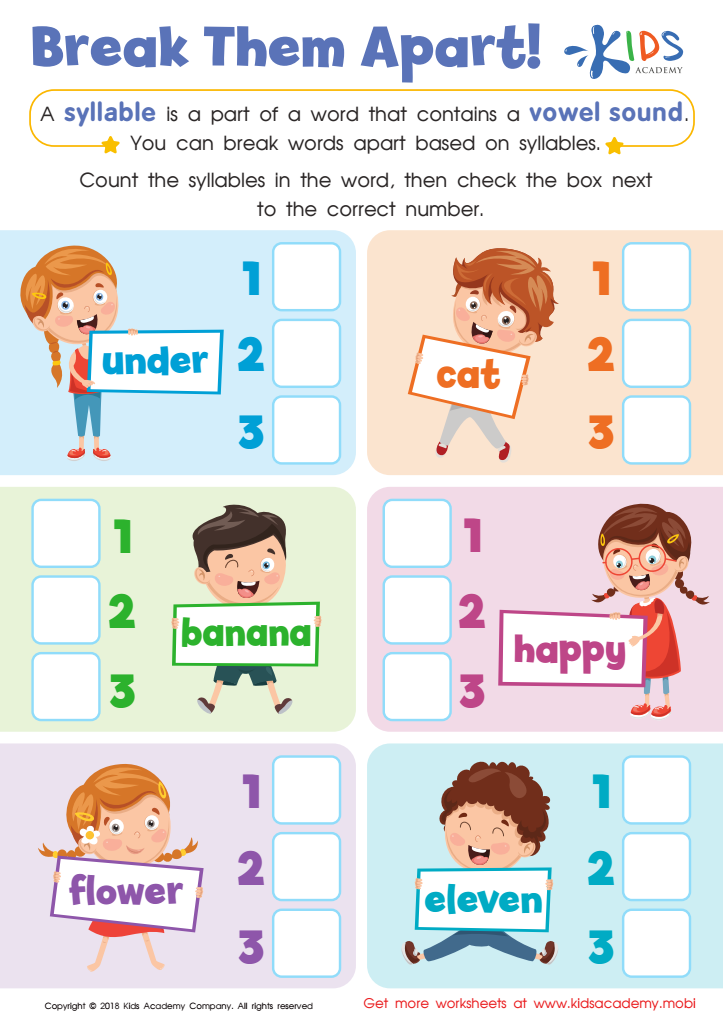
Reading: Break Them Apart Worksheet
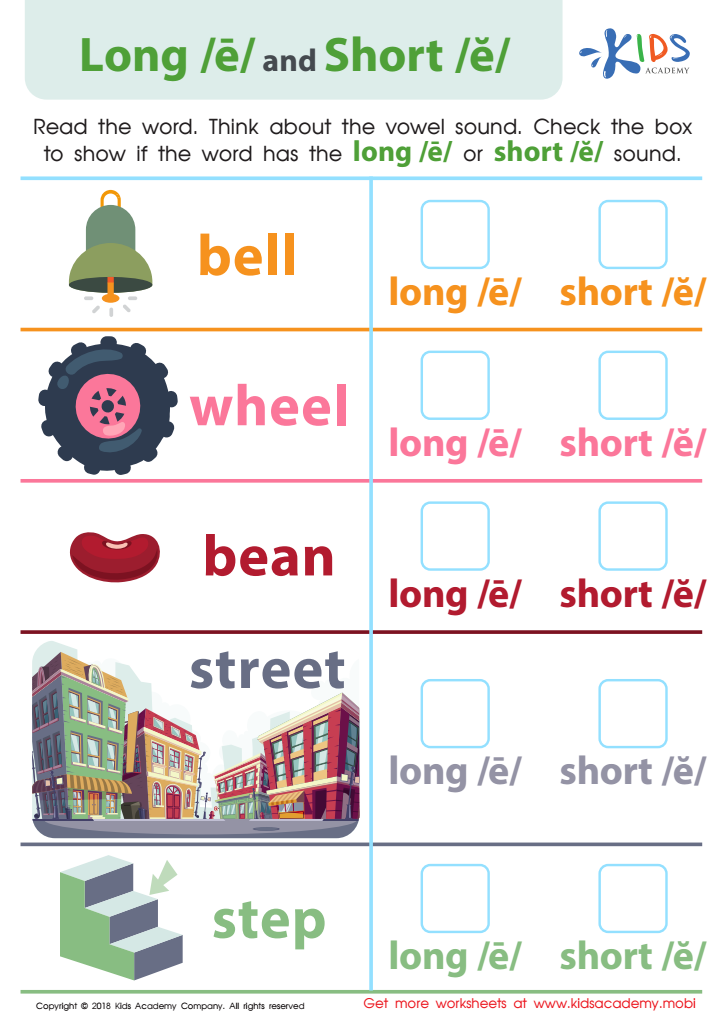
Reading: Long E and Short E Worksheet
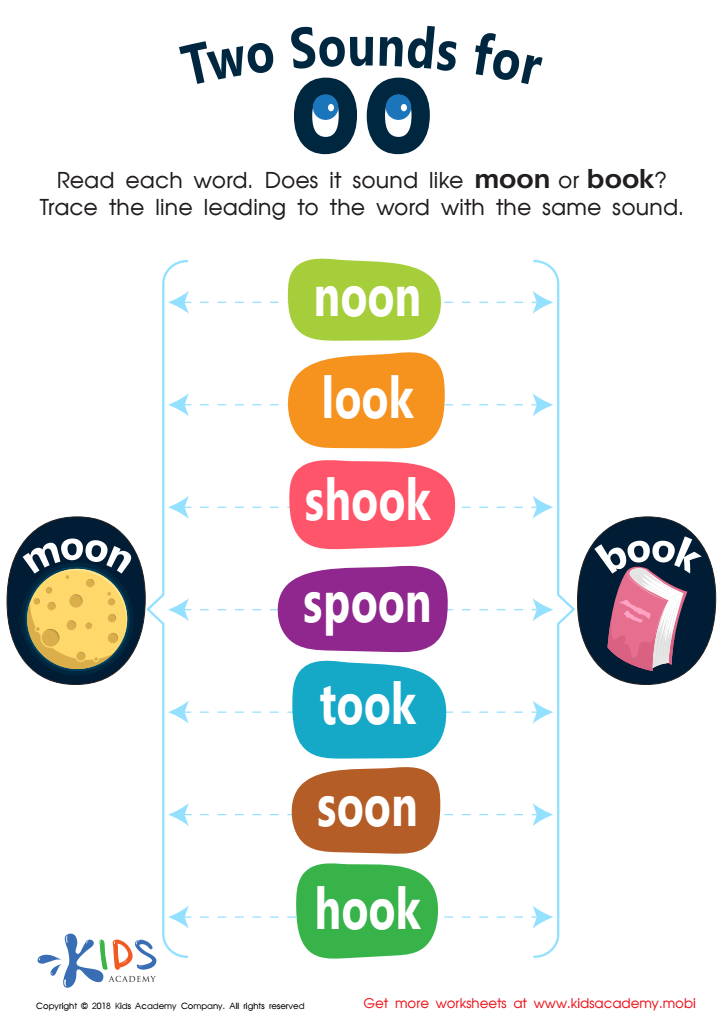
Two Sounds for OO Worksheet
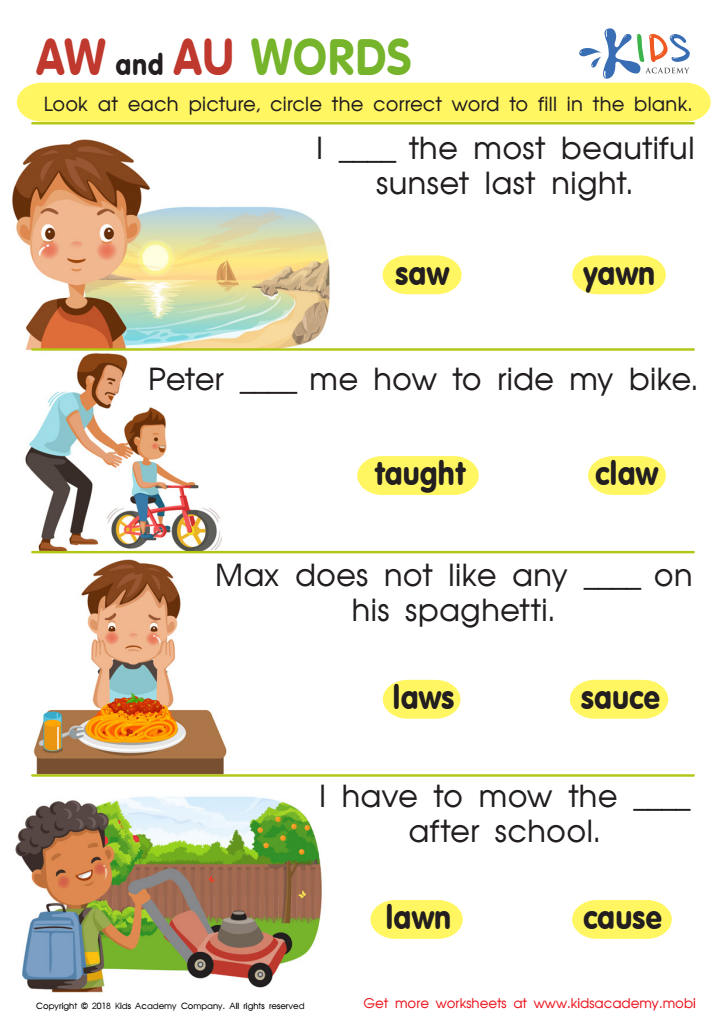
Reading: AW and AU Words Worksheet
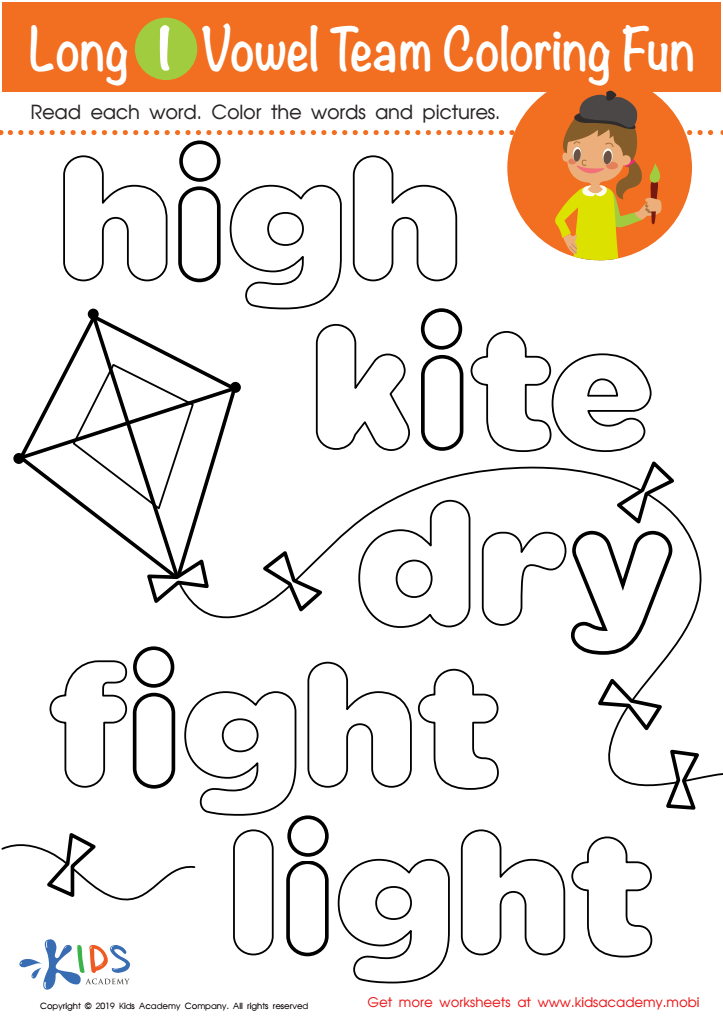
Long I Vowel Team Coloring Worksheet
 Assign to My Students
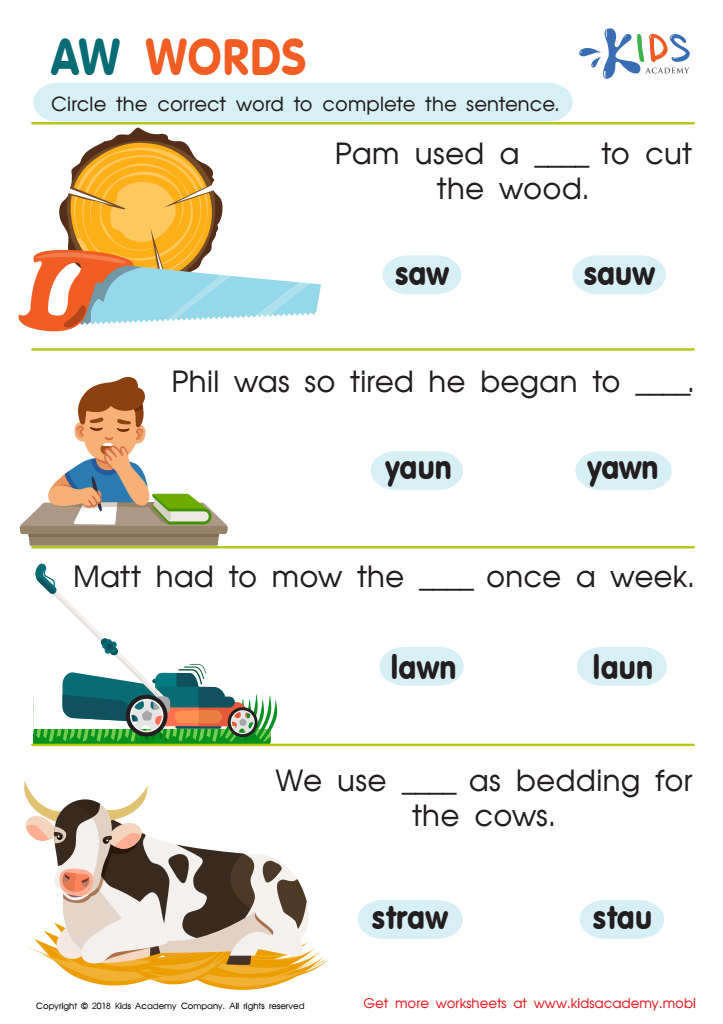
Reading: AW Words Worksheet
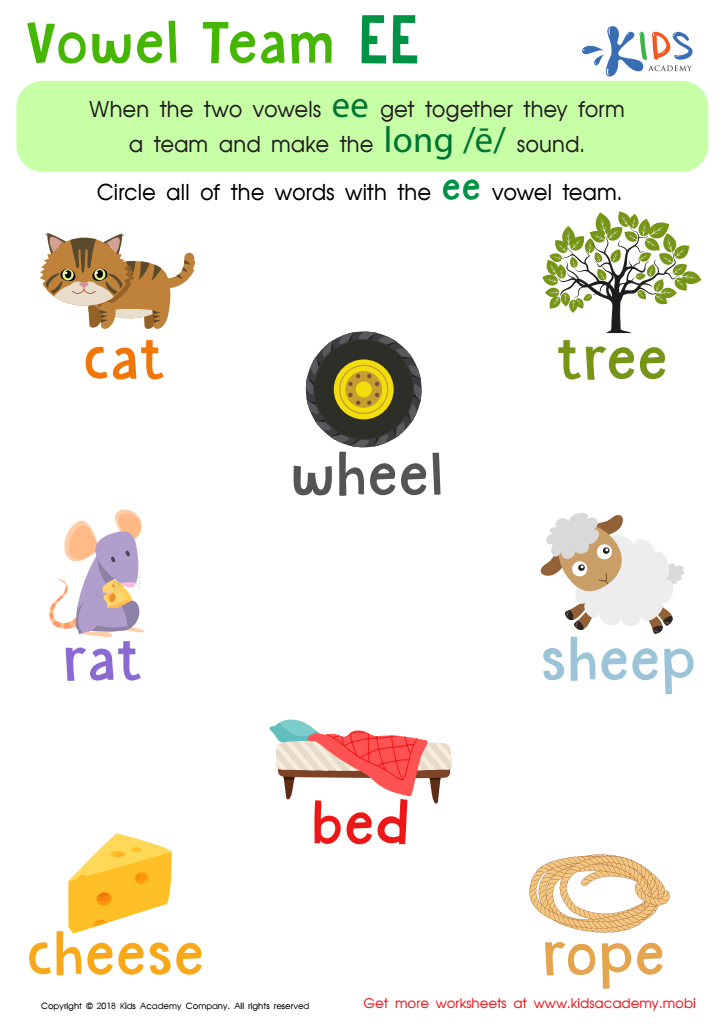
Reading: Vowel Team EE Worksheet
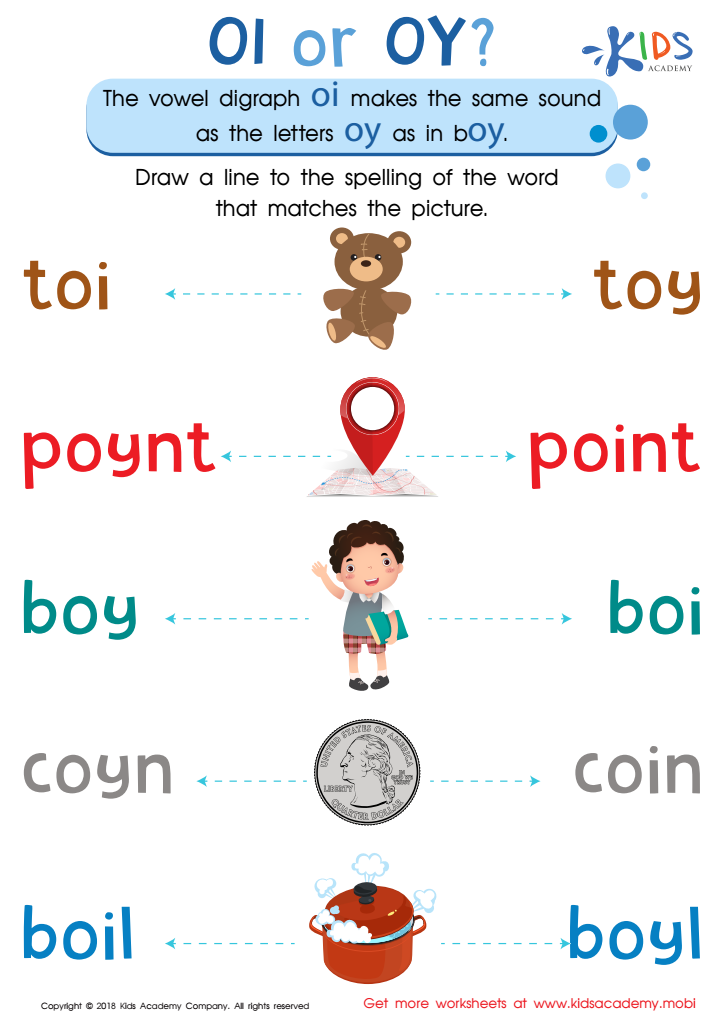
Reading: OI and OY Worksheet

Long and Short E Worksheet
Assign to My Students
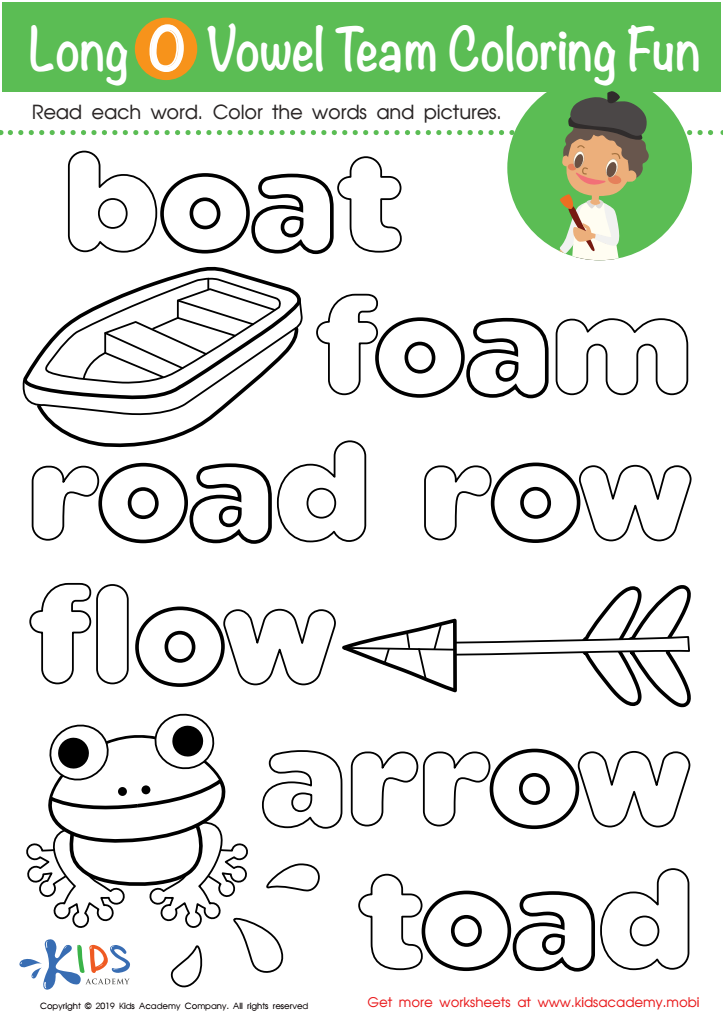
Long O Vowel Team Coloring Worksheet
Assign to My Students








Phonics skills are crucial for children aged 8-9, as this stage solidifies their reading and writing foundations. At this age, students transition from learning to read to reading to learn. Strong phonics skills enable them to decode unfamiliar words, which is essential for comprehension across all subjects. When children can quickly and accurately decode words, they are more likely to grasp complex concepts, making them more confident learners.
Additionally, effective phonics instruction helps in building vocabulary. As students encounter new texts, those with a solid grounding in phonics can break down words, increasing their understanding and retention of new vocabulary. This is not just beneficial for reading but extends to writing as well, allowing children to express themselves clearly and creatively.
From a developmental perspective, mastering phonics at this age can positively impact children's self-esteem and motivation to read. Students who struggle with phonics may become reluctant readers, potentially falling behind in other academic areas. Therefore, parents and teachers play a vital role in fostering phonics skills through encouragement and tailored instruction, ensuring that children are equipped for academic success and engendering a lifelong love of reading. Investing in phonics education today can reap benefits in children's learning trajectories tomorrow.







