Color Identification Normal Worksheets for Ages 8-9
8 filtered results
-
From - To
Welcome to our engaging collection of Color Identification Normal Worksheets for kids aged 8-9! Designed to enhance color recognition and vocabulary, these worksheets provide fun and interactive activities that keep learning energetic and enjoyable. Our carefully crafted exercises encourage children to explore the world of colors while improving their observational skills and memory retention. Each worksheet is aimed at promoting creativity and independent thinking through colorful illustrations and stimulating questions. Whether in the classroom or at home, these worksheets are perfect for reinforcing learning and fostering a love for color in young minds. Dive into a vibrant learning experience today!
AW Words Team Coloring Fun Worksheet
 Assign to My Students
Easter Arrays Worksheet
Red Tracing Color Words Printable
Sea Horses Printable
Assign to My Students
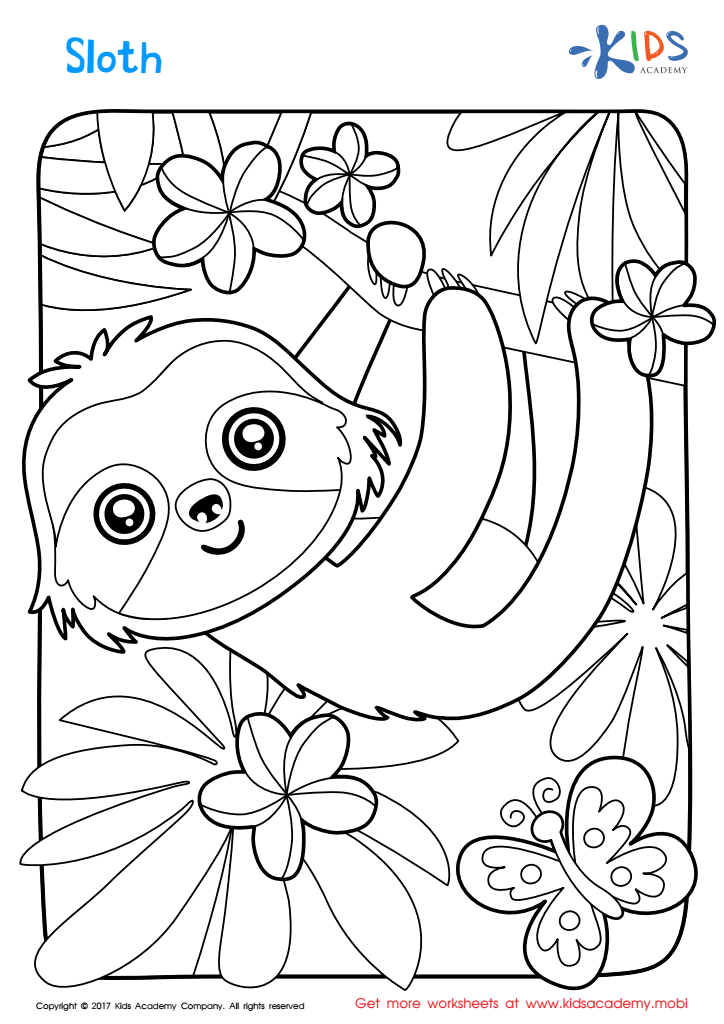
Sloth Worksheet
Assign to My Students
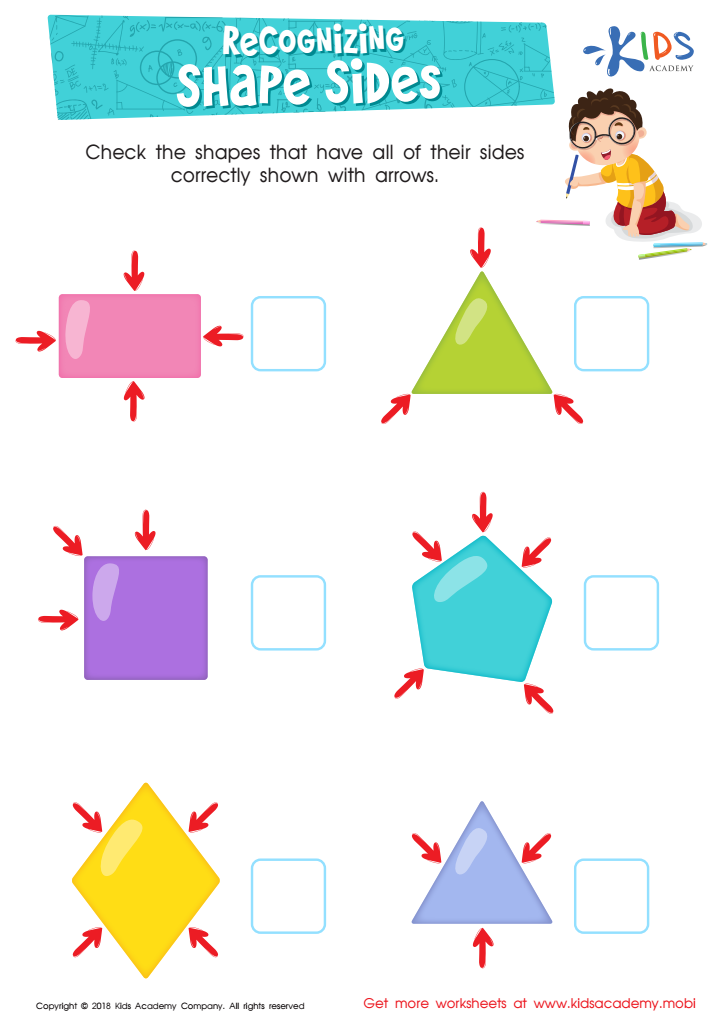
Recognizing Shape Sides Worksheet
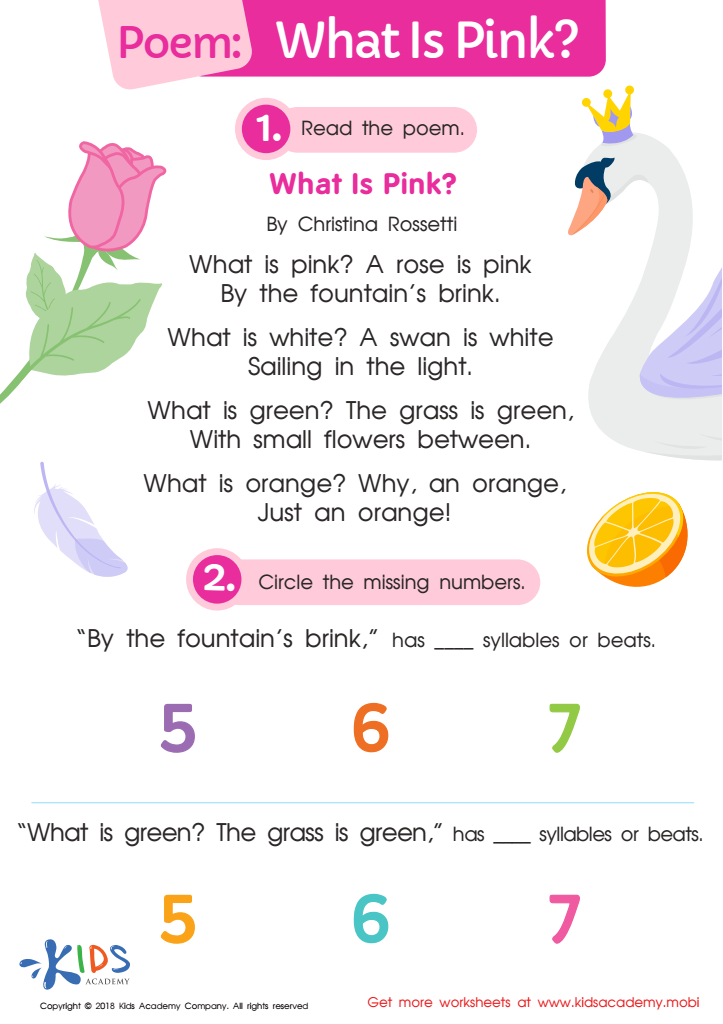
Poem: What Is Pink? Worksheet
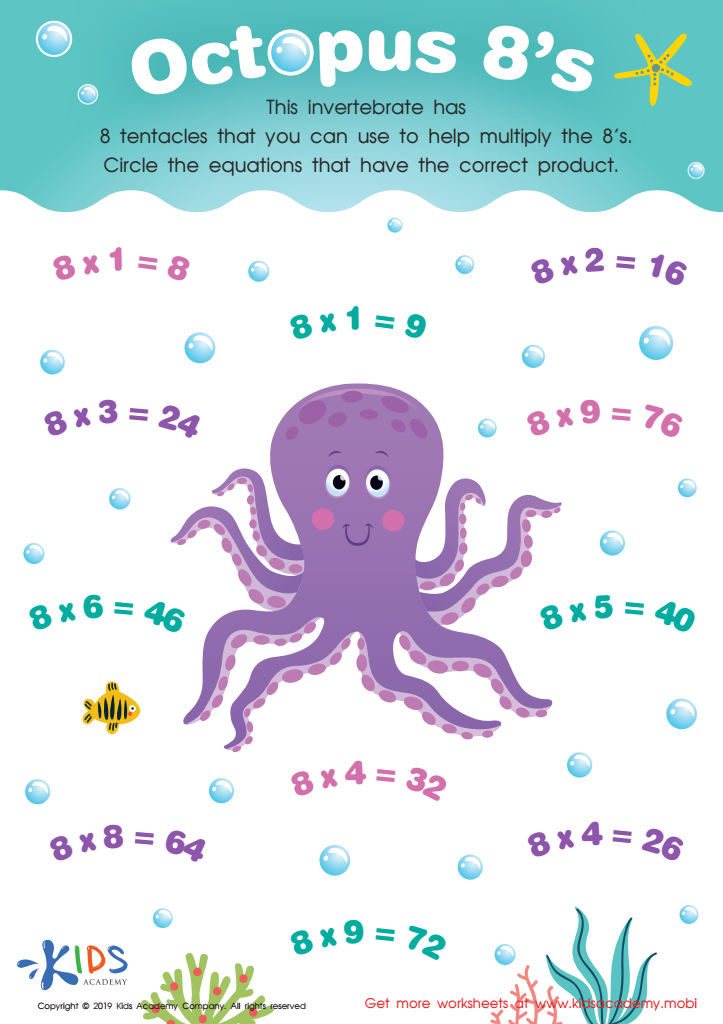
Octopus 8’s Worksheet








Understanding color identification is crucial for children aged 8-9 as it lays the foundation for various cognitive and developmental skills. At this age, children are refining their ability to categorize and differentiate between colors, which plays a vital role in their overall learning process. When parents and teachers emphasize color identification, they enhance children's visual perception and boost their artistic expression, fostering creativity through activities like drawing and painting.
Moreover, mastering color identification supports early math skills. Children begin associating colors with patterns and sorting activities, linking colors to visual elements in geometry, statistics, and data organization. Furthermore, color identification can promote language development; as children learn color names, they expand their vocabulary and practice descriptive language, vital for communication skills.
Additionally, understanding color-coded information in their environment, from educational resources to classroom organization, allows children to navigate complex systems effectively. Ultimately, parents and teachers invested in a child's ability to identify colors contribute to a well-rounded education, enhancing literacy, numeracy, and social skills. By nurturing this essential skill, they ensure children are better prepared for future learning experiences and daily interactions.








