Geographic knowledge Normal Worksheets for Ages 8-9
3 filtered results
-
From - To
Explore our engaging Geographic Knowledge Normal Worksheets designed specifically for children aged 8-9. These worksheets help young learners develop essential map reading skills, identify continents and countries, and understand fundamental geographic concepts. With fun illustrations and interactive activities, children will enhance their critical thinking and spatial awareness while fostering a love for geography. Our age-appropriate materials encourage creativity and exploration, ensuring your child gains a solid foundation in geographic knowledge. Perfect for classroom use or homework, these worksheets are a great resource for parents and educators alike. Download them now and watch your child's understanding of the world grow!
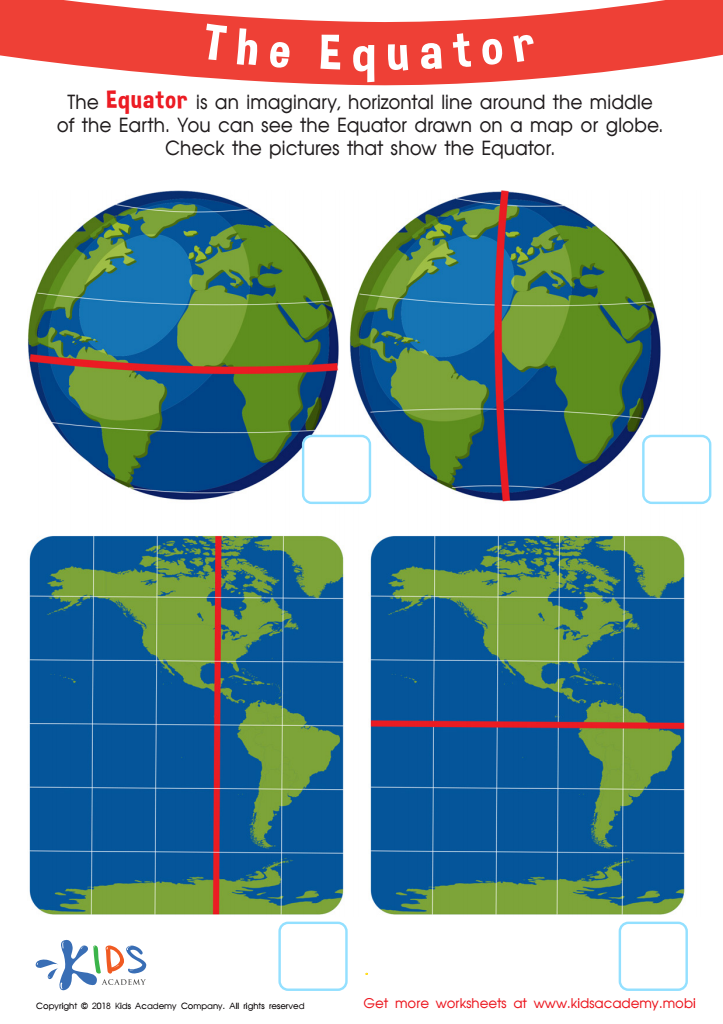
The Equator Worksheet
 Assign to My Students
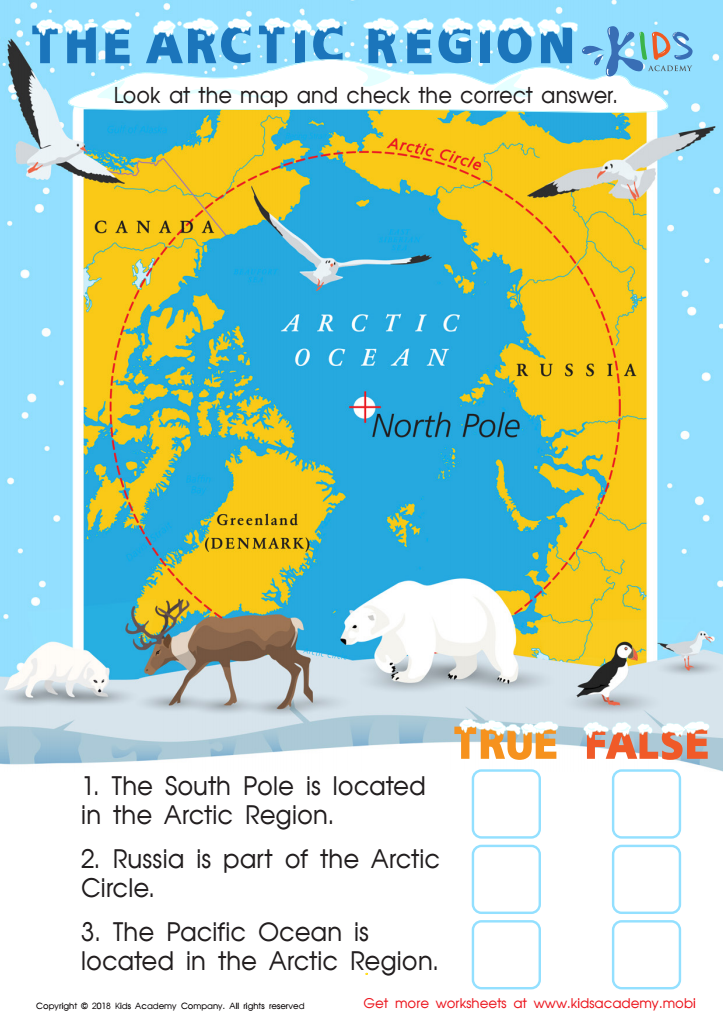
The Arctic Region Worksheet
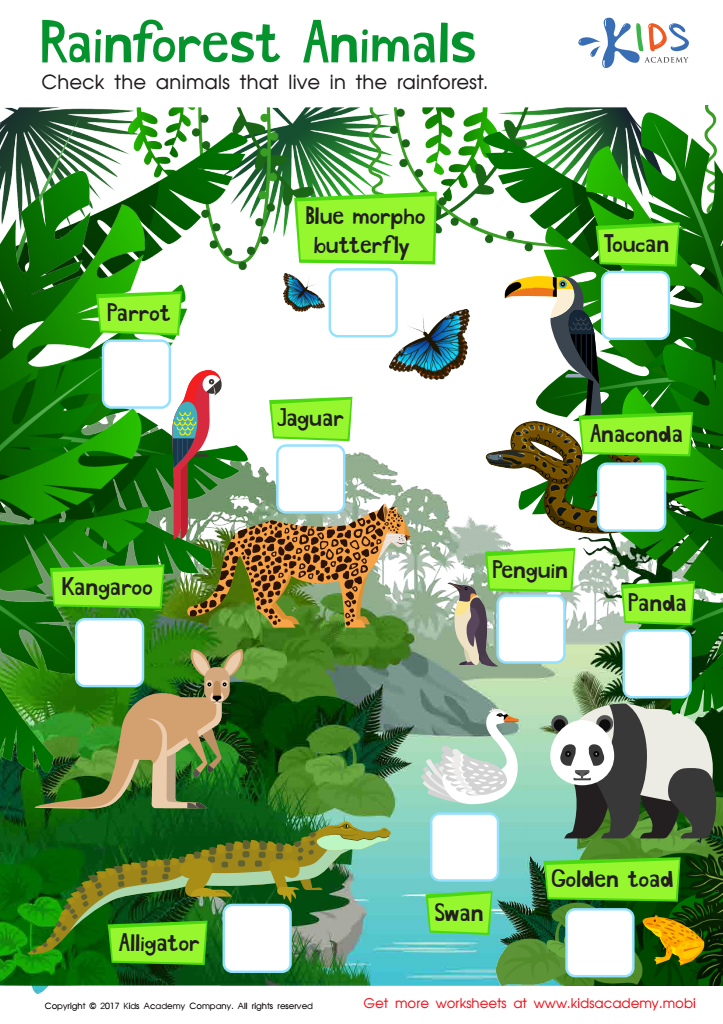
Rainforest Animals Worksheet





Geographic knowledge is crucial for children aged 8-9 as it shapes their understanding of the world and enhances their critical thinking and problem-solving skills. At this age, children begin to grasp basic concepts of location, maps, and differences between regions. Learning about geography nurtures their curiosity, allowing them to explore different cultures, climates, and environments, fostering empathy and appreciation for diversity.
Moreover, geographic knowledge supports academic performance across various subjects, including history, science, and social studies. It helps children contextualize their learning, enabling connections between past events and present-day communities, thus encouraging informed global citizenship. Understanding environmental issues, such as climate change and resource allocation, is increasingly important. Knowledge of geography equips children to engage with these challenges and consider sustainable practices.
For parents and teachers, promoting geographic knowledge also builds a foundation for lifelong learning. It empowers children to navigate their surroundings and make informed decisions about their interactions in the world. Encouraging exploration of maps, local geography, and global landmarks makes learning interactive and exciting, sparking a passion for discovery that benefits both academic and personal growth. In essence, instilling geographic awareness in children cultivates informed, compassionate citizens for the future.








