Logical thinking Normal Worksheets for Ages 8-9
7 filtered results
-
From - To
Explore our engaging Logical Thinking Worksheets designed specifically for children aged 8-9! These worksheets promote critical thinking skills through fun puzzles, pattern recognition, and problem-solving challenges. By practicing with these thoughtfully crafted activities, young learners will enhance their logical reasoning abilities and boost their cognitive development. Our user-friendly format makes it easy for parents and teachers to incorporate these worksheets into home or classroom settings. Perfect for supporting classroom learning or reinforcing concepts at home, these resources provide an enjoyable way for children to strengthen their logical thinking skills while having fun. Start your child's journey toward becoming a critical thinker today!
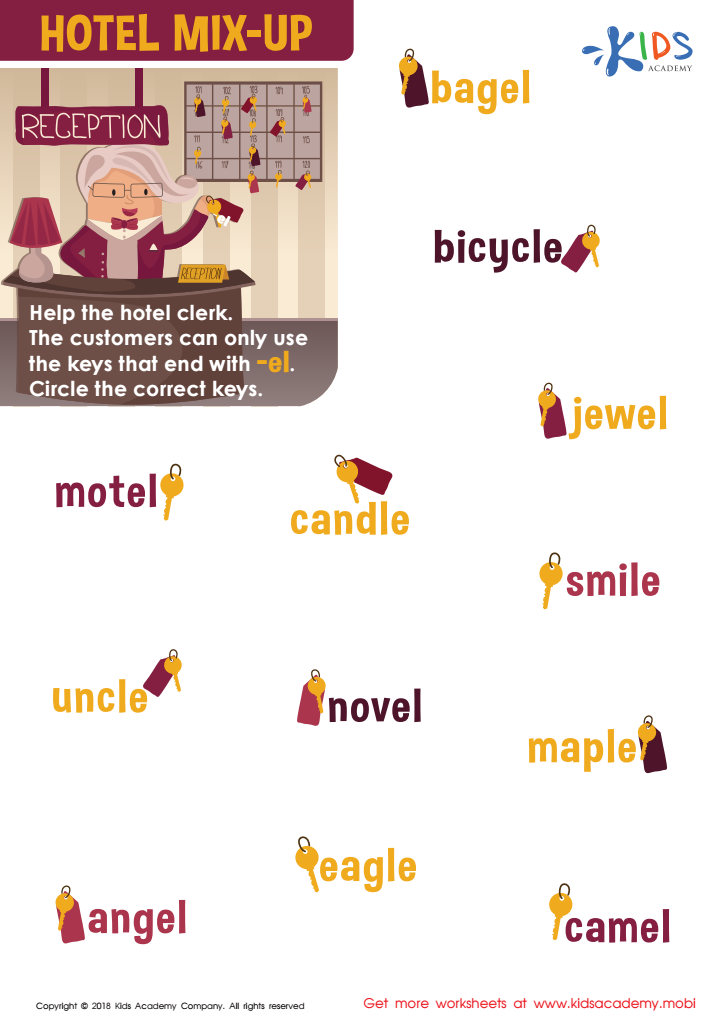
Hotel Mix-up Worksheet
 Assign to My Students
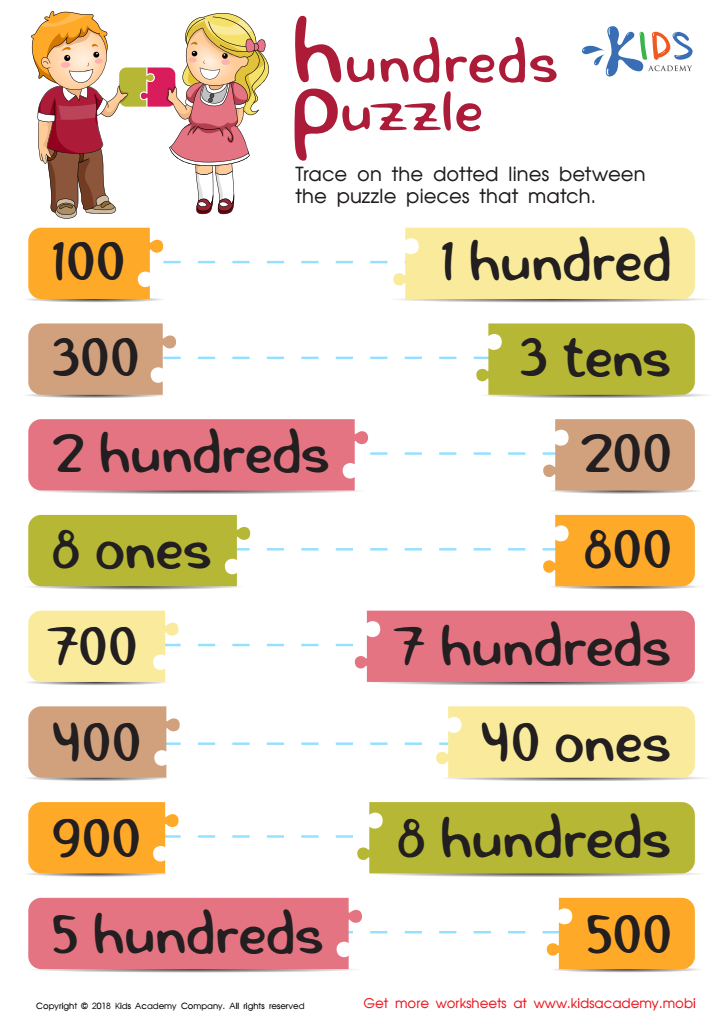
Hundreds Puzzle Worksheet

The Dog and His Bone Worksheet
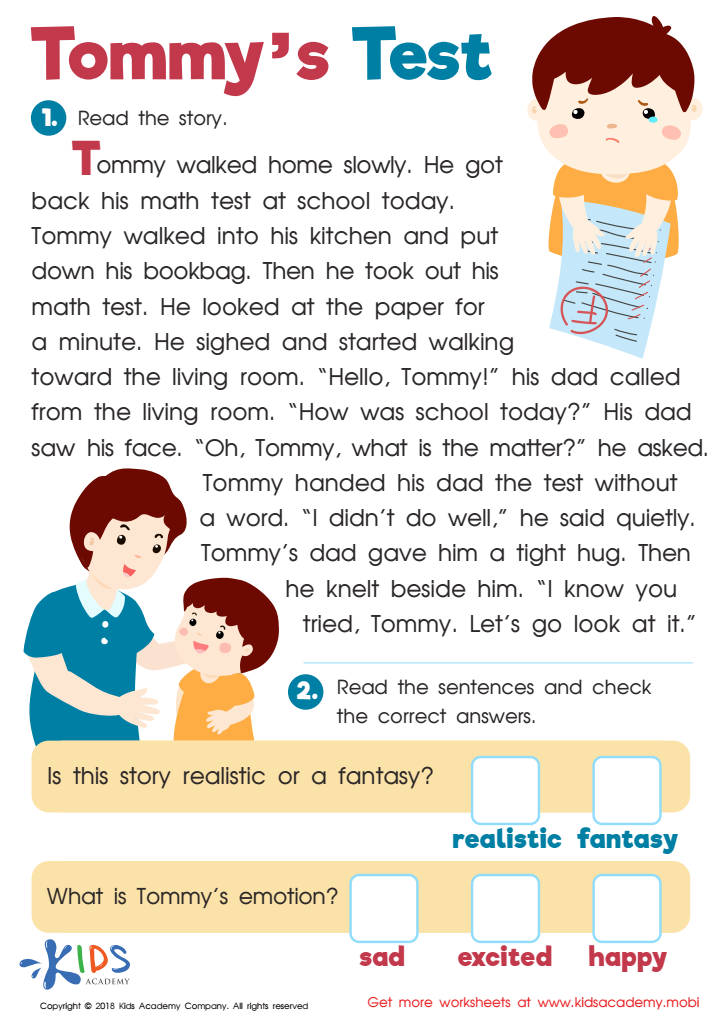
Tommys Test Worksheet
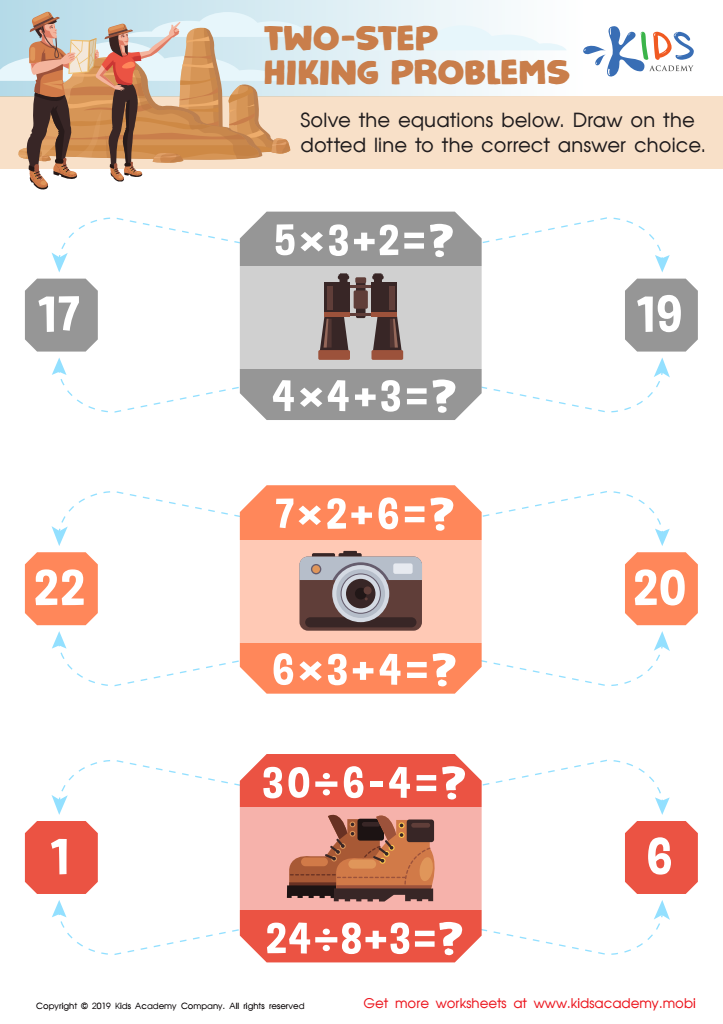
Two-Step Hiking Problems Worksheet
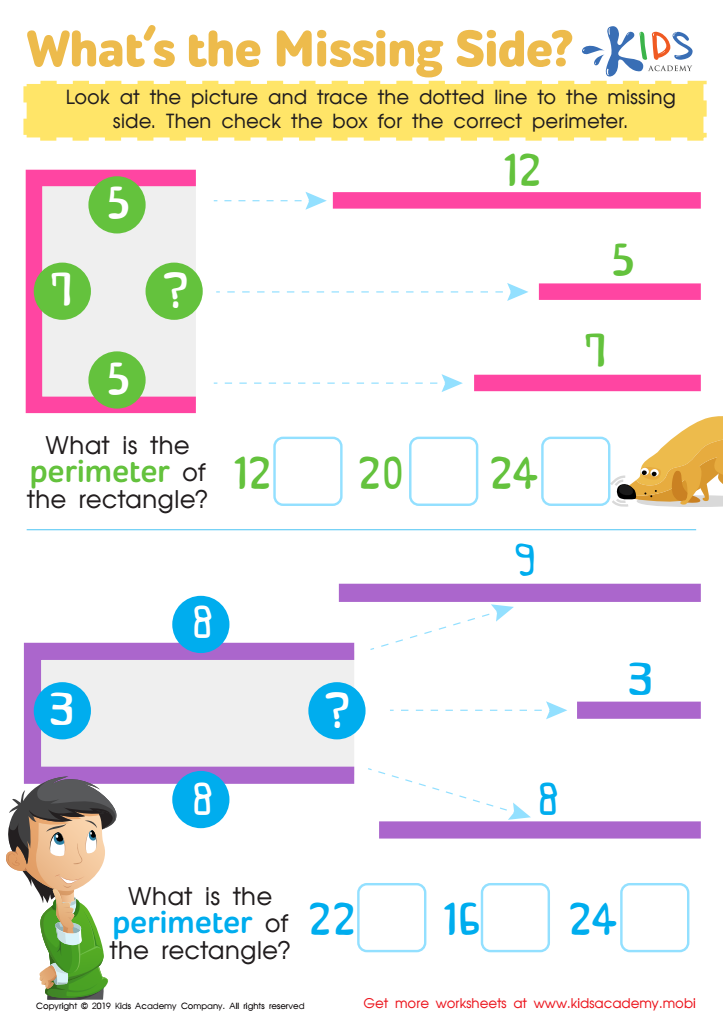
What's the Missing Side Worksheet
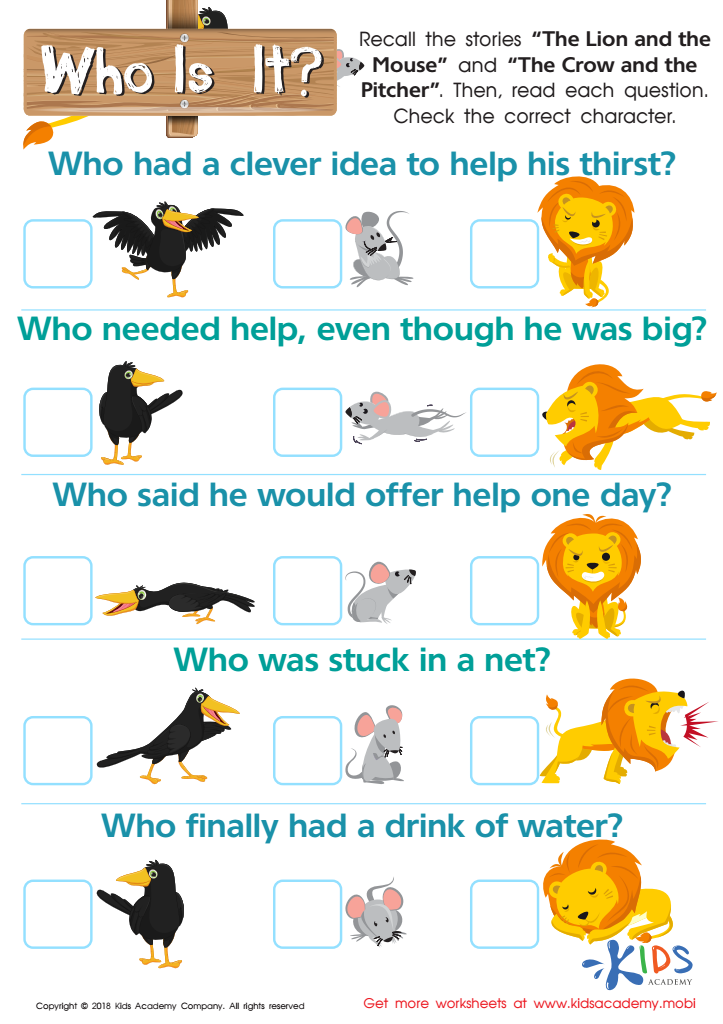
Who Is It? Worksheet







Parents and teachers play a crucial role in fostering the development of logical thinking in children aged 8-9, as this cognitive skill lays the foundation for problem-solving and critical reasoning abilities. During this stage, children are naturally curious and eager to understand how the world works. Enhancing their logical thinking skills helps them analyze information, make connections, and draw conclusions based on evidence rather than assumption.
Logical thinking aids in various subjects, particularly math and science, where reasoning and pattern recognition are vital. By promoting these skills early on, educators can empower children to tackle complex problems, enhancing their academic performance and boosting self-esteem. Furthermore, logical thinking fosters resilience; children learn to approach setbacks with a solution-oriented mindset rather than becoming frustrated.
Furthermore, parental and teacher involvement in this development stage instills a love for learning. By engaging in activities like puzzles, games, and discussions that encourage logical reasoning, adults can help children develop a joyful sense of inquiry. Ultimately, fostering logical thinking not only nurtures academic prowess but also equips children with essential life skills—becoming thoughtful, responsible contributors to society. This early support engenders a lifelong love of learning and mental agility catered for future challenges.








