Map reading skills Normal Worksheets for Ages 8-9
7 filtered results
-
From - To
Enhance your child's map reading skills with our engaging worksheets designed specifically for ages 8-9. These printable resources help young learners grasp essential concepts such as understanding symbols, interpreting legends, and navigating various terrains. Featuring fun activities and real-life scenarios, these worksheets foster a strong foundation in geography and critical thinking. Children will improve their ability to read maps while developing valuable orientation skills that will benefit them for years to come. Perfect for classroom use or at-home learning, our map reading worksheet collection makes education enjoyable and interactive. Equip your child with the skills they need for confident exploration!
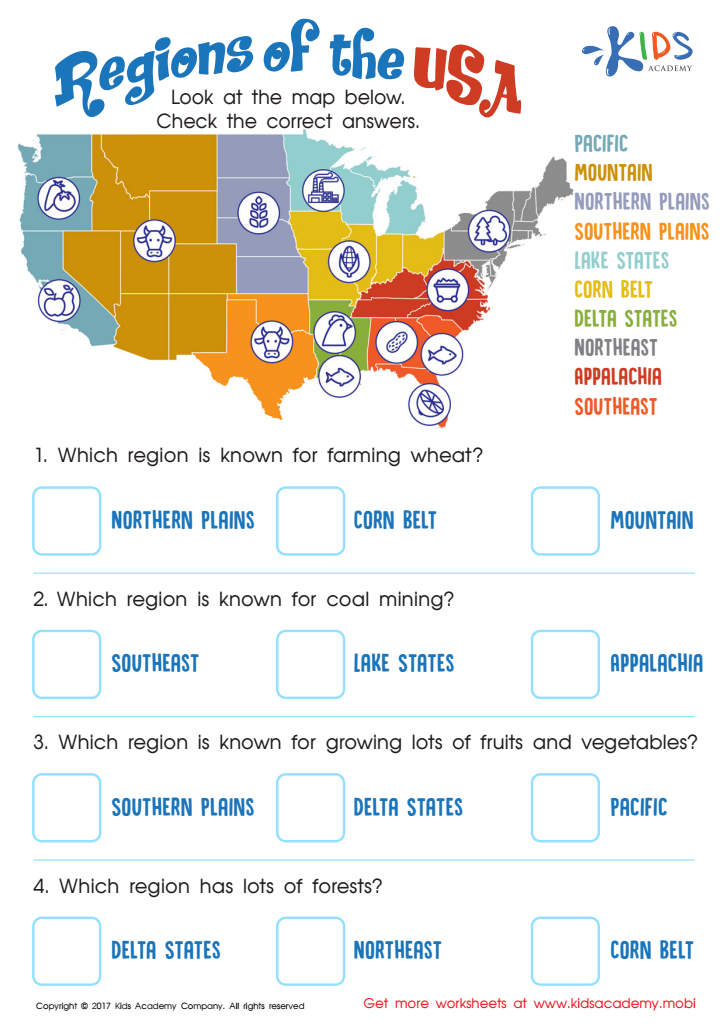
Regions of the USA Worksheet
 Assign to My Students
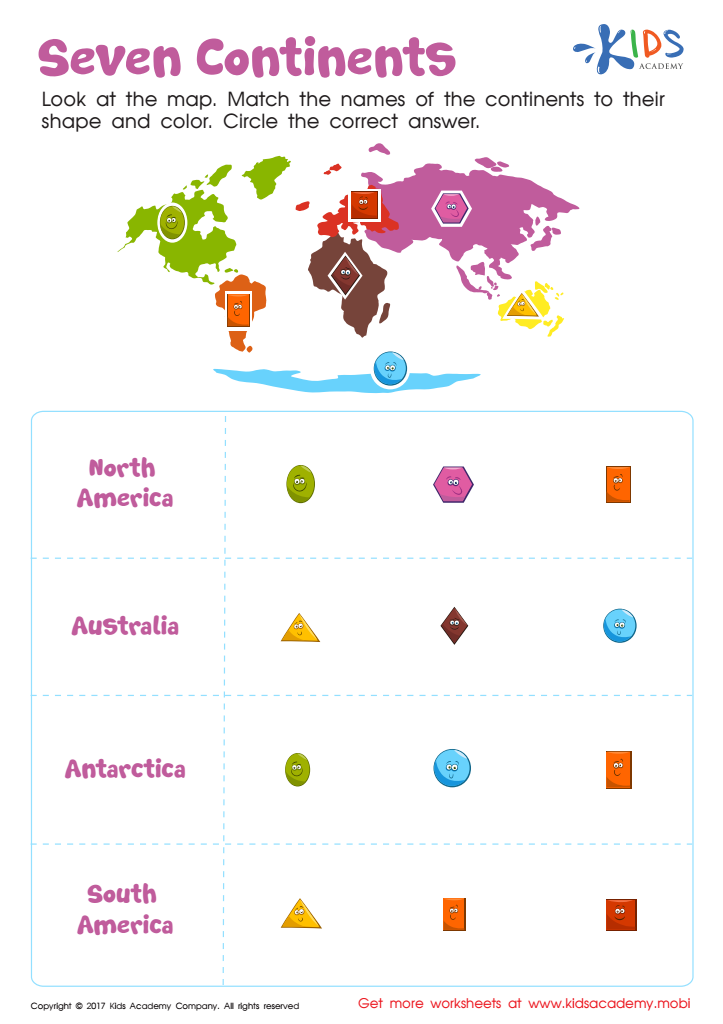
Seven Continents Worksheet
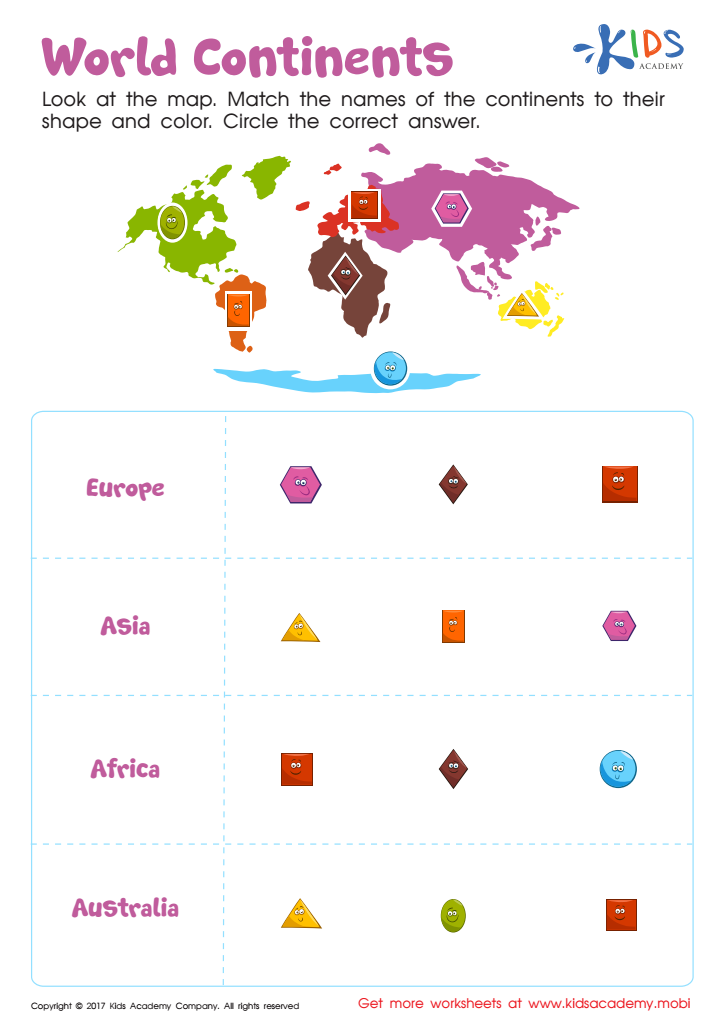
World Continents Worksheet
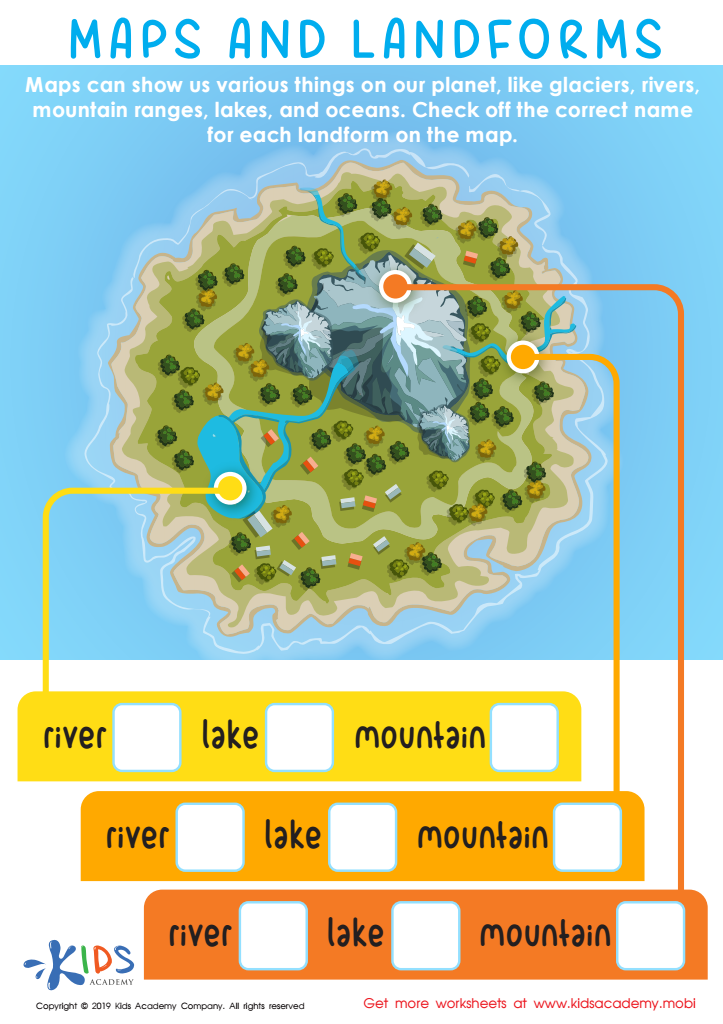
Maps and Landforms Worksheet
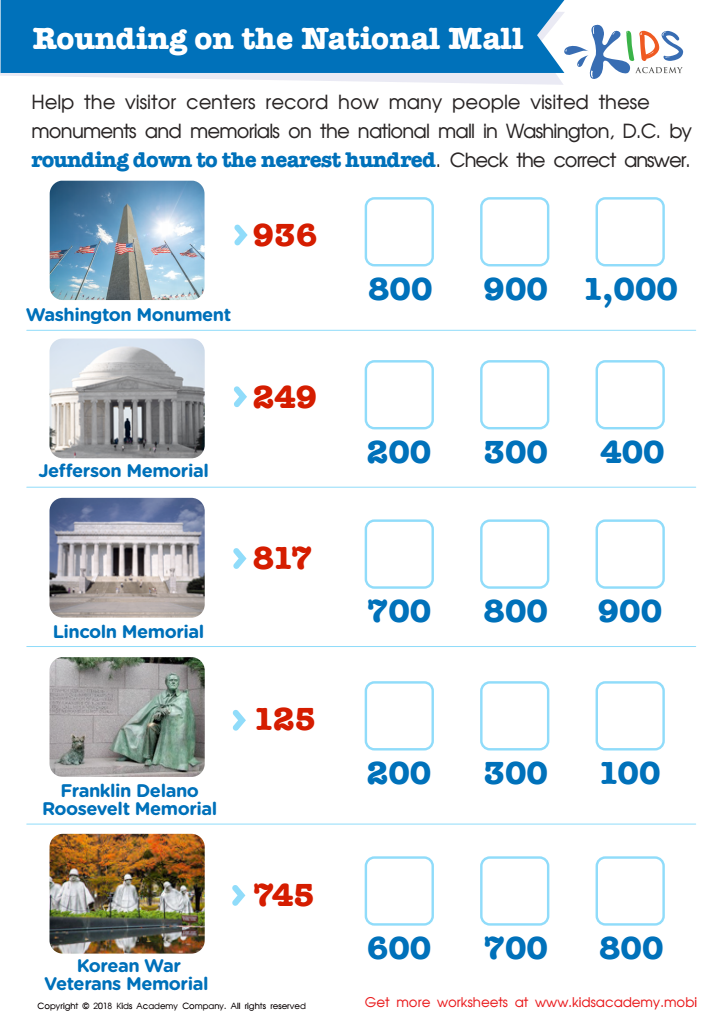
Rounding on the National Mall Worksheet
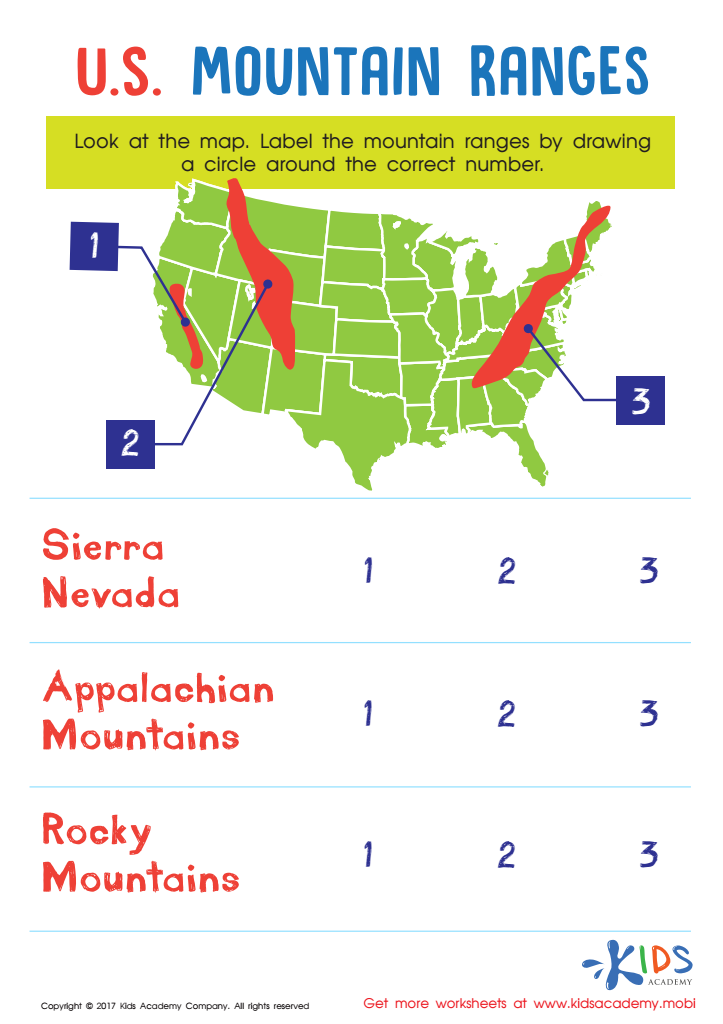
US Mountain Ranges Worksheet
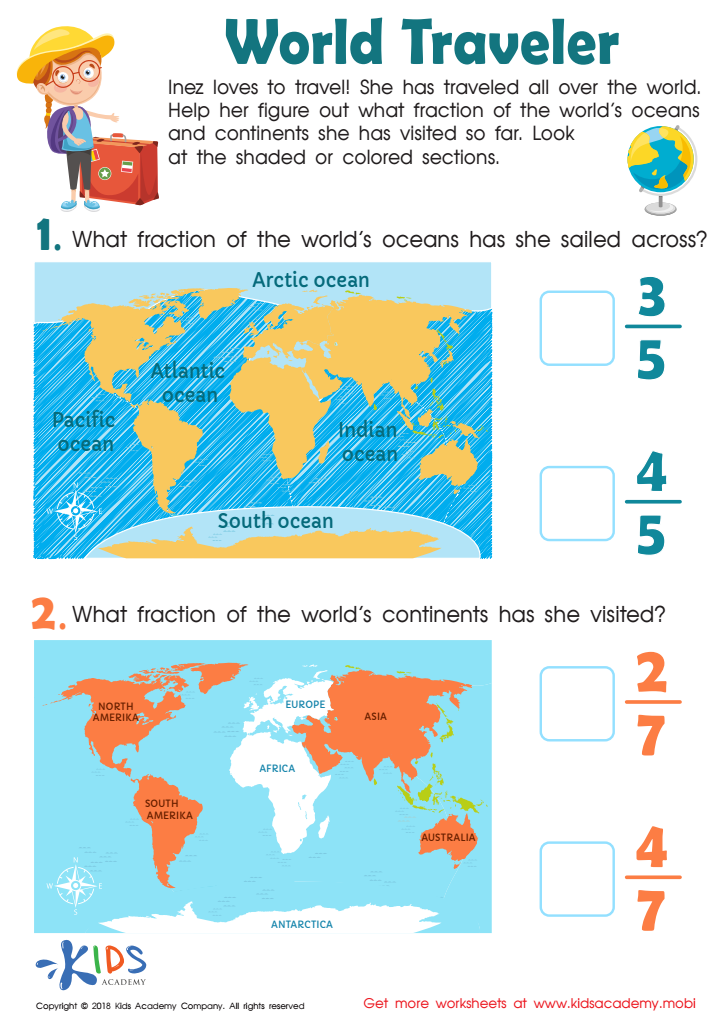
World Traveler Worksheet







Map reading skills are essential for children aged 8-9, as they lay the groundwork for critical thinking and spatial awareness. At this age, children are developing important cognitive abilities, and understanding maps enhances their problem-solving skills and decision-making.
Firstly, map reading encourages curiosity and exploration. As children engage with maps, they gain a better understanding of their environment, learning about geography, landmarks, and distances. This foundational knowledge helps foster their interest in the world around them.
Secondly, map reading promotes independence. Skills in navigating through maps empower children to explore new places with confidence, whether in school, during field trips, or with family outings. This autonomy is crucial for their development and self-esteem.
Additionally, in our technology-driven society, map skills contribute to digital literacy. Understanding traditional maps helps children grasp the workings of GPS and digital mapping services, crucial for modern navigation.
Lastly, these skills can enhance critical thinking. Interpreting symbols, scales, and routes encourages analytical thinking. Parents and teachers should prioritize map reading, as it cultivates essential life skills, promotes self-reliance, and enriches children's understanding of the world around them.








