Problem-solving abilities Normal Worksheets for Ages 8-9
6 filtered results
-
From - To
Unlock your child’s potential with our engaging "Problem-Solving Abilities Worksheets" for ages 8-9! Designed to enhance critical thinking and analytical skills, these worksheets provide a fun and interactive way to tackle real-world problems. Each activity encourages creativity and resilience while fostering important cognitive abilities. From puzzles to scenario-based questions, children will enjoy enhancing their problem-solving tactics in a playful manner. Whether at home or in the classroom, these normal worksheets are perfect for developing essential skills needed in everyday life. Let your child embark on a learning journey that cultivates confidence and sharpens their ability to think critically!
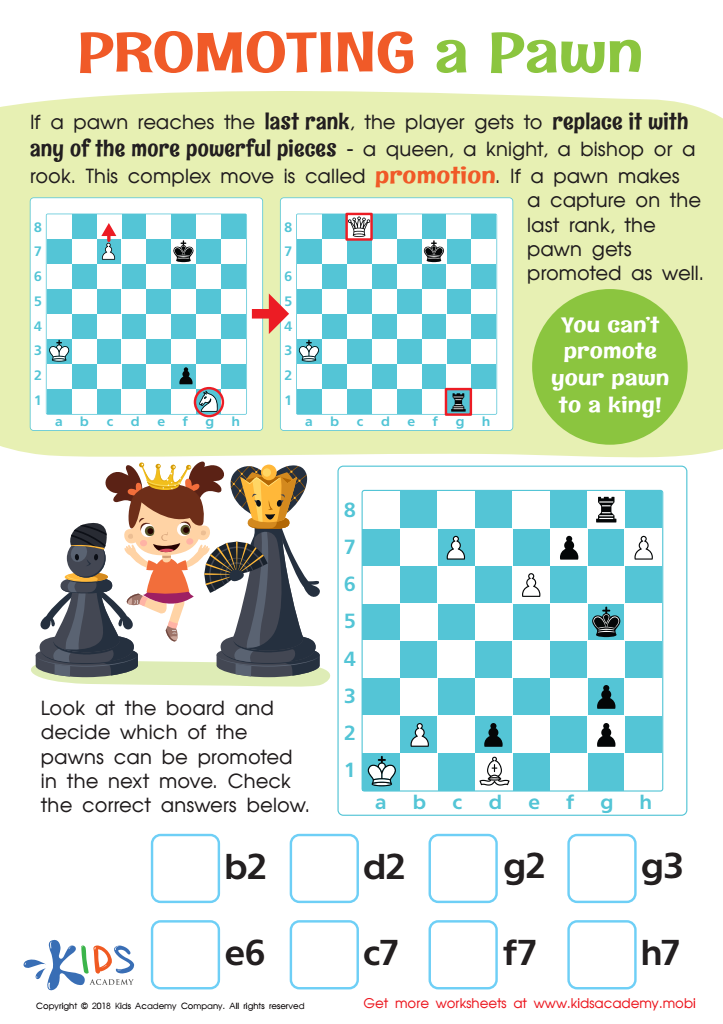
Promoting a Pawn Worksheet
 Assign to My Students
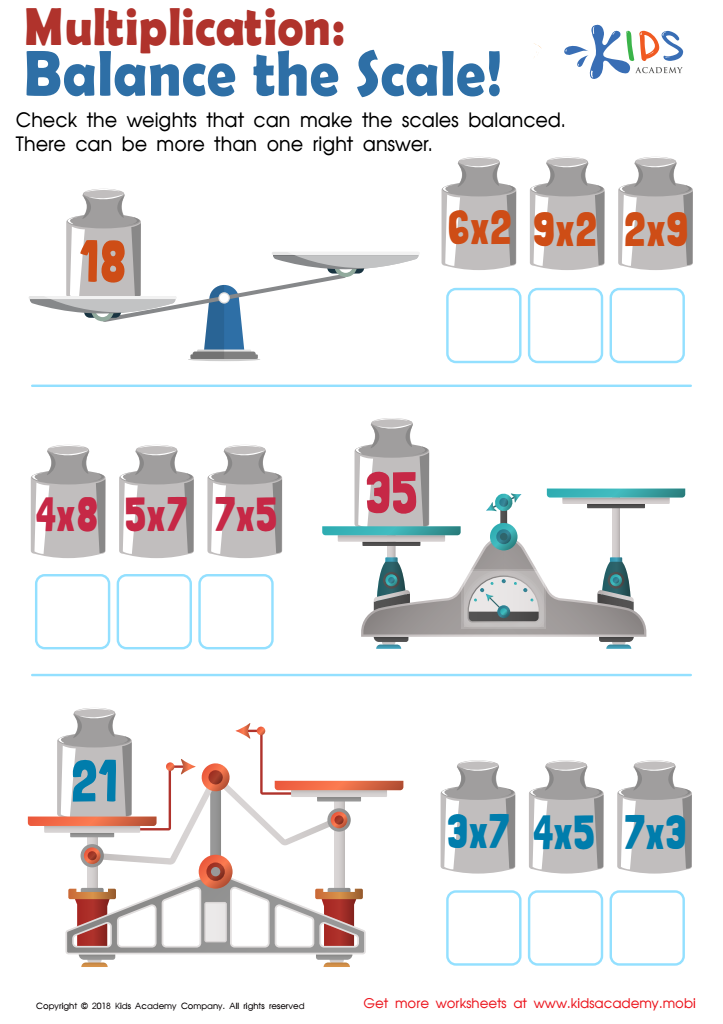
Balance the Scales Multiplication Worksheet
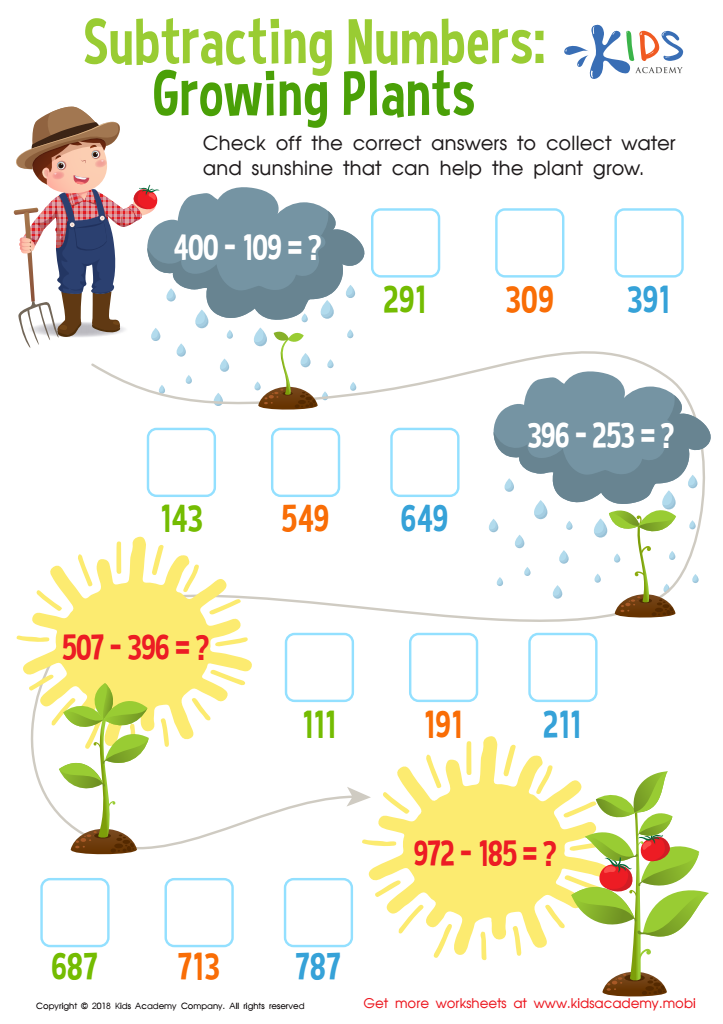
Subtracting Numbers: Growing Plants Worksheet
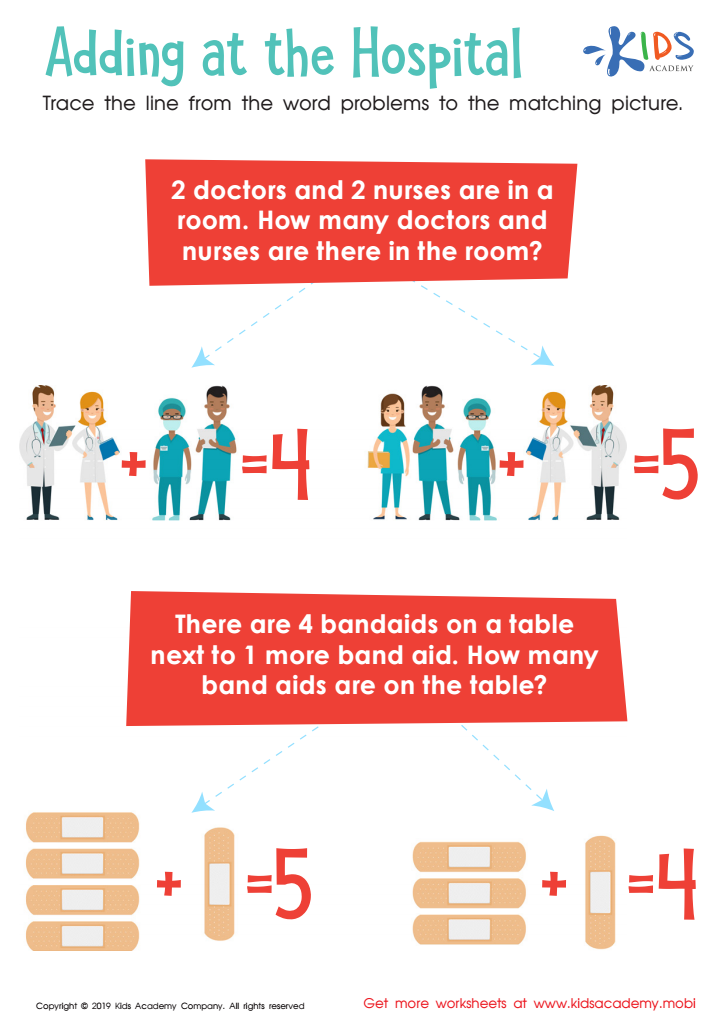
Adding at the Hospital Worksheet

Haunted House Estimates Worksheet
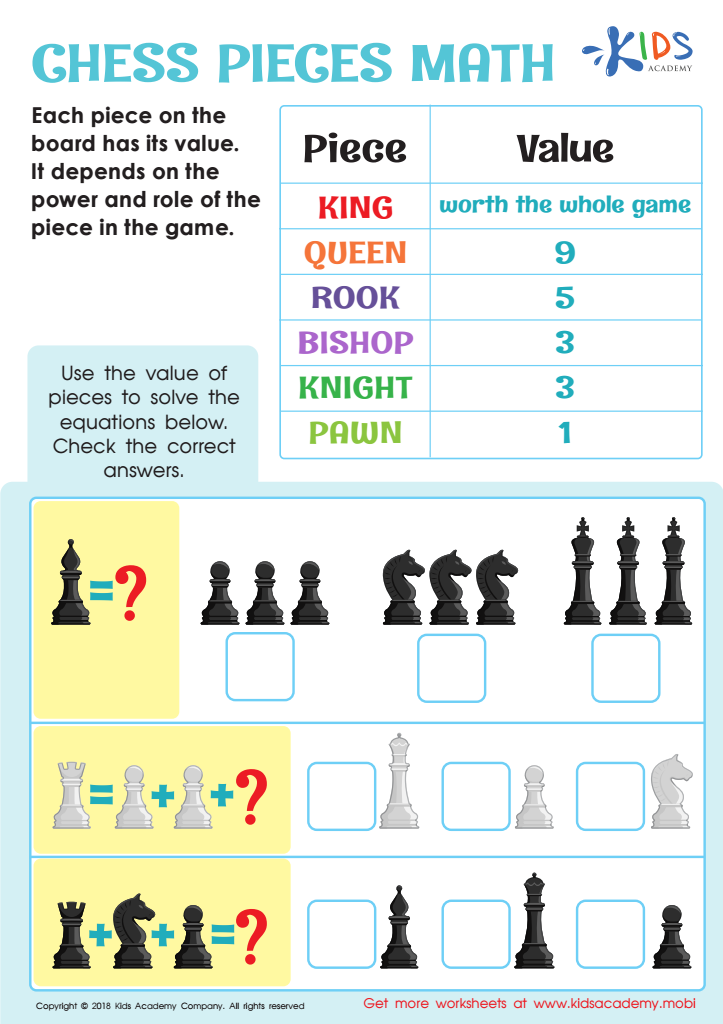
Chess Pieces Math Worksheet







Developing problem-solving abilities in children aged 8-9 is crucial for their cognitive and emotional growth. At this stage, children are transitioning from concrete thinking to more abstract reasoning, allowing them to tackle increasingly complex problems. By fostering these skills, parents and teachers empower children to think critically and creatively, essential tools for success in today’s fast-paced world.
Good problem-solving skills enhance academic performance, enabling students to tackle math problems, science experiments, and writing assignments more effectively. These skills also translate to real-life situations, helping children navigate social interactions, resolve conflicts, and face challenges with resilience. Encouraging children to approach problems systematically—defining the issue, brainstorming solutions, and evaluating outcomes—nurtures independence and confidence.
Furthermore, problem-solving promotes collaboration when children work together to find solutions, fostering teamwork and communication skills. It instills a growth mindset, teaching children that setbacks are part of the learning process. Parents and teachers play a vital role in creating an environment that fosters these abilities, providing support, encouragement, and opportunities for practice. By prioritizing problem-solving, we prepare children not only for academic success but also for life’s complexities, ultimately contributing to their overall well-being and future success.








