Basic Math Skills Normal Numbers Worksheets for Ages 8-9
6 filtered results
Difficulty Level
Grade
Age
-
From - To
Subject
Activity
Standards
Enhance your child's understanding of basic math skills with our engaging Normal Numbers Worksheets tailored for ages 8-9. These worksheets provide a fun and interactive way to help young learners master essential math concepts, including number identification, counting, addition, and subtraction. Each carefully designed activity encourages critical thinking and problem-solving while reinforcing foundational skills. Ideal for home or classroom use, our worksheets make learning math enjoyable, effectively supporting your child's academic growth. Perfect for reinforcing classroom lessons or practicing at home, these resources are an excellent addition to any math curriculum. Download and watch your child's confidence in math soar!
Favorites
With answer key
Interactive
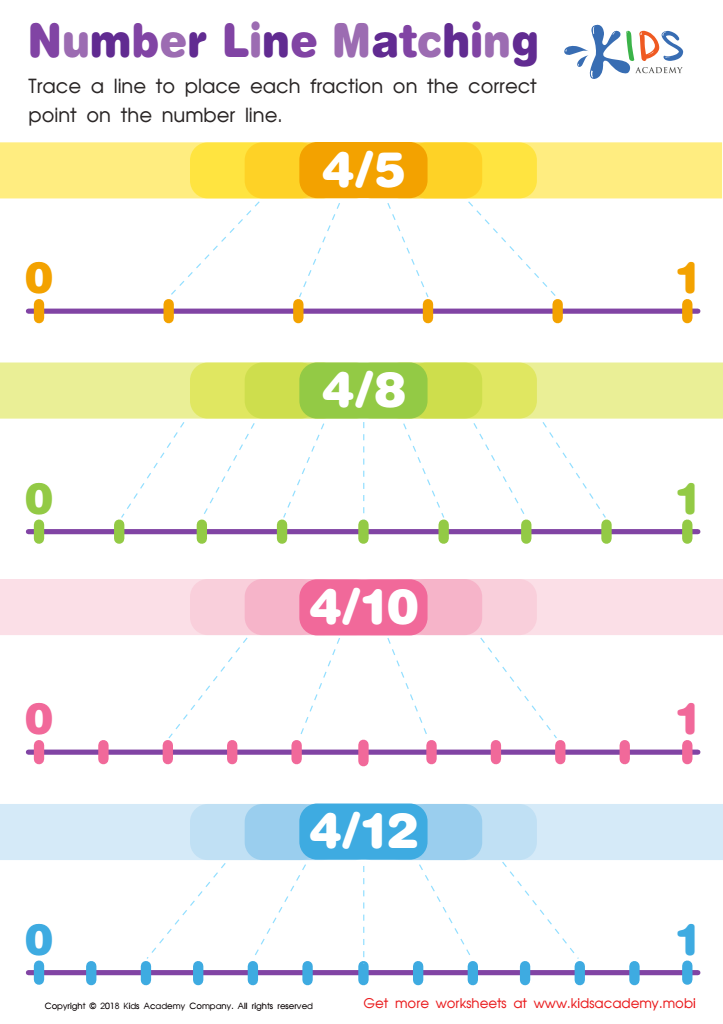
Number Line Matching Worksheet
Math can be fun! Have your child count points on the number line, then identify and trace fractions above it. It's a great way for them to learn and have some fun!
 Assign to My Students
Number Line Matching Worksheet
Worksheet
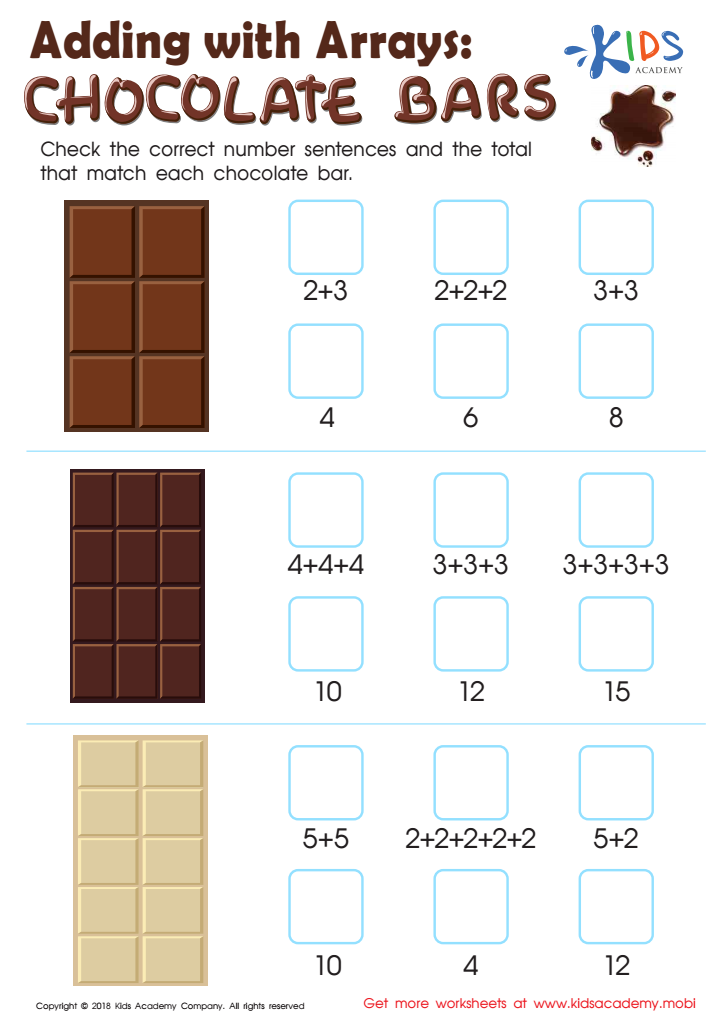
Adding with Arrays: Chocolate Bars Worksheet
Kids love chocolates! Gauge how enthused your kids get when you mention them. This worksheet is a fun exercise about chocolates - get your kids to check the correct number sentences and totals for each chocolate bar. Reward their hard work with some chocolates - extra incentive for a job well done!
Adding with Arrays: Chocolate Bars Worksheet
Worksheet
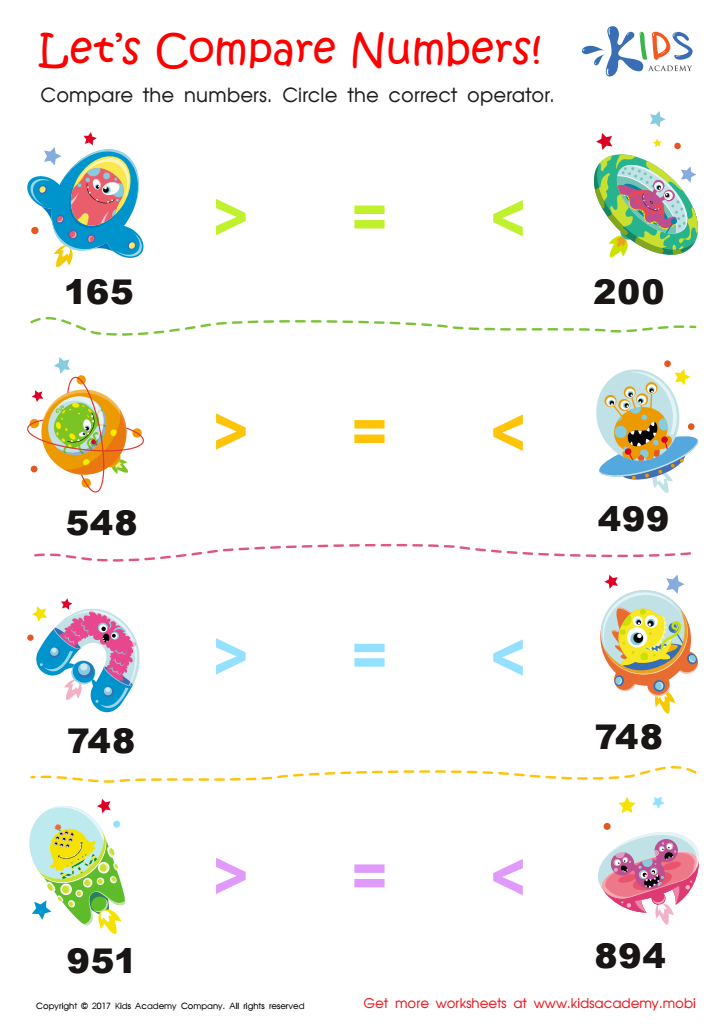
Comparing Numbers Worksheet for 2nd Grade
Alien friends are back to help your child learn to compare numbers using >, < and = symbols. This 2nd grade worksheet will challenge them with larger numbers!
Comparing Numbers Worksheet for 2nd Grade
Worksheet
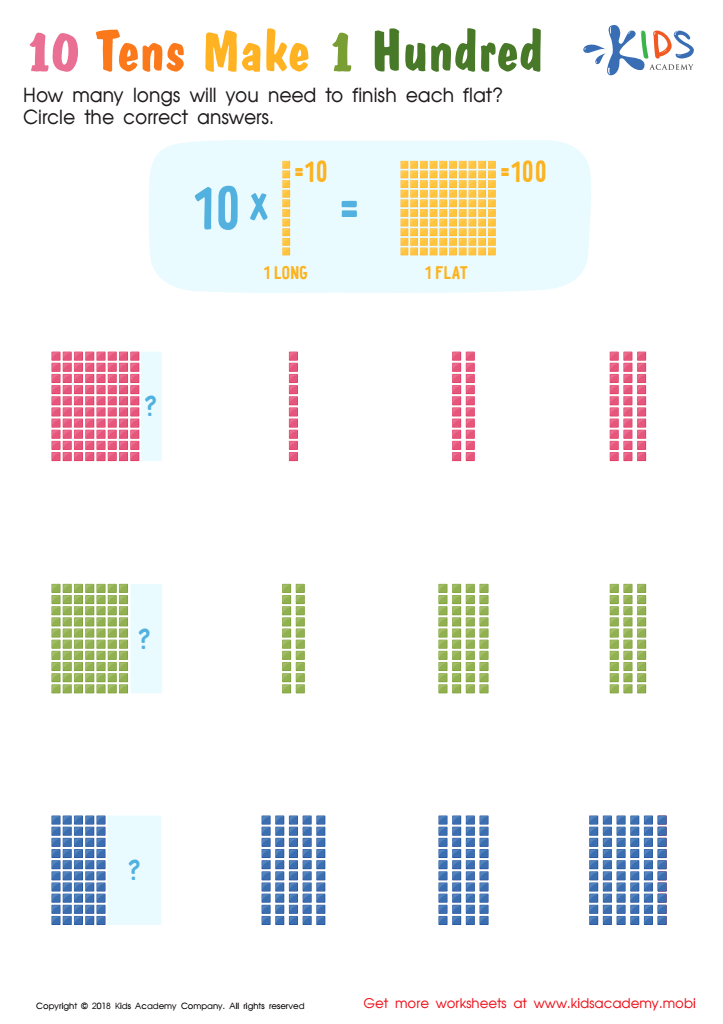
10 Tens Make 1 Hundred Worksheet
Help your child understand multiplication with this worksheet. Ask them how many 'longs' will be needed to complete each flat, then have them circle the correct answer from the options. With this exercise, your child will learn that 10 'tens' make 1 'hundred'!
10 Tens Make 1 Hundred Worksheet
Worksheet
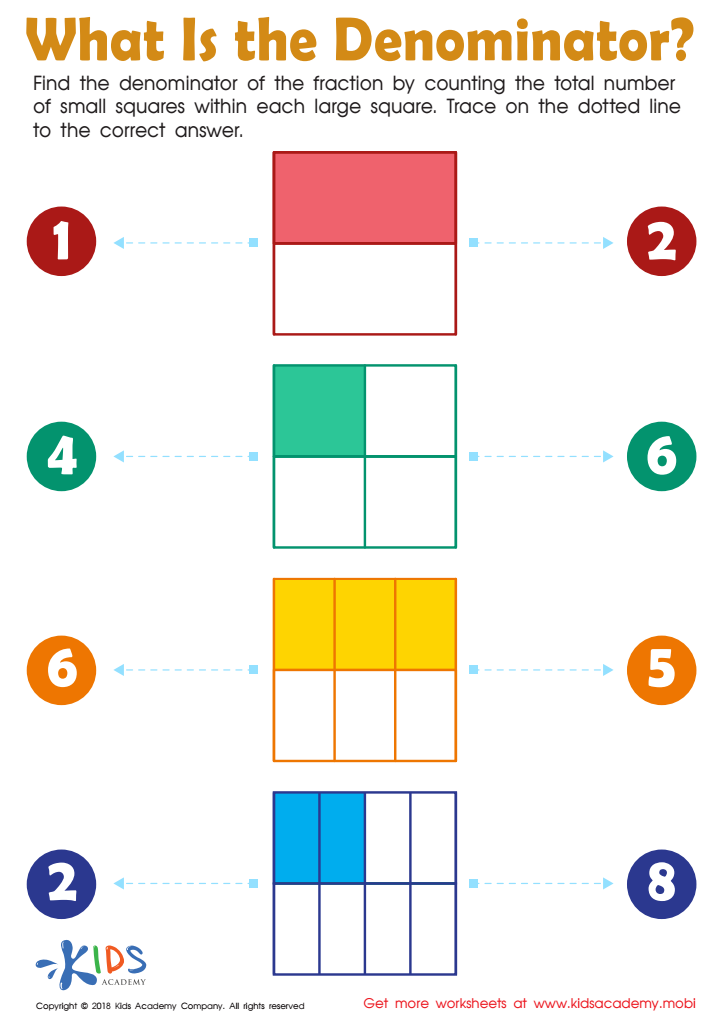
What Is the Denominator? Worksheet
If your kindergartener is struggling with fractions, don't worry. Use this worksheet to help them understand better. Ask them to count the total small squares in each large square to find the denominator, then trace on the dotted line to answer. This printable tracing sheet will help them learn fractions easier.
What Is the Denominator? Worksheet
Worksheet
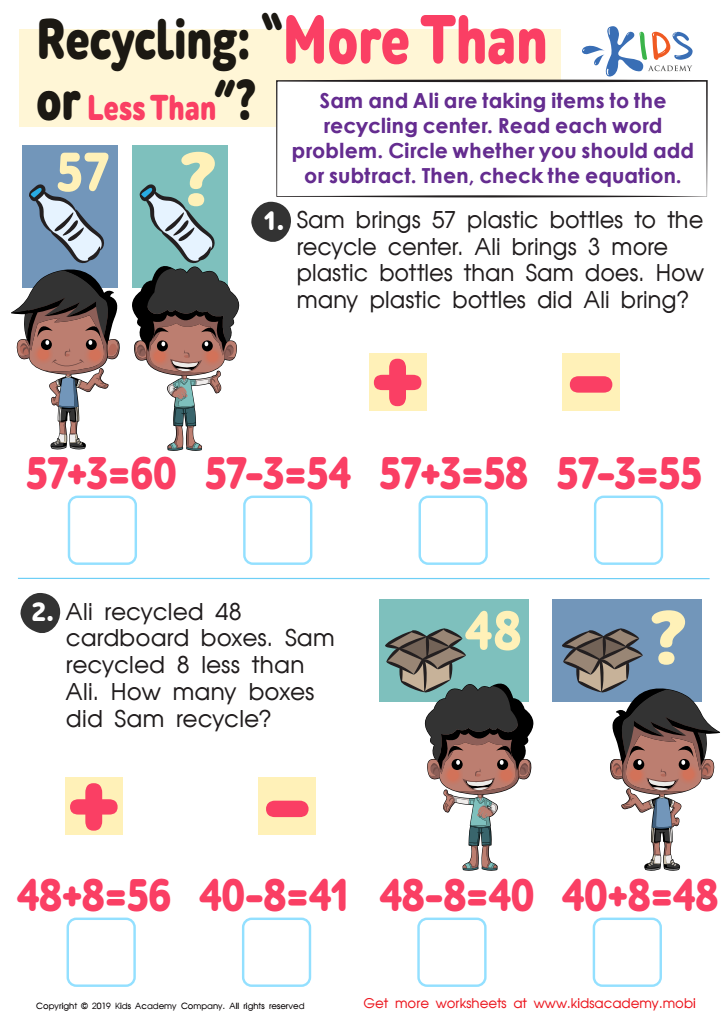
Recycling - More or Less Worksheet
Your child can compare numbers and solve word problems with this free worksheet. Help them understand what's being asked as Sam and Ali take items to the recycling center. They can choose the correct equation to match the word problem and apply their skills in reading and pulling out the appropriate information.
Recycling - More or Less Worksheet
Worksheet
Join Kids Academy for Free
Who is primarily going to use this learning content?








Parents and teachers should prioritize basic math skills, especially for normal numbers, for children aged 8-9 because this foundational knowledge is crucial for future academic success. At this age, children are transitioning from simple arithmetic to more complex concepts. Mastering addition, subtraction, multiplication, and division with whole numbers equips them with the tools necessary for real-world problem-solving, critical thinking, and mathematical reasoning.
Incorporating basic math skills into daily activities enhances a child’s confidence and curiosity about numbers. Proficiency in these areas not only fosters a love for math but also helps develop cognitive abilities essential for subjects beyond mathematics, including science and economics. Furthermore, as students progress in their education, a solid grasp of basic math serves as a stepping stone towards advanced topics such as fractions, decimals, and even algebra.
Supporting skill development in this area can close achievement gaps and create equitable academic opportunities. Engaging in meaningful math conversations, playing math-related games, and reinforcing math usage in everyday scenarios can make learning enjoyable. Ultimately, families and educators can empower children to excel, cultivating future learners who see math not as a challenge but as an integral and exciting part of life.