Vocabulary Building Normal Reading Worksheets for Ages 8-9
12 filtered results
-
From - To
Enhance your child’s language skills with our Vocabulary Building Normal Reading Worksheets designed for ages 8-9. These engaging, printable worksheets stimulate young minds, fostering a love for reading while expanding their vocabulary. Each worksheet is carefully crafted to introduce new words, reinforce comprehension, and provide context-driven exercises that promote critical thinking. With a diverse range of topics and interactive activities, our worksheets make vocabulary building an enjoyable experience. Ideal for both classroom and home learning, help your child achieve academic success and improve their reading skills with these dynamic educational resources.
Visit Kids Academy to download now!
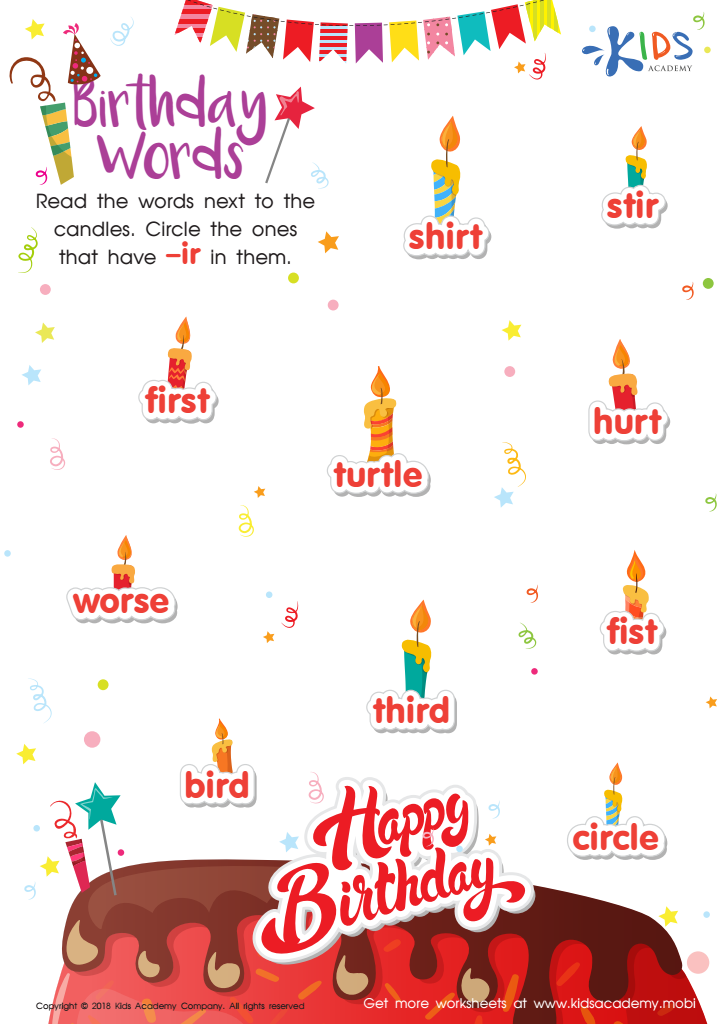
Birthday Words Worksheet
 Assign to My Students
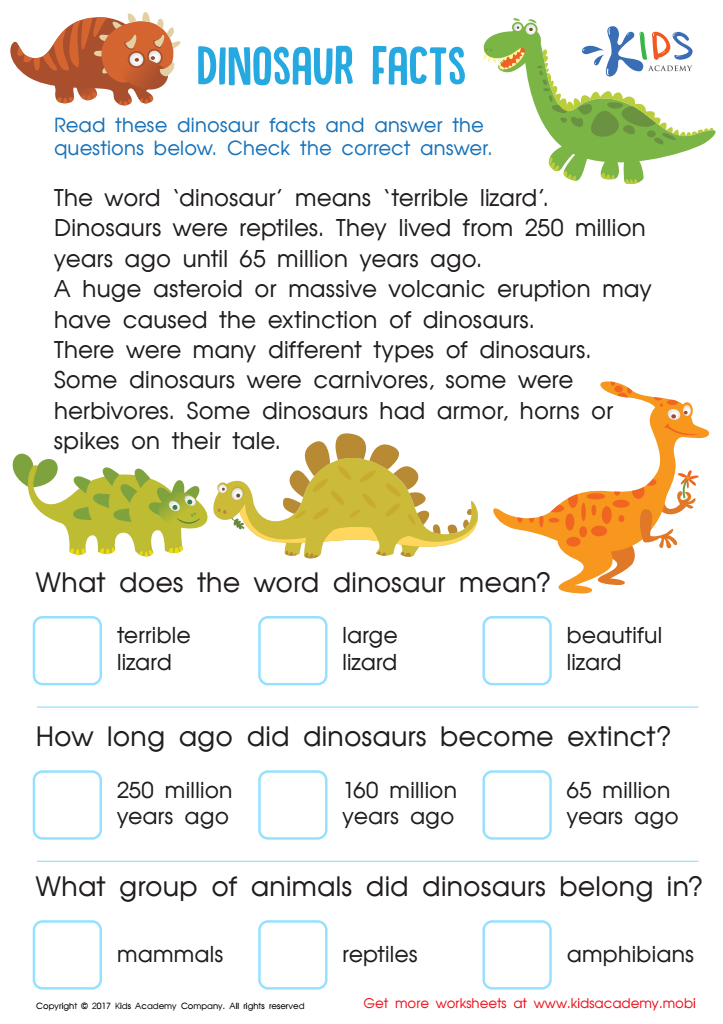
Dinosaur Facts Worksheet
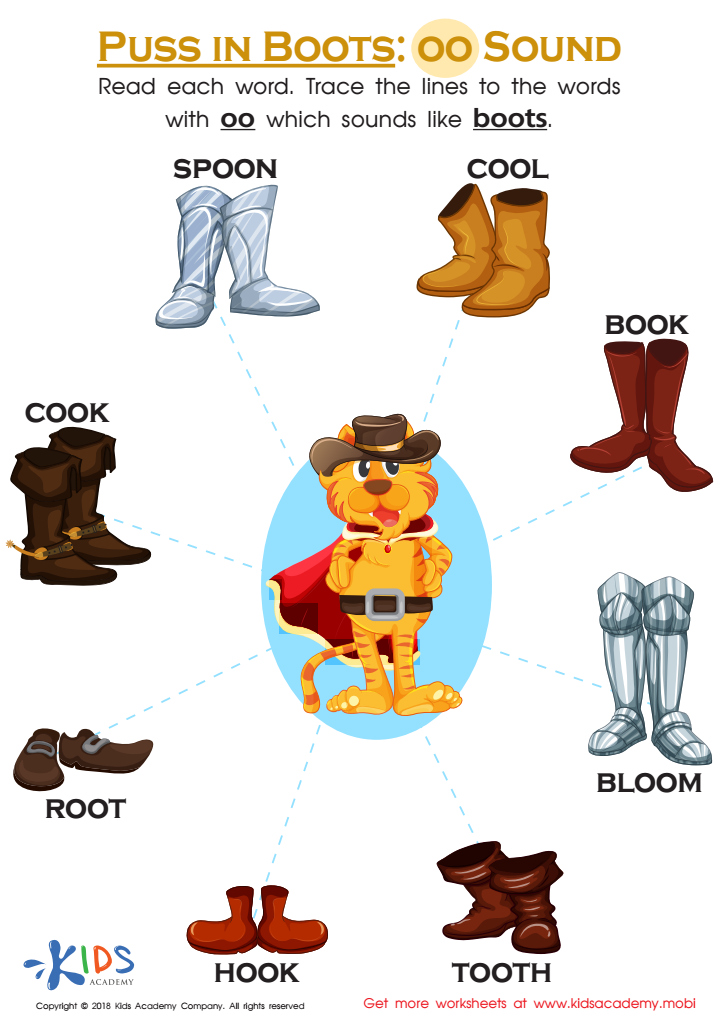
Puss in Boots: OO Sound Worksheet
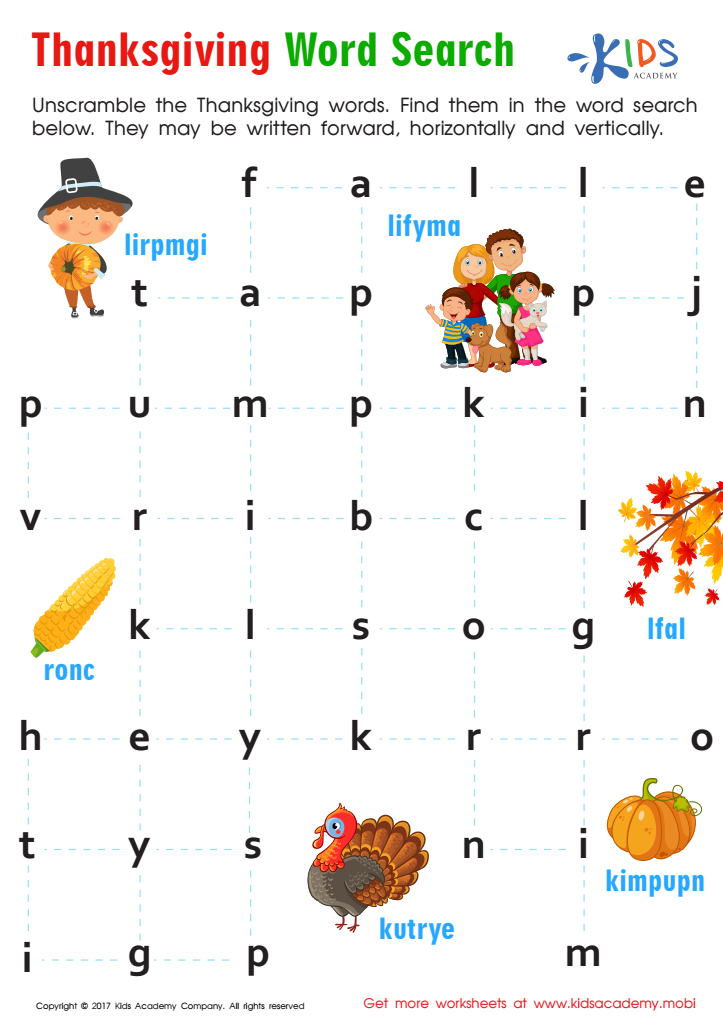
Thanksgiving Word Search Sight Words Worksheet
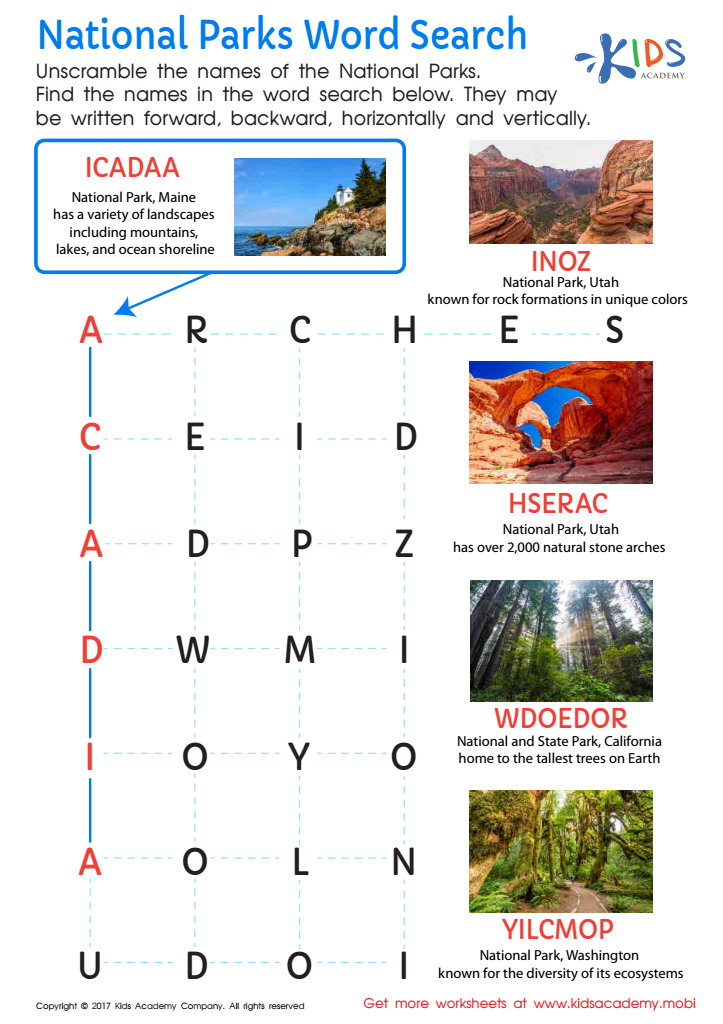
National Parks Word Search Worksheet
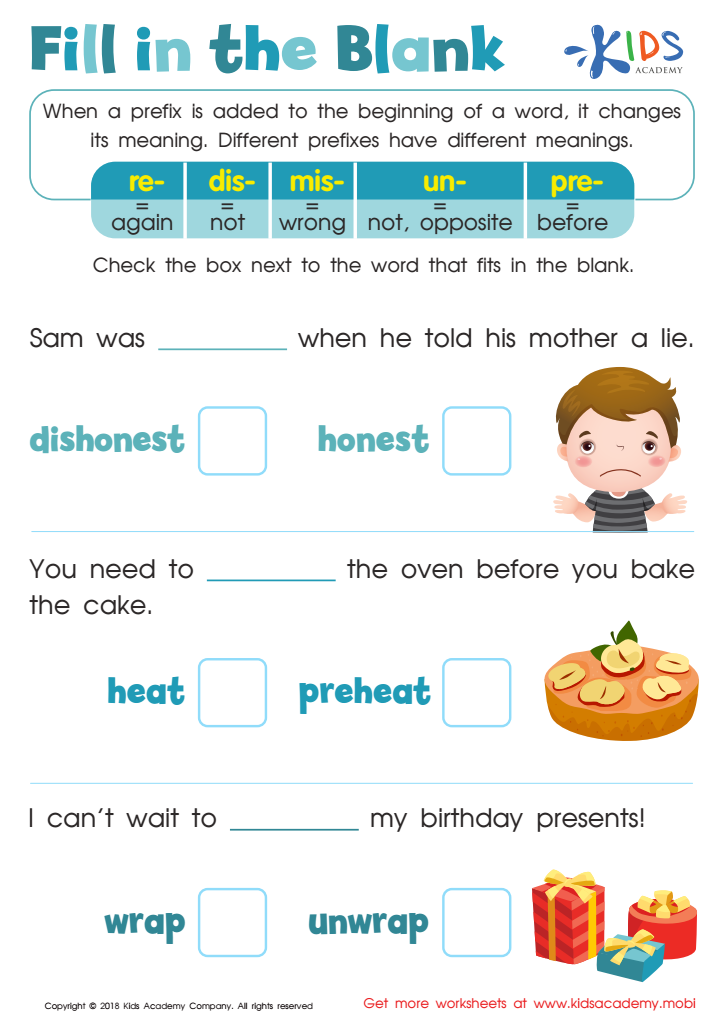
Reading: Fill in the Blank Worksheet
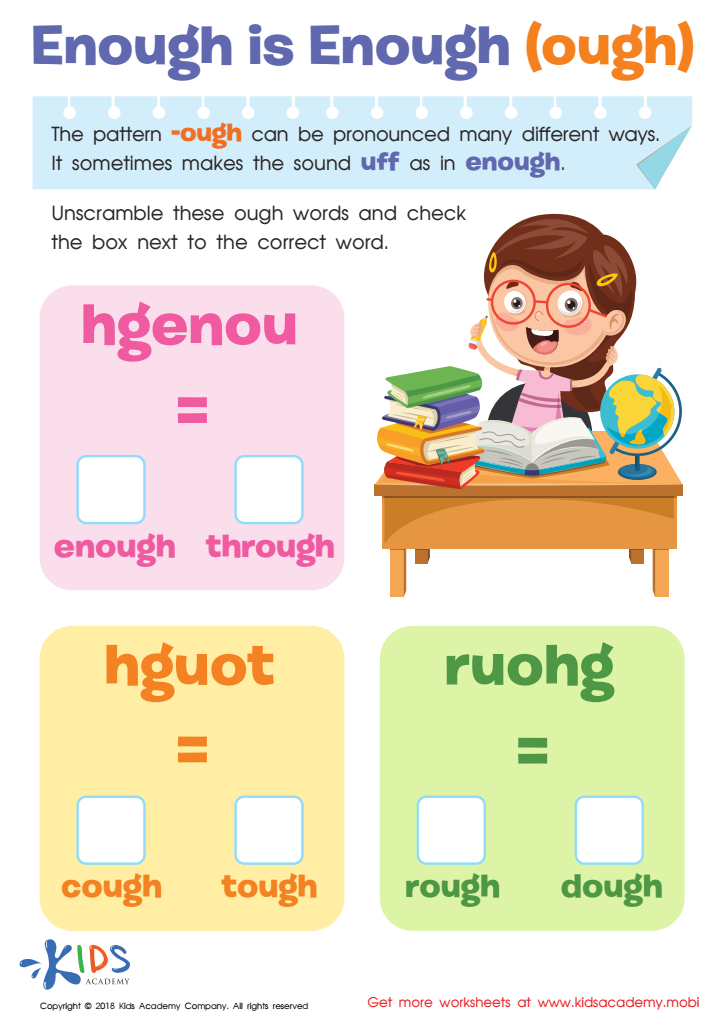
Enough Is Enough (ough) Worksheet

Golden Eagles Worksheet
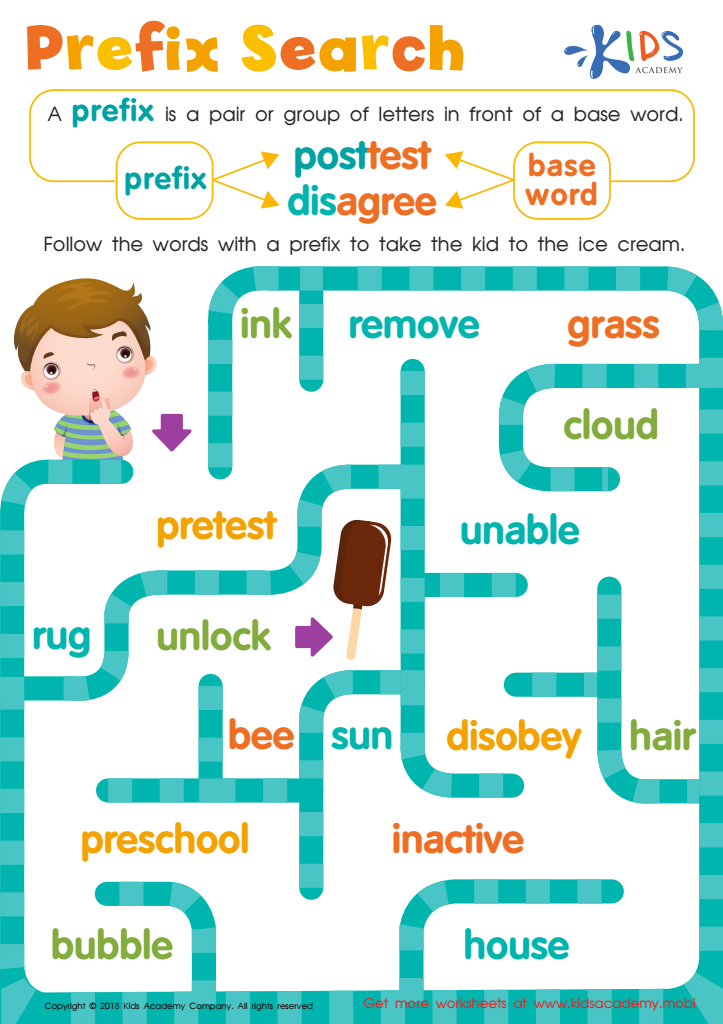
Reading: Prefix Search Worksheet
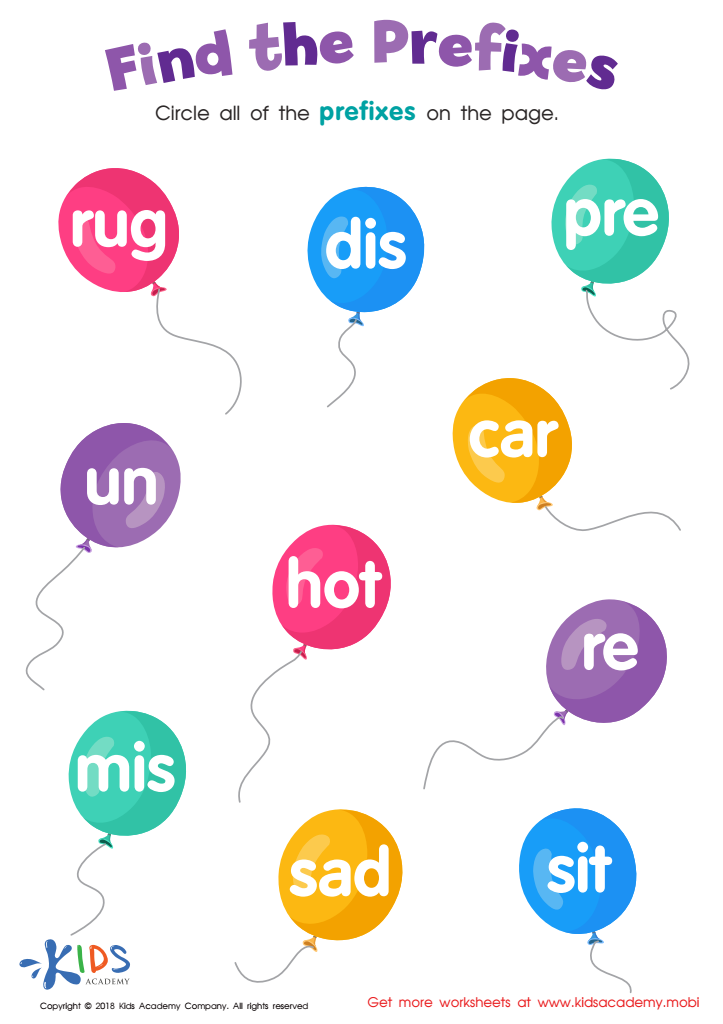
Reading: Find the Prefixes Worksheet
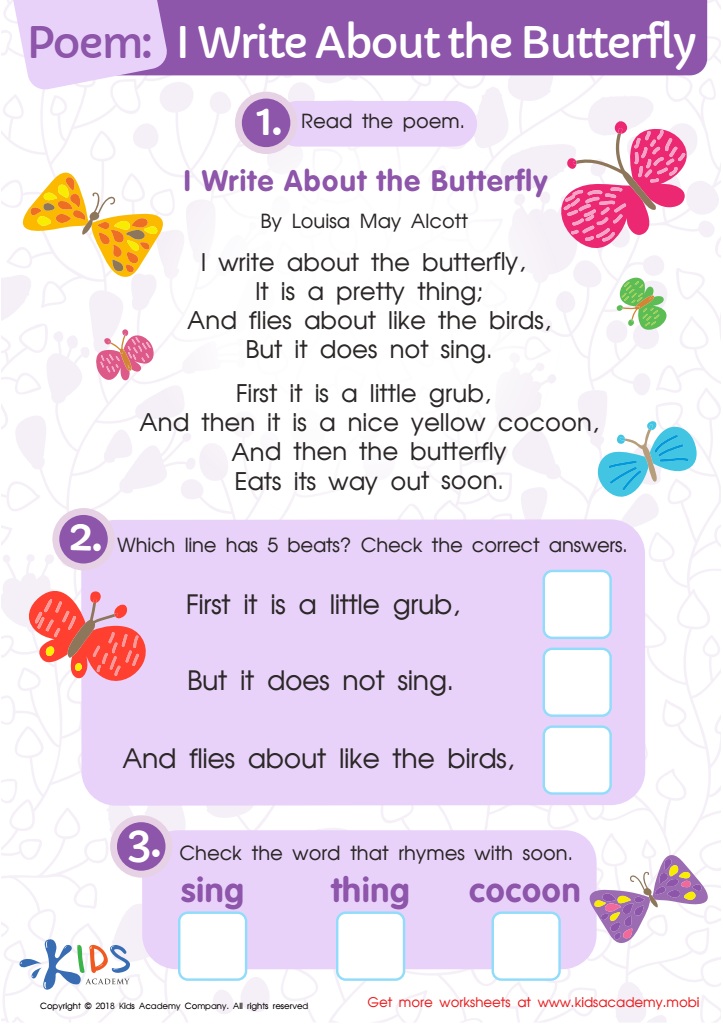
Poem: I Write About The Butterfly Worksheet
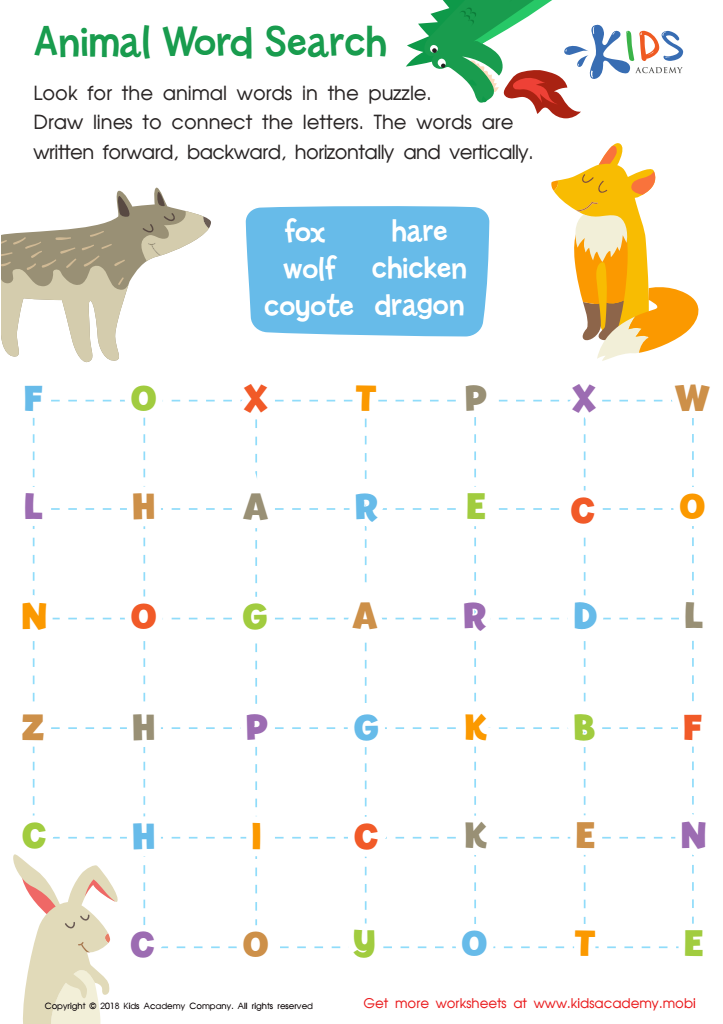
Animal Word Search Worksheet





Vocabulary building is crucial for 8-9-year-olds because it significantly impacts their reading comprehension, communication skills, and overall academic success. At this age, children transition from "learning to read" to "reading to learn," meaning they need a strong vocabulary to understand more complex texts across subjects. A rich vocabulary allows children to express ideas clearly and interact confidently both in and out of school.
When children encounter new words frequently, either through reading or conversation, they’re more likely to internalize and use these words correctly. This exposure boosts their cognitive abilities, helping them think more creatively and critically. A strong vocabulary also helps children follow instructions accurately, participate actively in classroom discussions, and understand contextual nuances in different subjects, increasing their overall academic performance.
For teachers, incorporating vocabulary-building activities into the curriculum provides a structured way to introduce new words in meaningful contexts, fostering a richer learning environment. Parents can support this by reading to their children, engaging in discussions, and exposing them to a variety of experiences and materials.
In short, a strong vocabulary foundation at ages 8-9 sets the stage for future learning and personal development, making it a critical focus for both parents and teachers.








