Reading comprehension Normal Social Studies Worksheets for Ages 8-9 - Page 2
39 filtered results
-
From - To
Traditional Music Worksheet
 Assign to My Students
Dinosaur Discoveries Worksheet
Thanksgiving Quiz Worksheet
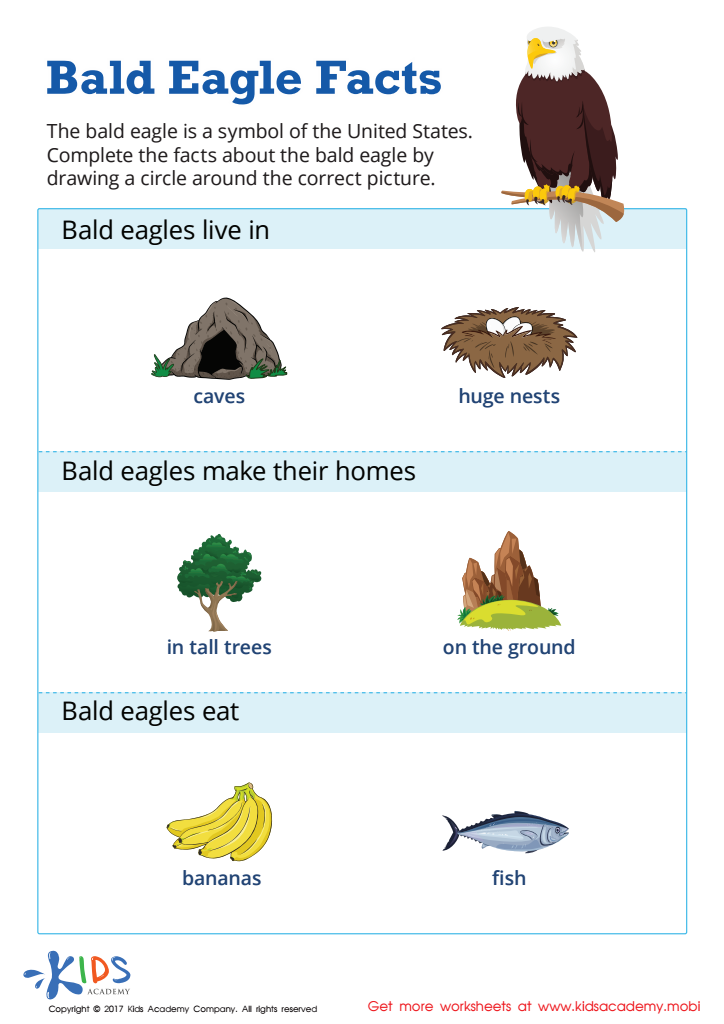
Bald Eagle Facts Worksheet
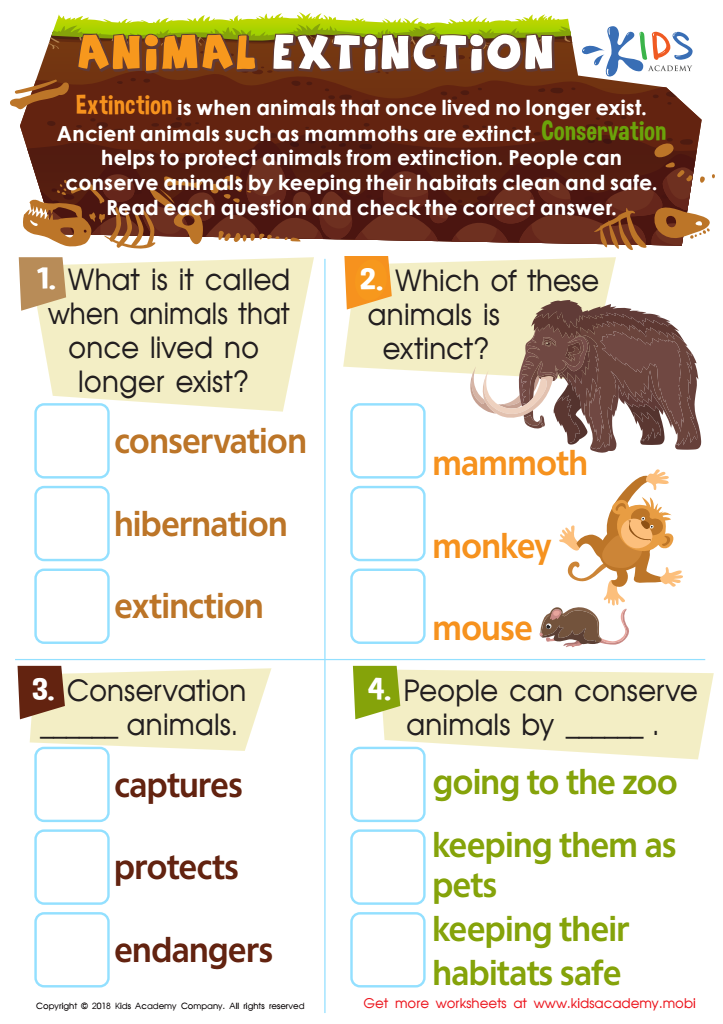
Animal Extinction Worksheet
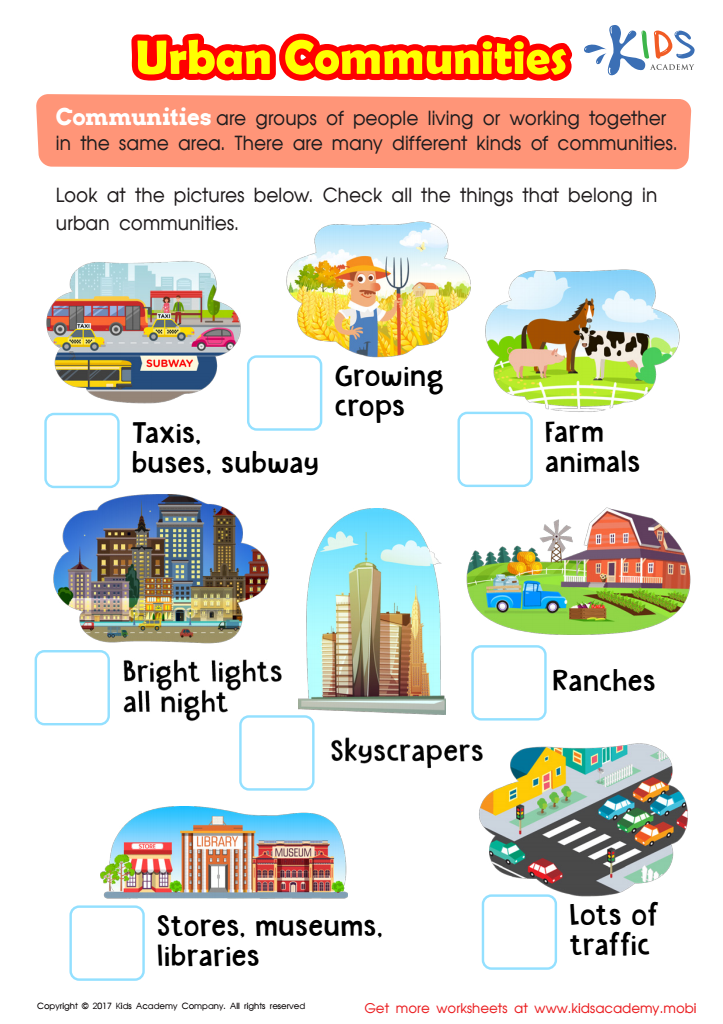
Urban Communities Printable
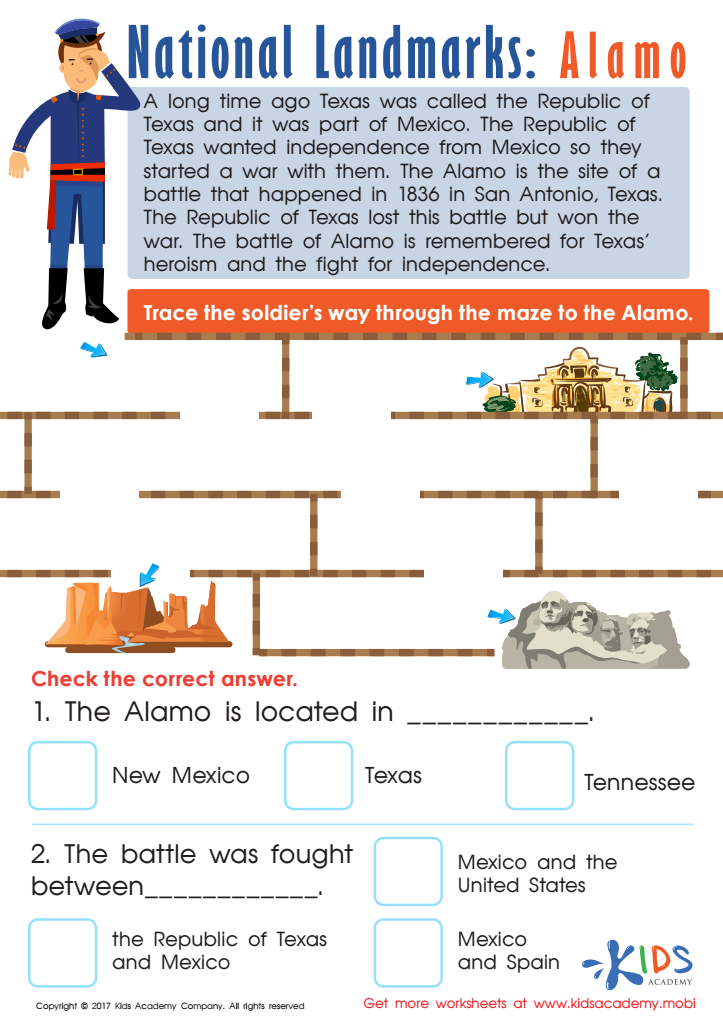
Alamo Printable Worksheet
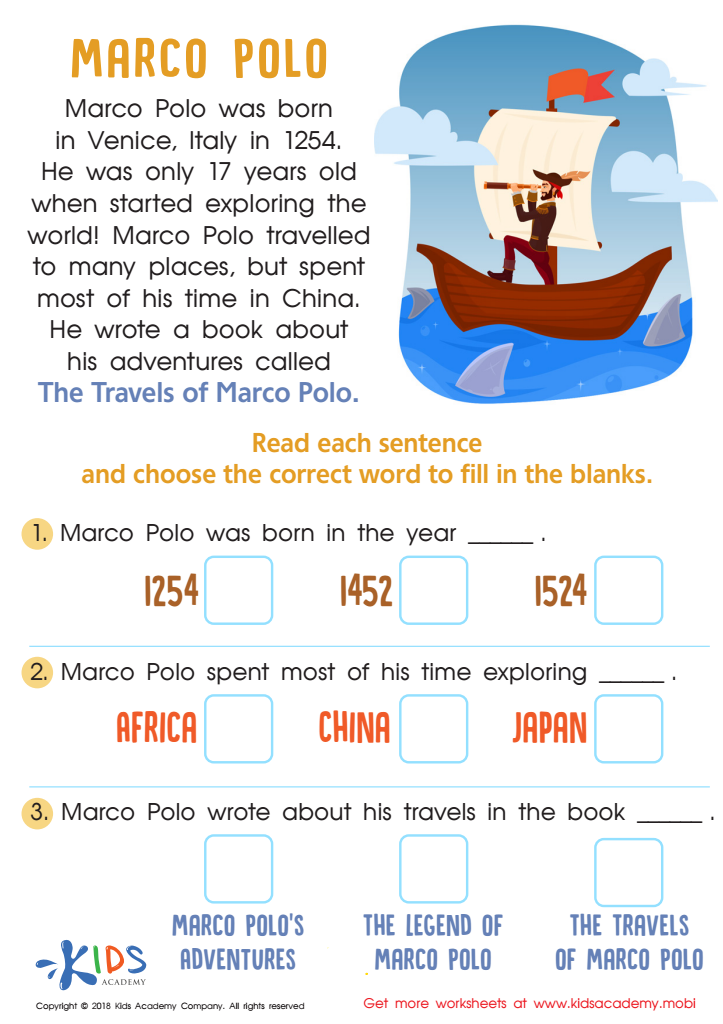
Marco Polo Worksheet

Ben Franklin’s Invention Arrays Worksheet
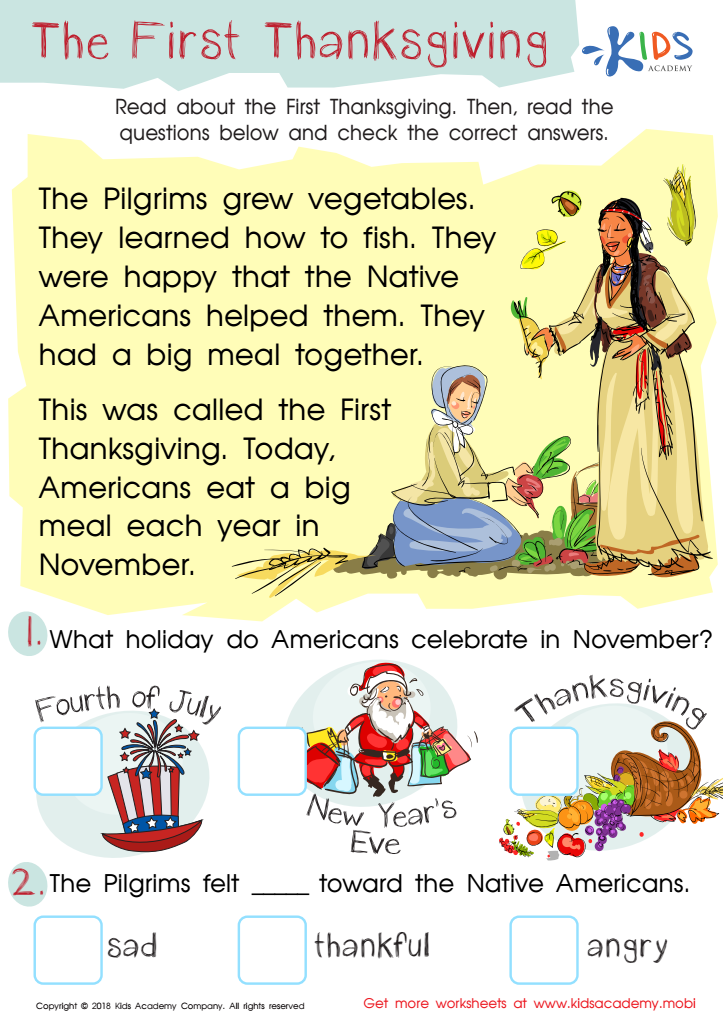
Assessment: First Thanksgiving Worksheet
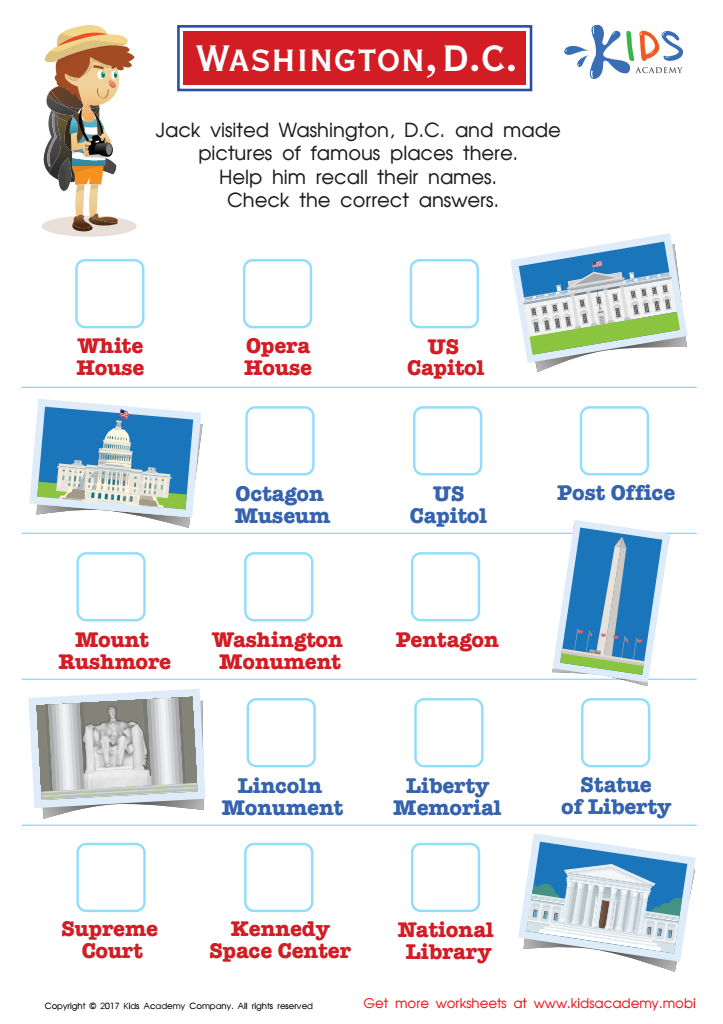
Washington D.C. Printable Worksheet
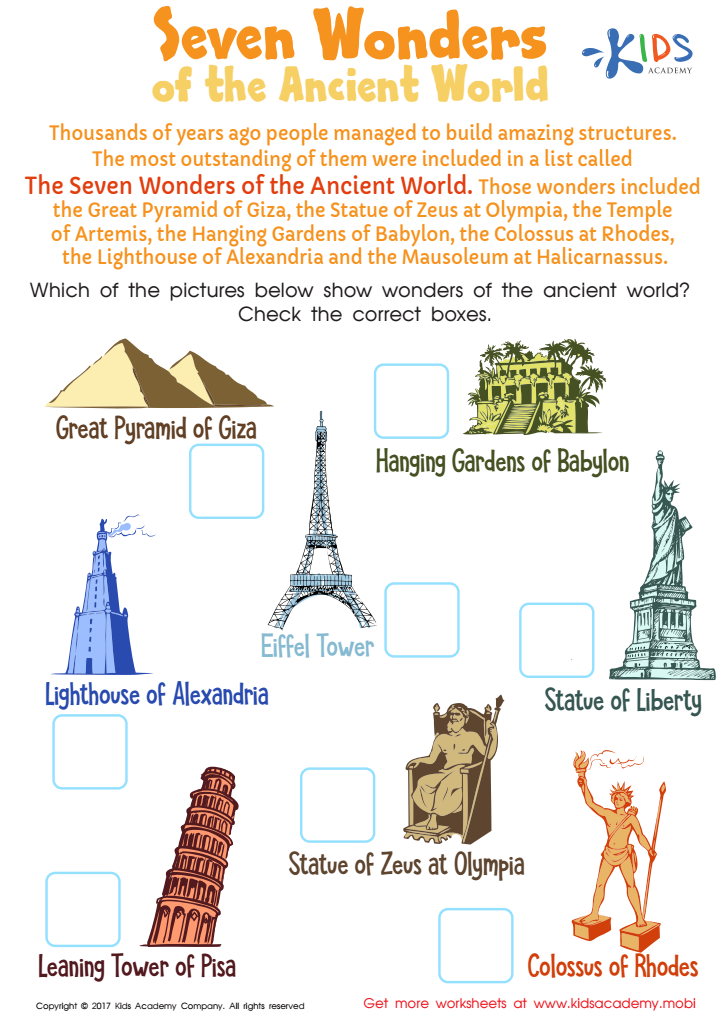
Seven Wonders of the Ancient World Worksheet
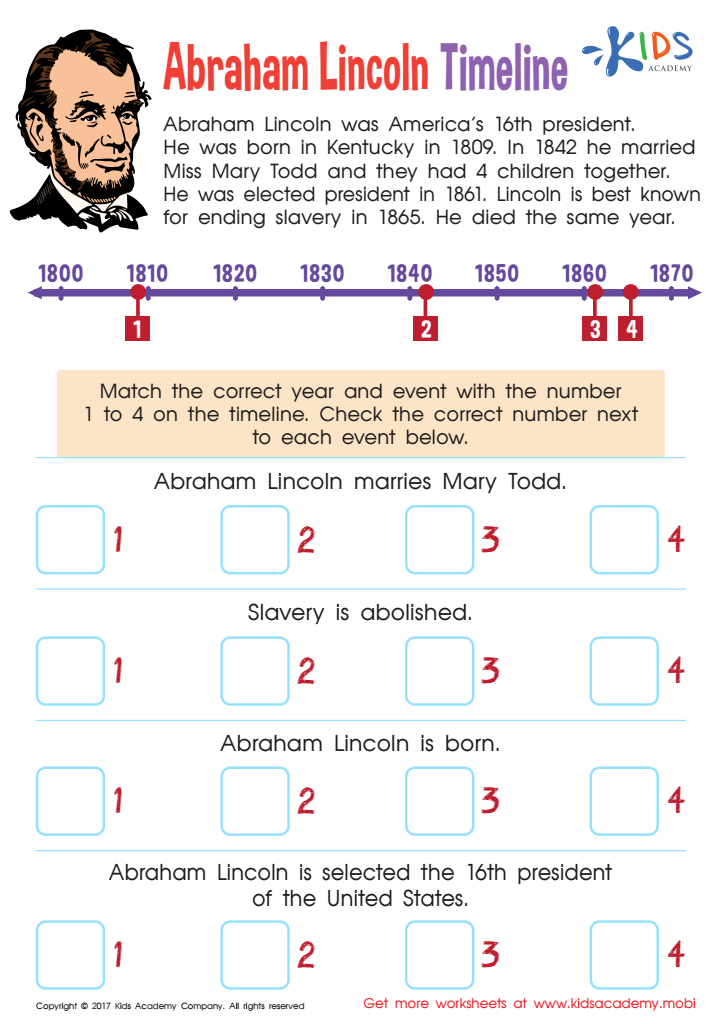
Abraham Lincoln Timeline Worksheet
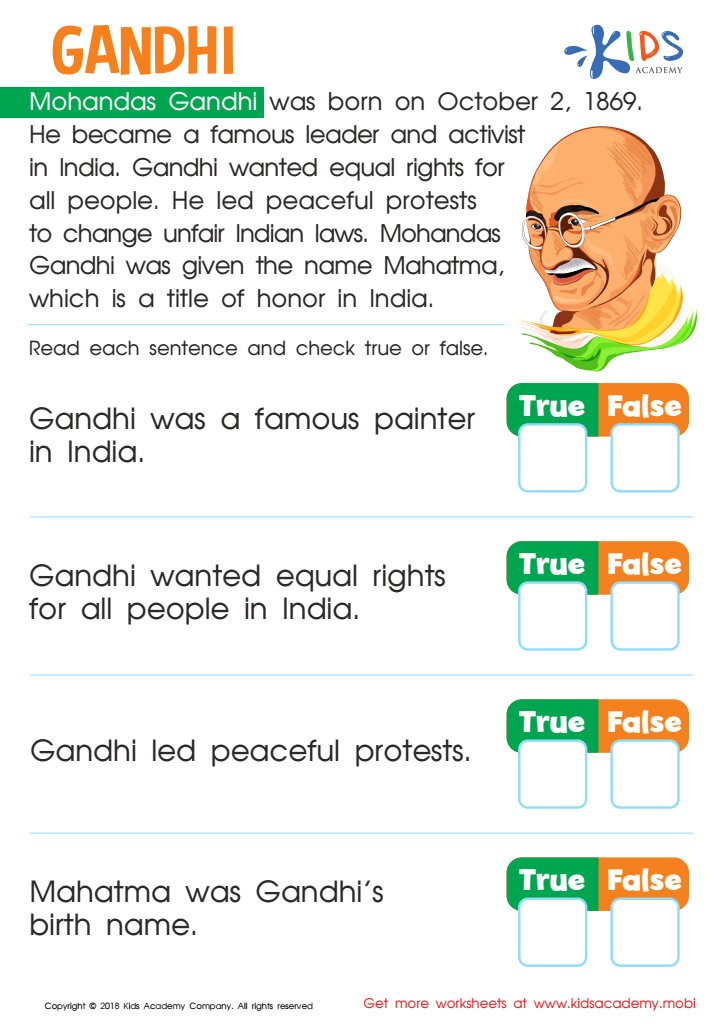
Gandhi Worksheet
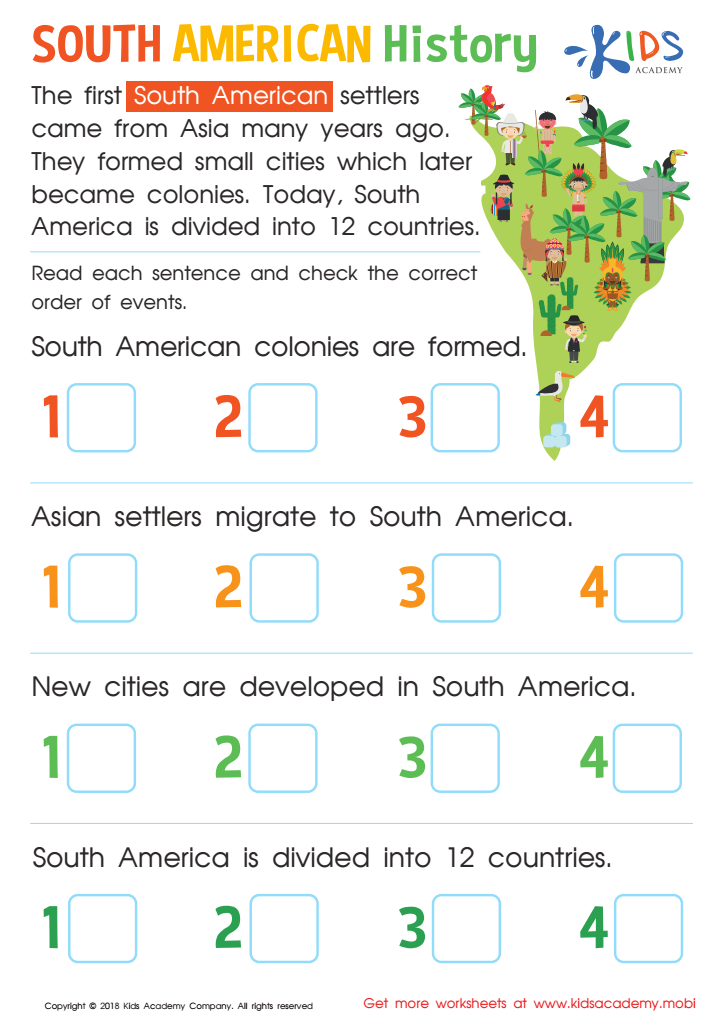
South American History Worksheet


.jpg)





Reading comprehension, especially in social studies for ages 8-9, is vital for a child's overall education and personal development. At this age, children begin to grasp complex concepts about history, geography, and societal structures, making it essential for them to understand and interpret the material they read. Improved reading comprehension enables students to connect with their communities, culture, and the world around them.
Parents and teachers should prioritize reading comprehension because it enhances critical thinking skills. When children can analyze and synthesize information, they become more engaged learners, facilitating discussions about significant events, cultures, and civic responsibilities. This comprehension also supports emotional intelligence, allowing children to empathize with diverse perspectives.
Moreover, a solid foundation in reading comprehension fosters independence. Children who can understand texts are better equipped to explore topics of interest, reflect on societal issues, and engage in informed conversations. Furthermore, proficient comprehension skills are linked to better academic performance across subjects, setting the stage for future educational success.
Ultimately, cultivating reading comprehension in social studies not only supports academic proficiency but also nurtures thoughtful and informed future citizens. By focusing on these skills, parents and teachers can empower children to navigate and contribute positively to their world.