Alphabet tracing Normal Worksheets for 8-Year-Olds
5 filtered results
-
From - To
Help your 8-year-old reinforce foundational skills with our Alphabet Tracing Normal Worksheets. These engaging and educational printables from Kids Academy are designed to improve fine motor skills and handwriting proficiency. Each sheet provides ample practice in tracing both uppercase and lowercase letters, ensuring your child develops confidence and accuracy in their writing abilities. Suitable for elementary school students, these worksheets combine fun activities with effective learning strategies, making them an excellent resource for teachers, parents, and homeschooling families. Support your child’s educational journey with these expertly crafted tracing worksheets that cater specifically to 8-year-olds.
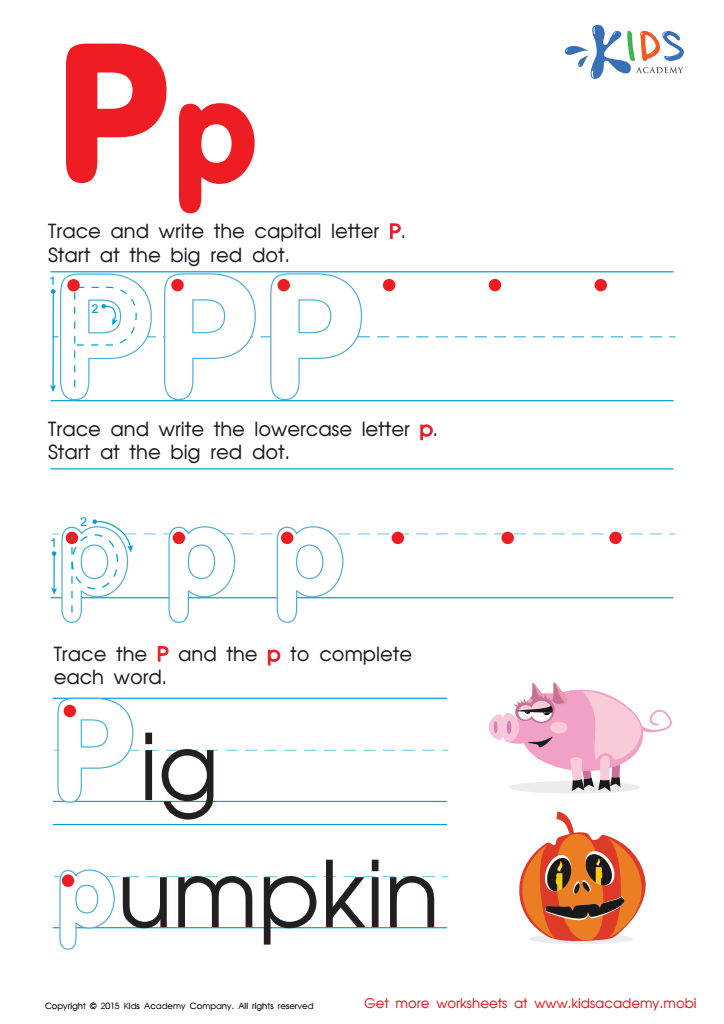
Letter P Tracing Page
 Assign to My Students
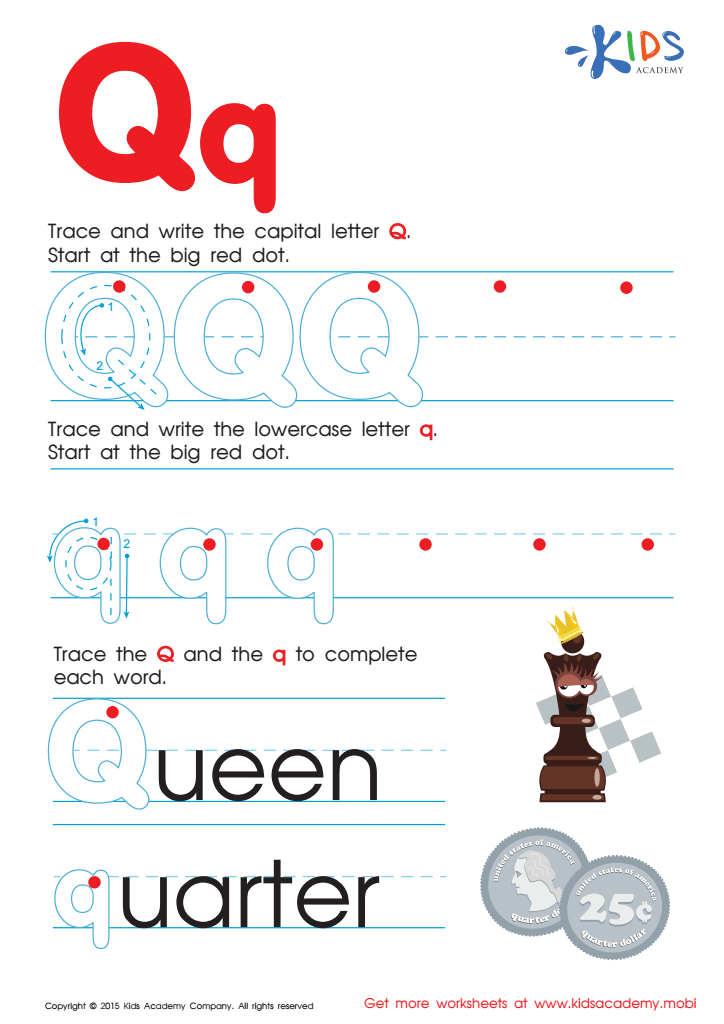
Letter Q Tracing Page

Letter H Tracing Page
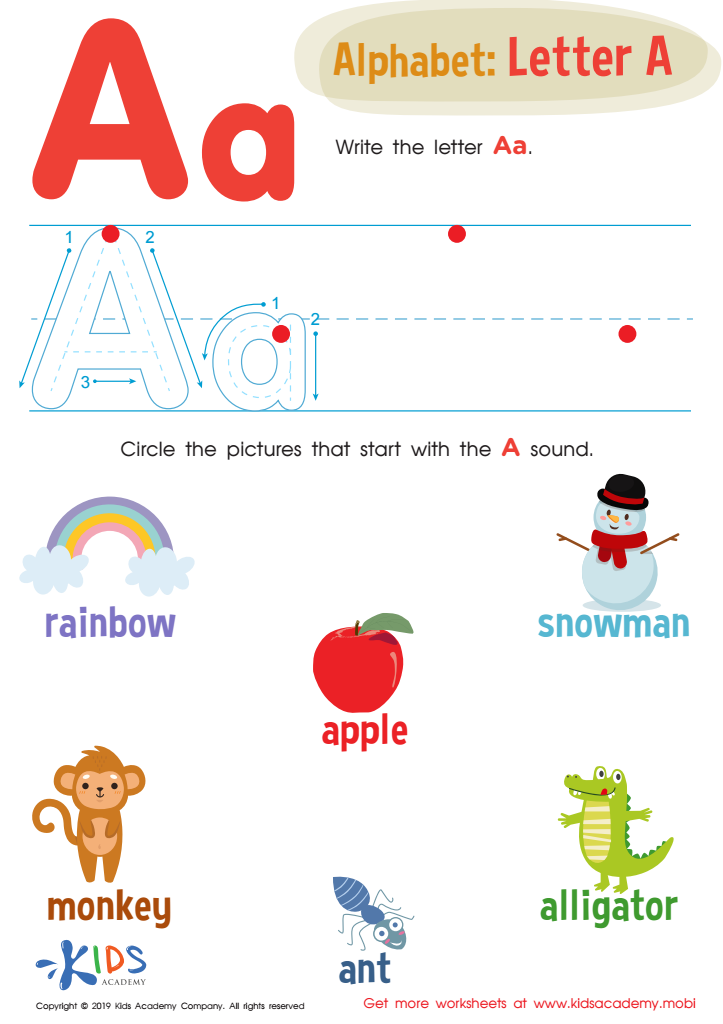
Letter A Tracing Worksheet

Letter D Tracing Page








Alphabet tracing remains important for 8-year-olds, despite it generally being introduced at a younger age, as it strengthens foundational writing skills crucial for academic success. At this age, children are progressing into more complex writing tasks, and honing their letter formation ensures legibility and fluency in their written work.
First, continued practice in alphabet tracing helps solidify muscle memory in young writers. Efficient handwriting mechanics reduce cognitive load, allowing children to focus more on content rather than the act of writing itself. This ease can boost their confidence and willingness to engage in writing-intensive activities.
Second, neat handwriting is directly linked to better academic performance. Clear and legible writing prevents misinterpretation and helps students convey their ideas accurately during exams and assignments, which is often a critical part of classroom assessments.
Third, early and consistent practice in neat writing supports overall literacy development. As children gain more control and comfort with writing letters, they're more equipped to explore spelling and grammar rules, contributing positively to their reading and writing proficiency.
Finally, the act of tracing letters enhances eye-hand coordination and fine motor skills. Such skills are not just necessary for writing but transferable to other everyday tasks and even art projects, fostering a well-rounded development. Therefore, continuing to engage 8-year-olds in alphabet tracing nurtures essential academic and motor skills that are foundational for future learning.








