Contextual understanding Normal Worksheets for 8-Year-Olds
5 filtered results
-
From - To
Enhance your child's learning experience with our Contextual Understanding Worksheets designed for 8-year-olds! These engaging worksheets help young learners develop critical thinking skills by encouraging them to interpret and apply information within various contexts. Tailored specifically for this age group, our resources foster comprehension through fun activities, challenging questions, and real-life scenarios. Whether at home or in the classroom, these printables are perfect for reinforcing essential skills in reading, math, and science. Help your child grasp concepts more effectively while building their confidence. Explore our diverse collection of worksheets today and support their journey to becoming successful learners!
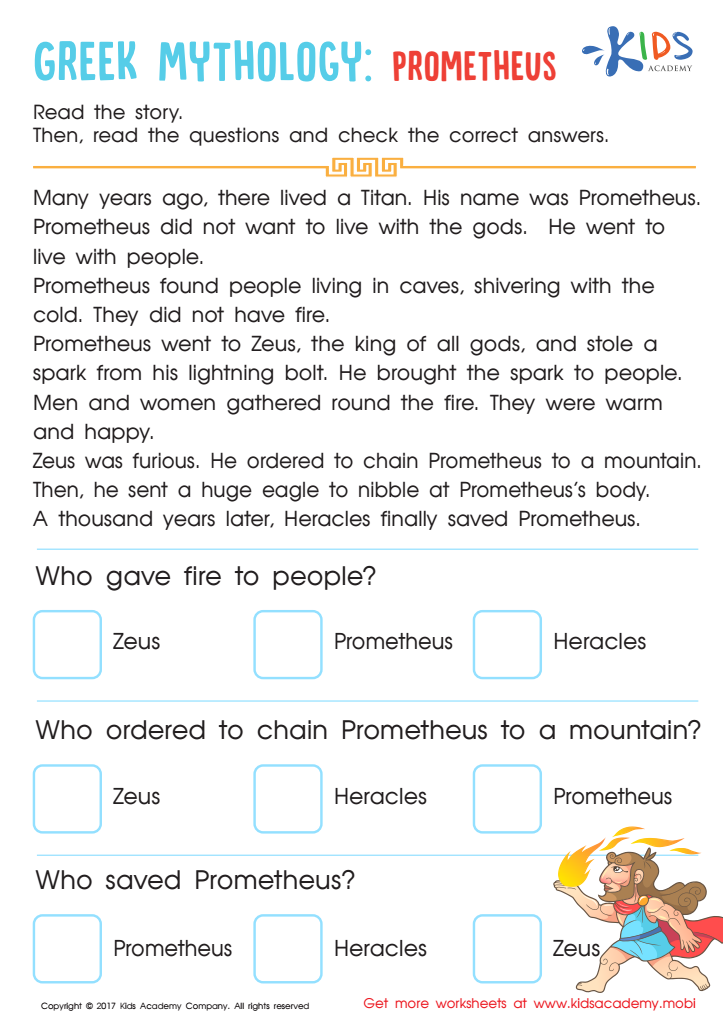
Prometheus Story Worksheet
 Assign to My Students
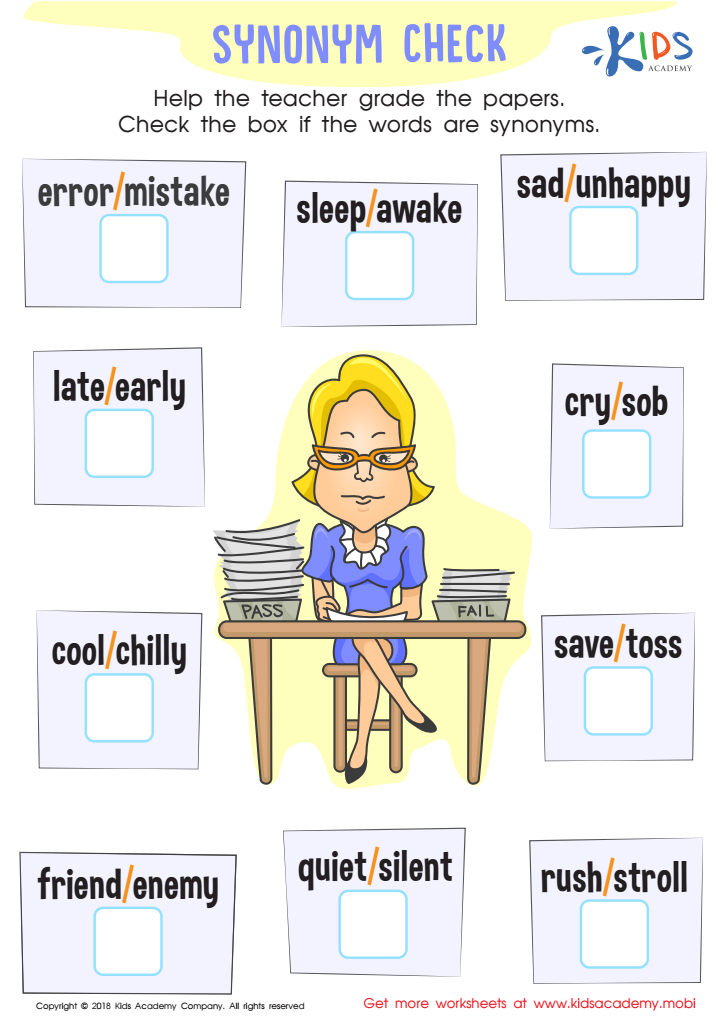
Synonym Check Worksheet
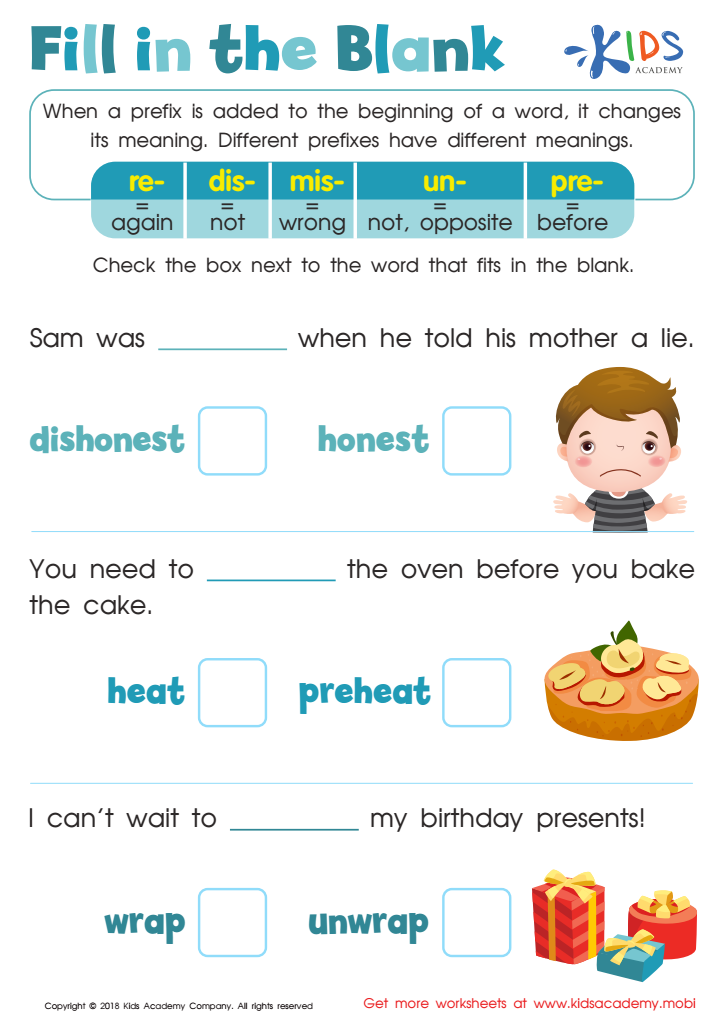
Reading: Fill in the Blank Worksheet
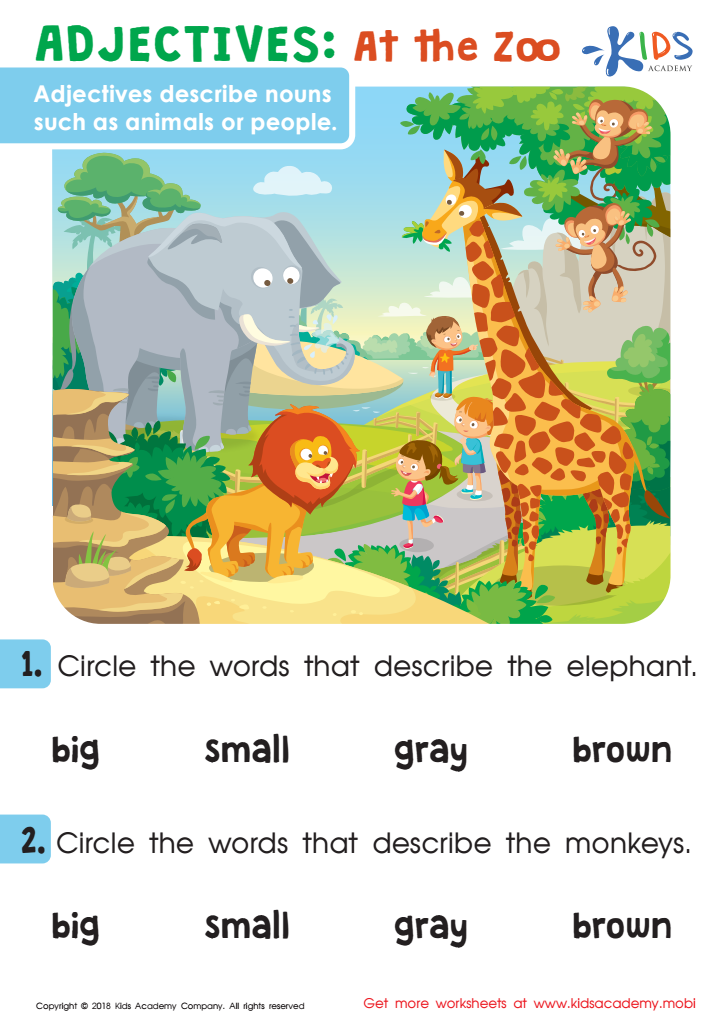
Adjectives: At The Zoo Worksheet
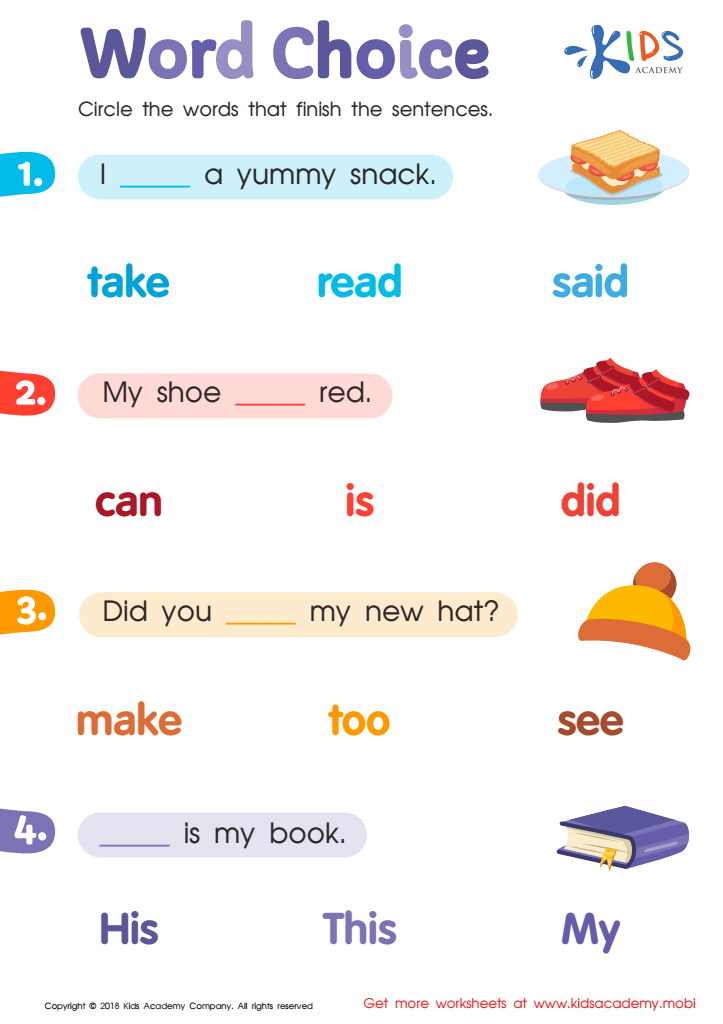
Word Choice Worksheet







Contextual understanding is crucial for 8-year-olds as it fosters their ability to make sense of the world around them. At this age, children are developing critical thinking skills and becoming more aware of the nuances in communication and their environment. When parents and teachers prioritize contextual understanding, they help children grasp not just the content of their learning but also its relevance and applicability to real-life situations.
Children who understand context can better connect new information to their existing knowledge, leading to deeper comprehension and long-term retention. For instance, in reading, a child who recognizes the social, historical, or cultural context of a story can empathize with characters and scenarios, enhancing their emotional intelligence.
Moreover, contextual understanding promotes problem-solving. When faced with challenges, children can assess situations holistically, consider various perspectives, and devise effective solutions. This skill is foundational not only in academics but also in navigating social dynamics.
Ultimately, nurturing a child's contextual understanding empowers them to become thoughtful, informed individuals who can engage with their communities and the world at large. Parents and teachers play a vital role in this development, ensuring that children not only learn facts but also understand their significance.








