Problem-solving abilities Normal Worksheets for 8-Year-Olds
6 filtered results
-
From - To
Unlock your child's potential with our Problem-Solving Abilities Normal Worksheets for 8-Year-Olds! Specifically designed to enhance critical thinking and analytical skills, these engaging worksheets provide various scenarios and challenges tailored for young minds. By fostering creativity, logical reasoning, and strategic thinking, our resources prepare children for academic success and real-life problem-solving situations. Beneficial for teachers and parents alike, these printable activities are perfect for classroom use or at-home learning support. Encourage your 8-year-old to develop essential skills through fun, age-appropriate tasks that make learning both enjoyable and effective. Start building their problem-solving foundation today!
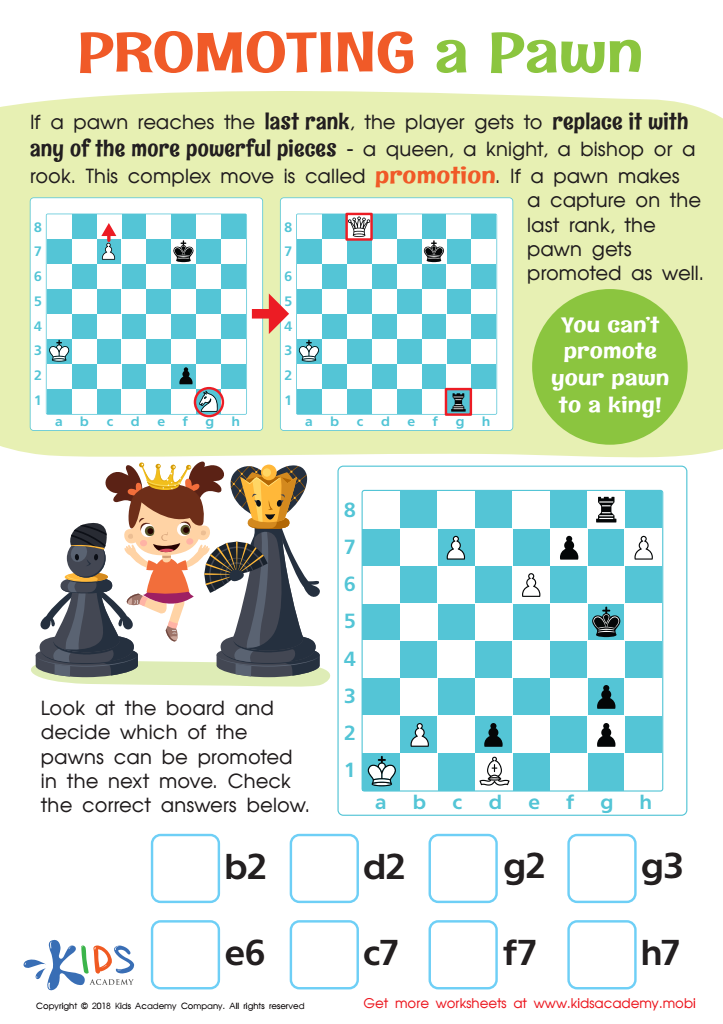
Promoting a Pawn Worksheet
 Assign to My Students
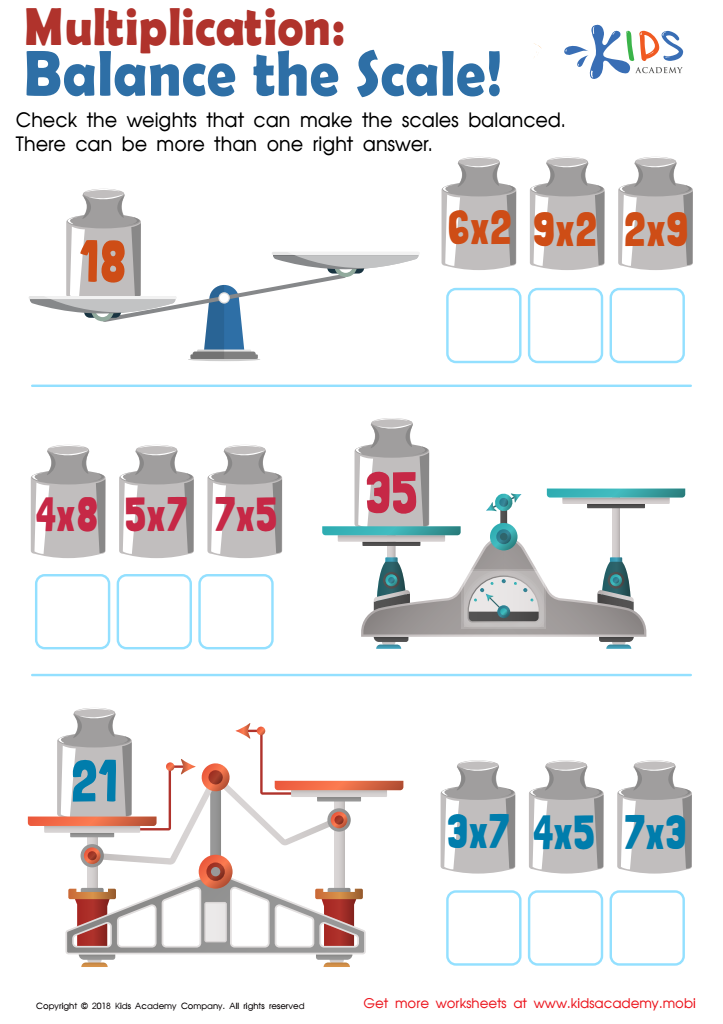
Balance the Scales Multiplication Worksheet
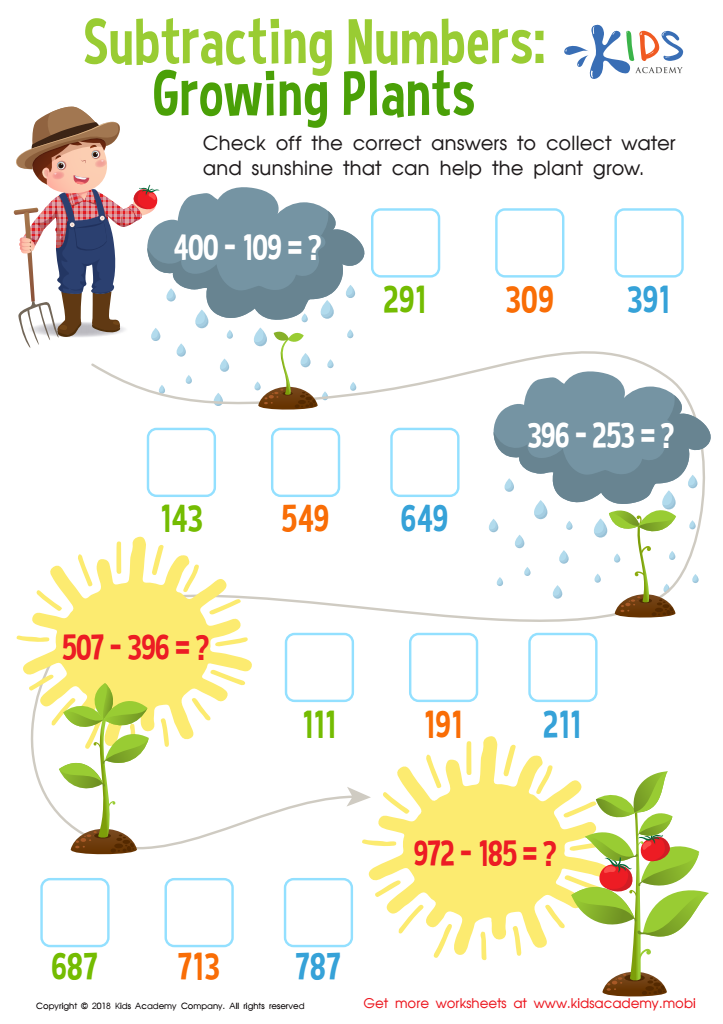
Subtracting Numbers: Growing Plants Worksheet
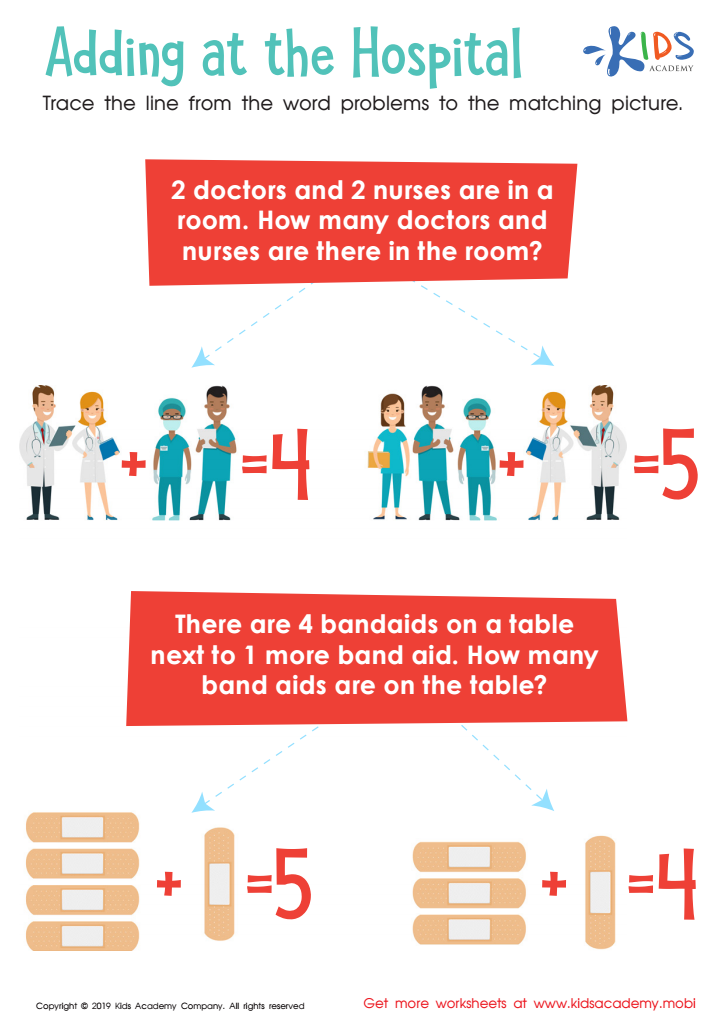
Adding at the Hospital Worksheet
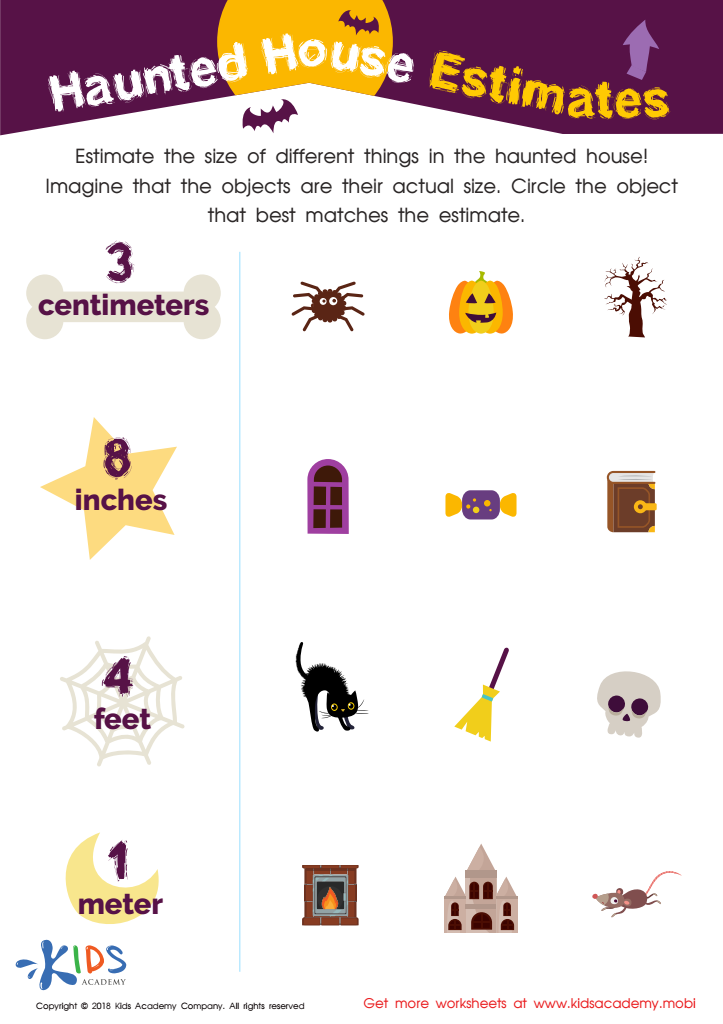
Haunted House Estimates Worksheet
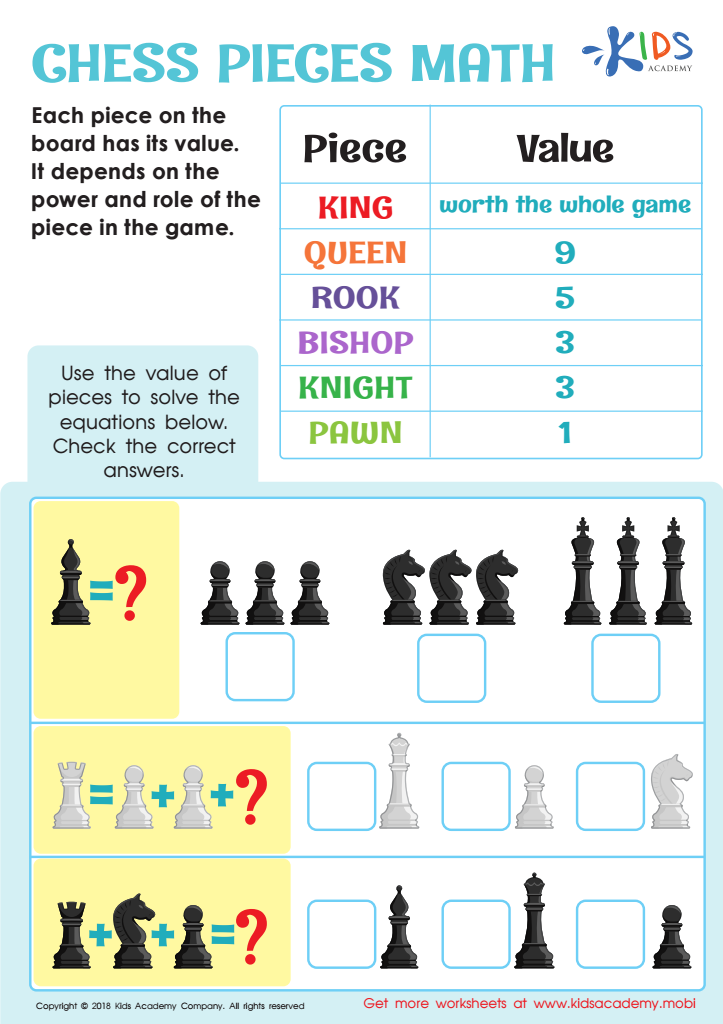
Chess Pieces Math Worksheet


.jpg)




Problem-solving abilities are crucial for 8-year-olds because they lay the foundation for cognitive development, emotional intelligence, and adaptability. At this age, children are growing cognitively, and problem-solving skills promote critical thinking and independent reasoning. These skills help children approach challenges methodically and creatively, leading to improved academic performance across subjects like math, science, and reading.
Parents and teachers should prioritize nurturing these abilities to help children build resilience. Effective problem-solving involves perseverance and learning from failures, fostering a growth mindset that values effort over innate ability. This mindset is instrumental for lifelong learning and overcoming obstacles.
Socially, problem-solving skills enhance cooperative play and interpersonal relationships. Children who can resolve conflicts and negotiate solutions positively interact with peers. Improved social skills lead to better classroom behavior and a more harmonious learning environment.
Furthermore, supporting problem-solving capabilities helps children adapt to new situations and encourages curiosity. Activities such as puzzles, games, and hands-on projects make learning engaging and fun, laying a robust educational foundation.
By paying attention to an 8-year-old's problem-solving development, parents and teachers can help cultivate well-rounded, independent, and competent individuals prepared to tackle the complexities of life intelligently and empathetically.








