Problem-Solving Skills Normal Measurement Worksheets for 8-Year-Olds
5 filtered results
-
From - To
Enhance your child’s problem-solving skills with our engaging Normal Measurement Worksheets designed specifically for 8-year-olds! These worksheets provide invaluable practice in applying measurement concepts and techniques to real-world scenarios, nurturing critical thinking and logical reasoning. Children will explore diverse problem-solving strategies through various interactive exercises, including word problems and practical applications related to length, weight, and volume. Ideal for reinforcing classroom learning, our worksheets encourage independent thinking while aligning with educational standards. Help your child develop confidence and proficiency in tackling measurement challenges, making learning both fun and effective. Access our collection today and watch their skills soar!
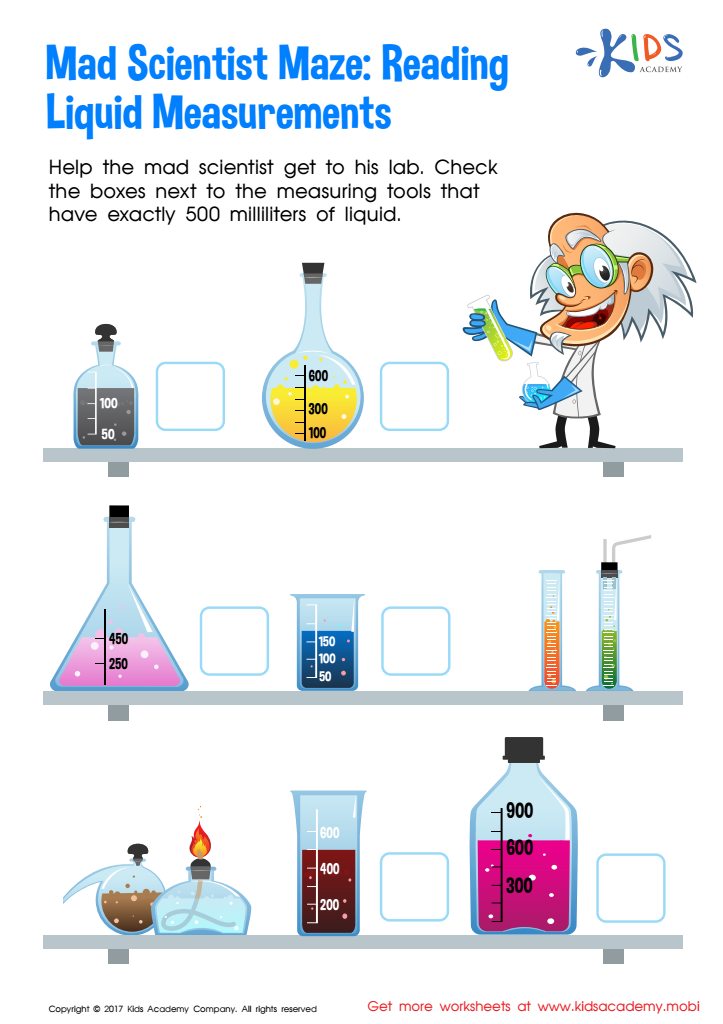
Reading Liquid Measurement Worksheet
 Assign to My Students
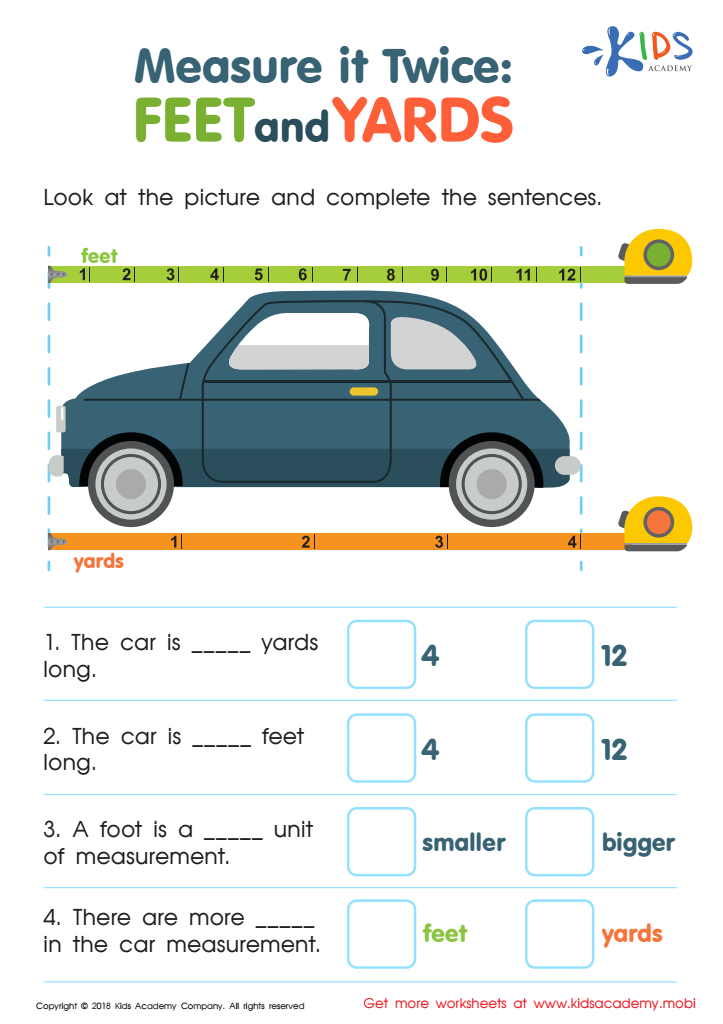
Measure It Twice: Feet and Yards Worksheet
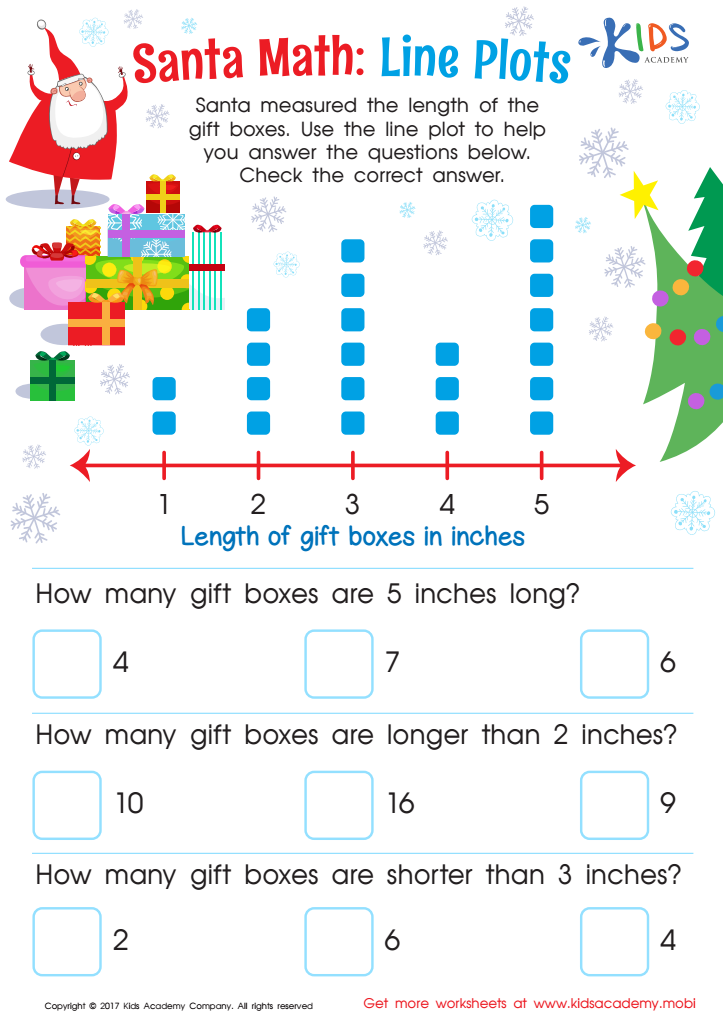
Line Plot Worksheet
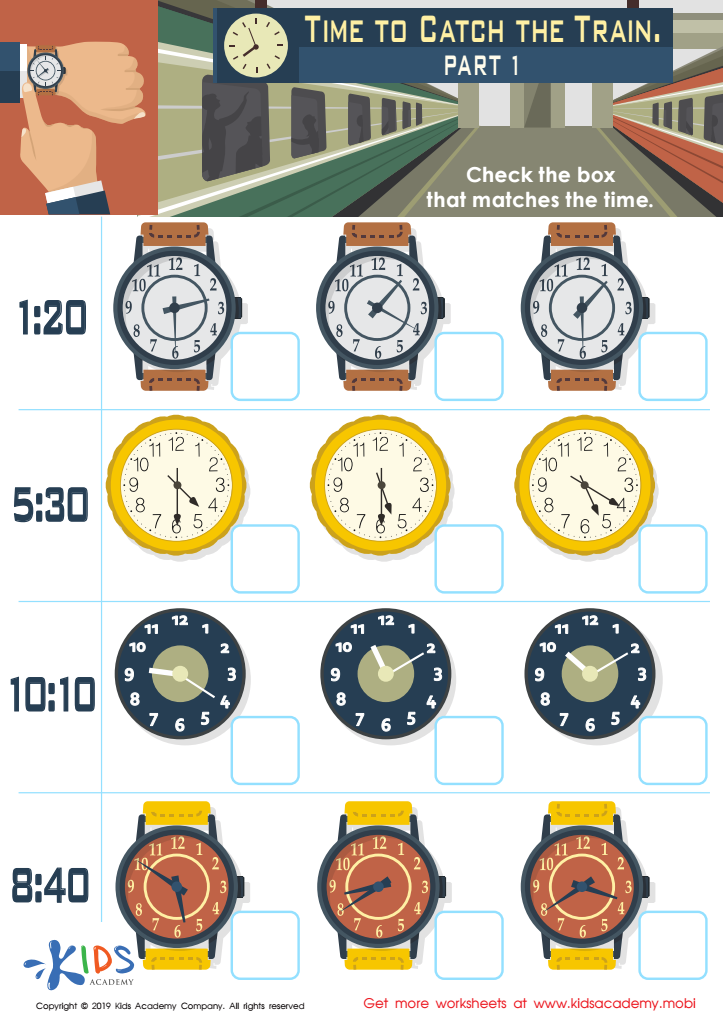
Time to Catch the Train Part 1 Worksheet
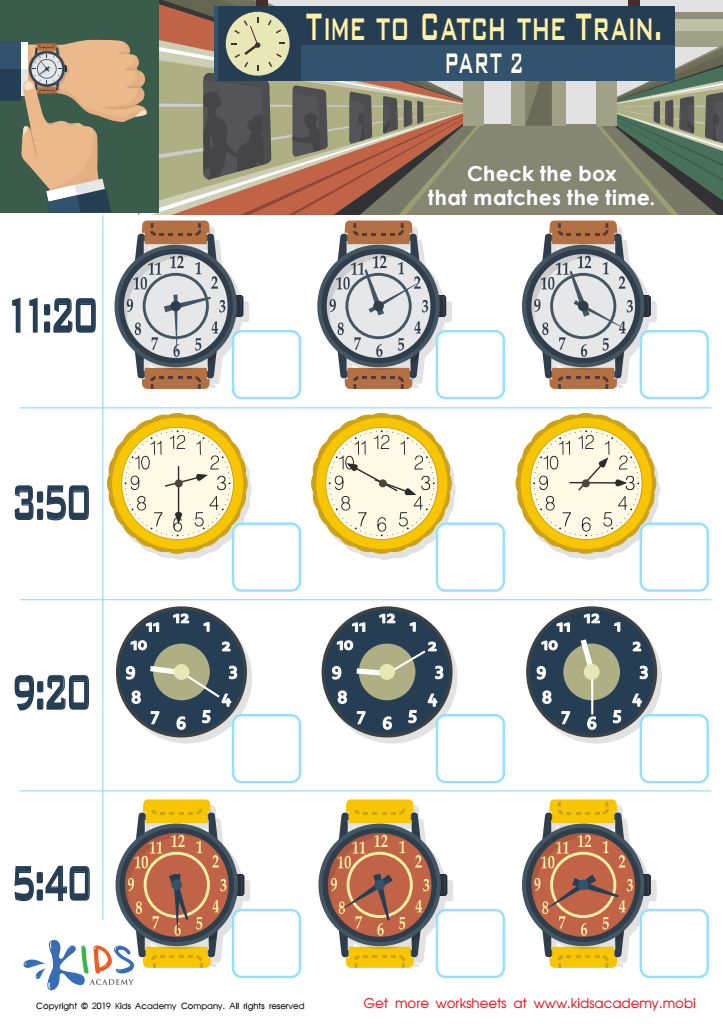
Time to Catch the Train Part 2 Worksheet








Parents and teachers should care about problem-solving skills measurement for 8-year-olds because these skills are foundational to children's cognitive development and future success. At this age, children are honing their critical thinking abilities, and effective problem-solving is crucial for academic and life challenges they will inevitably encounter.
By assessing these skills, parents and teachers gain valuable insights into a child's understanding and approach to different situations. They can identify areas where a child excels or may need additional support, tailoring education to better meet individual needs. Moreover, strong problem-solving skills foster resilience and creativity, equipping children to navigate obstacles confidently.
Monitoring problem-solving abilities also encourages active engagement. It motivates children to think independently and work collaboratively, skills that are essential in today's team-oriented society. Furthermore, early identification of difficulties can lead to timely interventions, helping to ensure that children remain on track academically and socially.
Ultimately, by prioritizing problem-solving skills, adults are not only nurturing a child's immediate learning outcomes but also contributing to their ability to adapt and thrive in a complex world, reinforcing the importance of a robust educational foundation.








