Visual Learning Normal Worksheets for 9-Year-Olds
3 filtered results
-
From - To
Discover our engaging Visual Learning Normal Worksheets designed specifically for 9-year-olds! These worksheets promote interactive and visual learning by incorporating colorful graphics, diagrams, and illustrations that aid comprehension and retention. Tailored to enhance skills in subjects like math, reading, and science, our resources encourage critical thinking and creativity. With a variety of activities, kids will enjoy exploring concepts visually, making learning both fun and effective. Perfect for classroom use or home study, our worksheets foster independent learning and cater to diverse learning styles. Get started on a visual learning adventure that sparks curiosity and builds confidence in young learners!
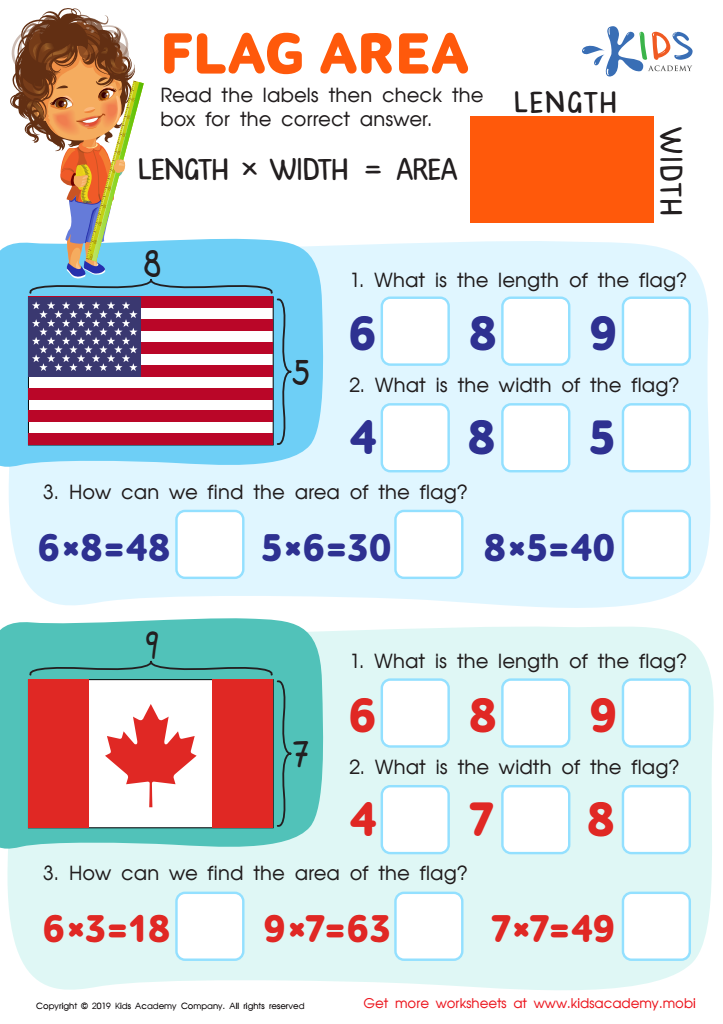
Flag Area Worksheet
 Assign to My Students
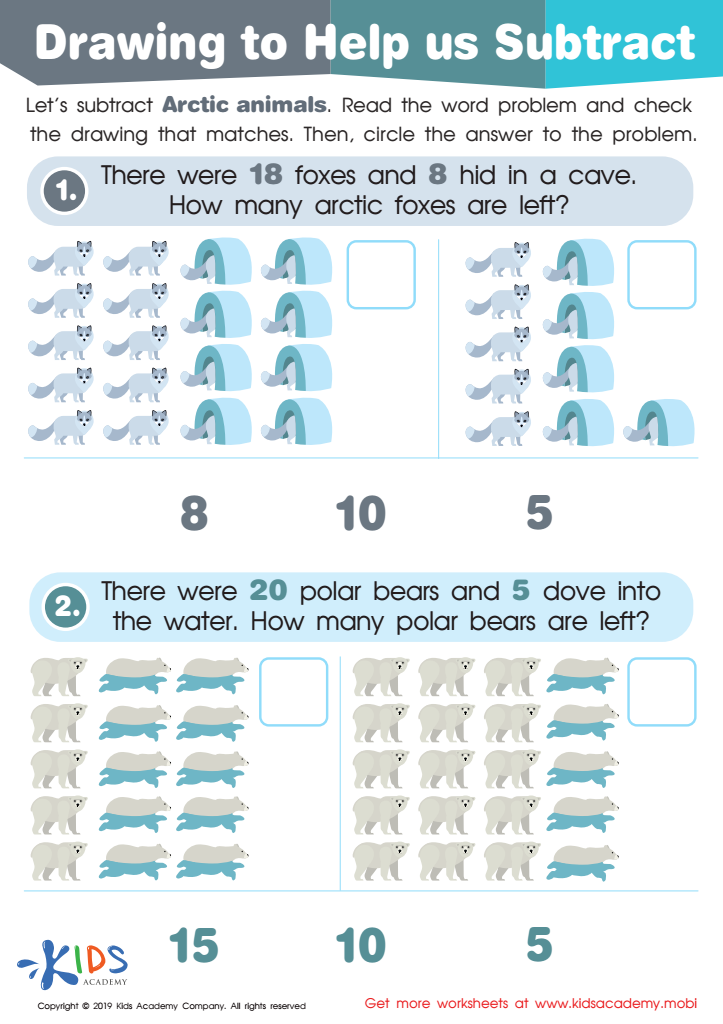
Drawing to Help Us Subtract Worksheet
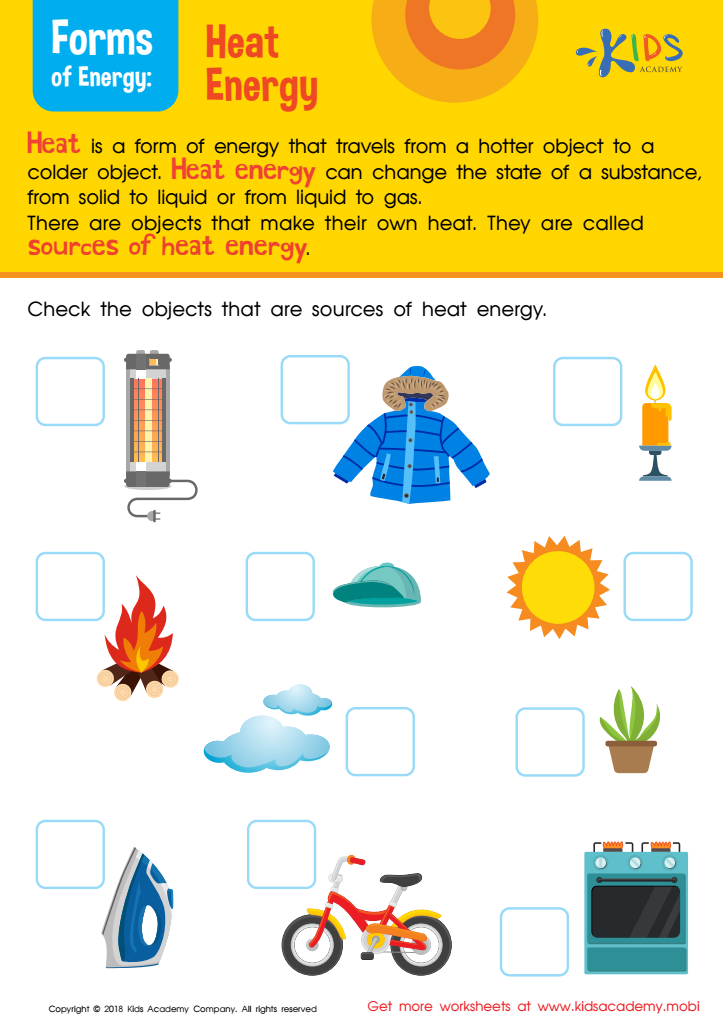
Sources of Heat Energy Worksheet







Visual learning is a crucial aspect of education for 9-year-olds, and both parents and teachers should prioritize it for several reasons. At this age, children's cognitive abilities are rapidly developing, and they often respond better to visual stimuli. Engaging visual methods—such as diagrams, charts, and videos—can enhance understanding and retention of complex concepts, making the learning experience more effective.
Furthermore, visual learning caters to diverse learning styles. Not all children absorb information the same way; some may grasp subjects better when presented visually rather than through text alone. Incorporating visual elements into lessons can help ensure that everyone is included, promoting equitable learning environments for all students.
Additionally, visual learning fosters creativity and critical thinking. Activities like drawing, mapping ideas, or interpreting infographics encourage children to express themselves and analyze information spontaneously. This not only aids academic achievement but also nurtures skills necessary for future societal contributions.
By acknowledging the significance of visual learning, parents and teachers can enhance educational success, build confidence in learners, and ignite a lifelong love of learning. As children thrive in these enriched environments, they are better prepared to tackle academic challenges and develop essential life skills.








