Cognitive Development Normal Alphabet Worksheets
7 filtered results
-
From - To
Boost your child's cognitive abilities with our Cognitive Development Normal Alphabet Worksheets! These expertly designed printables engage young minds in a fun and educational way, enhancing letter recognition, fine motor skills, and early literacy. Perfect for preschoolers and kindergarteners, our worksheets feature vibrant illustrations and interactive exercises that make learning the alphabet an enjoyable adventure. Each activity is crafted to promote critical thinking and problem-solving, ensuring your child develops a solid foundation for future academic success. Discover endless learning possibilities and watch your little one's cognitive skills flourish with our thoughtfully created alphabet worksheets!
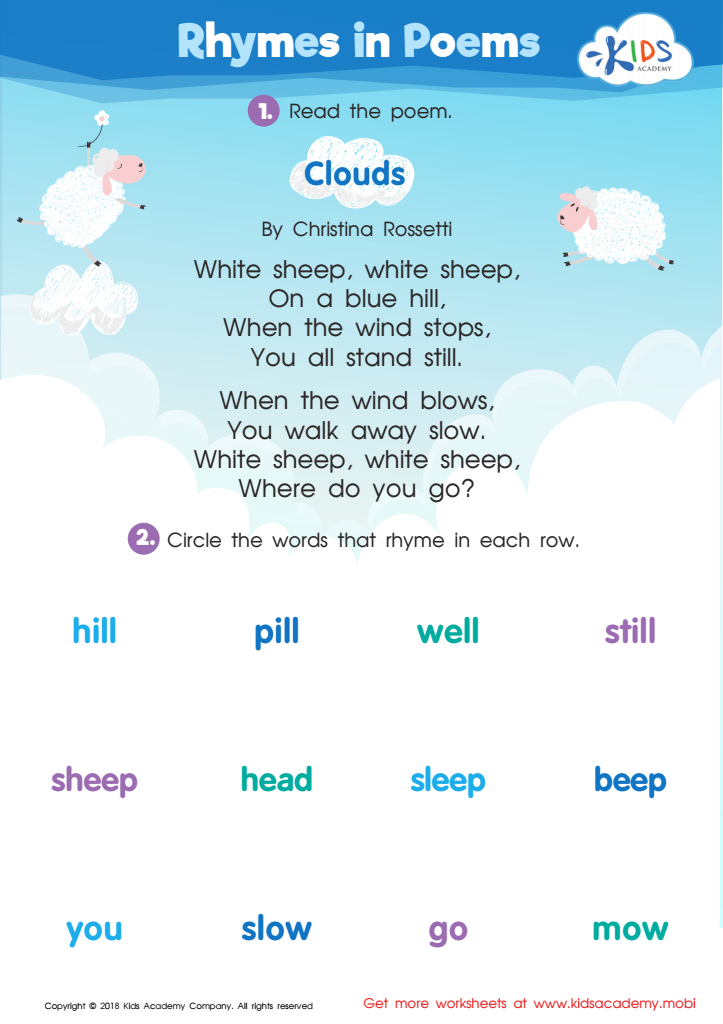
Rhymes in Poems Worksheet
 Assign to My Students
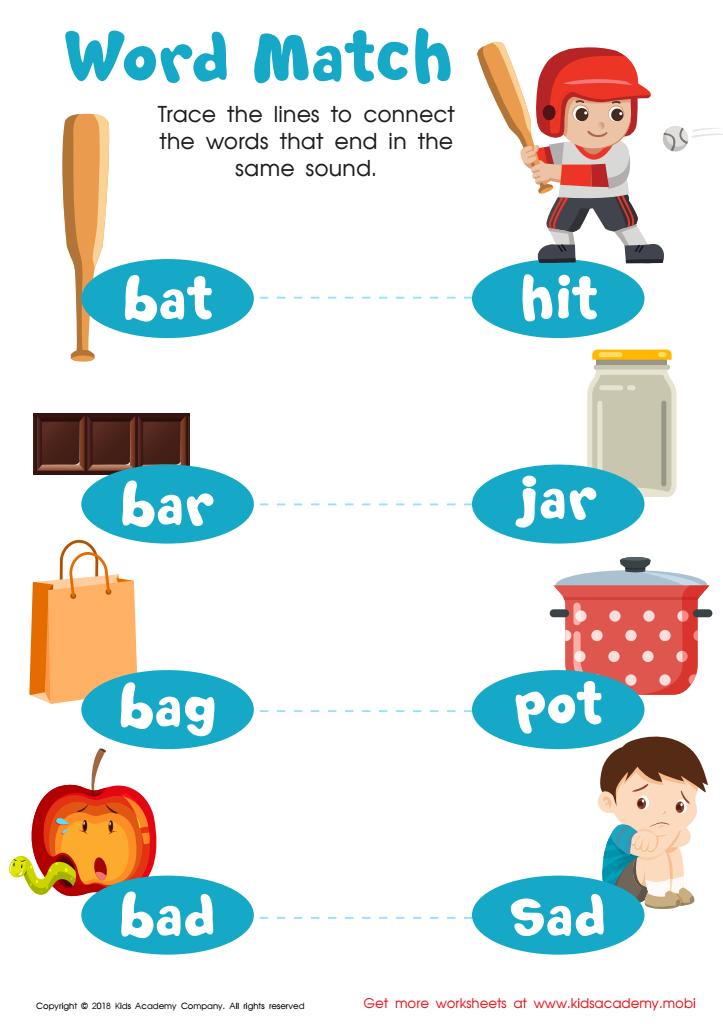
Word Match Reading Worksheet
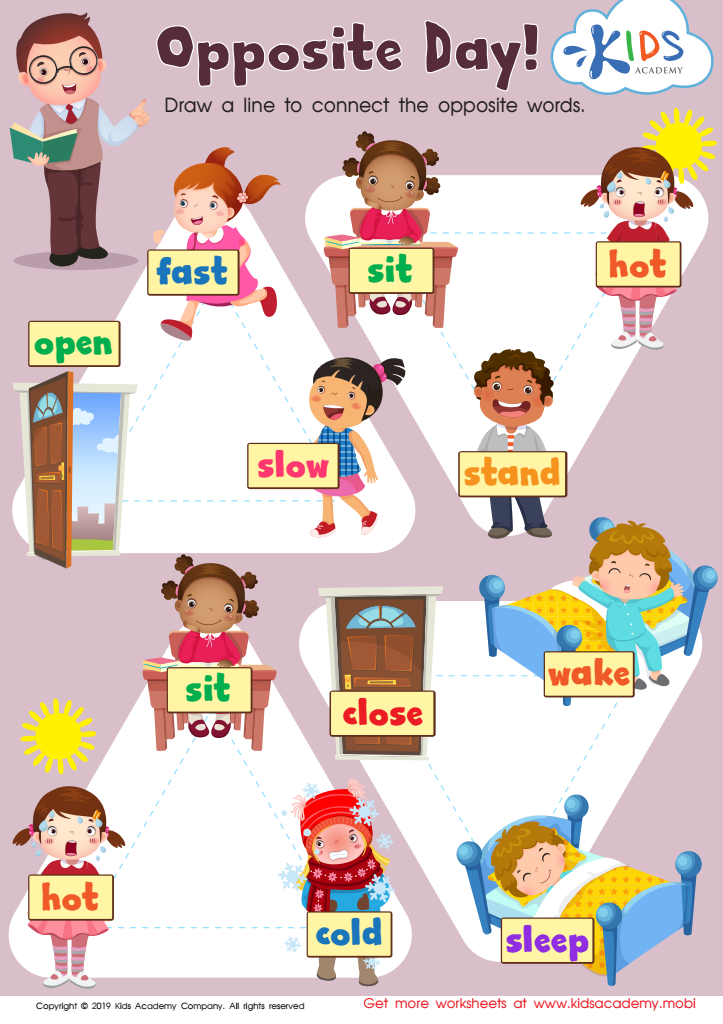
Opposite Day Worksheet
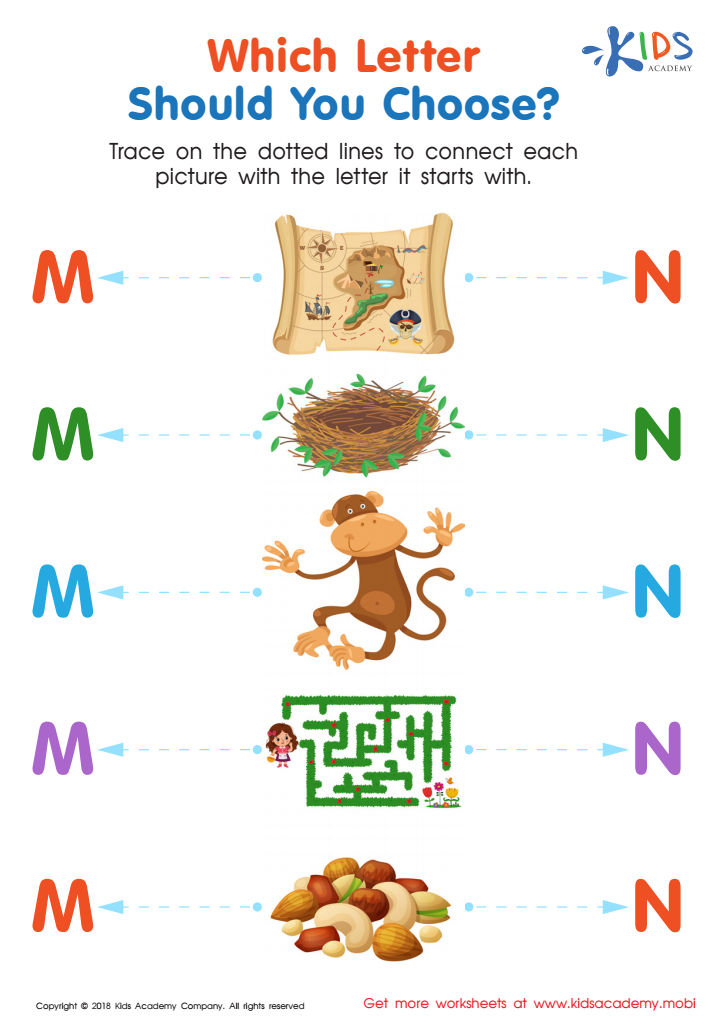
Which Letter Should you Choose? Worksheet
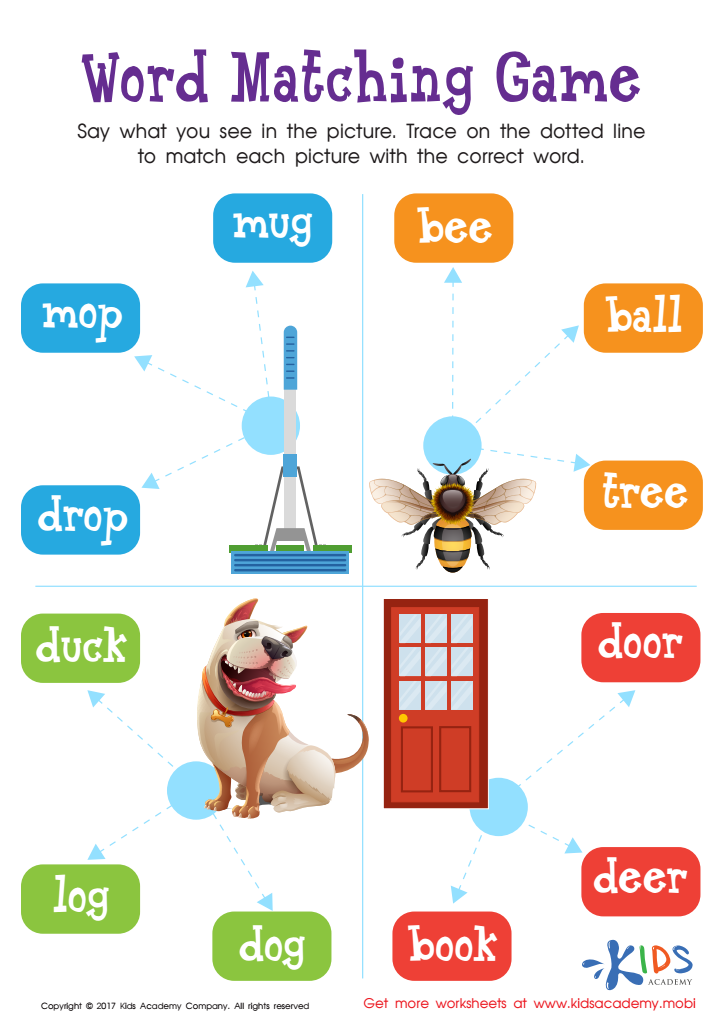
Word Matching Game Worksheet
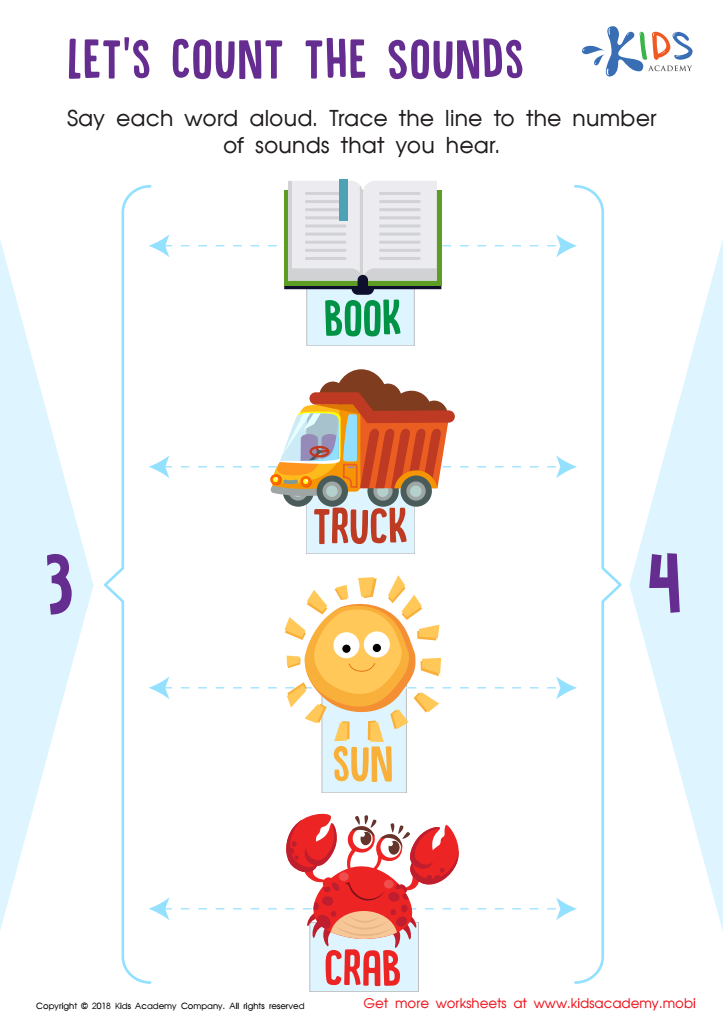
Let's Count the Sounds Worksheet
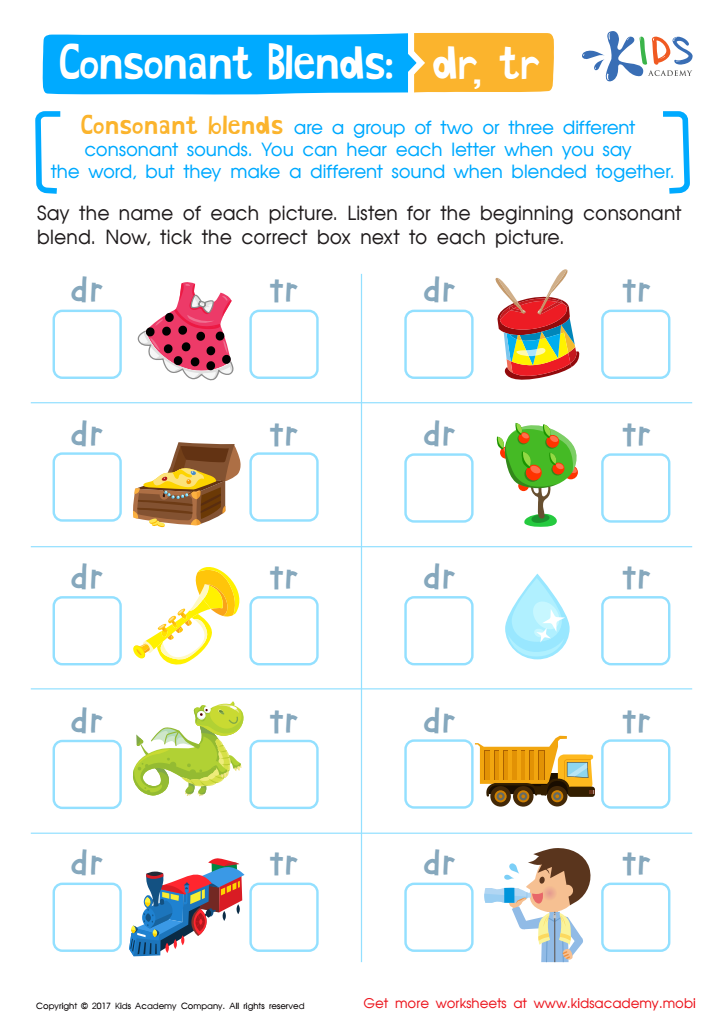
Consonant Blends: "Dr" and "Tr" Printable





.jpg)
Parents and teachers should care about Cognitive Development Normal Alphabet (CDNA) because it forms the foundation of children's intellectual growth and learning capabilities. CDNA involves the child's ability to think, understand, learn, and remember. In the early stages, mastering the alphabet is a critical milestone that impacts language acquisition, reading skills, and overall cognitive development.
Firstly, understanding the alphabet equips children with essential reading and writing skills. Recognizing letters and their corresponding sounds forms the basis for phonemic awareness, a key predictor of decoding and spelling abilities. Engaging with the alphabet strengthens neural pathways, enhances memory, and boosts brain development, fostering better academic performance in future grades.
Secondly, learning the alphabet stimulates broader cognitive skills such as attention, categorization, and processing speed. Children learn to recognize patterns and develop reasoning abilities, which are crucial for problem-solving and critical thinking. Interaction with alphabet activities—like singing alphabet songs, playing letter recognition games, or practicing writing—also hones fine motor skills.
Lastly, the early learning environment plays a significant role in a child’s social and emotional development. Shared activities around the alphabet provide opportunities for bonding, communication, and cooperative play, fostering a positive attitude towards learning. By prioritizing CDNA, parents and teachers can ensure a well-rounded developmental trajectory, setting children on a path toward lifelong learning and success.







