Letter recognition Normal Letter Sounds Worksheets
14 filtered results
-
From - To
Enhance your child’s early literacy skills with our engaging Letter Recognition Normal Letter Sounds Worksheets! Designed for preschool and kindergarten learners, these worksheets provide a fun, interactive way to help children recognize letters and associate them with their corresponding sounds. Each activity encourages critical thinking and fine motor skills, making learning enjoyable. With vibrant designs and easy-to-follow instructions, our resources cater to various learning styles, ensuring every child can flourish. Perfect for classroom activities or at-home practice, these worksheets lay a strong foundation for reading success. Explore our collection today and watch your child’s confidence blossom as they master letter recognition!
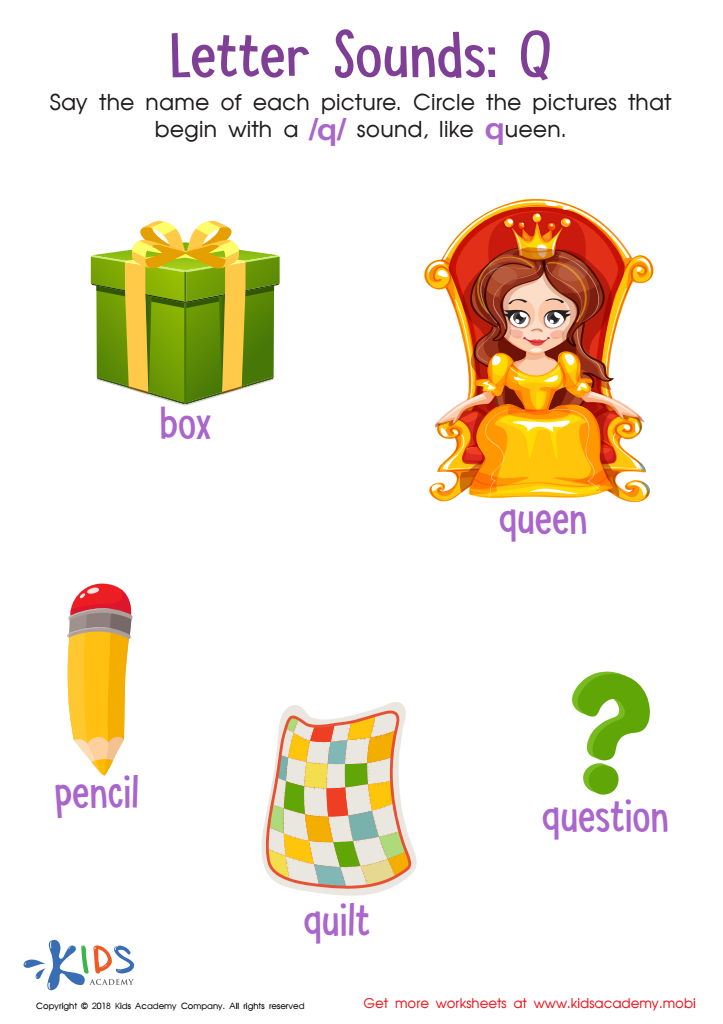
Letter Q Sounds Worksheet
 Assign to My Students
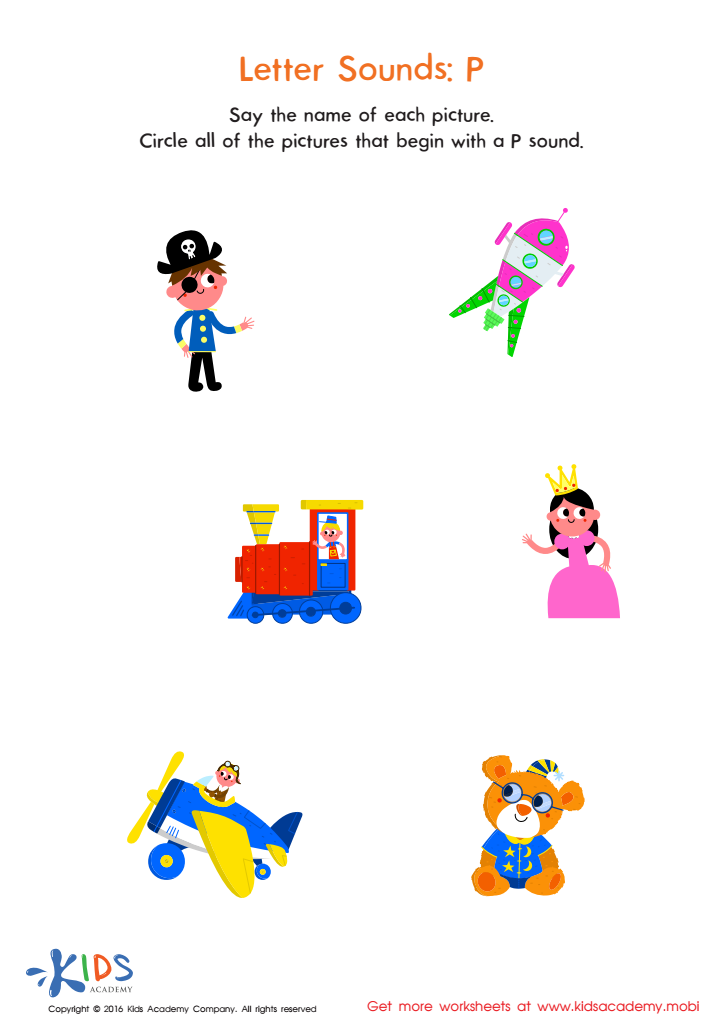
Letter P Sound Worksheet
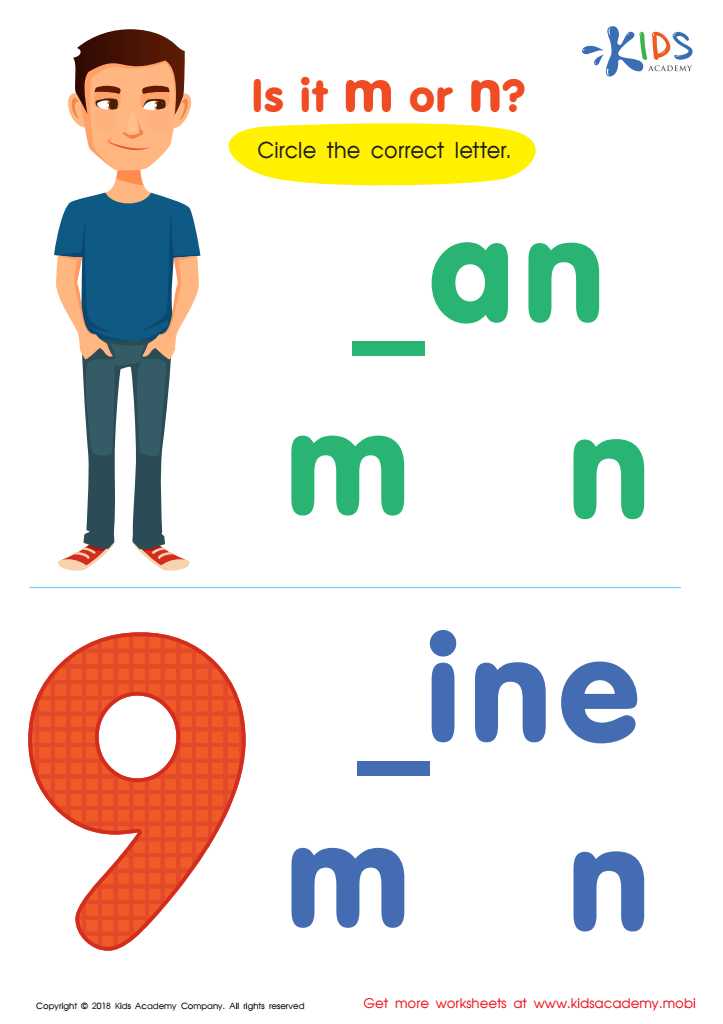
Is It m or n? Worksheet
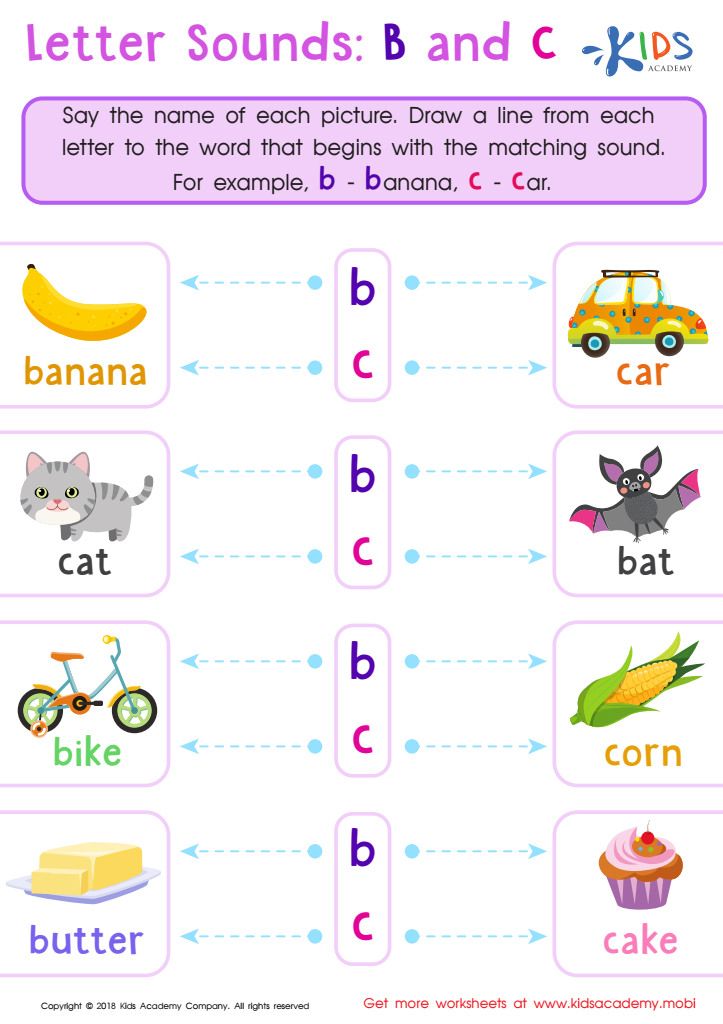
Letter B and C Sounds Worksheet
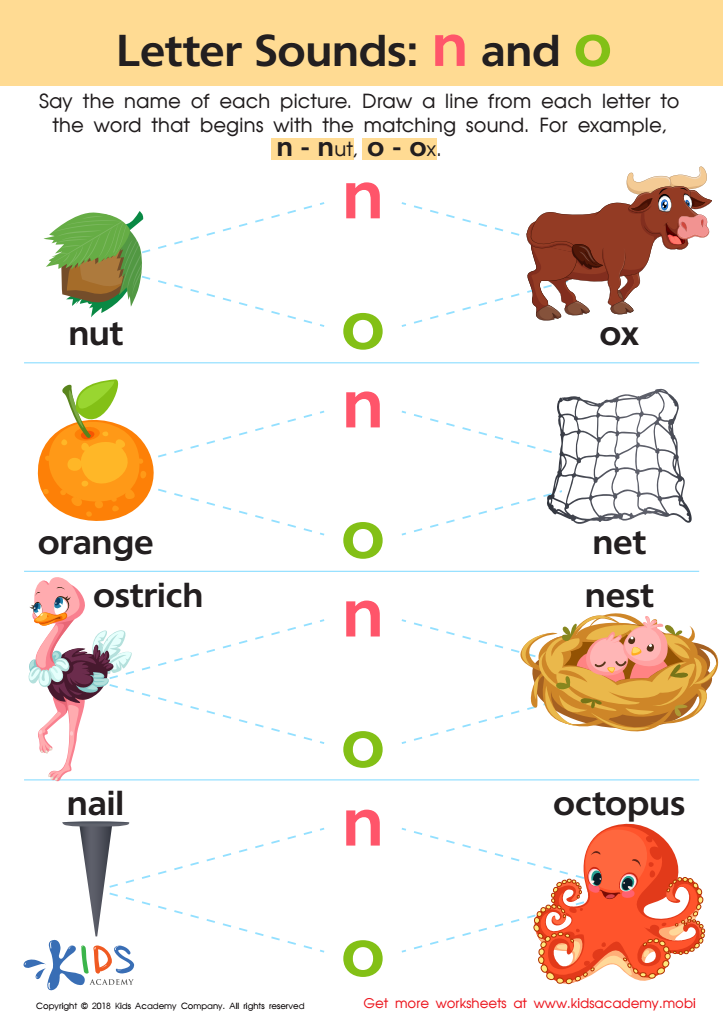
Letter N and O Sounds Worksheet
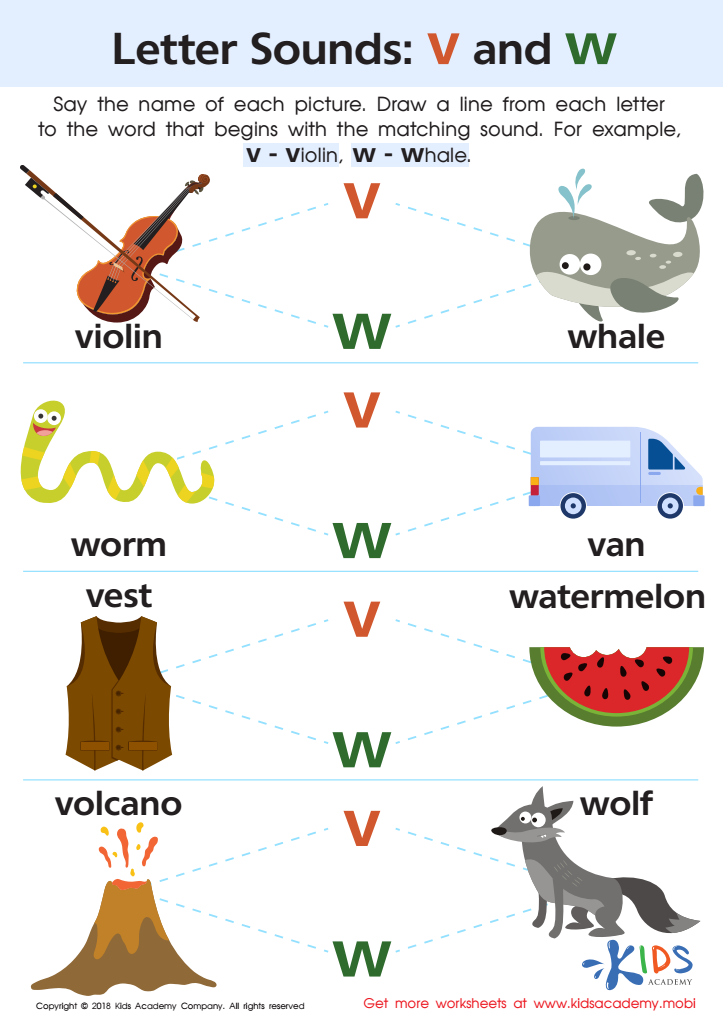
Letter V and W Sounds Worksheet
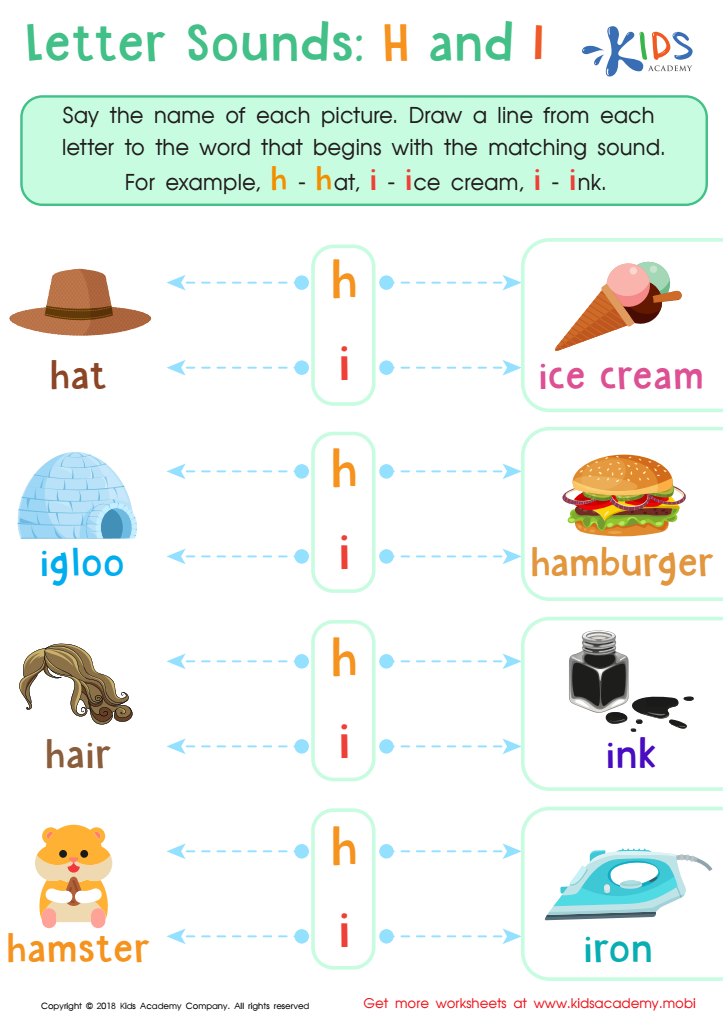
Letter H and I Sounds Worksheet
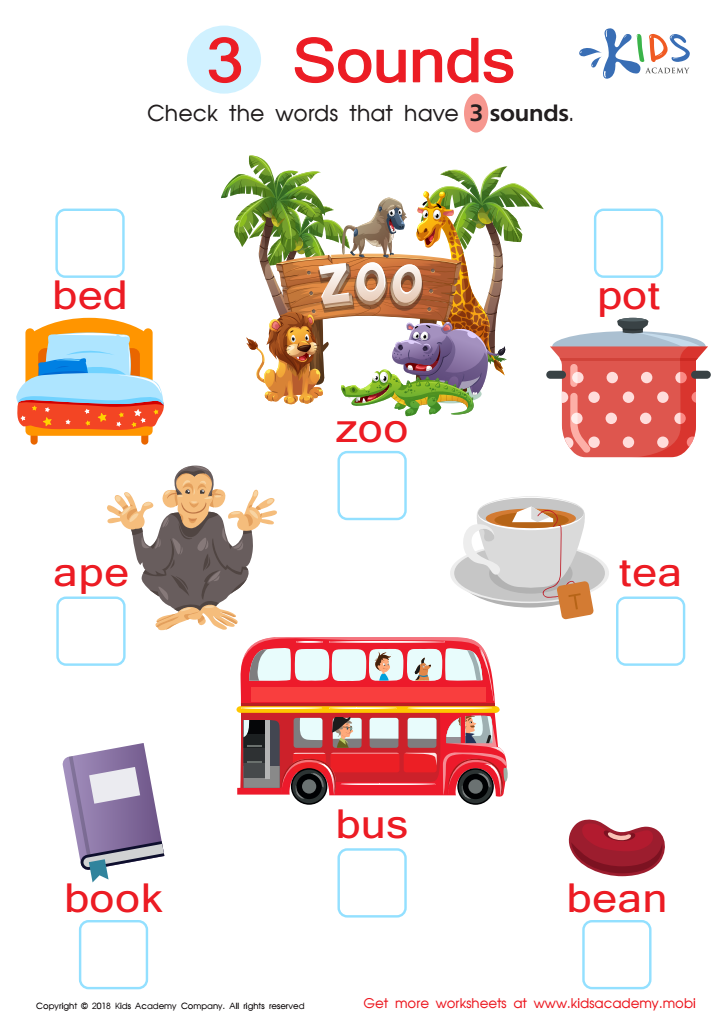
3 Sounds Worksheet
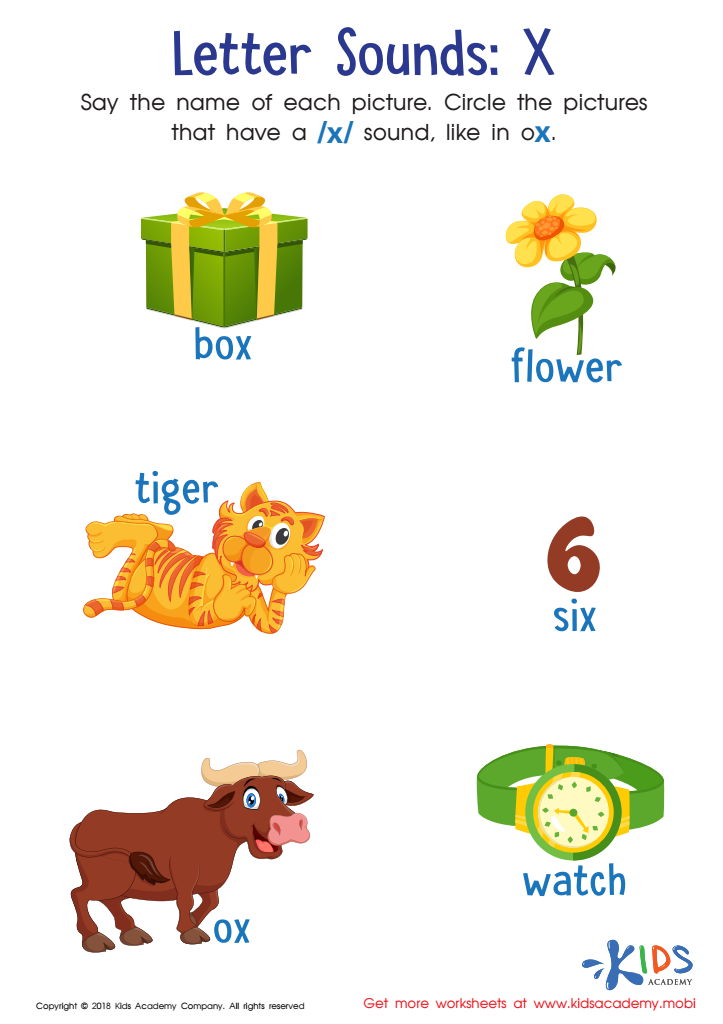
Letter X Sounds Worksheet
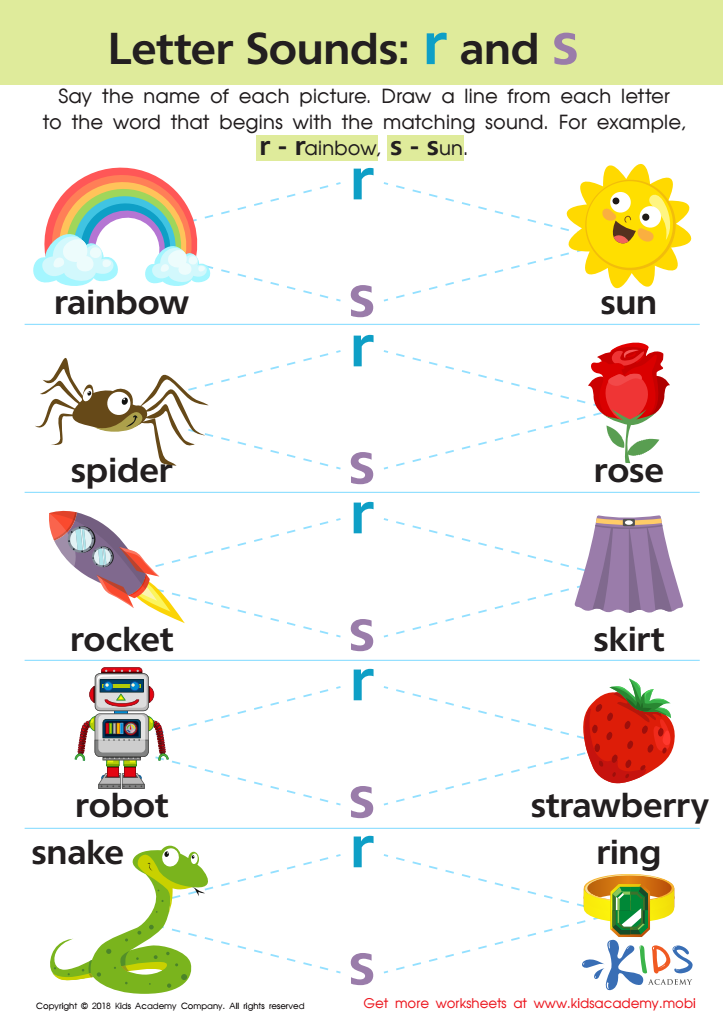
Letter R and S Sounds Worksheet
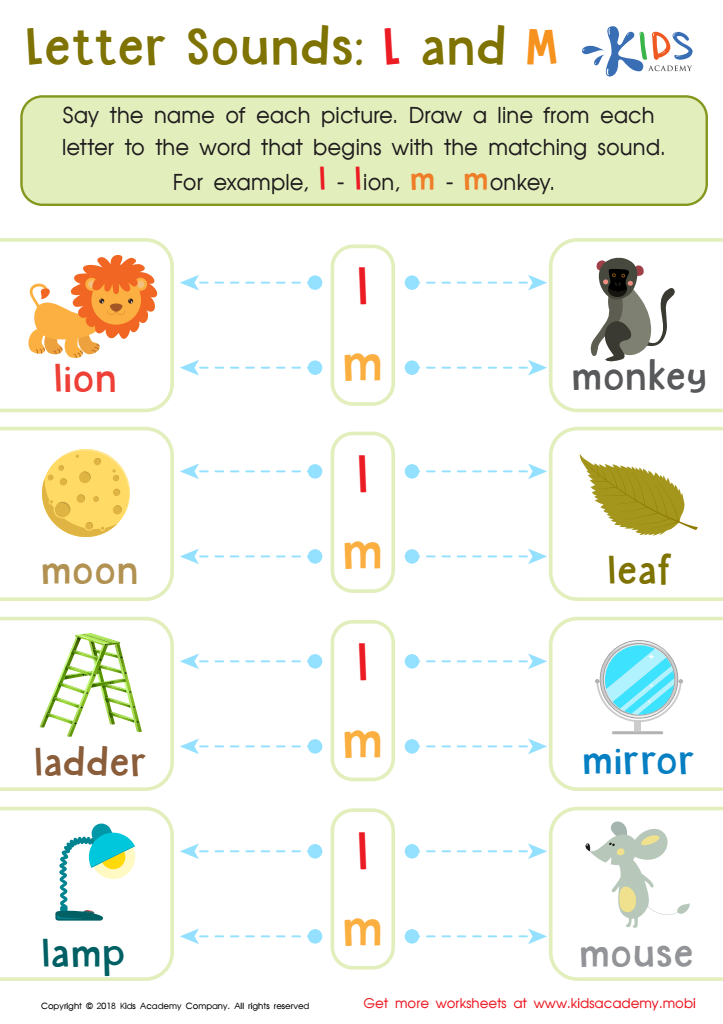
Letter l and M Sounds Worksheet
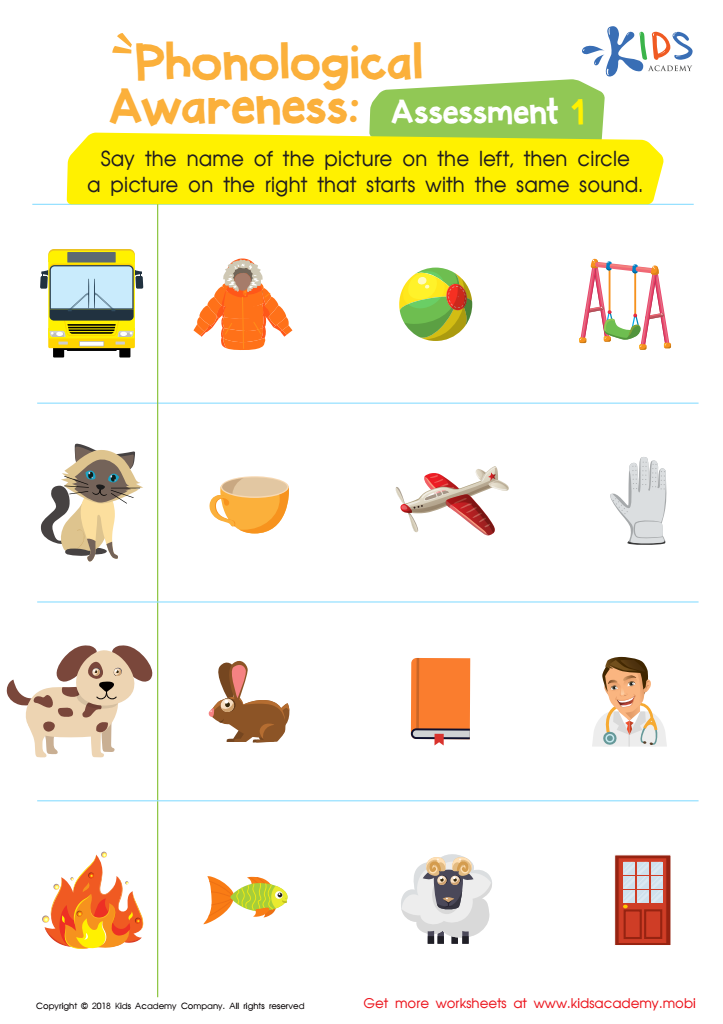
Phonological Awareness: Assessment 1 Worksheet
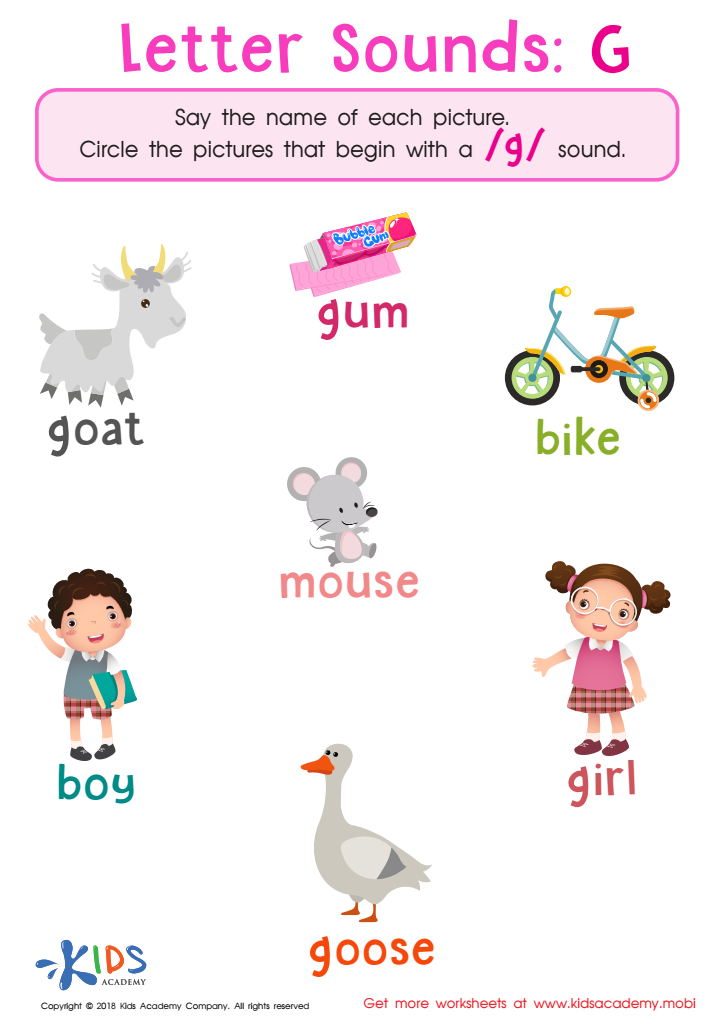
Letter G Sounds Worksheet
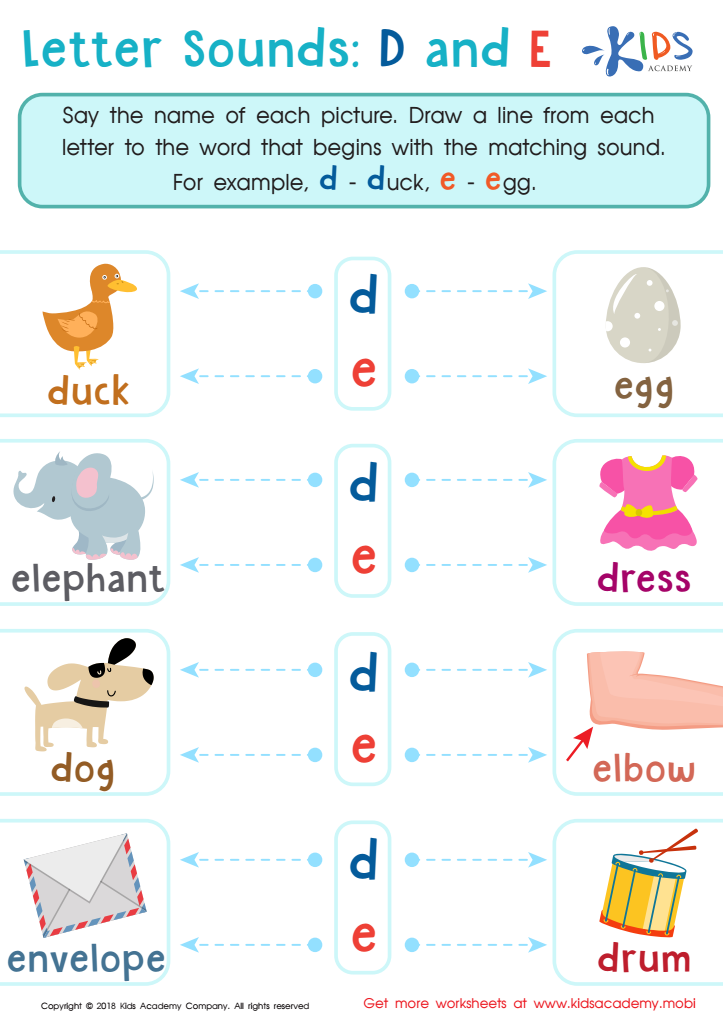
Letter D and E Sounds Worksheet








Letter recognition and normal letter sounds are foundational skills crucial for early literacy development in children. Parents and teachers should care about these skills because they lay the groundwork for future reading and writing abilities.
Firstly, recognizing letters helps children identify and distinguish between different characters in written language. This ability is essential for decoding words, allowing children to read fluently and comprehend text effectively. When students are familiar with the shapes and names of letters, they can more easily associate sounds with those letters, facilitating the process of sounding out words.
Normal letter sounds, or the phonetic sounds associated with each letter, are vital for building phonemic awareness. This skill enables children to hear, identify, and manipulate sounds in spoken language, which significantly aids in spelling and writing. Understanding the connection between letters and their corresponding sounds empowers children to approach unfamiliar words with confidence, boosting their reading skills.
Moreover, fostering these skills encourages a love for reading and learning, as children begin to recognize patterns and gain autonomy with language. By prioritizing letter recognition and sound knowledge, parents and teachers contribute to a strong literacy foundation that can influence a child's academic success and lifelong reading habits.






