Phonics Skills Normal Vowels Worksheets - Page 2
30 filtered results
-
From - To
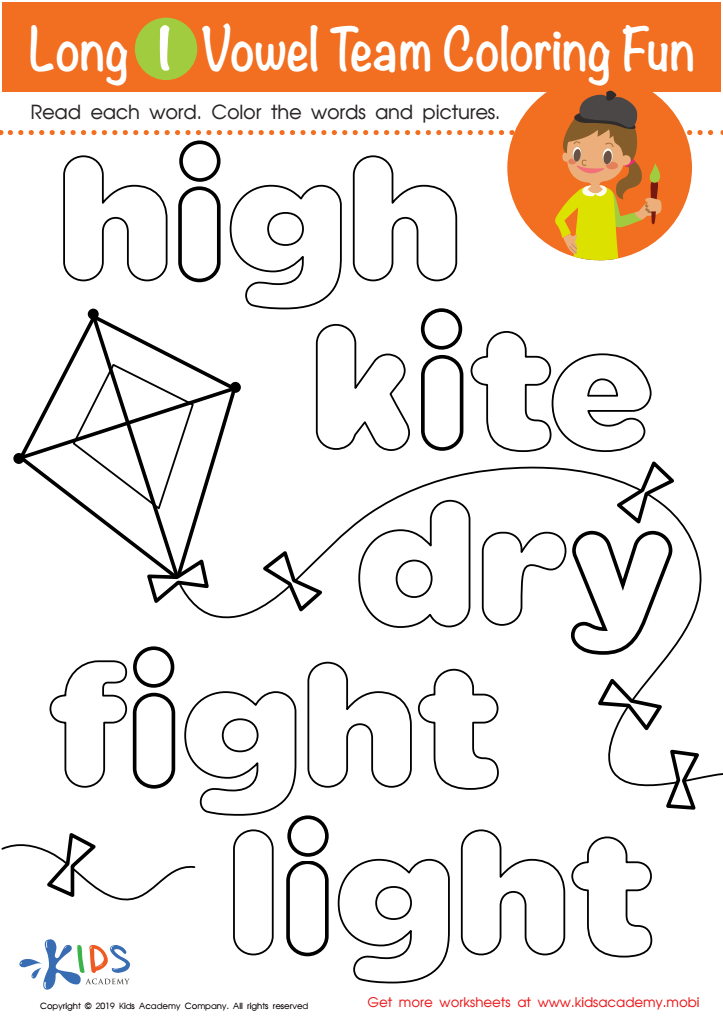
Long I Vowel Team Coloring Worksheet
 Assign to My Students
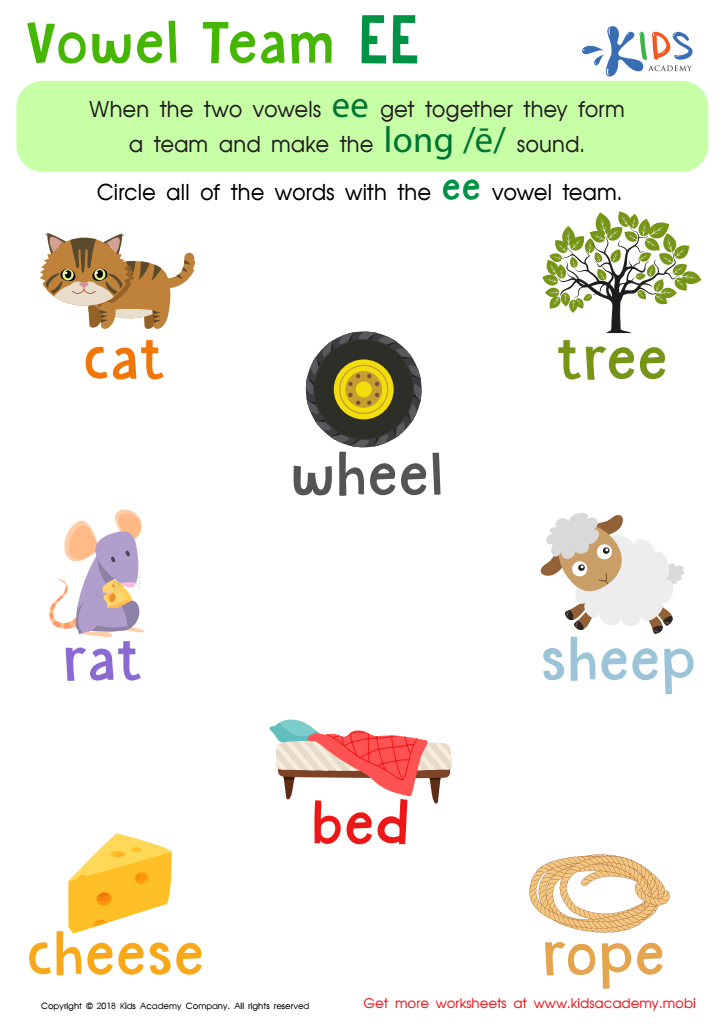
Reading: Vowel Team EE Worksheet
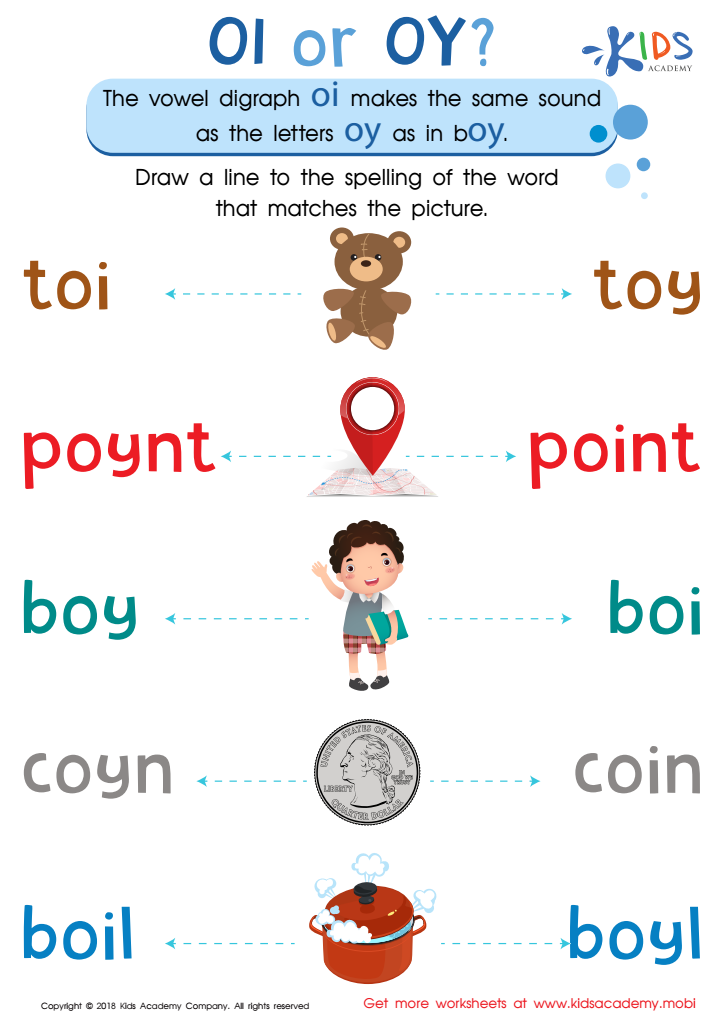
Reading: OI and OY Worksheet
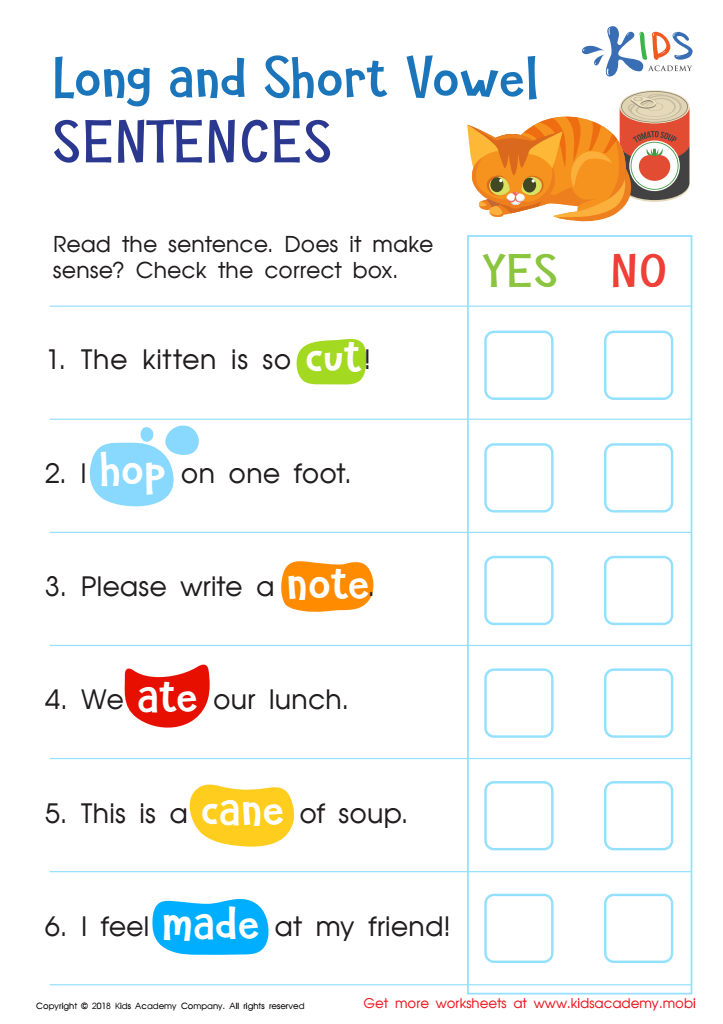
Long and Short Vowel Sentences: Assessment Worksheet
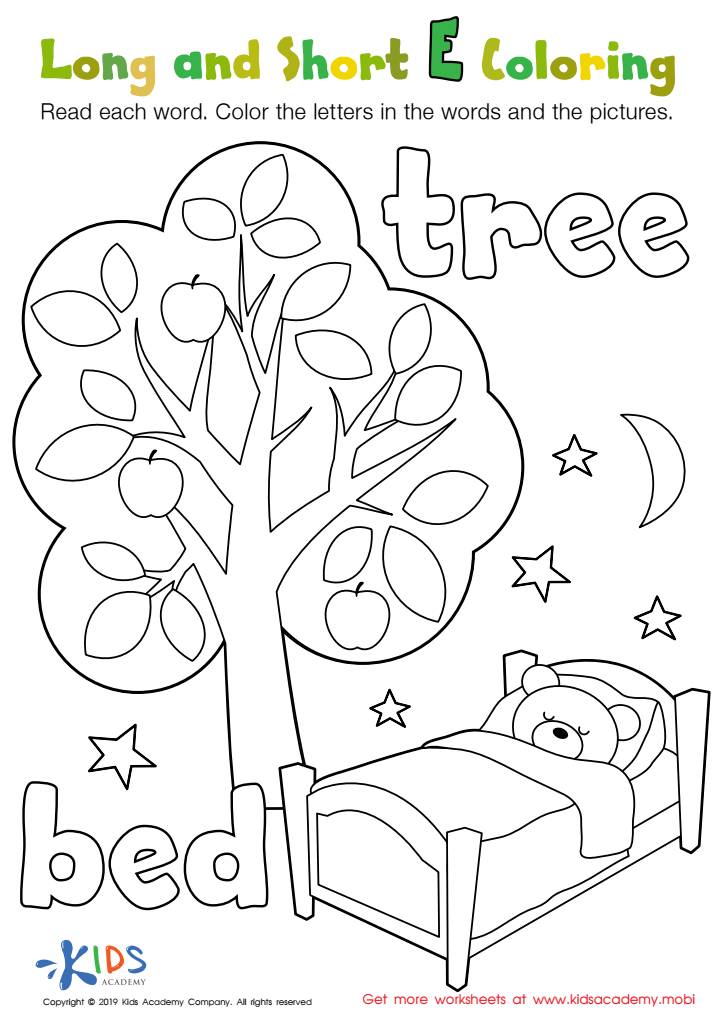
Long and Short E Worksheet
Assign to My Students
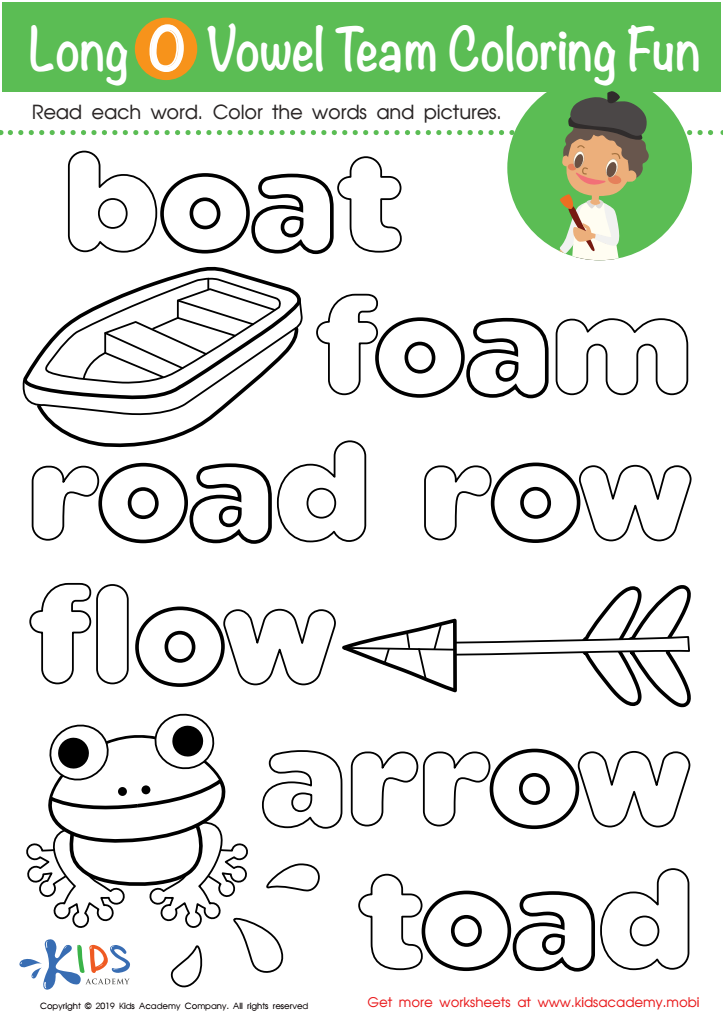
Long O Vowel Team Coloring Worksheet
Assign to My Students





Understanding and fostering phonics skills, particularly normal vowels, is crucial for early readers. Phonological awareness forms the foundation of reading proficiency, and vowels play a significant role in word construction and pronunciation.
Normal vowels, which include 'a,' 'e,' 'i,' 'o,' and 'u,' are the building blocks of our language. Each vowel has a short and a long sound, and mastering these sounds helps children decode words, which is essential for reading fluency. When students recognize that, for example, the letter 'a' can sound like /a/ in cat (short 'a') or /ā/ in cake (long 'a'), they can apply this knowledge to read new words confidently.
Children who develop strong phonics skills can more easily sound out words, leading to increased reading comprehension and a deeper enjoyment of reading. Without a solid understanding of vowels, students may struggle with spelling, grammar, and even writing activities, causing frustration and delays in literacy development.
Furthermore, parents and teachers who actively engage in teaching and reinforcing phonics are providing the tools necessary for children to succeed academically. By spending time focusing on vowel sounds and their variations, they lay down a path for their children to become proficient readers, capable of accessing a wide range of educational resources and opening up opportunities for lifelong learning.