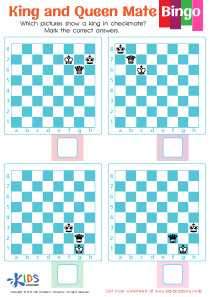
Problem-Solving Skills Normal Chess Worksheets
6 filtered results
Difficulty Level
Grade
Age
-
From - To
Subject
Activity
Standards
Enhance your child's critical thinking with our engaging Problem-Solving Skills Normal Chess Worksheets! Tailored for young learners, these worksheets combine the strategic game of chess with essential problem-solving exercises. Each carefully crafted activity encourages kids to think creatively and develop logical reasoning while having fun. By navigating various chess scenarios, children will improve their decision-making skills and enhance their ability to analyze situations from different perspectives. Perfect for both home and classroom settings, our worksheets offer a unique way to build cognitive abilities in an enjoyable format. Your child will gain confidence and skills they can use in everyday challenges!
Favorites
With answer key
Interactive
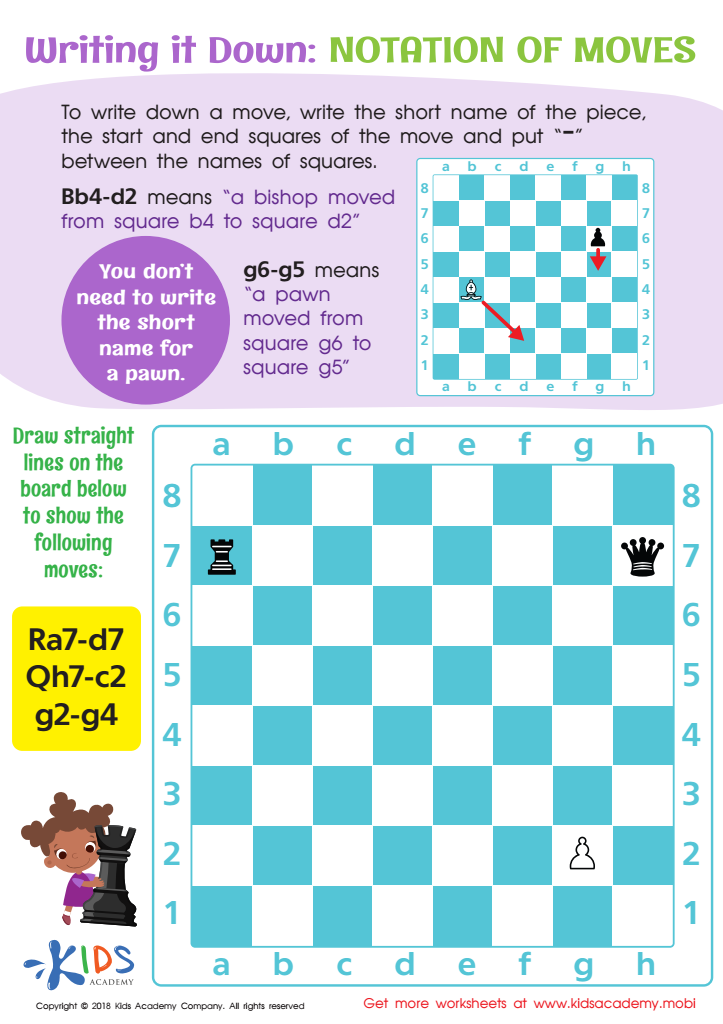
Notation of Moves Writing it Down Worksheet
Notating chess moves can be tricky for kids to learn. This worksheet will help them better understand it. To notate a move, write the piece's short name, start and end squares, and separate them with a "-". For instance, Bd4-d2 means a bishop moved from b4 to d2. No need to write pawns' short names.
 Assign to My Students
Notation of Moves Writing it Down Worksheet
Worksheet
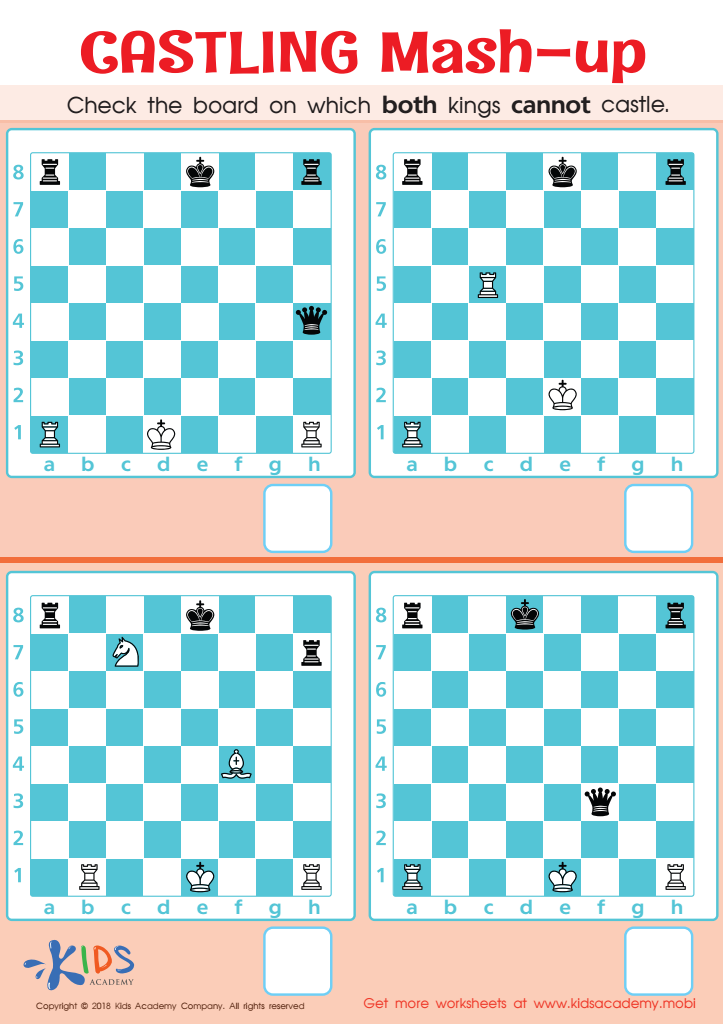
Castling Mash–up Worksheet
Before starting the worksheet, ensure your child understands castling in chess. If not, take time to explain it. Once they have a clear grasp of the rules, help them complete the exercise. Check the board to ensure that neither king can castle.
Castling Mash–up Worksheet
Worksheet
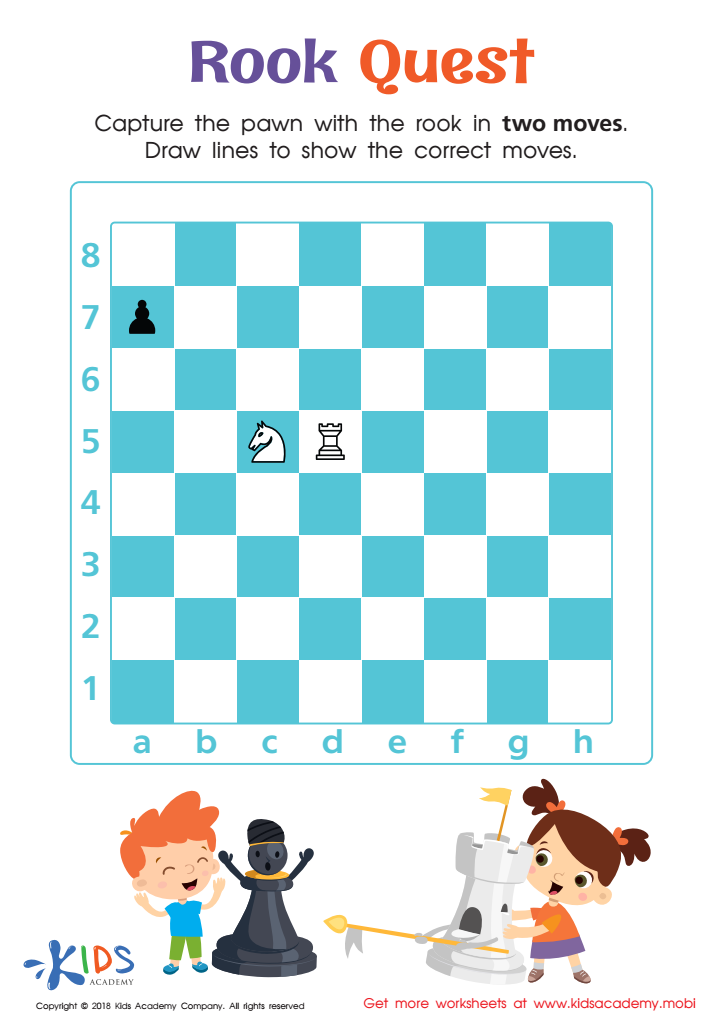
Rook Quest Worksheet
Is your child a chess whiz? Check their progress with this rook quest: get the enemy's pawn piece in just two moves. Have them draw the lines for the moves they'll make. See how quickly they master it!
Rook Quest Worksheet
Worksheet
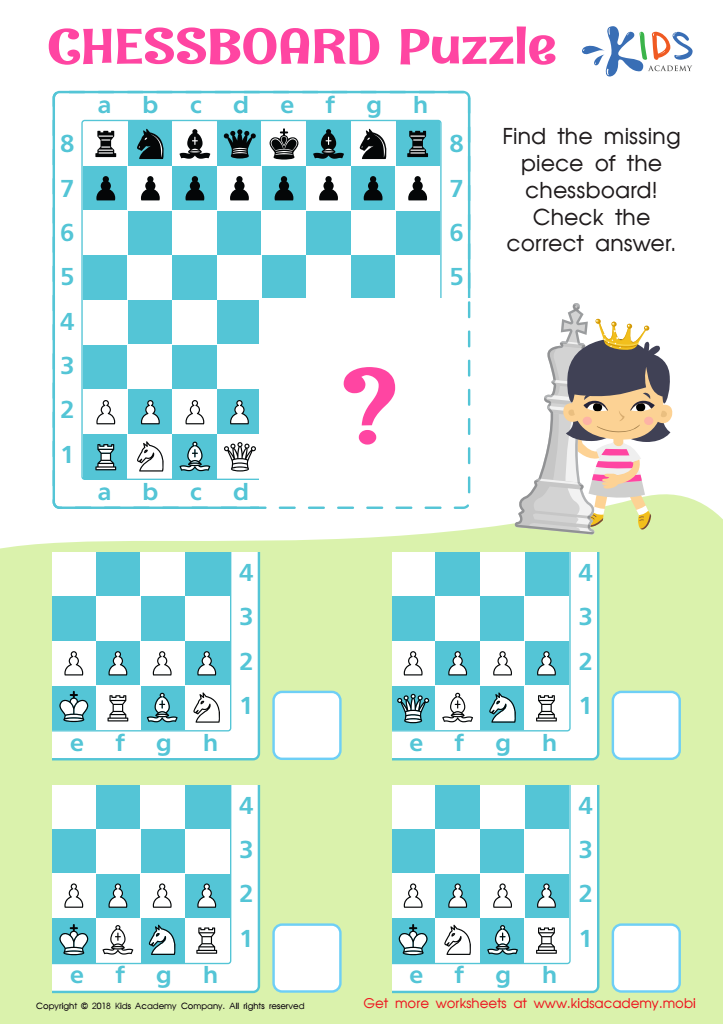
Chessboard Puzzle Worksheet
Test your child's chess prowess with this simple worksheet. They must find the missing pieces to complete the white side of an empty chessboard. The black pieces are already arranged properly on the board. Correct answers are provided so you can see how they did!
Chessboard Puzzle Worksheet
Worksheet
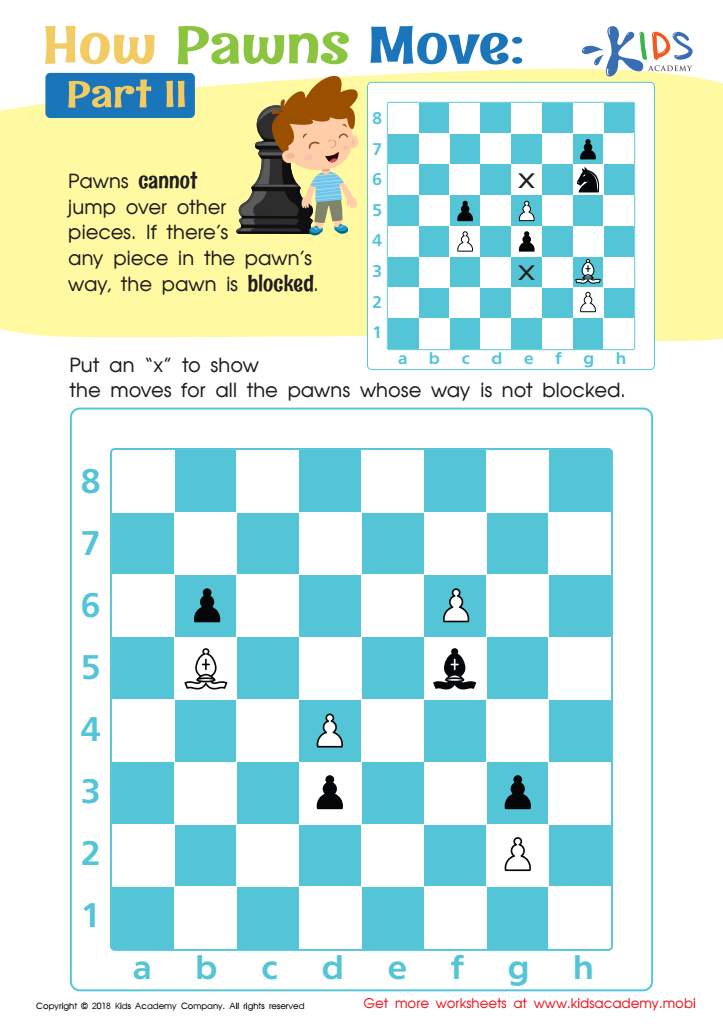
How Pawns Move: Part II Worksheet
Pawns are the first to attack in chess and each player has the most pieces. They can't jump over other pieces, so if there's an obstacle, the pawn can't move. Ask your child to put an X to show all possible moves for the pawns not blocked by other pieces. (80)
How Pawns Move: Part II Worksheet
Worksheet
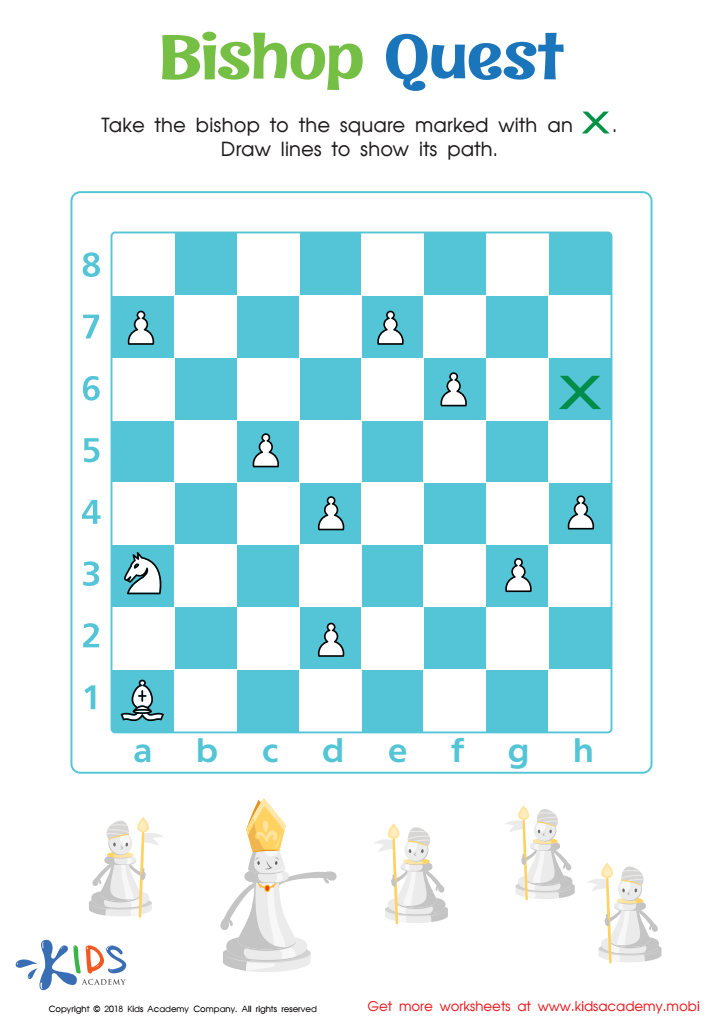
Bishop Quest Worksheet
Show kids the board and ask them to identify the bishop. Then ask them to move it to the square marked 'x', drawing lines to show its path. This worksheet helps teach kids how to move the bishop on a chessboard.
Bishop Quest Worksheet
Worksheet
Join Kids Academy for Free
Who is primarily going to use this learning content?



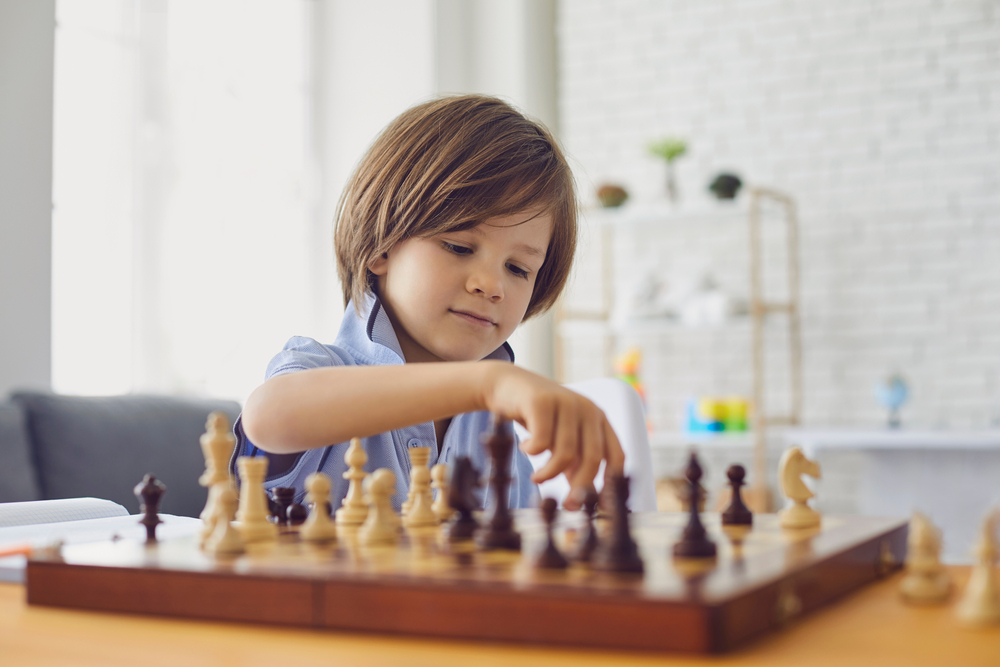
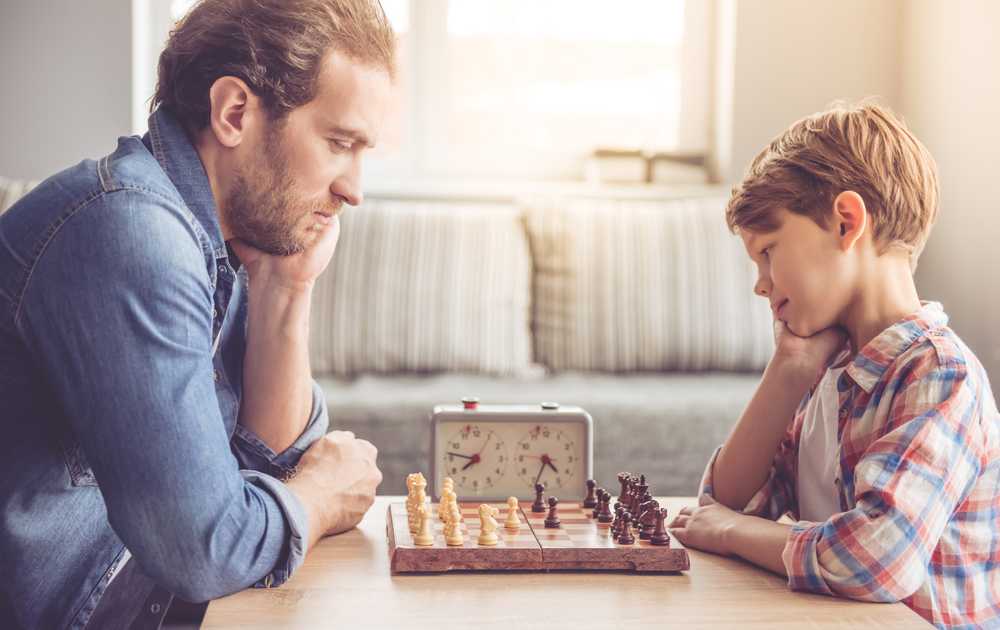


Parents and teachers should prioritize problem-solving skills using normal chess because these skills are foundational for a child’s cognitive and emotional development. Chess, with its strategic depth, offers numerous challenges that require players to assess situations, anticipate outcomes, and make decisions based on logical reasoning. Engaging in chess helps children develop critical thinking and patience, as they learn to evaluate various approaches before executing their moves.
Moreover, chess fosters resilience. Children encounter setbacks frequently, learning to cope with losing and viewing it as an opportunity for growth and improvement. This builds emotional strength, teaching them perseverance and adaptability in the face of challenges—not just in chess, but in life.
Additionally, the game enhances concentration and focus. Sitting down for a chess match requires sustained attention and discipline, traits that are pivotal in academic settings as well.
By integrating chess into learning, educators and parents can cultivate these essential problem-solving skills, equipping children with the ability to think creatively and critically. This promotes a strong foundation for future academic success and effective decision-making in everyday situations. Ultimately, promoting problem-solving through chess prepares children to navigate the complexities of life with confidence.