Phonics Skills Normal Grade 1 Worksheets - Page 2
29 filtered results
-
From - To
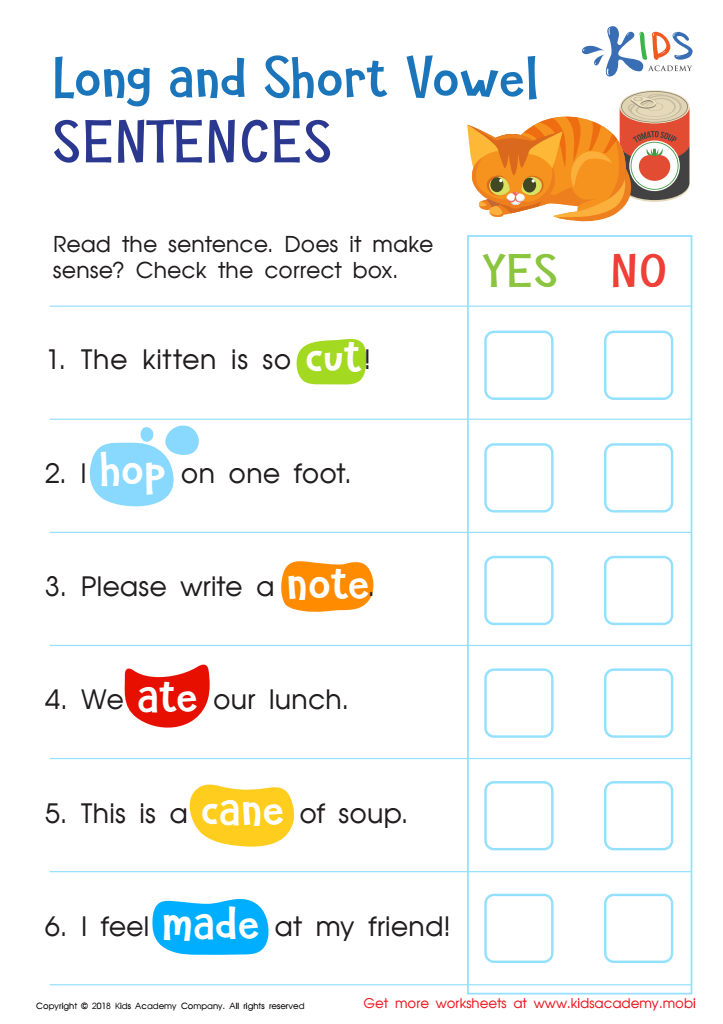
Long and Short Vowel Sentences: Assessment Worksheet
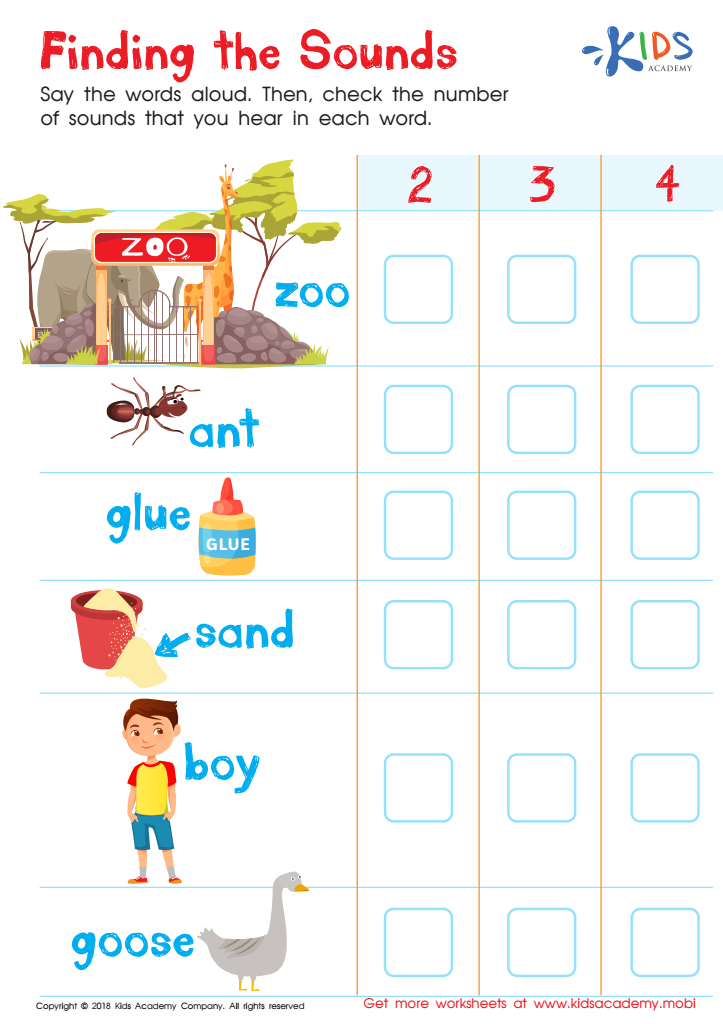
Finding the Sounds Worksheet
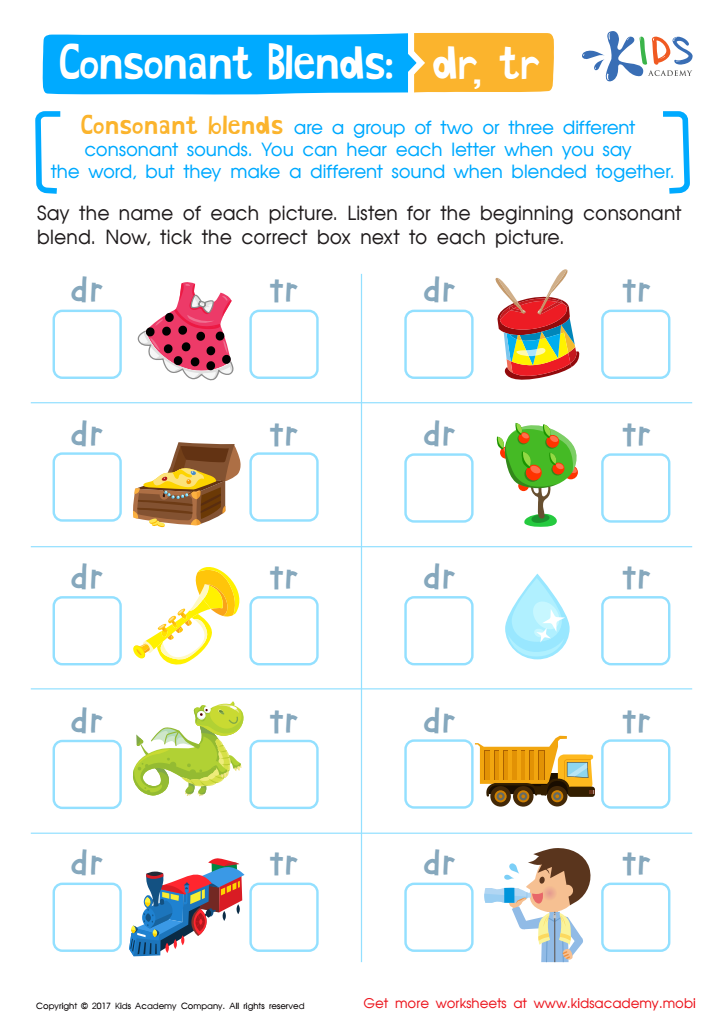
Consonant Blends: "Dr" and "Tr" Printable

Long and Short E Worksheet
 Assign to My Students
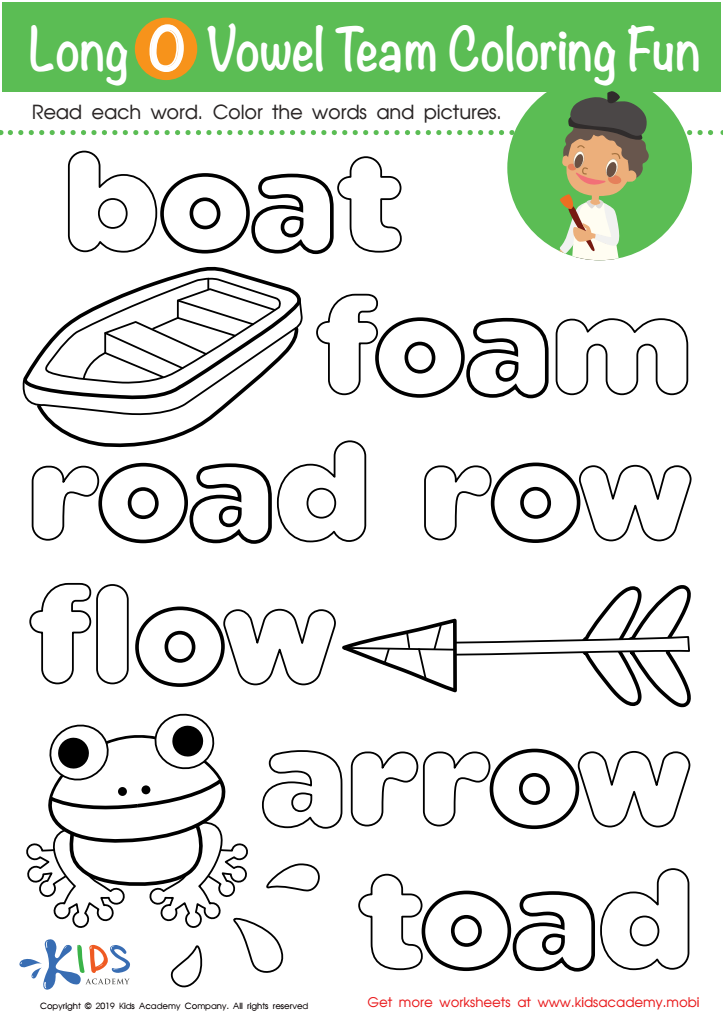
Long O Vowel Team Coloring Worksheet
Assign to My Students






Phonics skills are fundamental building blocks for literacy, crucial for the seamless transition into proficient reading and writing. In Grade 1, children are at a pivotal developmental stage where they start to decode words and understand the relationships between letters and sounds. A focus on phonics ensures that children can sound out words accurately and efficiently, aiding in fluency and comprehension. When phonics instruction is prioritized, it sets a strong foundation for future learning, given that reading is intrinsically linked to all other academic areas.
Moreover, phonics education contributes significantly to a child’s confidence in their own reading abilities. This confidence is crucial, as it encourages a positive attitude towards learning, promoting a love for reading that can last a lifetime. Engaging with phonics at an early stage also helps in identifying and providing support for students who struggle with specific aspects of reading, thus preventing future difficulties.
Both parents and teachers play essential roles in reinforcing these skills; parents can support through reading at home, while teachers can implement structured, multi-sensory phonics programs in the classroom. Together, these efforts ensure children receive a consistent, balanced literacy education that sets them up for success in all areas of their academic journey.